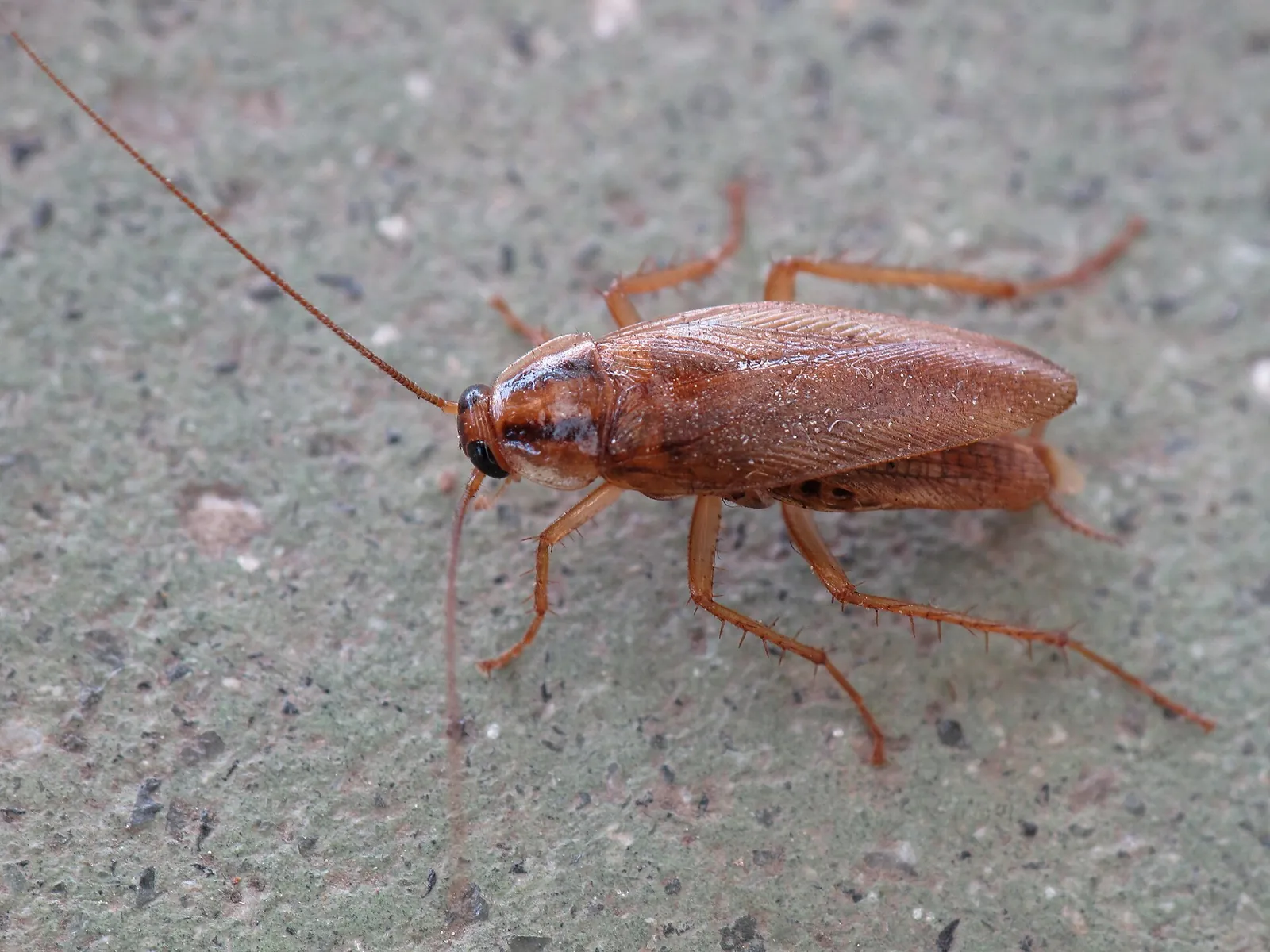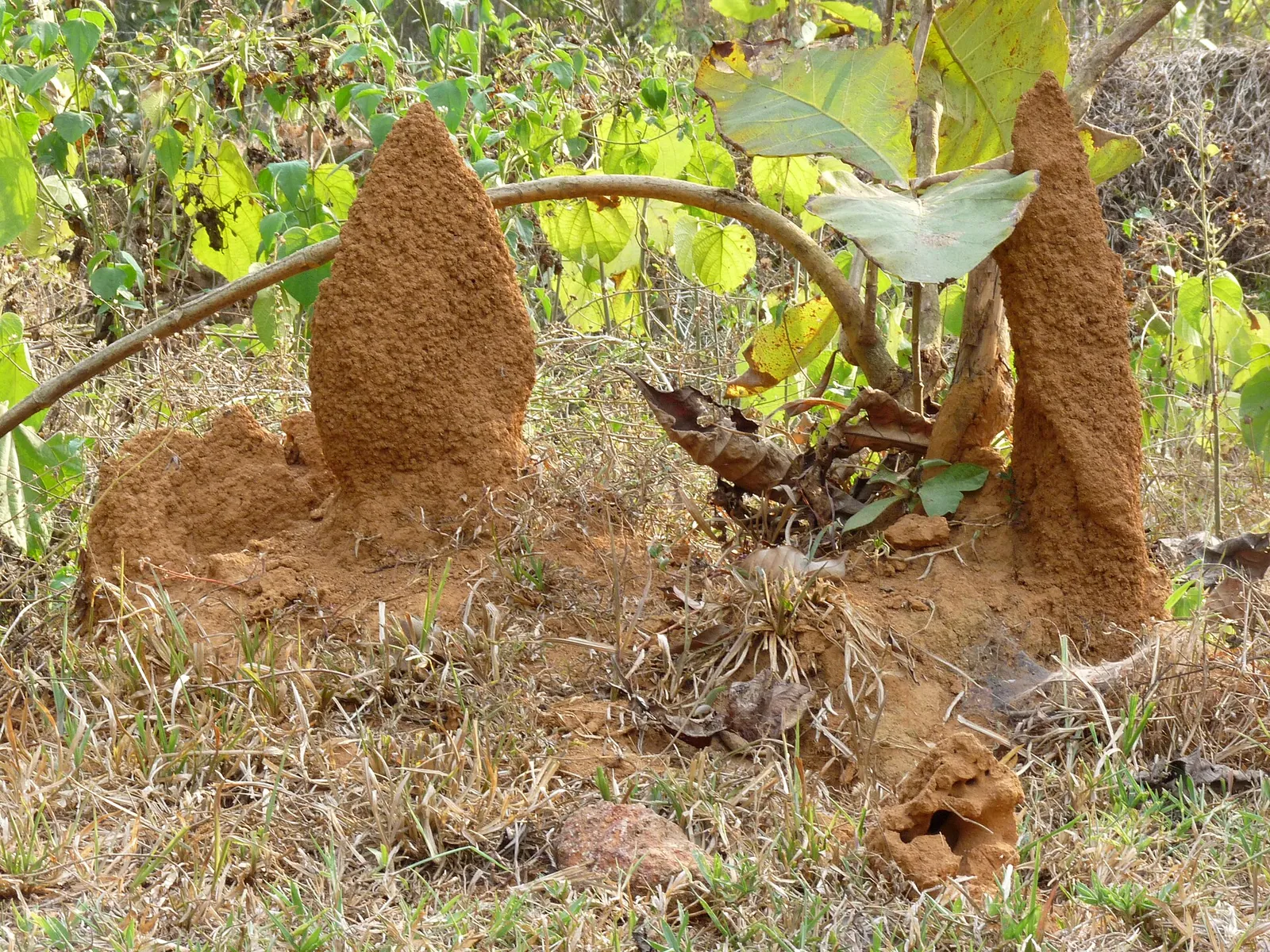
White ants are not ants at all. The name is an old common term in India for termites, the pale, soft-bodied insects that eat wood and paper. Real ants are hard-bodied, usually dark, and most of them do no structural damage. When a company quotes for white ant treatment, it is quoting for termite treatment, and the cost is the same: roughly ₹4 to ₹12 per square foot for an existing home, which works out to about ₹6,000 to ₹13,000 for a typical 2BHK.
This article explains why termites got the white ant name, how to tell the two apart in your home, what they are called in different Indian languages, and what the treatment and cost look like for each.
Why are termites called white ants?
The worker termites you find inside a mud tube or a damaged door frame are creamy white, about the size of a rice grain, and they live in large colonies with workers, soldiers and a queen, much like ants. To people who saw them swarming out of wood or soil, they looked like pale ants. The name stuck in English across India, Africa and Australia, and it is still used by many older homeowners and in some building contracts.
Scientifically, termites are not related to ants. They are much closer to cockroaches, and modern classification groups them with cockroaches. Ants are related to bees and wasps. The two groups look alike only because both evolved to live in large social colonies.
White ants vs ants: how to tell the difference
| Feature | White ants (termites) | Ants |
|---|---|---|
| Colour of workers | Pale cream or white, almost see-through | Black, red, brown or yellow |
| Body | Soft, thick waist, no clear segments | Hard shell, narrow pinched waist |
| Antennae | Straight and beaded | Elbowed, bent in the middle |
| Where you see them | Inside mud tubes, wood or soil; avoid light | Walking openly in trails across floors and counters |
| What they eat | Wood, paper, cardboard, cotton fabric | Sugar, oil, food scraps, other insects |
| Damage | Structural: frames, furniture, books | Mostly nuisance; carpenter ants can hollow damp wood |
| Signs they leave | Mud tubes, hollow wood, wings, pellets | Trails, small soil heaps at cracks |
The simplest test is behaviour. If the insects are walking openly in a line toward the sugar jar, they are ants. If they only appear when you break a mud tube or a piece of wood, and they hurry away from light, they are termites.
Names for termites in Indian languages
If you are speaking to a technician or a neighbour, it helps to know the local word. These are the names most commonly used, though spellings vary.
- Hindi and Urdu: deemak or dimak
- Marathi: vaalvi
- Gujarati: udhai
- Bengali: uipoka
- Tamil: karaiyan
- Telugu: chedalu
- Kannada: gedalu
- Malayalam: chithal
In everyday English, you will hear termites, white ants and sometimes wood ants used for the same insect. Be careful with the last one, because wood ant can also mean carpenter ant, which is a real ant.
Regional names also help when you describe the problem on the phone. Saying that you have deemak in the door frame, or vaalvi in the cupboard, tells a local technician straight away that you mean termites rather than the small black ants on the kitchen slab. It also helps you search for advice in your own language, where many older home remedies are written about. Treat those remedies with caution, but the local name will at least point you to the right insect.
White ant treatment cost
Because white ants are termites, the treatment and price are those for termite control. The figures below are typical 2026 ranges, not quotes. Metro rates are at the top end, and smaller cities often run 15 to 25 percent lower.
| Job | Typical range |
|---|---|
| Post-construction drilling, per sq ft | ₹4 to ₹12 |
| 2BHK flat, whole home | ₹6,000 to ₹13,000 |
| 3BHK flat, whole home | ₹9,000 to ₹20,000 |
| Pre-construction soil treatment, per sq ft of plinth | ₹2.5 to ₹6 |
| One room or one wardrobe, local treatment | Often ₹2,000 to ₹5,000 |
| Ordinary ant treatment as part of general pest control, 2BHK | ₹1,200 to ₹2,500, usually combined with cockroach treatment |
Our detailed termite cost breakdown explains how chemical, warranty and home size move the price.
How the treatments differ
Termite treatment works at the soil and wall base. The technician drills holes along the floor and wall junction, injects a termiticide such as imidacloprid or bifenthrin, and treats affected woodwork. It usually comes with a written warranty of one to five years.
Ant treatment works on the trails and nests. Gel baits placed along the trail are carried back to the nest and shared, which is far more effective than spraying the ants you see. For kitchen ants, our guide to getting rid of ants for good explains baiting in detail. Mixing up the two is expensive in both directions: a termite job will not fix a sugar ant trail, and ant gel will not touch a termite colony.
Why the old name leads to costly mistakes
Because the phrase white ant sounds like an ant problem, some people try ant chalk, ant powder or kitchen spray on termites and lose months. Others see a trail of small dark ants near a door frame and panic about termites, then sign up for an expensive drilling job they did not need. A few simple habits avoid both errors. Always look at the insect, not just the damage. Ask the inspector to show you a live specimen or a clear photo and to name the type in the written report. If a quote says white ant treatment, check that it describes drilling, injection and a warranty, which is what termite work involves. If it only mentions spraying along the skirting, it is probably a general pest service and will not touch a colony in the soil. Clear names and clear paperwork protect you whichever insect you actually have.
When an ant problem does not need a professional
Most ant trails in Indian kitchens can be handled at home by cleaning up sugar and oil spills, keeping food in sealed containers, wiping the trail with soapy water to remove the scent, and using a retail gel bait in small dots. You only need help if trails keep coming back after two or three weeks of baiting, or if you find large black ants carrying sawdust out of a wooden frame, which suggests carpenter ants.
Termites are different. A homeowner cannot realistically treat the soil under a flat, so if you are sure you have white ants in a wall or frame, an inspection is the right next step. Our list of common household pests in India can help if you are still not sure what you are looking at.