Walk into almost any Indian home and you will find at least two or three of the same ten pests living alongside the family. Which ones depends on the floor you live on, how old the building is, and how close you are to a drain, a garden or a market. The good news is that each of these pests leaves its own clues, and once you know who you are dealing with, the fix is usually narrower and cheaper than a full-house spray.
This guide covers the ten pests that pest control technicians in India are called for most often. For each one you get the signs that identify it, the reason it chose your home, and the control method that works on that particular species. Use the table first to narrow things down, then read the section for your pest.
Quick identification table
| Pest | Where you usually see it | Tell-tale sign | Main risk |
|---|---|---|---|
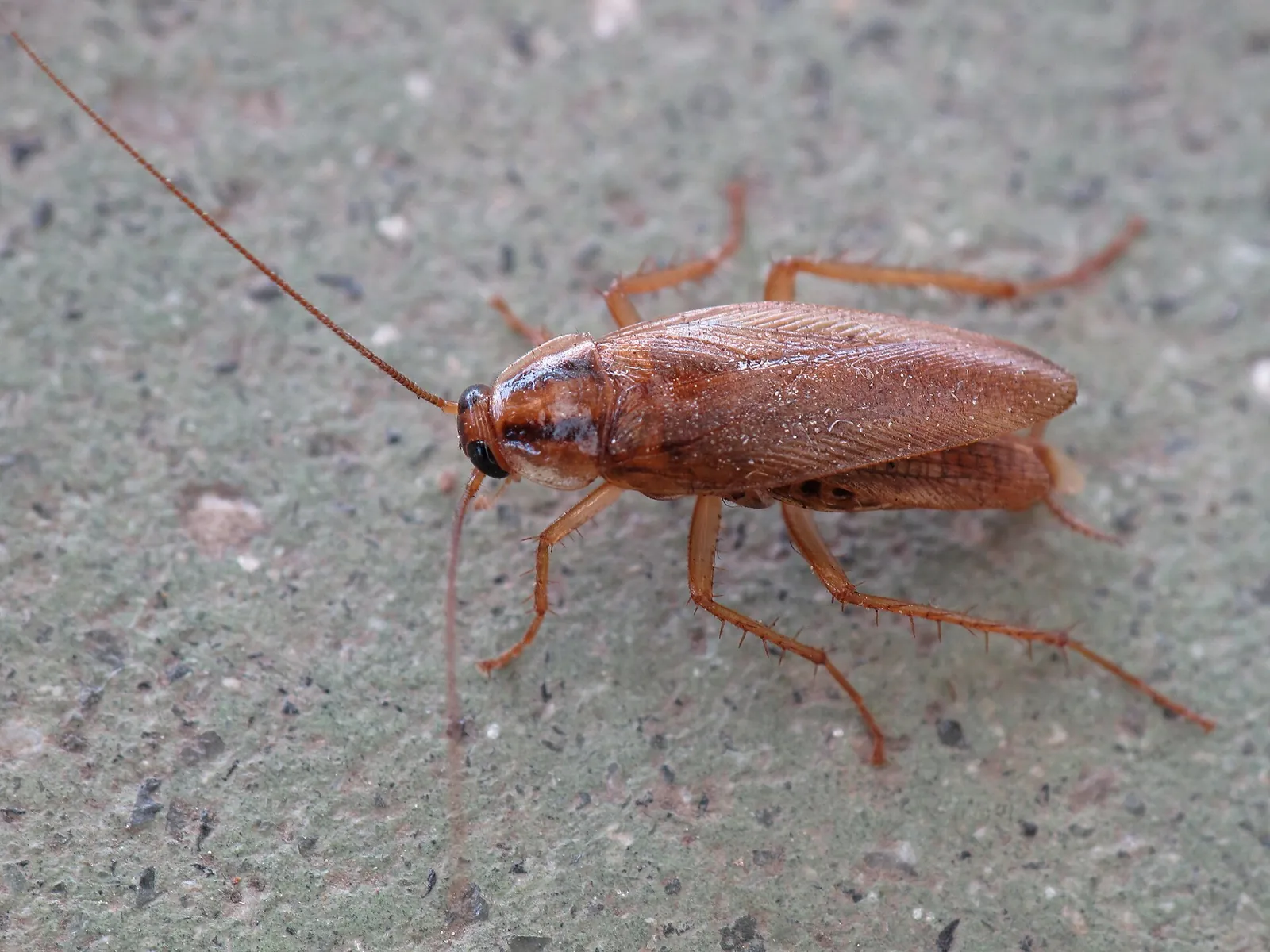
| German cockroach | Kitchen cabinets, fridge motor, microwave | Small, light brown, two dark stripes behind the head | Food contamination, asthma triggers |
| American cockroach | Bathroom drains, floor traps, ducts | Large, reddish-brown, can fly short distances | Carries sewer bacteria into the house |
| Black and sugar ants | Kitchen slab, sugar jars, window frames | Moving lines between food and a crack | Nuisance, food spoilage |
| Mosquitoes | Balconies, bathrooms, near plants | Bites at dawn and dusk, larvae in still water | Dengue, malaria, chikungunya |
| Houseflies | Kitchen, dustbin, open food | Buzzing around waste, tiny dark spots on walls | Diarrhoea, typhoid |
| Subterranean termites | Door frames, skirting, wardrobes | Pencil-width mud tubes on walls | Structural and furniture damage |
| Bed bugs | Mattress seams, bed joints, sofa | Itchy bites in a line, rusty spots on sheets | Sleep loss, skin infection from scratching |
| Rats and mice | False ceiling, kitchen loft, store room | Droppings, gnawed wires, scratching at night | Leptospirosis, fire risk from wiring |
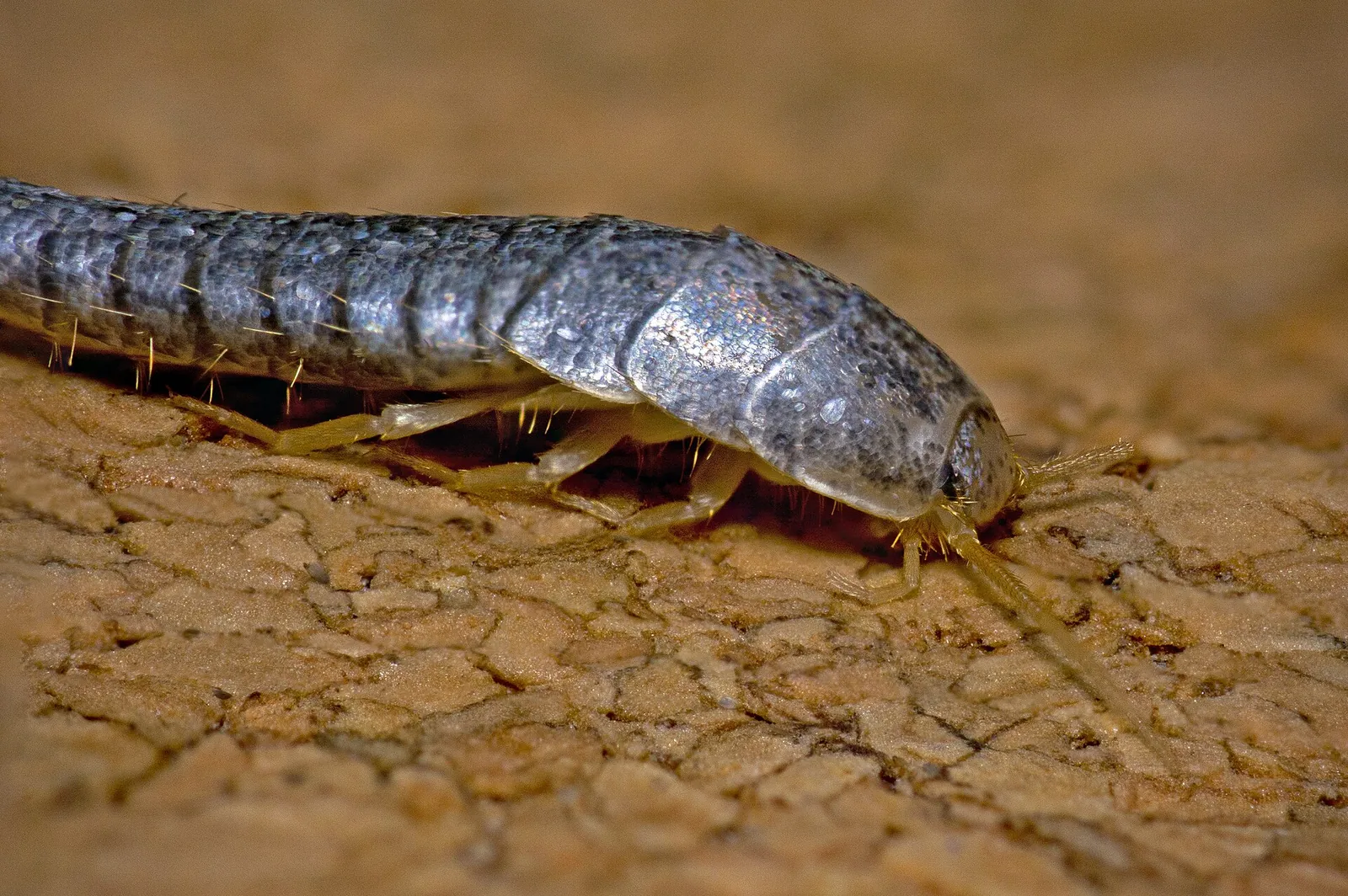
| Silverfish | Bookshelves, old papers, damp cupboards | Silver, carrot-shaped insect that wiggles | Damage to books, photos and clothes |
| House lizards | Walls near tube lights, behind frames | Droppings with a white tip | Mostly nuisance, droppings carry Salmonella |
1. Cockroaches: two species, two different fixes
Most people say 'cockroach' as if it were one insect. In Indian homes there are really two that matter. The German cockroach is about 1.5 cm long, breeds inside the kitchen, and hides in warm spots such as the fridge compressor, the back of the gas stove and the hinges of modular cabinets. A single female carries an egg case of around 30 to 40 eggs until they are ready to hatch, which is why numbers explode within a few weeks.
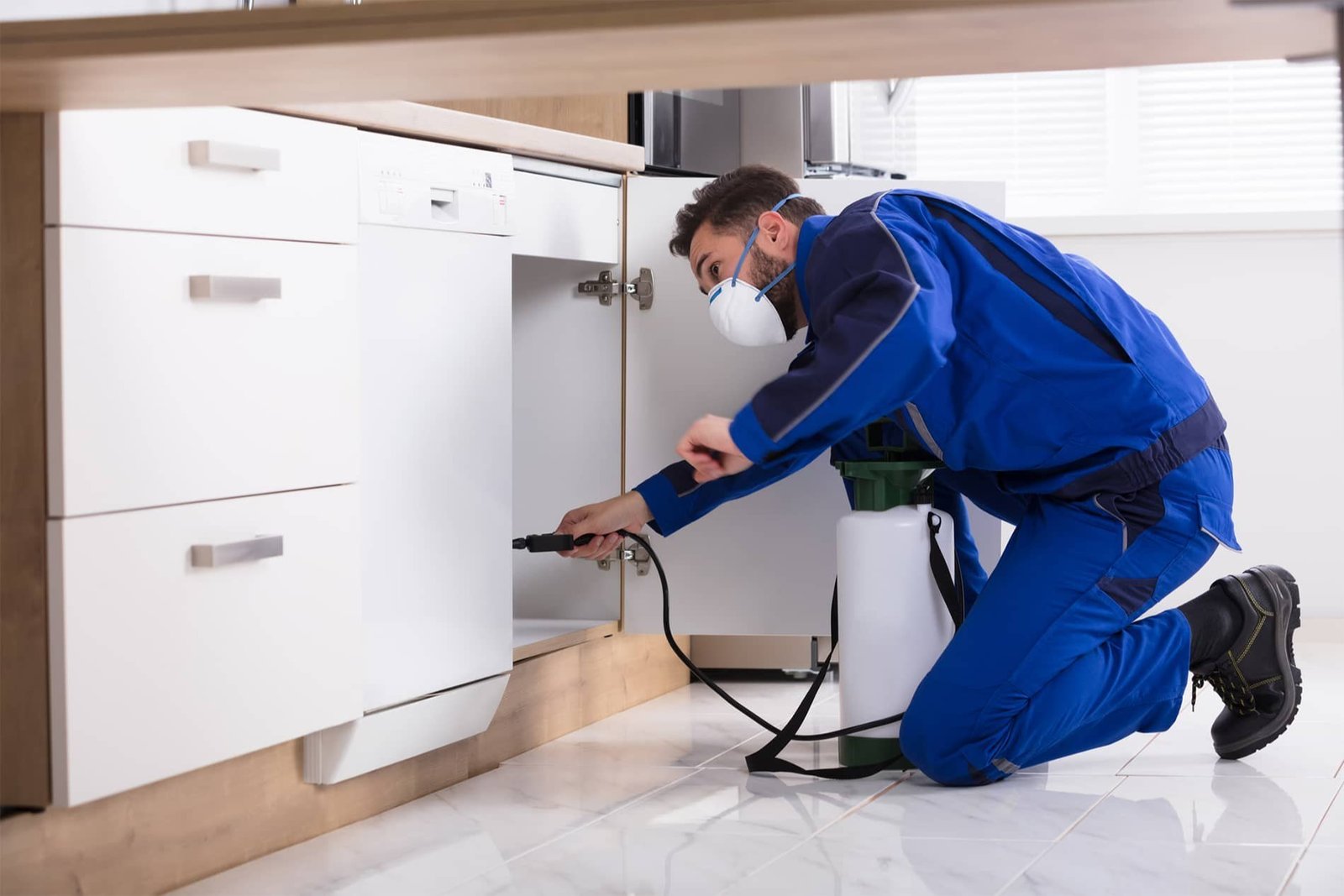
The American cockroach is twice the size, lives in the sewer and drainage line, and walks up into your bathroom through the floor trap at night. Spraying the kitchen does nothing for it. What works is a self-closing floor trap cover, sealing the gap around the soil pipe, and a drain-line treatment. For the German cockroach, gel bait placed in pea-sized dots inside hinges and cabinet corners works far better than spray, because spray scatters the colony into new hiding spots.
2. Ants: follow the line, not the ant
Killing the ants you can see removes perhaps one percent of the colony. The workers on your kitchen slab are foragers sent out by a nest that may be inside a wall cavity, a balcony planter or under a floor tile. Wipe the trail with soapy water to remove the scent marks, then place slow-acting ant bait gel next to the trail. The workers carry it back and share it, which is how the nest is reached.
Avoid spraying insecticide on the trail at the same time. The spray kills the carriers before they deliver the bait, and the colony simply finds a new route. Expect the trail to grow for a day or two after baiting before it disappears; that is a sign the bait is being collected.
3. Mosquitoes: the problem is water, not air
Three groups bite Indians at home. Aedes, the black-and-white striped mosquito, bites in daytime and spreads dengue and chikungunya. Anopheles spreads malaria and bites at night. Culex, the brown nuisance mosquito, breeds in dirty drain water and is the one that hums in your ear. Aedes needs only a bottle cap of clean water and about a week to go from egg to adult.
- Empty and scrub flower vases, money plant bottles, cooler tanks and plant saucers once every seven days.
- Check the tray under the fridge and the AC drip pipe outlet; both hold water nobody looks at.
- Fit mesh on windows rather than relying on coils and liquid vaporisers every night.
- If a society tank or open drain cannot be emptied, ask for larvicide treatment instead of fogging alone.
4. Houseflies: break the seven-day cycle
A housefly lays its eggs in moist rotting matter: wet kitchen waste, pet droppings, a leaking garbage chute. In Indian summer heat the egg becomes an adult fly in about a week. Fly sprays kill adults but the next generation is already growing in the dustbin. Lined dustbins with tight lids, emptying wet waste daily, and cleaning the bin itself with hot water every few days are what reduce numbers. Sticky fly ribbons near the window, away from food, catch the survivors.
5. Termites: the pest you rarely see
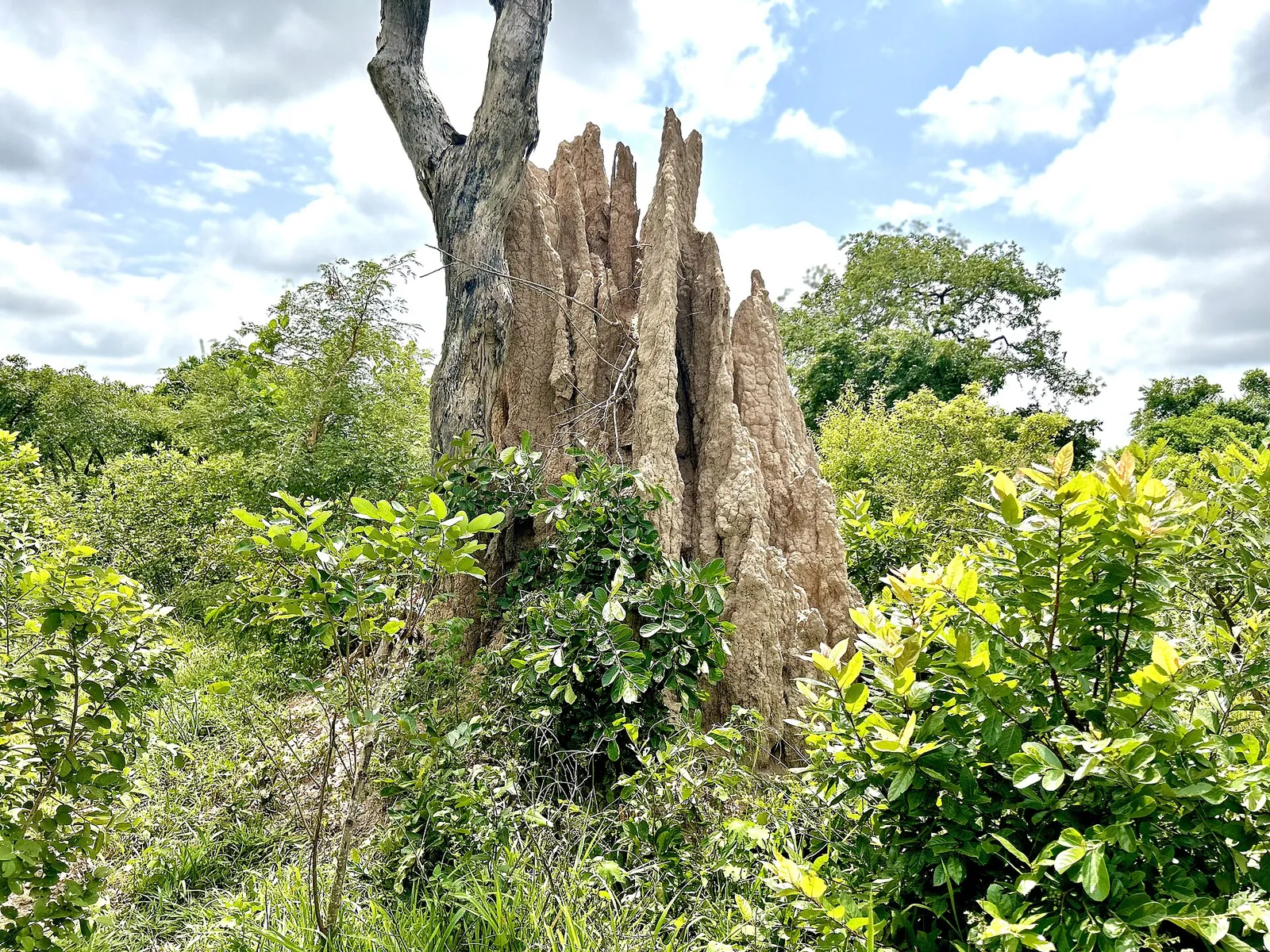
Subterranean termites live in the soil and build mud tubes up the wall to reach wood. By the time a door frame sounds hollow, they have often been feeding for a year or more. Look for thin mud lines on walls behind cupboards, swarms of winged insects after the first monsoon rain, and small piles of discarded wings near windows. Do not scrape the mud tubes and spray; that only moves the termites. A proper post-construction treatment drills along the wall-floor junction and injects a registered termiticide into the soil so the colony cannot cross back in.
6. Bed bugs: almost always brought in
Bed bugs do not come from dirt. They arrive in luggage after a train journey or hotel stay, in second-hand furniture, or with a guest. India mostly has the tropical bed bug, Cimex hemipterus, which hides in the stitched edges of mattresses, the joints of wooden cots and the seams of sofa cushions. Washing bedding at 60 degrees, steam on seams and joints, and a professional treatment with two visits about 14 days apart is the realistic route. One visit alone misses the eggs that hatch afterwards.
7. Rats and mice
Three rodents dominate: the roof rat, which climbs and lives in false ceilings and lofts; the bandicoot, a large burrowing rat found around ground floors and drains; and the house mouse. Droppings tell you which one: mouse droppings are rice-grain sized, rat droppings are close to 2 cm. Close holes larger than 1 cm with steel wool and cement, keep grain in steel or thick plastic bins, and use snap traps or tamper-resistant bait boxes along walls. Glue boards are cruel and catch birds and lizards too, so skip them.
8. Silverfish
Silverfish need humidity above about 75 percent, which is why they thrive in Mumbai, Kolkata and Kerala homes and in any cupboard against a damp wall. They eat starch, so they go for book bindings, wallpaper paste, cotton and old photographs. Reducing damp is the treatment: fix seepage, run a dehumidifier or an AC on dry mode in closed rooms, keep papers in sealed plastic boxes, and air cupboards in dry weather. A light dusting of boric acid at the back of shelves helps once the damp is fixed.
9. House lizards
The common house gecko is not dangerous and actually eats mosquitoes and moths. It comes in because insects gather around your lights. Switching to warm yellow LED bulbs outside, which attract fewer insects, and closing the gaps behind window frames and AC pipes reduces their numbers. Eggshells and peacock feathers are popular folk remedies but there is no evidence they work. If droppings near food are the concern, cover food and wipe counters, because gecko droppings can carry Salmonella.
10. Spiders and booklice
Most house spiders in India, such as the giant crab spider seen on walls at night, are harmless and eat cockroaches. Booklice are tiny pale insects, under 2 mm, that feed on mould on paper and stored grain; seeing them means something is damp. In both cases, regular dusting of corners and reducing moisture is enough. Insecticide for these two is rarely worth it.
What 'permanent' really means
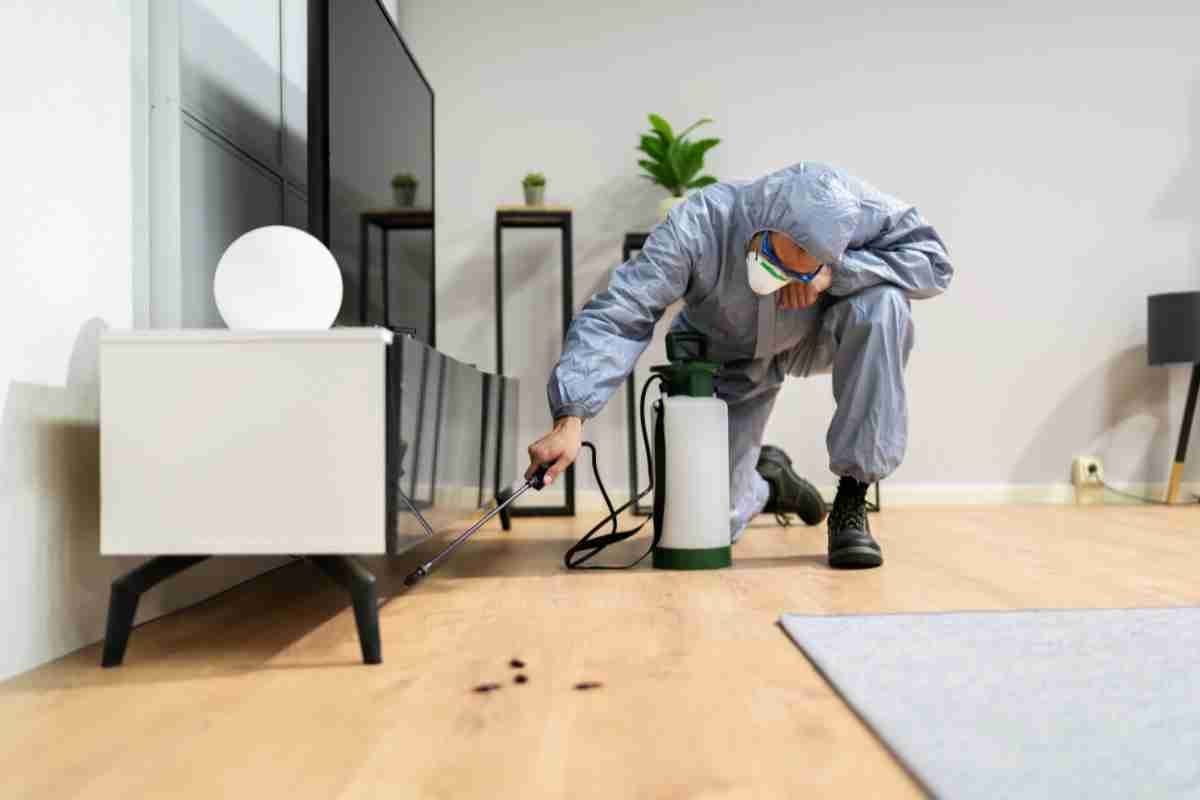
No treatment makes a home pest-free for life. What is achievable is a home where pests cannot find food, water and shelter, so the few that wander in do not settle. In practice that means three things done together: the right treatment for the specific pest, physical fixes such as sealing gaps and fixing leaks, and a follow-up visit or check after two to four weeks. Most families who complain that 'pest control does not work' skipped the second or third part.
As a rough guide for 2026, a general cockroach and ant treatment for a 2BHK flat costs ₹1,200 to ₹2,500, bed bug treatment ₹2,500 to ₹5,000 for two visits, and post-construction termite treatment ₹4 to ₹10 per square foot depending on city and chemical. Annual contracts with three or four visits usually work out cheaper than calling separately each time.