You clean the kitchen counter, and ten minutes later a line of tiny ants is marching across it. Ant trails are one of the most common household complaints in India, and swatting or wiping them away only works for a few minutes. To actually stop ants, you need to understand how they find food and how to reach the nest you cannot see.
Why wiping ants away never works
When a scout ant finds food, it lays down a chemical trail so others can follow. Wiping the visible ants does nothing to the colony, which may hold thousands of ants and a queen hidden in a wall cavity or outside the home. As long as the queen is alive and food is available, the trail rebuilds within minutes. That is why targeting the colony, not the trail, is the whole game.
The types of ants you will meet at home
Different ants want different things, and identifying yours helps you treat them correctly:
- Sugar ants (small brown or black ants): the most common kitchen invaders, drawn to anything sweet. They respond very well to sweet-based bait gel.
- Grease-loving ants: some ants prefer oily and protein foods rather than sugar, so a sweet bait may not attract them — a protein-based bait works better.
- Carpenter ants (large black ants): these do not eat wood like termites but hollow out damp wood to nest, so they signal a moisture problem you should fix.
- Biting ants (including fire ants): usually nest outdoors in soil and gardens and can sting; their nests may need direct professional treatment.
Step 1: Break the trail and remove the attraction
- Wipe surfaces with a mild vinegar-water solution to erase the scent trail.
- Store sugar, honey, jaggery, and sweets in sealed containers.
- Wipe up spills, crumbs, and sticky rings under jars immediately.
- Take out sweet kitchen waste daily and rinse the bin.
Step 2: Use ant bait, resist the urge to spray
This is counter-intuitive but crucial: do not spray the ant trail with insecticide. Instead, place ant bait gel or bait stations near the trail. Worker ants carry the bait back to the colony and feed it to the queen and larvae, killing the colony at its source over a few days. You may even see more ants at first as they swarm the bait — that is a good sign. Spraying kills the workers you see but leaves the queen laying eggs, so the problem never ends.
Seeing more ants around the bait for a day or two is exactly what you want. They are carrying the poison home to the queen.
Step 3: Deny entry
Ants enter through the smallest cracks. Seal gaps around windows, doors, and pipe openings. A line of chalk, cinnamon, or coffee grounds at entry points can act as a temporary deterrent, but sealing is the lasting fix. Fix leaky taps, because some ant species are searching for water, not sugar.
Natural remedies: what helps and what does not
Home remedies are popular for ants, and some genuinely help as deterrents, though none replace bait for clearing a colony. Vinegar wiped along trails erases the scent path. Lines of cinnamon, coffee grounds, chalk, or diatomaceous earth at entry points discourage crossing. Lemon and peppermint can mask scent trails near doors and windows. What does not solve the problem is simply squashing ants or spraying general insecticide on the trail — both leave the queen and colony untouched, so the ants return.
Seasonal ant activity
You may notice ants become far more active just before the monsoon and during humid weather. Heavy rain floods outdoor nests, pushing ants indoors in search of dry shelter and food, which is why kitchen ant trails often spike at the start of the rainy season. Winged ants swarming indoors usually appear in warm, humid conditions when a mature colony sends out new queens to start fresh nests. Planning prevention — sealing gaps and tightening food storage — before the monsoon reduces these seasonal invasions.
When to call professionals
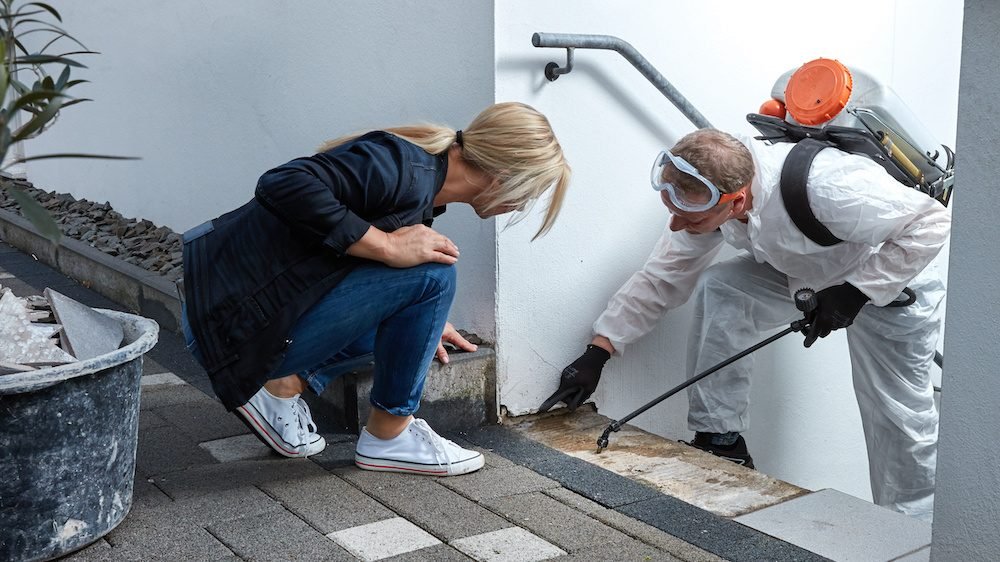
Call pest control if ants keep returning despite baiting, if you see winged ants indoors (a sign of a mature nest, and sometimes confused with termites), or if biting ants are a problem around children. Professionals identify the species and place targeted bait or treat the nest, which is far more reliable than repeated DIY attempts.
Frequently Asked Questions
Why do ants suddenly appear in my kitchen?
A scout ant found a food or water source and laid a scent trail for the colony to follow. Sugar, spills, sticky jars, and even a leaking tap can trigger a sudden trail, especially in warm and humid weather.
Should I spray ant trails with insecticide?
No. Spraying kills only the visible worker ants and leaves the queen and colony intact, so the trail returns. Ant bait gel is far more effective because workers carry it back and destroy the colony at its source.
Are winged ants the same as termites?
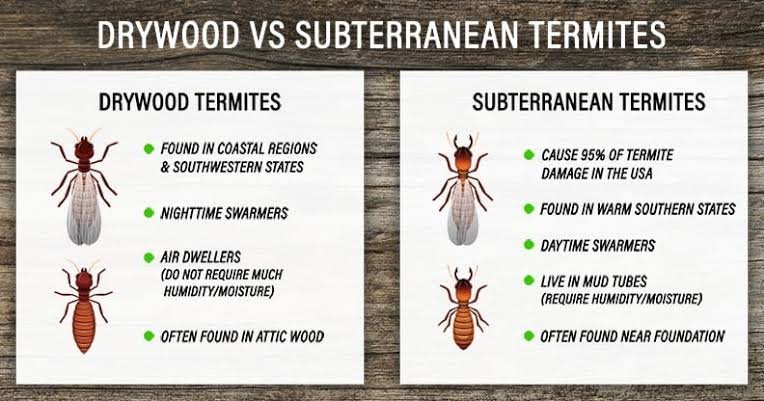
They are different but easily confused. Winged ants have a pinched waist and bent antennae, while termite swarmers have a straight body and straight antennae. If you see swarming insects near wood, it is worth having them identified, as termites cause serious damage.
How long does ant bait take to work?
Ant bait usually clears a colony within a few days to two weeks. You may see increased activity at first as workers collect the bait, followed by a steady decline as the colony dies off.
Do natural remedies like vinegar and cinnamon get rid of ants?
Vinegar, cinnamon, coffee grounds, and peppermint work as deterrents and can erase or block scent trails at entry points, but they do not destroy the colony. For a lasting fix you still need bait that the workers carry back to the queen.
Why do ants come indoors during the monsoon?
Heavy rain floods outdoor ant nests, so ants move indoors looking for dry shelter and food. This is why kitchen ant trails often appear suddenly at the start of the rainy season. Sealing gaps and tightening food storage before the monsoon helps prevent it.