When homeowners first discover termites, the very next question is almost always the same: how much will treatment cost? It is a fair question, but the honest answer is "it depends" — and that vagueness makes it easy for both cheap operators and overpriced ones to take advantage of you. This guide breaks down exactly what you pay for in a termite treatment in India, so you can read any quotation with confidence and know whether it is fair.
What actually drives the price
Termite treatment is not a fixed-rate product like a bag of cement. The cost is built from a handful of real factors, and understanding them lets you judge a quote instantly:
- Area to be treated — most operators price by square feet of built-up or plinth area, so a larger home naturally costs more.
- Type of treatment — post-construction (existing home) versus pre-construction (during building) work very differently and are priced differently.
- Severity and spread — a localised infestation in one wall costs less than a colony that has reached multiple rooms.
- Chemical used — branded, longer-lasting termiticides cost more per litre but last far longer, which is usually worth it.
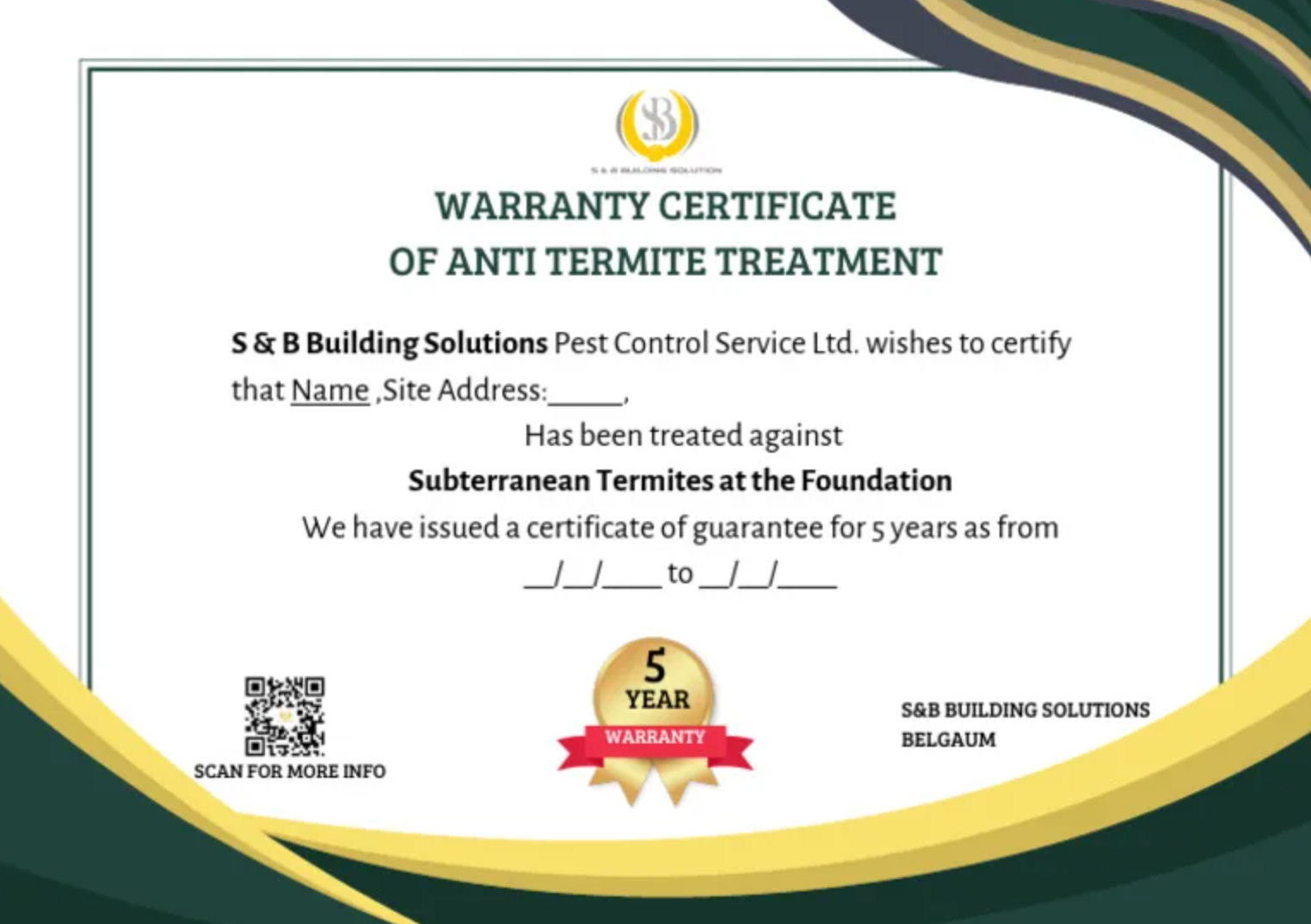
- Warranty period — a treatment backed by a one-year warranty is priced differently from a five-year guaranteed job.
Post-construction treatment: the common case
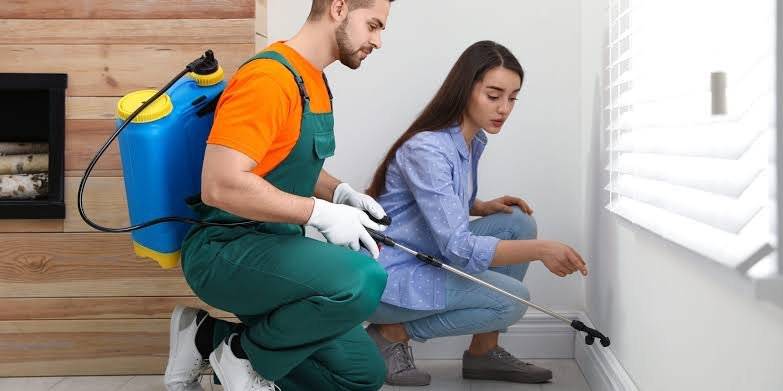
If termites appear in a home you already live in, you need post-construction treatment. The technician drills small holes at regular intervals along the wall-floor junction and inside affected areas, injects termiticide under pressure to create a chemical barrier, and seals the holes. Because this is labour-intensive and uses a good quantity of chemical, it is usually priced per square foot of the affected area or the whole floor. For most homes and flats this is the treatment being quoted when you call about "termites in my wall".
Pre-construction treatment: cheaper per foot, done once
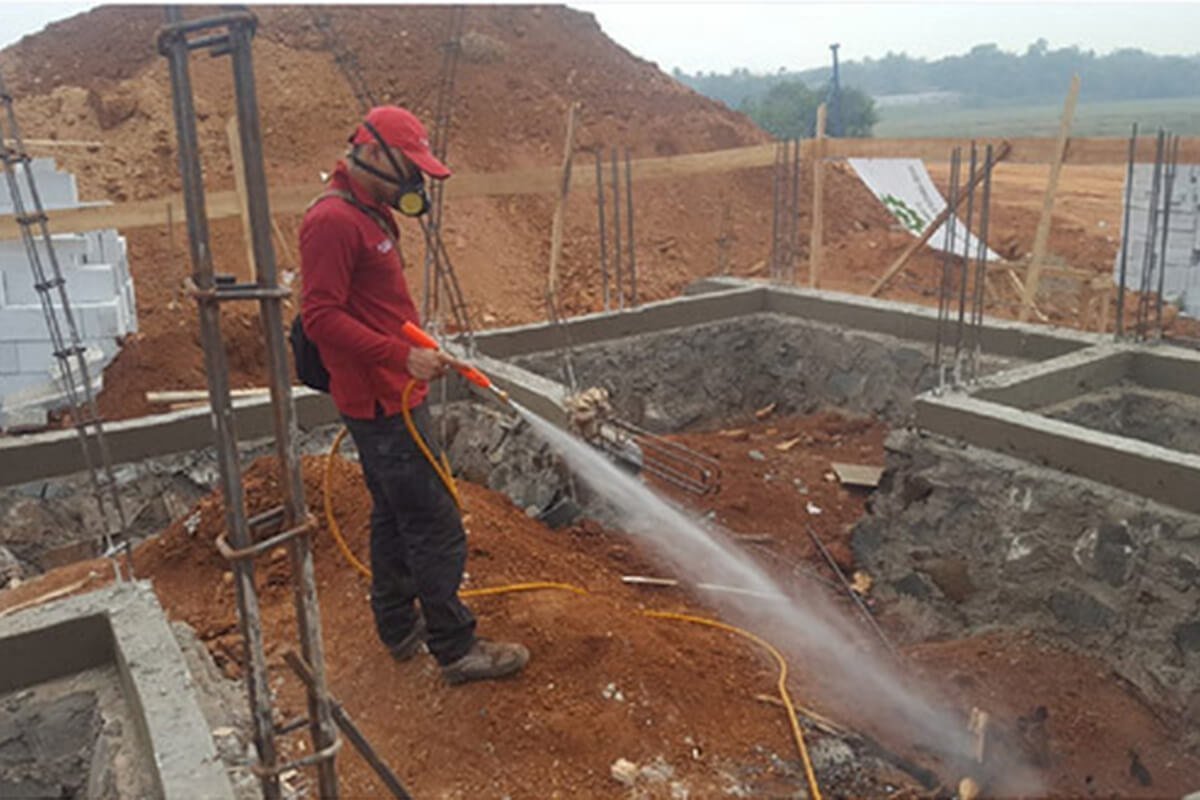
If you are building a new house, pre-construction anti-termite treatment is applied to the soil and foundation before flooring is laid. It is significantly cheaper per square foot than post-construction work because the technician has open access and does not have to drill through finished floors. It is one of the smartest investments you can make while building — treating the soil now costs a fraction of what it will cost to fix a termite problem after you move in.
Why the cheapest quote is often the most expensive
It is tempting to pick the lowest number, but termite treatment is exactly the wrong place to bargain-hunt. A cheap quote usually means one of three things: the chemical is diluted below the effective rate, fewer drill points are used so the barrier has gaps, or there is no meaningful warranty. When the termites return in a few months — and with a weak treatment they will — you pay again, plus the cost of the fresh damage they caused in the meantime. A slightly higher quote from a licensed operator using branded chemical with a written warranty almost always works out cheaper over five years.
With termites, you are not buying a spray — you are buying years of protection. Judge a quote by the chemical, the coverage, and the warranty, not just the number at the bottom.
Questions to ask before you accept a quote
- Which termiticide will you use, and what is its expected barrier life?
- How many drill/injection points per running metre, and at what spacing?
- What warranty do I get in writing, and does it cover re-treatment free of cost?
- Is this a one-time job or does it include follow-up inspection visits?
- Are you licensed to handle these chemicals, and can I see the invoice with GST?
Getting fair value, not just a low price
The goal is not to find the cheapest termite treatment — it is to find the fairest one. Get two or three quotes from licensed operators, compare what each includes rather than only the totals, and favour the one that specifies chemical, coverage, and a written warranty. A professional quotation that spells out these details is a sign of a serious operator; a one-line "termite treatment: Rs X" with no detail is a warning sign.
Regional and property factors that move the price
Two homes of the same size can be quoted very differently, and it is worth understanding why so you are not caught off guard. Location matters — labour and travel costs differ between a dense city and an outlying area, and an operator who has to travel far will price that in. The type of property matters too: an independent house with soil on all sides needs more perimeter treatment than a flat on an upper floor, while a ground-floor flat with direct soil contact often needs more attention than a higher one. The construction — how much wood is used in doors, frames, and furniture, and whether there are expansion joints and service ducts — also affects both the risk and the work involved.
The condition of the existing infestation is the other big swing factor. A problem caught early, confined to one wall, is a modest job. A colony that has spread across several rooms and into the flooring needs far more drilling, chemical, and time, and the quote reflects that. This is one more reason not to delay: the same treatment costs less when the problem is smaller, so acting on the first mud tube you see is not only safer for your home, it is genuinely cheaper than waiting until the damage is widespread.
Frequently Asked Questions
How is termite treatment cost calculated in India?
Most operators price by the area treated — per square foot of built-up or plinth area — adjusted for the type of treatment, the severity of the infestation, the chemical used, and the warranty offered. Pre-construction soil treatment is cheaper per square foot than post-construction drilling because access is easier.
Is pre-construction termite treatment cheaper than post-construction?
Yes, usually much cheaper per square foot, because it is applied to open soil and foundation before flooring, without drilling through finished floors. Treating during construction is one of the most cost-effective ways to protect a home for years.
Why are termite treatment quotes so different from one company to another?
Big differences usually come down to the chemical quality, the number of drill points, and the warranty. A very low quote often means diluted chemical, fewer injection points, or no real guarantee — which leads to the termites returning and you paying twice.
Does termite treatment come with a warranty?
Reputable operators offer a written warranty, commonly one to five years, and good ones include free re-treatment if termites reappear within that period. Always get the warranty in writing on the invoice rather than as a verbal promise.
Is it worth paying more for branded termite chemicals?
Generally yes. Branded, longer-lasting termiticides create a barrier that holds for years, so although they cost more per litre, they reduce the chance of re-infestation and repeat charges. Over a five-year horizon, the better chemical is usually the cheaper choice.
Can I negotiate the price of termite treatment?
You can compare quotes and ask what each includes, but avoid pushing the price so low that the operator cuts corners on chemical or coverage. It is better to negotiate on scope and warranty than to force a rock-bottom rate that leads to a failed treatment.