How much does it cost to start a pest control business? For a solo operator working from a small rented room with one two-wheeler, a realistic budget is roughly ₹1.5 lakh to ₹3.5 lakh including a few months of running money. A small team of two or three technicians with an office and basic commercial equipment usually needs ₹6 lakh to ₹14 lakh. A firm set up to bid for factories, hotels and warehouses from the first month can need ₹20 lakh or more. These are illustrative 2026 ranges for planning, not quotes.
The biggest variable is not equipment. It is how many months you can survive before customers pay you enough to cover costs. That line, working capital, is the one most new owners leave out of their budget.
Three ways to start, three very different budgets
Before pricing anything, decide which kind of business you are opening. A home-and-flat business needs light equipment and strong local marketing. A commercial business needs documentation, monitoring devices and the cash to wait for slow payers. Trying to be both on day one usually means doing neither well.
| Item | Solo residential (₹) | Small team, 2-3 techs (₹) | Commercial-ready (₹) |
|---|---|---|---|
| Registrations, licence, CA and paperwork | 10,000-25,000 | 15,000-40,000 | 30,000-75,000 |
| Sprayers, drill, basic tools | 15,000-35,000 | 50,000-1,20,000 | 1,50,000-3,50,000 |
| Foggers (thermal or ULV) | Often skipped | 20,000-60,000 | 60,000-1,50,000 |
| PPE and uniforms | 5,000-8,000 | 15,000-30,000 | 40,000-80,000 |
| Opening chemical stock | 20,000-40,000 | 50,000-1,00,000 | 1,20,000-2,50,000 |
| Monitoring devices (rodent boxes, fly traps) | Minimal | 20,000-50,000 | 1,00,000-2,50,000 |
| Vehicle | Own two-wheeler | 1-2 two-wheelers, 80,000-2,40,000 | Small van plus bikes, 6-10 lakh |
| Office and storage room setup | Rented room, 15,000-30,000 | 50,000-1,50,000 | 1,50,000-4,00,000 |
| Branding, website, launch marketing | 10,000-30,000 | 40,000-1,00,000 | 1,00,000-2,50,000 |
| Working capital (3-6 months) | 60,000-1,50,000 | 3,00,000-6,00,000 | 8,00,000-15,00,000 |
Add the columns up and you land in the ranges given at the top. Prices for equipment vary widely between imported and local makes, and second-hand power sprayers and foggers can cut the equipment line by a third if you inspect them properly.
Equipment: what you need now and what can wait
For residential general pest work, you need a good manual compression sprayer or two, a gel applicator, a dusting bulb, a torch, a moisture meter if you plan to do termite inspections, and a hammer drill with long bits for termite drilling. That kit covers most of the jobs a new firm will get in its first six months.
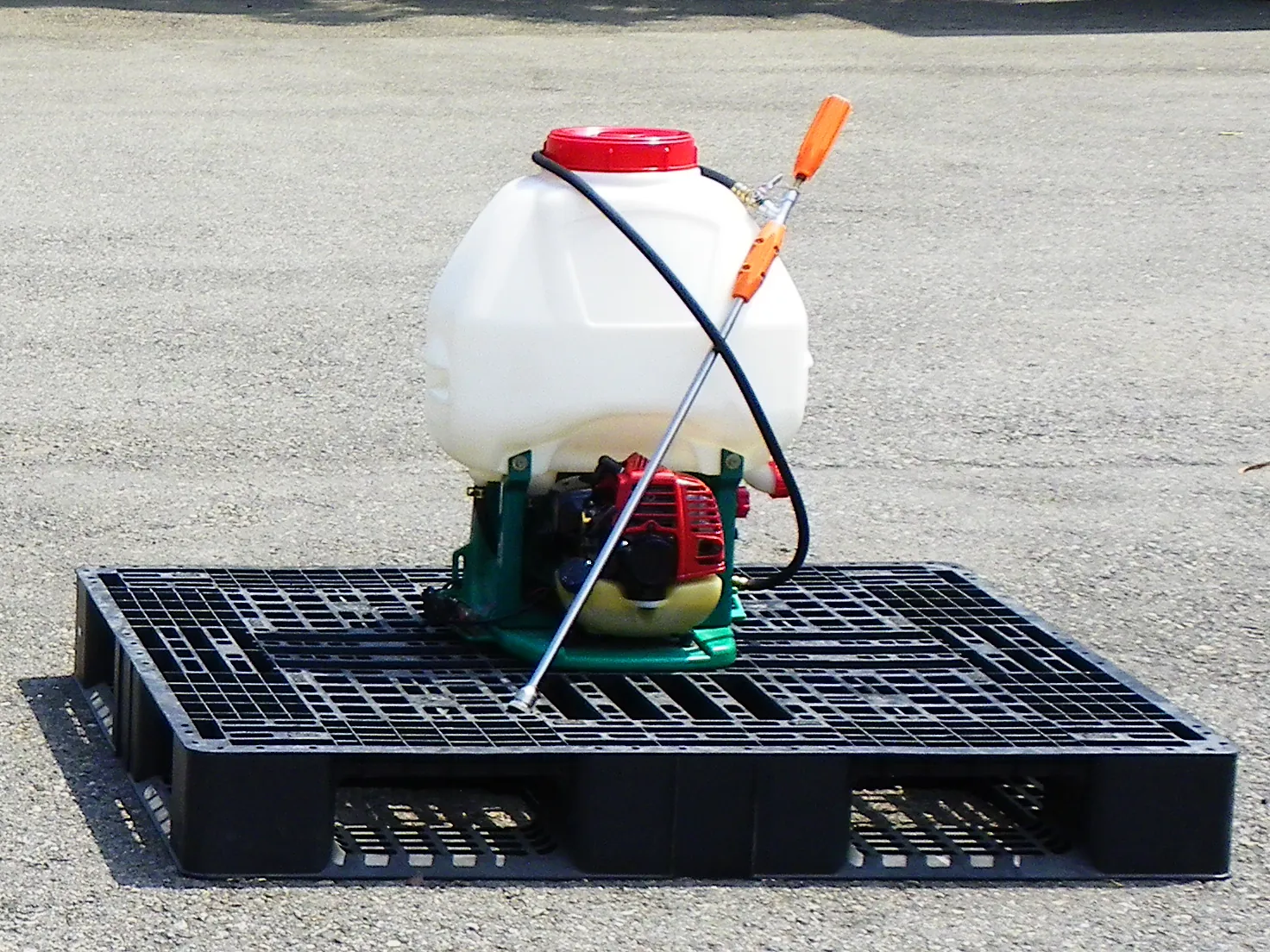
Power sprayers, cold foggers and thermal foggers become worth buying when you have regular mosquito, warehouse or society common-area work. Rent or borrow for the occasional large job until the bookings justify the purchase. For practical advice on where and how to buy, see buying equipment and chemicals in India.
The opening chemical stock
You do not need a shelf of twenty products. A new firm can start with a cockroach gel, a residual insecticide for crack-and-crevice work, a termiticide registered for soil treatment, a rodenticide bait in tamper-resistant stations, and a larvicide if you take mosquito work. Buy in quantities you will use within the shelf life printed on the pack. Old stock sitting in a hot room is money lost, and expired product should not be used on customer premises.
Working capital: the line that sinks new firms
Households pay on the day. Societies, offices and restaurants often pay 30 to 60 days after the invoice, and some take longer. If your first big contract is a hotel paying ₹40,000 a month, you will spend two months of salaries, fuel and chemical on it before the first cheque arrives.
A simple rule for planning: keep enough cash to cover at least three months of fixed costs (rent, salaries, EMIs, phones) without counting any new revenue. Six months is safer if you plan to chase commercial clients. Running out of cash is far more common than running out of customers.
Monthly running costs once you open
- Technician salary: commonly ₹14,000 to ₹25,000 a month depending on city and experience, plus incentives.
- Rent for a small office with a separate chemical store: ₹8,000 to ₹30,000 a month outside prime areas.
- Fuel and vehicle maintenance: ₹3,000 to ₹6,000 per two-wheeler a month in active use.
- Phone, internet, software and accounting: ₹3,000 to ₹10,000 a month for a small firm.
- Marketing: anything from ₹5,000 for a solo operator relying on referrals to ₹50,000 or more for paid online leads.
If you budget for software, check real numbers on our pest control software pricing page instead of guessing; it is usually a small line compared with salaries.
Where you can save, and where you should not
You can save on office location, furniture, vehicle (start on your own bike), launch advertising (a well-built Google Business Profile and a few societies who know you go a long way) and second-hand equipment. You should not save on PPE, on buying registered chemicals from licensed dealers, on a proper locked chemical store, or on the licence itself. Those are the costs that protect your technicians, your customers and your right to operate.
Funding the start: loans, savings and partners
Most small pest control firms in India start on the owner's savings, sometimes topped up by family. That is the cheapest money but also the most painful to lose, so put a ceiling on it before you begin and decide what result by month nine would make you stop or change course.
A bank or NBFC loan can cover vehicles and equipment, because those can be offered as security. Banks are usually less keen to fund working capital for a business with no track record, so do not plan on a loan for salaries in the first months. Udyam registration may make you eligible for some government-backed small business schemes; ask your bank what is currently on offer instead of relying on old news articles.
Taking a partner who brings money is common. Write down, before anyone signs, who owns what share, who draws what salary, who holds the licence, and what happens if one partner wants to leave. Many pest control partnerships break up over money nobody defined in year one, not over the work itself.
How long before you break even?
A solo operator with a local reputation can cover costs within a few months. A small team often takes six to eighteen months to reach steady profit, depending on how quickly contracts build up and whether the first year includes a good monsoon season. The franchise route has a different cost profile with fees and royalties, compared in franchise vs independent business.