You spot something tiny moving on the bathroom wall, in the rice tin or across an old book, and you want to know what it is and whether to worry. This guide covers 20 of the most common small insects found in Indian homes, with their everyday names, how to recognise each one, and what its presence actually means. Most of them point to a simple cause, usually moisture, stored food or an open entry point, and many are harmless once that cause is fixed.
Damp-loving bugs: what moisture brings
| Bug | What it looks like | Where | What it means |
|---|---|---|---|
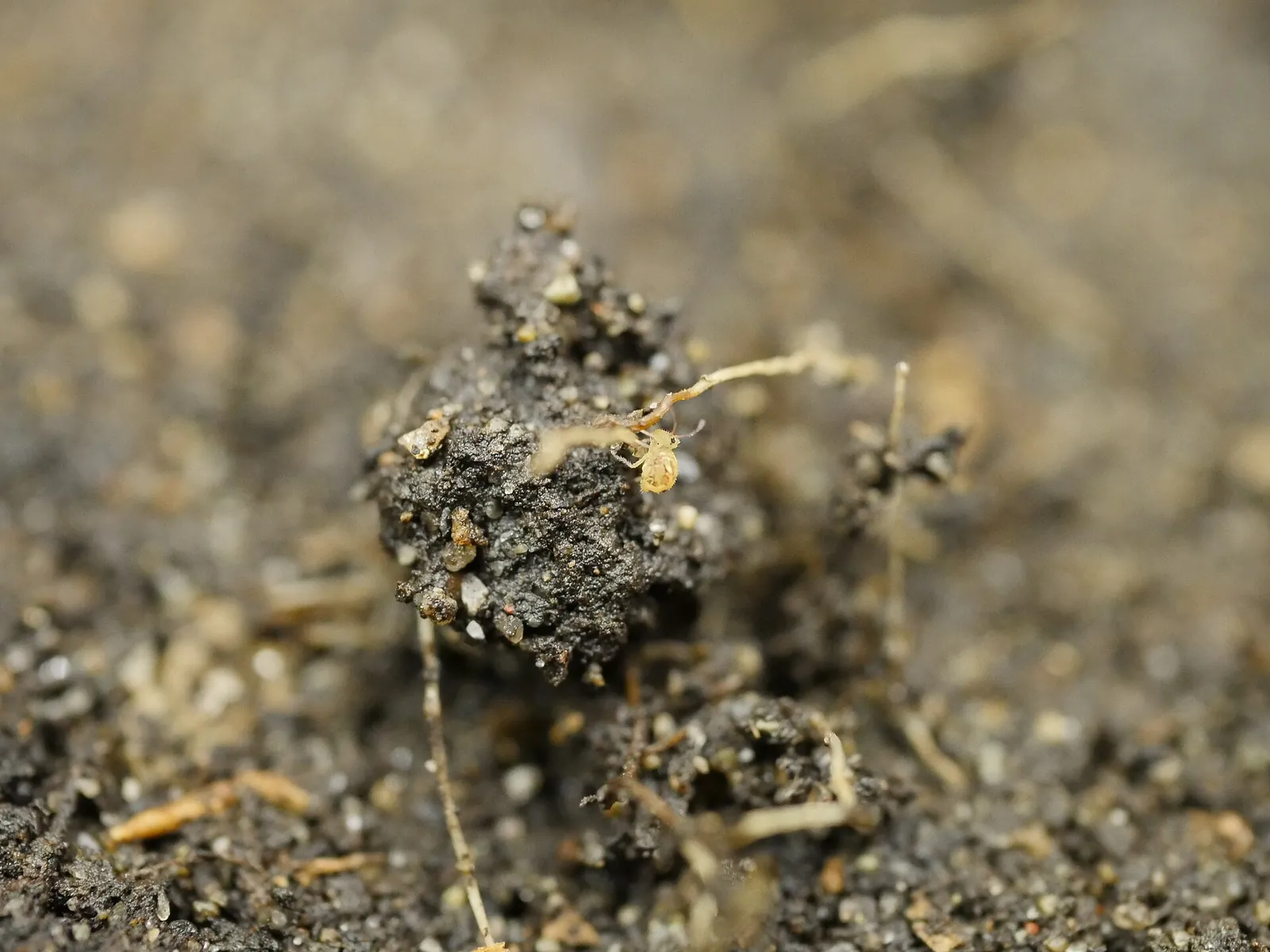
| 1. Springtails | Tiny, grey or white, jump when touched | Bathroom, sink, plant pots, damp walls | High moisture or overwatered plants |
| 2. Booklice (psocids) | Pale, under 2 mm, soft body, crawl slowly | New walls, books, cardboard, grains | Damp air feeding mould on surfaces |
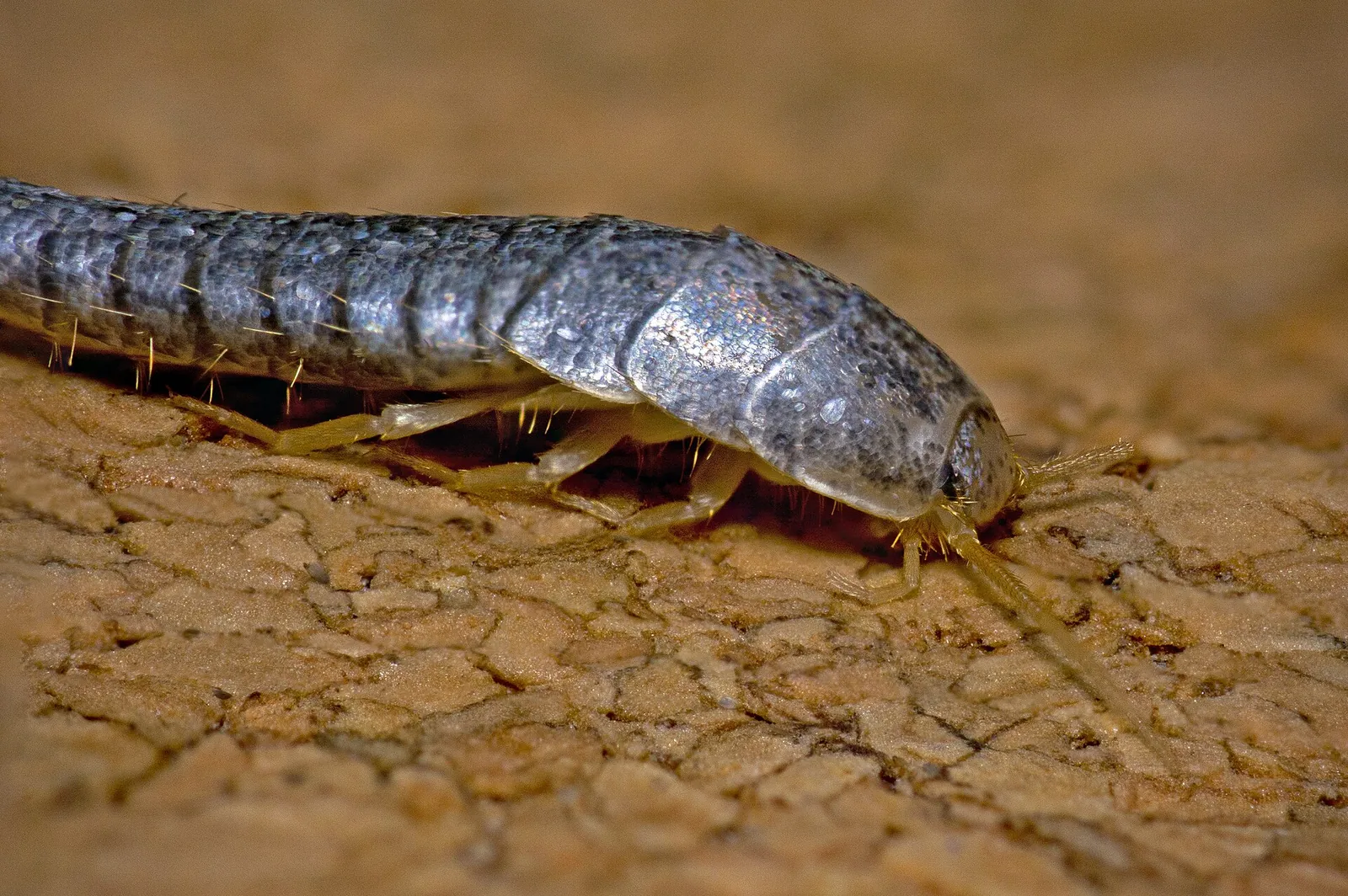
| 3. Silverfish | Silver, carrot-shaped, 1-2 cm, wriggles fast | Bathrooms, bookshelves, stored paper | Humid, dark storage areas |
| 4. Drain flies (moth flies) | Tiny, fuzzy, moth-like, hold wings like a roof | Bathroom drains, sink, floor trap | Gunk film inside a drain |
| 5. Fungus gnats | Small, dark, delicate flies | Indoor plant pots | Soil kept too wet |
| 6. Plaster bagworm | A grey flat case on walls, larva inside | Walls, ceilings, corners | Dust, cobwebs, humid rooms |
For silverfish and booklice in particular, our article on damp-loving pests goes into more detail. The first fix for this whole group is the same: improve ventilation, fix leaks, and run an exhaust fan or dehumidifier in damp rooms.
Kitchen and pantry bugs
| Bug | What it looks like | Where | What it means |
|---|---|---|---|
| 7. Rice weevil | Small dark brown beetle with a long snout | Rice, wheat, dal, whole grains | Infested grain; came in with the bag |
| 8. Red flour beetle | Small, flat, reddish-brown | Atta, maida, suji, biscuits | Old flour or spilt flour in shelves |
| 9. Drugstore or biscuit beetle | Tiny, round, reddish-brown, covered in fine hair | Biscuits, spices, dry pet food, medicines | An old packet at the back of a shelf |
| 10. Cigarette beetle | Tiny, round, humped head, light brown | Spices like chilli and turmeric, dry fruits, tobacco | Long-stored spices |
| 11. Indian meal moth | Small moth with two-tone wings; webbing in food | Dry fruits, nuts, cereals, flour | Infested packet; larvae make silk |
| 12. Fruit flies | Tiny flies with red eyes | Over-ripe fruit, dustbin, juice spills | Fermenting food left out |
| 13. Ghost and pharaoh ants | Tiny ants, pale or light reddish | Counters, sugar, sweets | Food access plus a hidden nest nearby |
Most pantry insects come home inside a packet. The fix is to find the infested packet, discard it, vacuum the shelf, and store everything in airtight jars. Our guide to insects in stored grains, flour and rice has a full method.
Bugs in beds, fabric and on people
| Bug | What it looks like | Where | What it means |
|---|---|---|---|
| 14. Bed bug nymphs | Tiny, pale to reddish, flat, oval | Mattress seams, bed joints, behind headboard | An infestation that needs proper treatment |
| 15. Carpet beetles (larvae) | Small, hairy, striped grubs; adults are tiny round beetles | Woollens, carpets, under furniture, near windows | Natural fibres, lint and dead insects |
| 16. Fleas | Tiny, dark, jump high | Pet bedding, carpets, floors | A pet or stray animal carrying them |
| 17. Bird mites | Barely visible specks that crawl on skin | Near windows, AC units, false ceilings | An abandoned pigeon nest nearby |
Bed bugs and fleas are the two on this list that usually need more than home cleaning. If you are unsure whether you have bed bugs, see how to identify bed bugs in India.
Seasonal and outdoor visitors
| Bug | What it looks like | Where | What it means |
|---|---|---|---|
| 18. Termite swarmers | Winged insects with two pairs of equal wings, swarm after rain | Around lights, window sills, piles of shed wings | A termite colony nearby, maybe in the building |
| 19. Thrips | Tiny thin black or yellow specks, sometimes on skin | Near plants, on window sills in dry hot weather | Garden or crop thrips drifting in |
| 20. Whiteflies and aphids | Tiny white flies or soft green bugs on leaves | Balcony plants, hibiscus, curry leaf | Plant pests; they do not infest the house |
The termite swarmer is the one item here to take seriously. If you find a pile of discarded wings on the window sill after a monsoon evening, check skirting, door frames and wardrobes for mud tubes. Our guide on telling termite types apart helps decide what to do next.
How to identify a tiny bug at home
- Catch one on clear tape and stick it on white paper.
- Take a zoomed-in photo with your phone in good daylight.
- Note where you found it and whether there were many in one spot.
- Check whether it jumps, flies, crawls fast or slowly.
- Compare it with the tables above. Location usually narrows it down quickly.
What the location tells you
Where you keep finding a bug is often a better clue than its appearance. Small insects on a bathroom wall or around the sink almost always come back to water: a dripping tap, a wet grout line, a drain that is not cleaned. Insects on a freshly painted wall in a new flat often feed on the thin film of mould that grows while plaster is still drying. Bugs that cluster on window sills tend to have come from outside, attracted by light or carried in on the breeze. Insects in a single kitchen cabinet point to one infested packet on that shelf, while insects spread across the whole kitchen suggest something living in the structure, such as ants in a wall.
Bedrooms are the place to pay closest attention. Small reddish-brown bugs in mattress seams, small dark spots on the sheet, or itchy bites in a line after sleeping are worth investigating properly, because bed bugs do not go away on their own.
Season helps as well. Springtails, booklice, drain flies and termite swarmers rise sharply in monsoon months. Pantry beetles and moths keep going year round but become noticeable when you open stored festival stock. Thrips tend to show up in hot, dry weeks when crops and gardens dry out.
Which tiny bugs need professional help
Most items on this list do not. Springtails, booklice, drain flies, fungus gnats, fruit flies and pantry beetles go away when you remove moisture, clean the drain or throw away the infested food. A treatment without fixing the cause is money wasted.
The ones that justify a professional are bed bugs, a heavy flea problem, termites, and persistent ants nesting in walls. Typical 2026 ranges for these: bed bug treatment over two visits for a 2BHK costs around ₹2,500 to ₹5,000, and a general cockroach and ant treatment ₹1,200 to ₹2,500. These are typical ranges, not quotes, and termite costs depend on area.