Have you found small, silvery, fish-shaped insects darting across the bathroom floor or hiding among old books and papers? These are silverfish, and along with tiny booklice, they are classic signs of a damp, humid home. While they do not bite or spread disease, they damage books, documents, clothes, and wallpaper, and their presence is a warning that your home has a moisture problem worth fixing.
What are silverfish and booklice?
Silverfish are wingless, silvery-grey insects about a centimetre long, with a distinctive fish-like wiggle when they move. They love dark, damp places — bathrooms, under sinks, behind cupboards, and inside stored paper. Booklice are much smaller, pale insects often found in humid spots, old books, and stored cardboard, feeding on the microscopic mould that grows in damp conditions. Both thrive on humidity, which is the key to controlling them.
What damage do they cause?
Though harmless to humans, these pests cause real damage over time:
- They eat the starch and glue in book bindings, paper, and cardboard, leaving irregular holes and yellow stains.
- They damage wallpaper, feeding on the paste behind it.
- They nibble natural fabrics like cotton and silk, and stored clothes in damp cupboards.
- They contaminate stored food packaging and dry goods.
- Their presence encourages other pests and indicates mould-friendly conditions.
The root cause: humidity
Silverfish and booklice cannot survive in a dry environment. This is the single most important fact for controlling them. Wherever you find them, there is excess moisture — a leaking pipe, poor ventilation, damp walls, or humid air. Chasing the insects with spray while ignoring the dampness will never work, because new ones keep appearing wherever humidity remains. Fix the moisture, and you fix the pest.
Silverfish are a symptom, not the disease. They are telling you your home is too damp — fix that, and they disappear on their own.
Step 1: Reduce moisture and humidity
- Fix leaking taps, pipes, and seepage in walls and ceilings.
- Improve ventilation in bathrooms, kitchens, and storerooms; open windows and use exhaust fans.
- Use a dehumidifier or moisture absorbers in very damp cupboards and rooms.
- Dry the bathroom floor and keep wet areas ventilated.
- Avoid storing books and paper directly against damp outer walls.
Step 2: Remove hiding and feeding spots
Declutter stored paper, old newspapers, cardboard cartons, and books you do not need, since these are prime shelters and food. Store important documents and books in dry, sealed containers with silica gel packets to absorb moisture. Vacuum cracks, skirting, and behind furniture where silverfish hide and lay eggs.
Step 3: Natural deterrents
- Silica gel packets and moisture absorbers in cupboards keep the microclimate dry.
- Cloves, cedar, and dried neem leaves in bookshelves and wardrobes act as mild repellents.
- Diatomaceous earth in cracks and corners dehydrates and kills silverfish over time.
- Naphthalene balls in storage areas discourage them, kept away from children and pets.
Remember that these deterrents support the main fix — reducing humidity — rather than replacing it. A dry cupboard with a silica gel packet is far more effective than any smell-based repellent in a damp one.
Silverfish vs other small household insects
People often confuse silverfish with other tiny pests, and correct identification helps you treat the right problem. Silverfish are silvery-grey, carrot-shaped, and move with a distinctive wriggle; they are linked to dampness and paper. Booklice are much smaller and paler, associated with mould in humid spots. Tiny black or brown insects in the kitchen are more likely ants or stored-grain pests, which need a different approach entirely. If the insects you see are among books, paper, and damp bathroom areas and have that silvery, fish-like look, silverfish are the likely culprit and humidity control is your answer.
How to protect books, documents, and clothes
If silverfish have found your bookshelf or wardrobe, protect what matters most:
- Store important documents and photos in airtight plastic boxes with silica gel packets.
- Keep bookshelves away from damp outer walls and ensure air can circulate behind them.
- Air out and sun stored clothes and linen periodically, especially before and after the monsoon.
- Use cedar blocks or naphthalene in wardrobes to deter both silverfish and moths.
- Do not store cardboard boxes and old paper in damp corners, as these are silverfish nurseries.
Silverfish and the monsoon
In India, silverfish and booklice problems spike during and after the monsoon, when indoor humidity stays high for weeks. This is the time to be proactive: run exhaust fans, open windows on dry days, use moisture absorbers in cupboards, and check stored books and clothes for the first signs. Homes on the ground floor and those with poor cross-ventilation are especially prone. Tackling humidity before the monsoon peaks prevents the population from building up in the first place.
When to call a professional
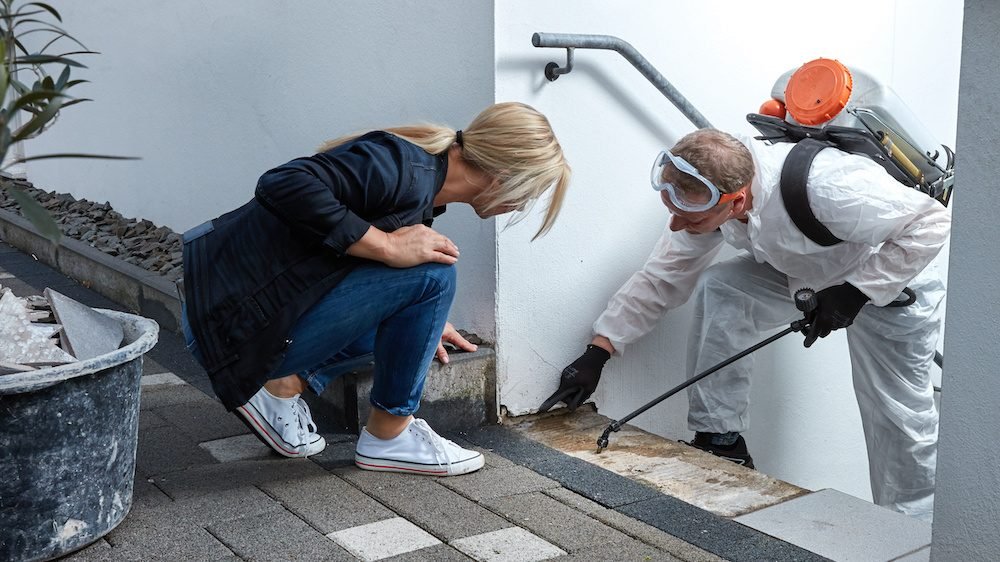
If silverfish or booklice persist despite reducing moisture, or if they are damaging a valuable library, archive, or a business storing paper and documents, a pest control professional can treat harbourage areas and cracks with residual products while you address the humidity. For serious or recurring cases, combining professional treatment with dehumidification gives the most reliable result. Remember, the treatment holds only if the underlying dampness is controlled.
Frequently Asked Questions
What causes silverfish in the house?
Silverfish are caused by excess moisture and humidity. They thrive in damp bathrooms, under sinks, and among stored paper and books, feeding on starch and the mould that grows in humid conditions. Reducing humidity is the key to getting rid of them.
Are silverfish harmful?
Silverfish do not bite or spread disease, but they damage books, paper, documents, wallpaper, and natural fabrics, and their presence signals a moisture problem. They are more of a nuisance and property-damage pest than a health threat.
How do I get rid of silverfish permanently?
Fix the underlying dampness — repair leaks, improve ventilation, and use dehumidifiers or moisture absorbers. Declutter stored paper, store books dry with silica gel, and use deterrents in cracks. Without controlling humidity, silverfish keep returning.
What smell do silverfish hate?
Silverfish dislike cedar, cloves, and citrus scents, which can act as mild repellents in bookshelves and wardrobes. However, keeping the area dry is far more effective than any smell, since they cannot survive without humidity.