Bed bugs are one of the hardest household pests to deal with, and one of the most misunderstood. They do not spread disease, but the itching, sleepless nights, and anxiety they cause are very real. If you have woken up with rows of small red bites or found tiny blood spots on your bedsheet, this guide will help you identify, treat, and prevent a bed bug problem in an Indian home.
How to know it is really bed bugs
Bed bug bites are often confused with mosquito bites, but there are clear differences. Look for these signs:
- Bites in a line or cluster, usually on arms, shoulders, neck, or legs exposed during sleep.
- Small rust-coloured or black dots on the mattress seams, bed frame joints, and headboard — these are droppings.
- Tiny pale-yellow shed skins or white eggs in the mattress folds.
- A faint sweet, musty smell in heavy infestations.
Use a torch and check the mattress piping, the seams, the box spring, and the cracks in a wooden bed frame. Bed bugs hide within a few feet of where you sleep.
How bed bug bites differ from mosquito bites
Because both cause itchy red bumps, people often treat a bed bug problem as "just mosquitoes" and lose weeks. Here is how to tell them apart. Mosquito bites appear randomly on any exposed skin, itch immediately, and are usually isolated. Bed bug bites tend to appear overnight in a straight line or a small cluster of three or four, often called "breakfast, lunch, and dinner," on skin that touched the mattress. Bed bug bites may take a day or two to become itchy. If you notice bites appearing every morning in the same pattern and only after sleeping in one particular bed, bed bugs are the likely cause.
Where bed bugs come from
One of the most stressful parts of a bed bug problem is the feeling that you did something wrong. You did not. Bed bugs are expert hitchhikers that travel on luggage after a hotel stay, on second-hand mattresses and furniture, inside used electronics and cartons, and even between flats through wall and floor cracks. They have nothing to do with cleanliness — a five-star hotel and a modest home are equally vulnerable. Understanding this helps you focus on the real prevention: careful inspection of anything that enters your home.
Why bed bugs are so hard to remove
A single female lays 200 to 250 eggs in her life, and the eggs are glued into cracks where sprays cannot reach. Bed bugs can also survive months without feeding, so simply leaving a room empty does not starve them out quickly. This is why one-time DIY spraying almost always fails — it misses the eggs, which hatch a week later.
Heat: the bed bug weakness
Bed bugs and their eggs die at sustained high temperatures. You can use this at home:
- Wash all bedding, curtains, and washable covers in the hottest water the fabric allows.
- Dry them on high heat for at least 30 minutes — the dryer heat is what kills eggs.
- Steam the mattress seams, bed frame joints, and skirting with a garment or floor steamer.
- Seal items you cannot wash in a bag and leave them in direct sun for a few hot days.
Physical control that helps
Encase your mattress and pillows in bed bug-proof zip covers. This traps any bugs inside and stops new ones from colonising the mattress. Pull the bed away from the wall, and keep bedsheets from touching the floor, so the bed becomes an island the bugs must cross open ground to reach.
When to call professionals
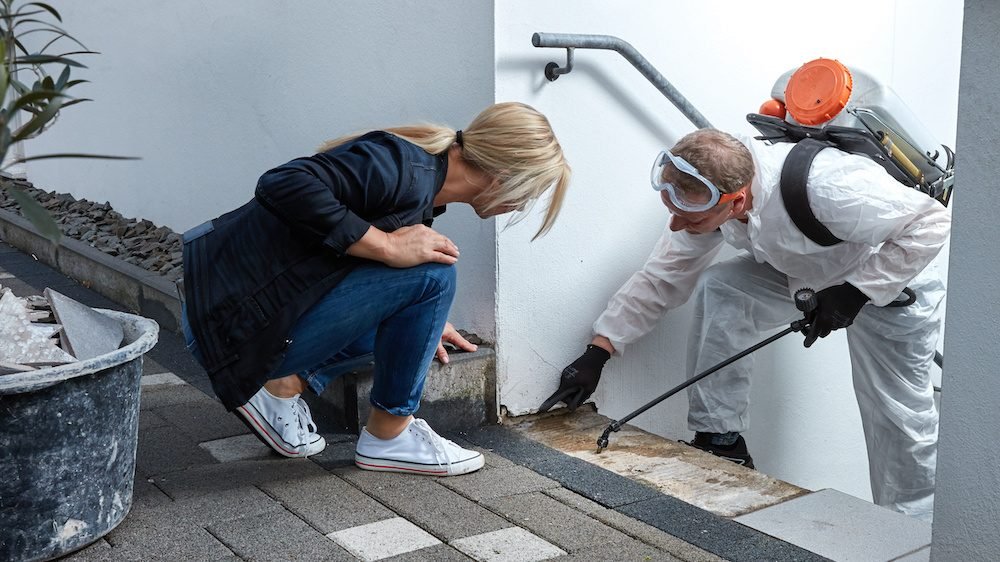
Realistically, a moderate or large bed bug infestation needs professional treatment. Trained technicians combine residual insecticides applied into cracks with growth regulators and sometimes heat treatment, and they schedule a mandatory follow-up visit two to three weeks later to catch newly hatched bugs. Skipping that second visit is the number one reason home treatments fail.
With bed bugs, the follow-up visit is not optional. The eggs that survive the first treatment hatch about a week later — the second treatment is what finishes the job.
What to do before a professional treatment
If you book a professional bed bug treatment, a little preparation makes it far more effective:
- Wash and hot-dry all bedding, curtains, and clothing from the affected room and seal it in bags until treatment is done.
- Declutter the room so the technician can reach every crack; do not move items to another room, as this spreads the bugs.
- Pull furniture slightly away from walls so all surfaces can be treated.
- Do not apply your own spray beforehand — it scatters the bugs and makes professional treatment harder.
The emotional side of bed bugs
It is worth saying plainly: bed bugs take a toll on sleep and mental peace. Many people feel embarrassed, anxious, and exhausted from broken sleep. This is normal and temporary. Bed bugs are completely beatable with the right method and a follow-up visit. Do not suffer in silence for months trying weak home remedies — an early professional treatment ends the problem faster and cheaper than a long DIY struggle.
How to stop them coming back
- Inspect second-hand furniture and mattresses very carefully before bringing them home.
- When travelling, keep your luggage off hotel beds and check the mattress seams.
- Reduce clutter near the bed so there are fewer hiding places.
- Repair peeling wallpaper and cracks in the bed frame where eggs are laid.
Frequently Asked Questions
Can I get rid of bed bugs myself?
You can reduce a very early, small infestation with hot washing, drying on high heat, steaming, and mattress encasements. But moderate to large infestations almost always need professional treatment with a follow-up visit, because DIY methods miss the hidden eggs.
Do bed bugs spread disease?
No, bed bugs are not known to transmit disease to humans. The main problems are itching, allergic reactions in some people, loss of sleep, and stress.
How did I get bed bugs if my house is clean?
Bed bugs are hitchhikers. They travel on luggage, second-hand furniture, mattresses, and clothing, and move between flats through wall cracks. Cleanliness does not prevent them — vigilance does.
Why do I still see bed bugs after treatment?
Eggs are resistant to many sprays and hatch about a week after treatment. That is why a second visit two to three weeks later is essential. If you skip it, the new generation rebuilds the infestation.
Can bed bugs live in my clothes and travel with me?
Bed bugs prefer to hide near where you sleep, not on your body or clothes you are wearing. But they can hide in luggage, stored clothing, and bags, which is how they travel between homes and hotels. Inspect and hot-dry clothing from an affected room, and keep luggage off beds when travelling.
How much does professional bed bug treatment cost?
Cost depends on the number of rooms, severity, and whether heat treatment is used, and it usually includes a mandatory follow-up visit. Because a proper job requires two visits, be cautious of very cheap one-visit offers that leave the eggs to hatch. Ask exactly what is included and how many visits you get.