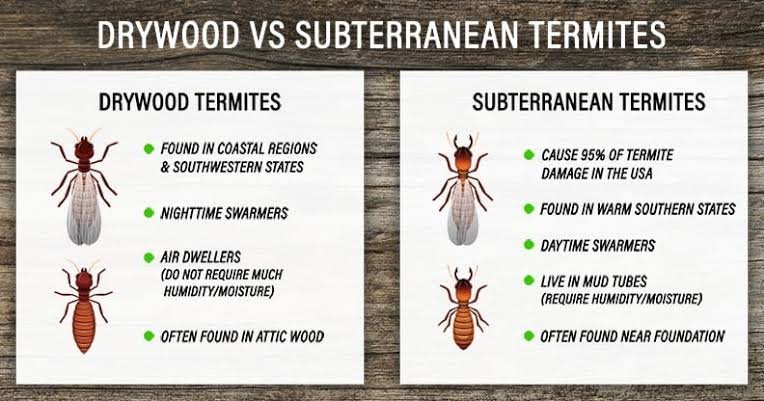
Not all termites are the same, and treating the wrong type is a waste of money. The two groups that damage Indian homes — subterranean and drywood termites — live differently, show different signs, and need different treatments. Learning to tell them apart helps you describe the problem accurately and avoid paying for the wrong solution. This guide explains the differences in plain language.
Subterranean termites: the soil dwellers
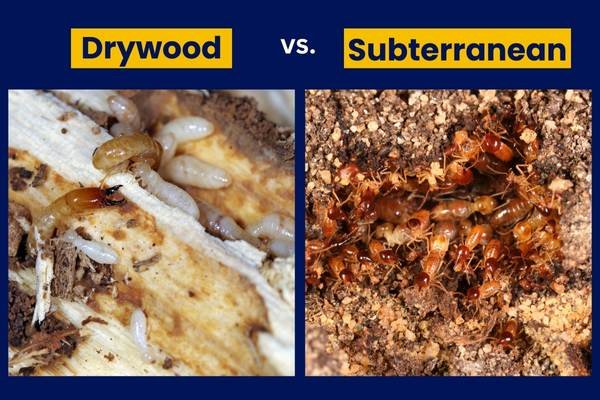
Subterranean termites are by far the most common and destructive type in India. They live in large colonies in the soil and travel up into buildings to feed on wood. Their signature sign is the mud tube — a thin brown tunnel of soil and saliva they build across walls, foundations, and pipes to travel safely between the ground and their food. If you see mud tubes running up a wall or across the plinth, you almost certainly have subterranean termites.
Drywood termites: the wood dwellers
Drywood termites do not need contact with soil. They live entirely inside dry wood — door frames, wooden furniture, roof timbers, and window frames — and get the moisture they need from the wood itself. Instead of mud tubes, their telltale sign is small piles of tiny, gritty pellets (their droppings, called frass) beneath infested wood, and small "kick-out" holes in the surface. If you find neat little heaps of what looks like fine sawdust or coffee grounds under a wooden item, suspect drywood termites.
How to tell which one you have
You do not need to be an expert — just look for the key sign of each:
- Mud tubes on walls, foundations, or pipes → subterranean termites.
- Piles of small gritty pellets and pin-sized holes in wood → drywood termites.
- Hollow-sounding wood and discarded wings near windows → could be either; look for the other signs to confirm.
- Damage concentrated near the ground and moisture → leans subterranean; damage high up in dry timber → leans drywood.
Find the sign, not just the insect. Mud tubes mean soil termites; little pellet piles mean wood termites — and each needs a different treatment.
Why the treatment differs
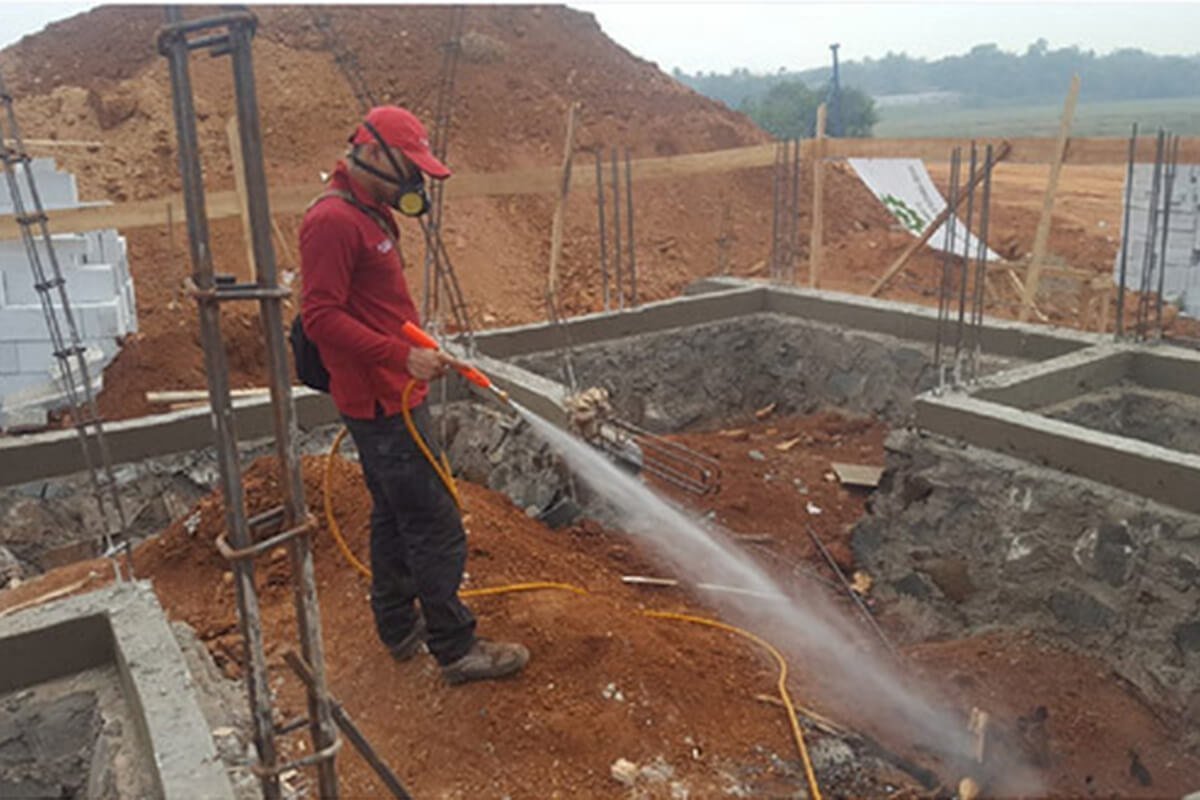
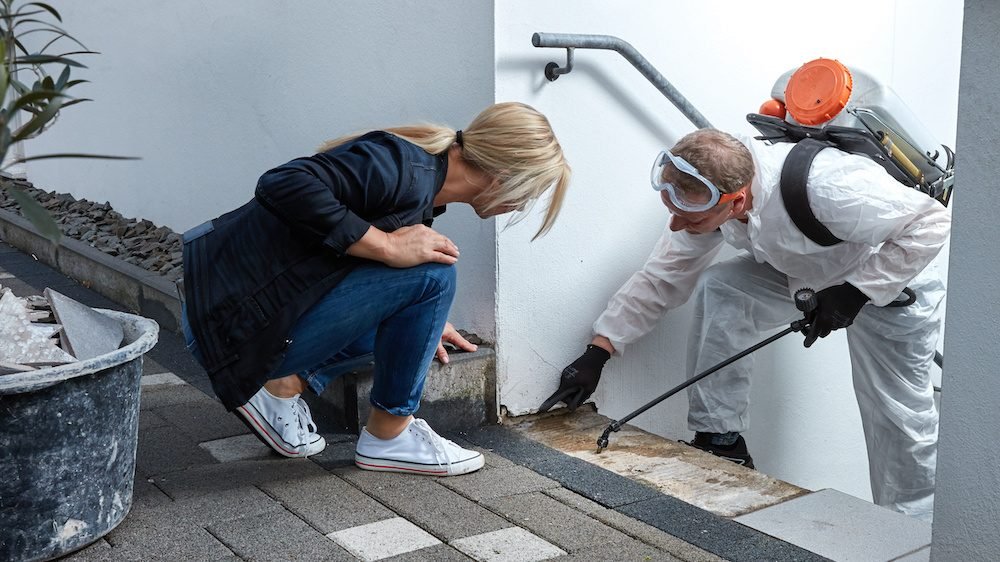
Because subterranean termites come from the soil, the treatment focuses on creating a chemical barrier in the ground and along the wall-floor junction so they cannot reach the building. Drywood termites, living inside the wood, are dealt with differently — through injection into the infested wood, spot treatment, or in severe cases fumigation of the item or structure. This is exactly why identification matters: soil-barrier treatment does little for drywood termites sealed inside a beam, and wood injection does nothing for a soil colony feeding from below.
When you are not sure
Sometimes the signs are unclear, or you have both types. This is where a professional inspection earns its cost. A trained technician can identify the species, find the extent of the damage, and recommend the right treatment rather than guessing. Trying to save money by treating blindly usually means paying twice — once for the wrong treatment and again for the right one after the termites keep spreading.
Preventing both types
The good news is that many prevention steps help against both. Fix leaks and reduce dampness that attracts subterranean termites; keep wooden furniture away from damp walls; store firewood and cardboard away from the house; and seal cracks in walls and around pipes. For drywood termites specifically, inspect and treat wooden furniture before bringing it into the house, since infested second-hand furniture is a common way they arrive.
Winged termites: the sign people misread most
One termite sign confuses homeowners more than any other: the sudden appearance of swarms of winged insects, especially on humid evenings after rain. These are termite alates — reproductive termites leaving an established colony to start new ones. People often mistake them for flying ants and either ignore them or spray them and move on. That is a costly mistake, because a swarm indoors is one of the strongest signs of a mature termite colony in or very near your home. If you find discarded wings on windowsills, near lights, or on the floor, do not dismiss it.
You can tell termite alates from flying ants with a quick look. Termites have a straight, thick waist, two pairs of wings of equal length, and straight antennae; flying ants have a pinched waist, front wings longer than the back, and bent antennae. Whichever type of termite you have, a swarm is a call to action rather than a nuisance to swat. Note where you saw them, keep a few in a container if you can, and call for a professional inspection — identifying the species and the colony's location early is what makes treatment both effective and affordable.
Frequently Asked Questions
What is the main difference between subterranean and drywood termites?
Subterranean termites live in the soil and travel into buildings through mud tubes, while drywood termites live entirely inside dry wood and leave small piles of gritty pellets. The living location is the key difference and it changes how each is treated.
How can I tell which type of termite I have?
Look for the signs: mud tubes on walls and foundations point to subterranean termites, while piles of tiny pellets and pin-sized holes in wood point to drywood termites. If you are unsure, a professional inspection can identify the species.
Do subterranean and drywood termites need different treatments?
Yes. Subterranean termites are treated with a soil and junction chemical barrier, while drywood termites are treated by injecting the infested wood, spot treatment, or fumigation. Using the wrong method wastes money and lets the termites keep spreading.
Which type is more common in India?
Subterranean termites are far more common and cause most of the structural damage in Indian homes. Drywood termites are less common but still important, especially in wooden furniture and roof timbers.
Can a home have both types of termites?
Yes, it is possible to have both, especially in older homes with plenty of wood and moisture. A professional inspection helps confirm which species are present so the right combination of treatments is used.
How do drywood termites get into furniture?
They often arrive inside infested second-hand or wooden furniture, or spread from existing infested timber in the house. Inspecting wooden items before bringing them indoors helps prevent introducing drywood termites.