Termite baiting treatment uses plastic stations set into the soil around an independent house. Termites find the wood inside, the technician swaps it for a bait that slowly stops them moulting, and workers carry it back until the colony dies out. For a typical independent house in India, a baiting programme usually costs ₹25,000 to ₹70,000 in the first year, including installation and regular monitoring visits. It is slower than drilling, but it involves no drilling inside the house and very little chemical in the soil.
This article explains how a bait system works in practice, what the visits look like, how long it takes, what it costs, and which houses it suits best.
How termite baiting treatment works
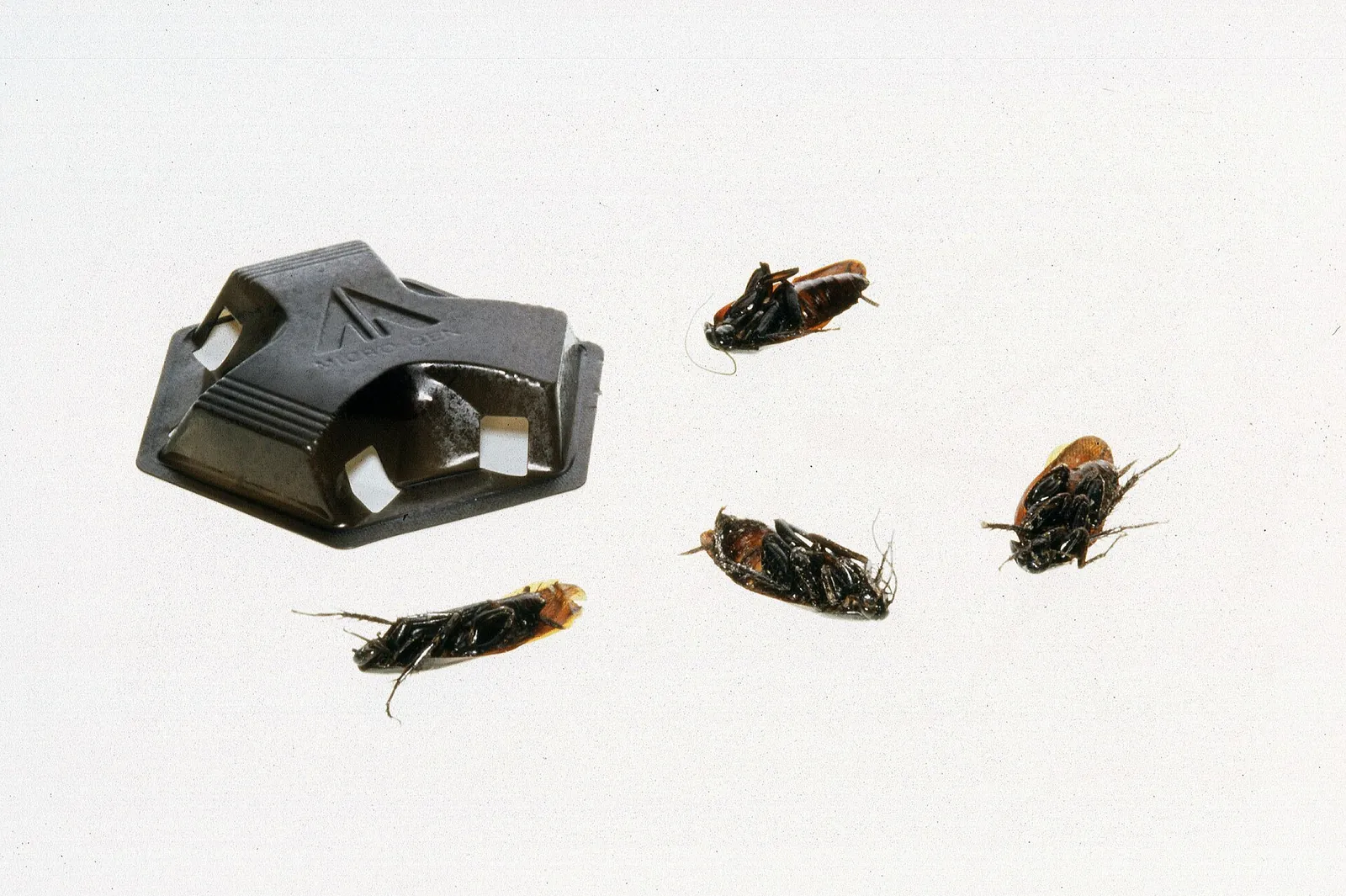
A bait station is a slotted plastic tube, roughly the size of a large torch, pushed into a hole in the soil so its top sits flush with the ground. Inside is a piece of untreated wood or a cellulose cartridge. Foraging termites underground are always searching for food, and when they hit the station they start feeding and leave a trail for nest mates.
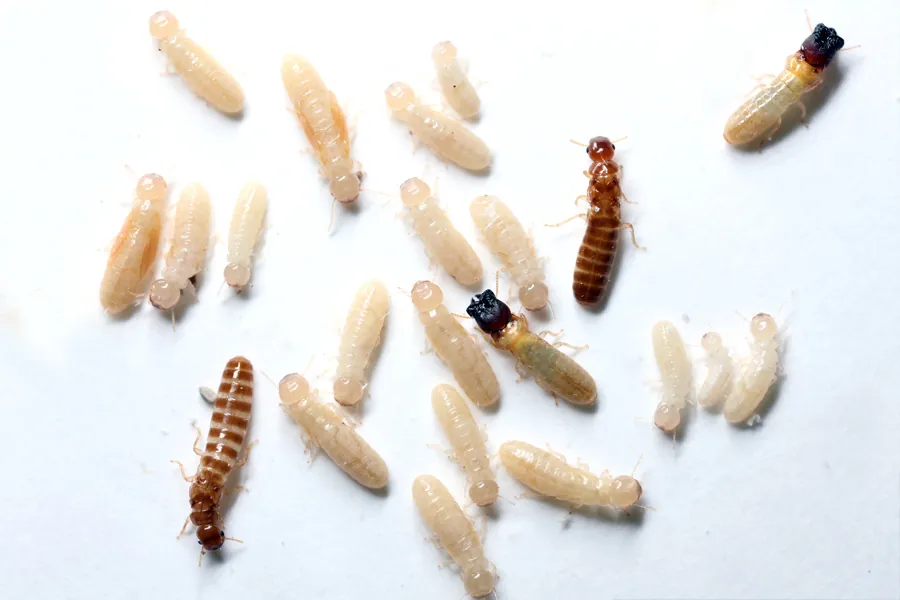
When the technician sees termites in a station, they replace the wood with a bait matrix containing a growth regulator, usually from the chitin synthesis inhibitor group, such as hexaflumuron or a similar active ingredient. Termites need to shed their outer skin to grow. The bait stops them doing it properly, so workers die at their next moult. Because the effect is slow, the workers keep feeding and sharing food long enough to spread the bait through the colony. Over weeks to months, the colony declines and collapses.
Where the stations go
- Around the outside of the house, usually every 3 to 5 metres, set back a short distance from the wall in soil.
- Closer together near known activity, such as a damaged door frame, a garden bed against the wall, or a tree stump.
- Near water sources, drains and downpipes, where soil stays moist.
- Above-ground stations can be fixed directly over an active mud tube indoors, so termites feed on the bait without disturbing their route.
- Areas with concrete or paving all around may need stations drilled through the paving with a sealed cap.
A house of 2,000 square feet on a plot with a garden might need 15 to 30 stations depending on the perimeter and conditions. The number is one of the biggest factors in the price.
The baiting timeline
| Stage | Typical timing | What happens |
|---|---|---|
| Installation | Day one | Stations installed around the house; above-ground stations placed on active tubes |
| Monitoring | Every 2 to 6 weeks at first | Technician opens each station and records activity |
| Baiting | Once termites are found | Wood swapped for bait in active stations |
| Colony decline | Often 2 to 6 months after baiting starts | Activity drops, tubes stop being rebuilt |
| Ongoing protection | Quarterly or as agreed | Stations monitored for new colonies; bait added if needed |
Termites do not always find stations quickly. In dry months they may forage deeper, and in some soils it can take a full monsoon before stations are hit. This is normal. Baiting rewards patience, and homeowners who expect quick results are often disappointed.
What a baiting programme costs
For a typical independent house, the first year usually costs ₹25,000 to ₹70,000, covering stations, bait and monitoring visits. The range is wide because it depends on the perimeter, the number of stations, how many above-ground stations are needed, and how often the company visits. Later years cost less because the stations are already in the ground, and many companies quote an annual monitoring fee. These are typical ranges, not quotes, and metros sit at the top.
Compare that with liquid drilling for an independent house, which typically runs ₹15,000 to ₹40,000 for the whole building. Baiting is usually more expensive, so choose it for a reason. Our comparison of chemical and baiting termite treatment sets the two side by side.
Which houses suit baiting best
Baiting makes most sense when liquid treatment is difficult or undesirable.
- Houses with a well or borewell close by, where you want to keep liquid termiticide out of the soil near the water.
- Homes with expensive flooring such as Italian marble or wooden floors, where drilling every 30 centimetres would cause damage.
- Heritage homes with lime plaster, old wooden structures or decorated floors.
- Families who want minimal chemical in and around the house because of a newborn, an elderly person with breathing problems or pets that dig.
- Homes with repeated reinfestation after liquid treatment, where killing the colony matters more than a barrier.
Baiting is less suited to flats, because you cannot install a ring of soil stations around a high-rise. Our guide to flat versus independent house pest control covers how needs differ between the two.
Living with stations in the garden
Once the stations are in, they need very little from you, but a few habits keep the system working. Mark their positions on a simple sketch and give a copy to your gardener, so nobody digs them out while planting or weeding. Do not pile firewood, coconut husk or garden waste on top of a station, and keep mulch a little away from the caps so the technician can open them quickly. Avoid pouring any insecticide or strong cleaning liquid near them, because that can drive termites away from the bait. If you plan to lay new paving, extend the house or put up a shed, tell the company first so stations can be moved rather than buried. Keep the visit records together, since they show exactly which side of the house was active and when.
Questions to ask before signing
- How many stations will be installed, and where? Ask for a sketch.
- Which active ingredient is in the bait, and is it registered for termite use in India?
- How often will the technician visit in the first six months, and after that?
- Will I get a written record of each station's activity at each visit?
- What is the annual cost after the first year?
- What happens if a station is damaged by gardening, pets or construction?
- Will above-ground stations be used on active indoor tubes?
If the answers are vague, or the company cannot show you a record from an earlier client, look elsewhere. Baiting depends entirely on regular, careful monitoring.
The honest limits of baiting
Baiting does not create an instant barrier. If termites are actively eating a door frame today, they may continue for weeks before the bait takes effect, which is why above-ground stations on the active tubes matter. It also needs you to leave stations alone. Gardeners pulling them out, dogs digging them up or new paving laid over them will break the system. And if monitoring visits are skipped, stations can sit empty of bait while termites feed elsewhere. For a building under construction, soil treatment is still the standard approach, as our article on pre- and post-construction treatment explains.