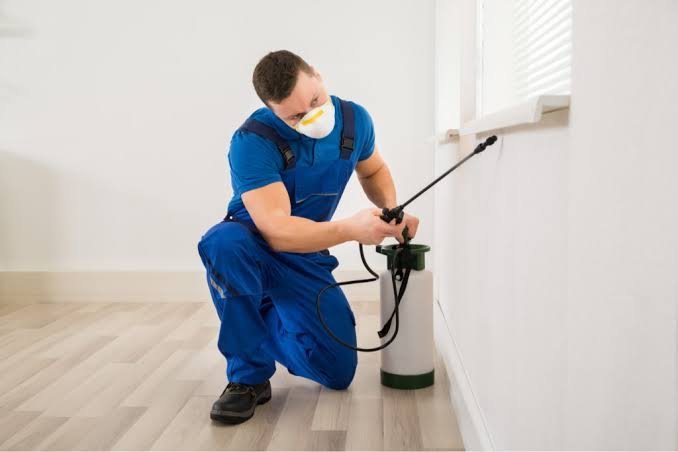
A pest control company treating a 2BHK on the eleventh floor and a 2,000-square-foot bungalow in the same city is doing two quite different jobs. The pests overlap, but where they come from, how they spread and what actually controls them depend heavily on the type of building. This matters when you compare quotes, choose a contract or wonder why a treatment that worked for a friend did not work for you.
This article compares pest control for flats and independent houses across pest types, methods, costs and the decisions that only one of them faces.
The core difference: shared versus separate
A flat shares walls, floors, drainage stacks, electrical shafts and garbage areas with dozens of other homes. Pests move between them freely. Your treatment can be excellent and still be undone by the flat next door, the restaurant on the ground floor or an untreated basement. The main challenge in an apartment is controlling what comes in from shared spaces.
An independent house controls its own boundaries but has far more boundary to control: soil around the foundation, a garden, a roof, compound walls, sometimes a well or sump. The main challenge in a house is the outside environment pressing in from every side.
Pest by pest
| Pest | Apartment | Independent house |
|---|---|---|
| Cockroaches | Main risk from shared drains and shafts; German cockroaches spread between kitchens | Mostly from outside drains and the septic or sewer line; easier to isolate |
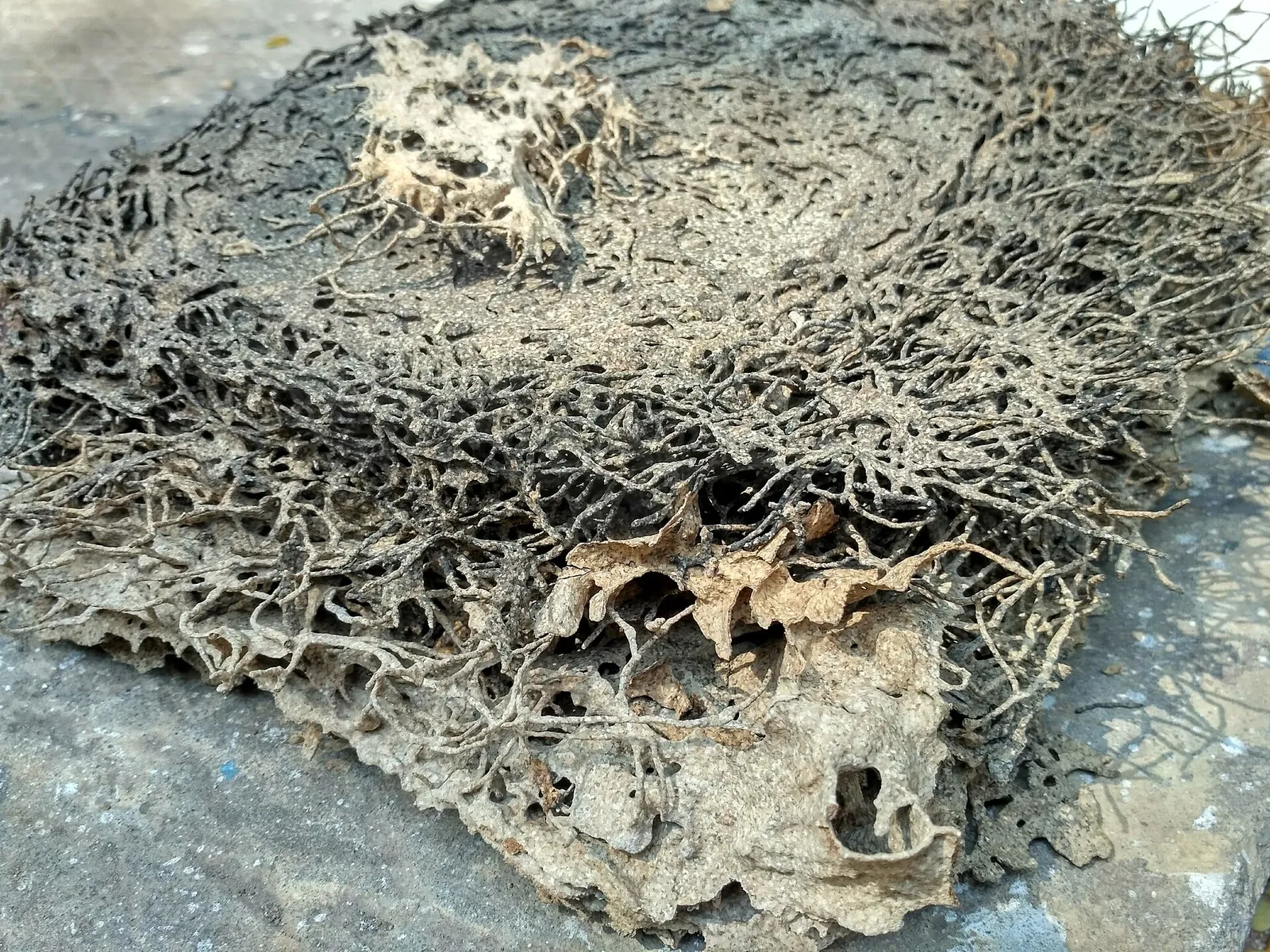
| Termites | Usually enter through the building slab and shared walls; ground and lower floors most at risk | Enter from soil on all sides; whole perimeter at risk |
| Rodents | Climb shafts and ducts; false ceilings and kitchen lofts | Enter from garden, drains, roof and compound; bandicoots burrow nearby |
| Mosquitoes | Breed on balconies, in society tanks and nearby sites | Breed in garden, sump, terrace, pots and gutters |
| Snakes and scorpions | Rare above the ground floor | Possible in homes near open land, especially in monsoon |
| Bed bugs | Can spread between flats through walls and corridors | Mostly introduced by travel or furniture |
Methods that work better in apartments
In a flat, the most effective cockroach control combines gel bait inside the kitchen with sealing every route into the shaft. Floor traps, pipe gaps and the gap behind the kitchen platform are the priority. For termites, post-construction drilling along walls is effective, but the source may lie in common areas or other flats, so a building-level inspection is sometimes needed.
The single biggest improvement in apartment pest control is coordination. When the society treats common areas, drains and garbage rooms on a fixed schedule and encourages all flats to be treated in the same week, pests have nowhere to retreat. Individual flat treatment without that support works, but results are shorter.
- Ask your society whether common areas are on an annual pest management contract and how often drains and chambers are treated.
- Coordinate with immediate neighbours, especially above and below, when treating for German cockroaches or bed bugs.
- Report shaft openings or broken duct covers to the society maintenance team.
Methods that work better in houses
For an independent house, the perimeter is the priority. A termite barrier around the full foundation, a clear strip free of plants and debris next to the walls, proper drainage away from the plinth, and rodent proofing of the roof and boundary all matter more than anything inside. Outdoor bait stations for rodents along the compound wall and termite monitoring or baiting stations in the soil are commonly used.
Gardens need separate thought. Overwatered beds next to walls raise soil moisture and attract termites and centipedes. Thick creepers on walls give rats and lizards a ladder to the roof. Ornamental ponds, sumps and water features need regular checks for mosquito larvae.
Cost comparison in 2026
| Service | Typical 2BHK flat | Typical independent house (1,500 to 2,500 sq ft) |
|---|---|---|
| General cockroach and ant treatment | ₹1,200 to ₹2,500 | ₹2,500 to ₹5,000 |
| Post-construction termite treatment | ₹6,000 to ₹15,000 | ₹15,000 to ₹40,000 |
| Bed bug treatment (two visits) | ₹2,500 to ₹5,000 | ₹4,000 to ₹8,000 |
| Rodent control | ₹1,500 to ₹3,000 | ₹3,000 to ₹7,000 with outdoor stations |
| Annual maintenance contract (3 to 4 visits) | ₹3,500 to ₹7,000 | ₹7,000 to ₹18,000 |
Houses cost more because there is more area, more perimeter and more outdoor work. Flats can cost less per visit but may need more frequent treatment if the building's common areas are poorly maintained.
Decisions only flat owners face
Flat owners must decide how much to rely on the society. A well-managed building with regular common-area treatment can keep flats nearly pest-free with one or two visits a year. A poorly managed one may need quarterly treatment even for a very clean flat. If repeated treatment is not helping, raise it with the committee and ask for the drains, chambers and garbage area to be treated. Many pest issues in flats are really building issues.
Decisions only house owners face
House owners decide on landscaping, drainage and construction work that directly affect pests. Planting, paving, adding rooms or digging for pipes can break an existing termite barrier, so plan a termite check after any construction work. Houses near farmland, forest edges or water bodies need snake and scorpion precautions in the monsoon, such as door sweeps, clear perimeters and caution when moving stacked materials.
Floor level changes everything
Inside an apartment building, the floor you live on shifts the risks more than most people expect. Ground-floor and first-floor flats see the most termites, rodents and sewer cockroaches because they sit closest to the soil and the main drain. Middle floors are mostly affected by German cockroaches and bed bugs spreading between neighbouring kitchens and bedrooms. Top-floor flats deal with pigeons, monkeys in some cities, seepage from the terrace and the mosquitoes that breed in water tanks and blocked terrace outlets. When comparing quotes or contracts, tell the company which floor you are on and ask how their plan reflects it.
Rented flats and houses
Tenants face a further question: who pays? In most Indian rental arrangements, routine general pest control is the tenant's cost, while structural issues such as termite damage, seepage that attracts pests and broken drainage are usually the owner's responsibility. Put this in the rental agreement before moving in, and photograph any existing termite damage so you are not blamed for it later.
Which is easier to keep pest-free?
Neither is automatically easier. A top-floor flat in a well-run society is often the easiest home to keep pest-free. A ground-floor flat in an old building near a market can be the hardest. Independent houses give you full control but require more ongoing effort outside. The building's condition and management matter more than the type of home.