Anti-termite treatment is easier when it is planned before construction. It is still possible after construction, but the method, access, cost, and disturbance are different. If you are building a new home, office, shop, warehouse, or villa, pre-construction treatment is usually the better foundation step. If the property is already built or termites are active, post-construction treatment becomes necessary.
What pre-construction treatment means
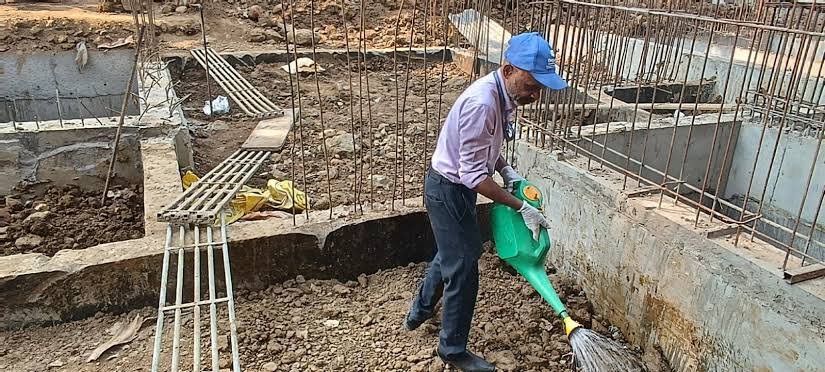
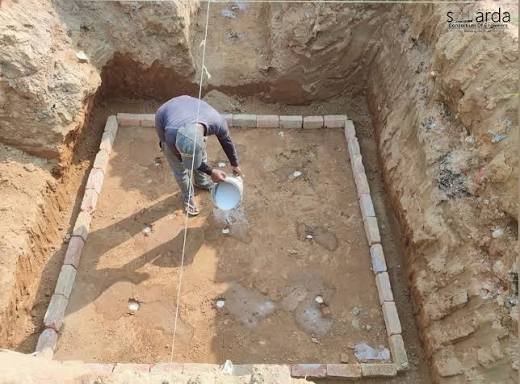
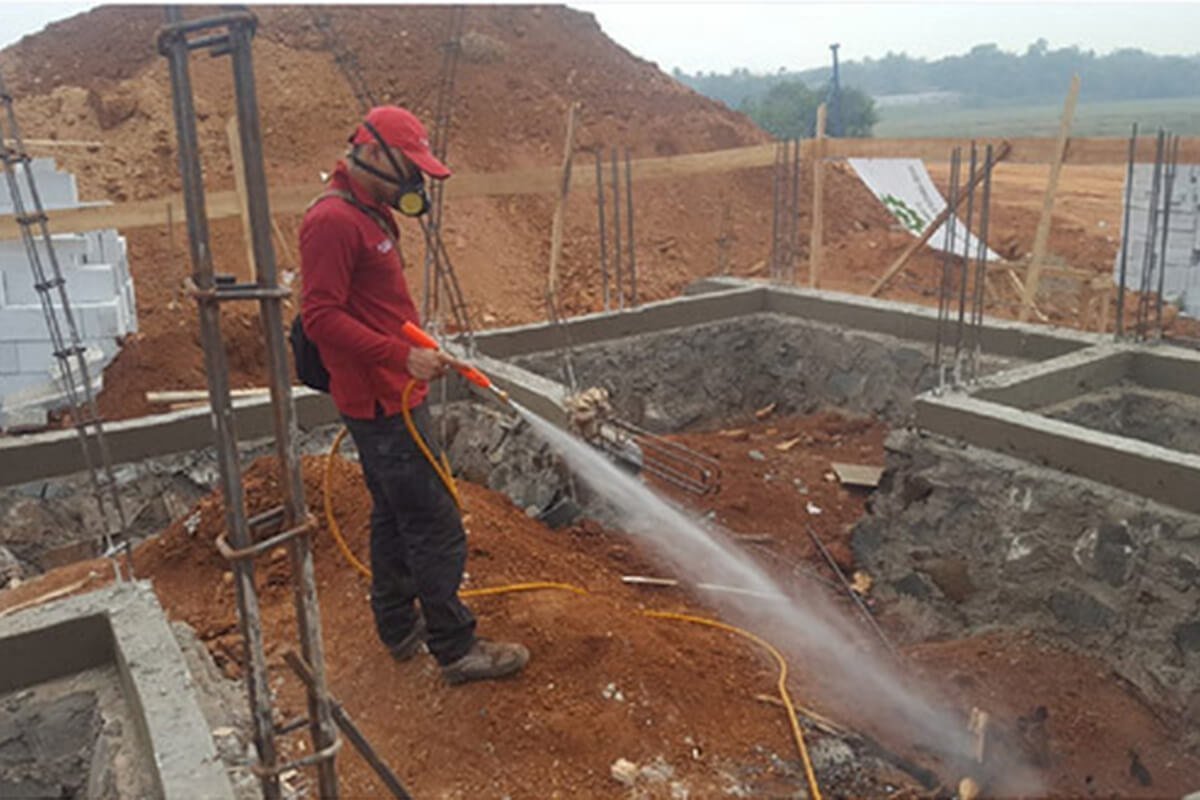
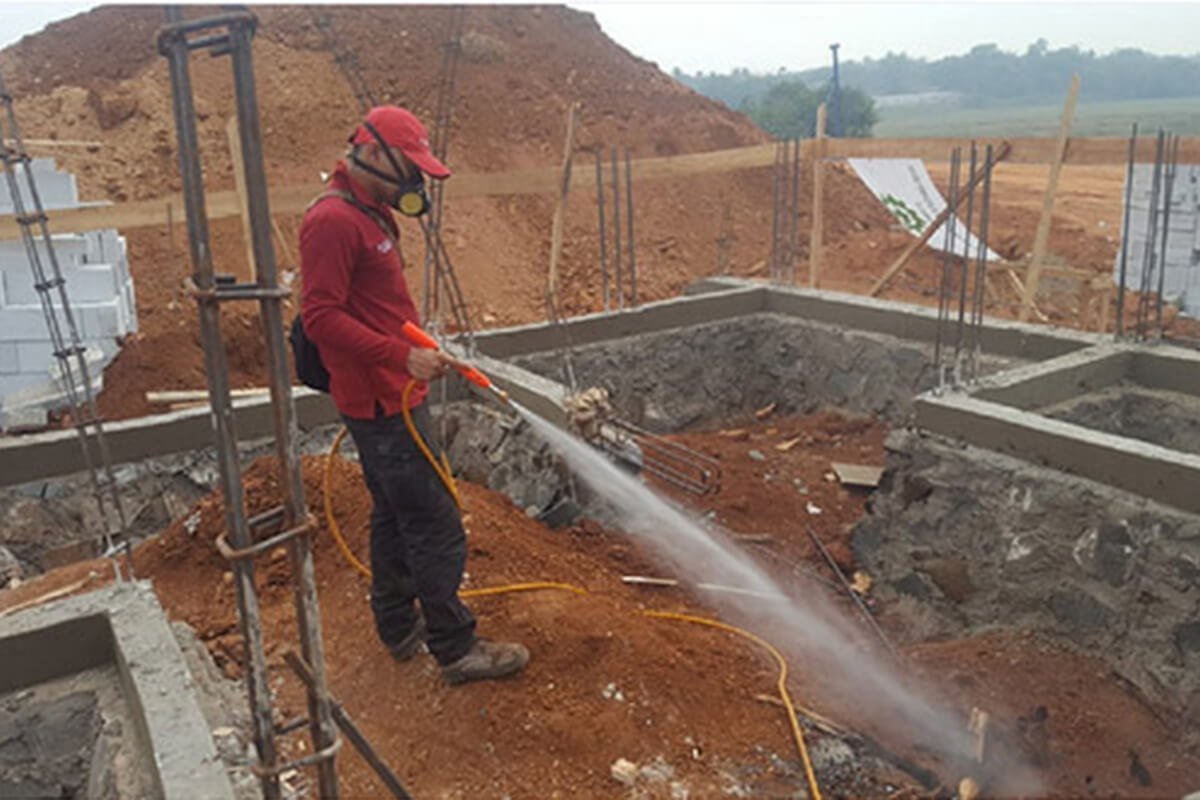
Pre-construction anti-termite treatment is done before flooring and final finishing. The soil below and around the structure is treated in stages so termites have a chemical barrier before they reach the building. It can include treatment of foundation trenches, plinth filling, wall-floor junctions, and external perimeter areas, depending on site stage and specification.
Why pre-construction is better
- Access to soil and foundation areas is easier.
- Coverage can be more uniform before tiles and flooring are installed.
- It reduces the chance of hidden termite entry after possession.
- It is usually less disruptive than drilling finished floors later.
- Builders can document the treatment as part of project quality.
What post-construction treatment means
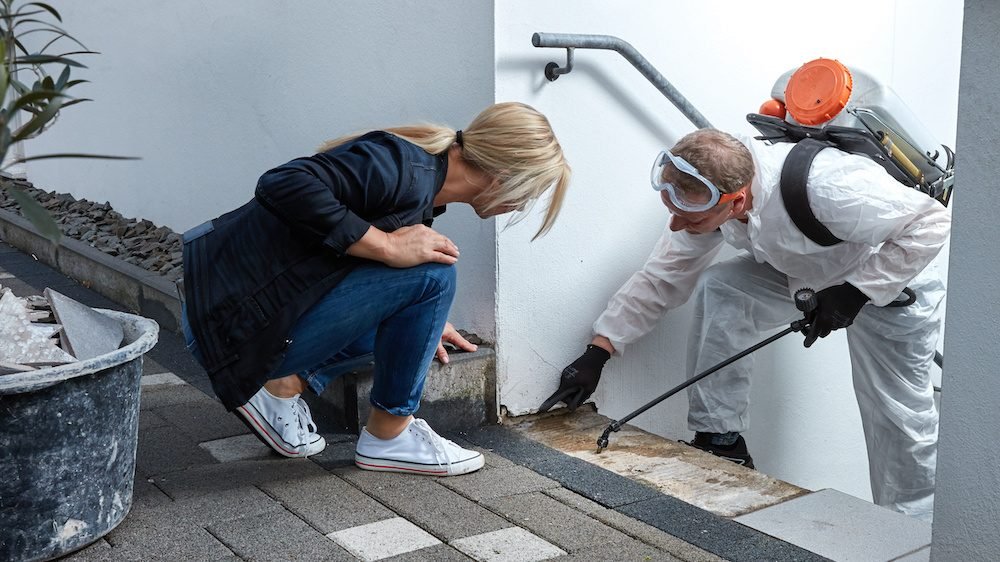
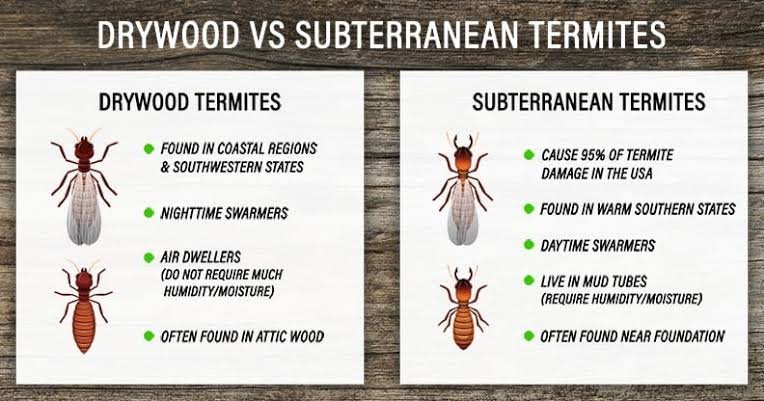
Post-construction treatment is done after the property is built, usually when termites are seen or when preventive protection is needed. It may involve drilling small holes along wall-floor junctions, injecting termiticide, treating wooden fixtures, and sealing drilled points. In active cases, technicians also trace mud tubes, damp areas, and hidden routes.
Which should you choose?
If construction has not started or flooring is not finished, choose pre-construction treatment. If you already live in the property, choose post-construction inspection and treatment. For best protection, new properties can still be inspected yearly because plumbing leakage, cracks, garden soil contact, and later renovation can create fresh entry points.
Important questions to ask
Ask the service provider about chemical type, dilution, treated area, warranty, drilling points, safety instructions, and what is excluded. Termite work should be documented clearly because future claims depend on service scope and follow-up conditions.