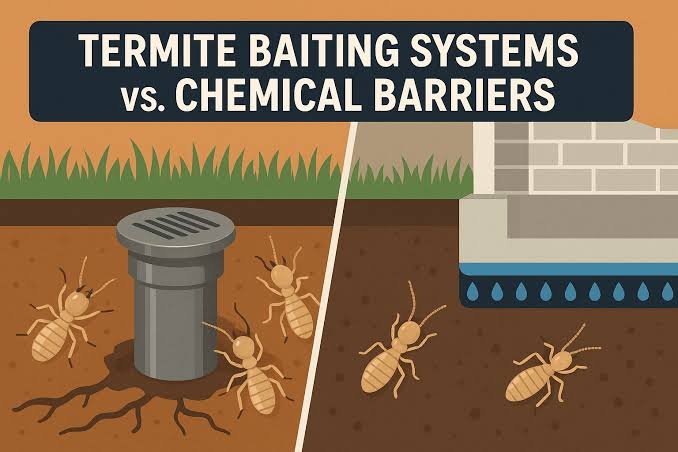
When you research termite treatment, you will run into two broad approaches: the traditional chemical soil barrier and the newer baiting system. Operators tend to champion whichever one they sell, which leaves homeowners confused. The truth is that both work well when done properly, and the right choice depends on your situation. This guide explains how each works and when one is better than the other.
How chemical barrier treatment works
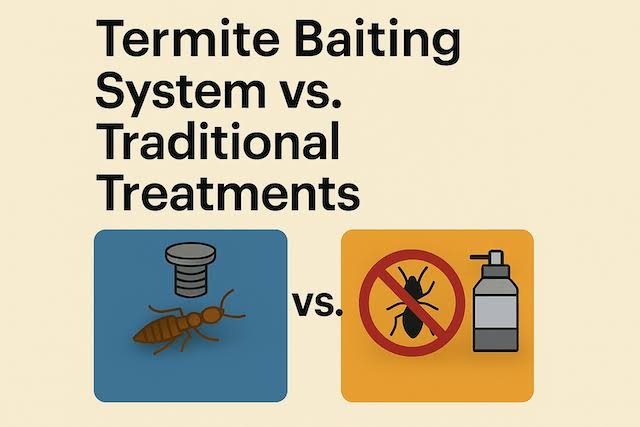
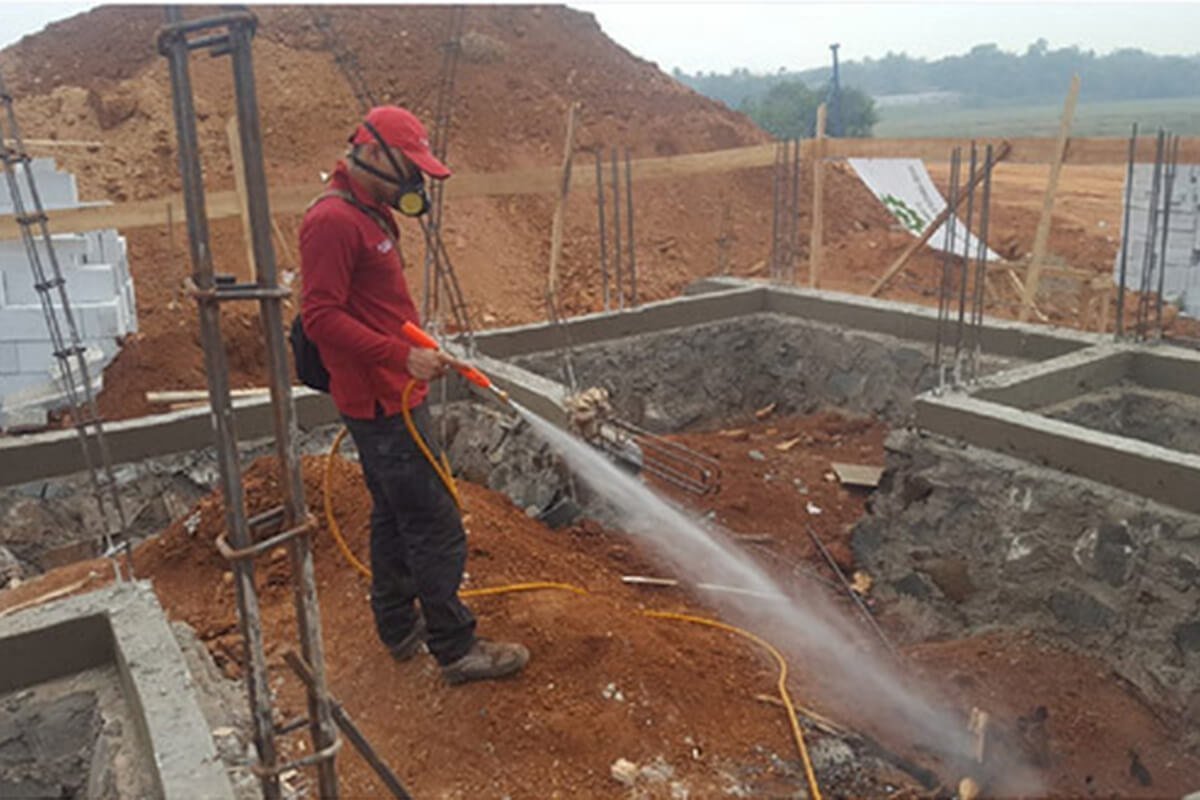
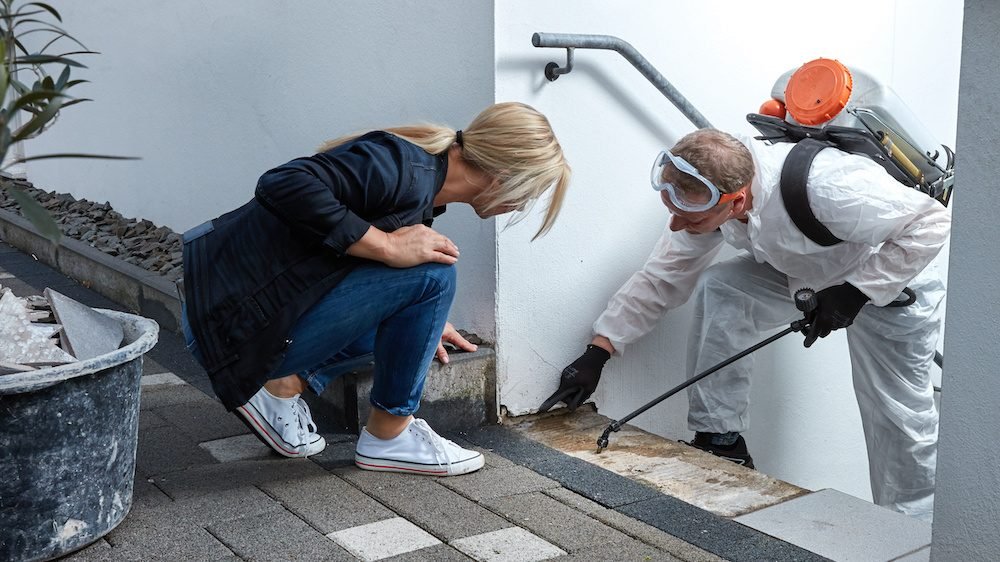
The chemical (or "liquid") method creates a treated zone of soil around and under your home that termites cannot cross. For an existing house, the technician drills holes along the wall-floor junction and affected areas, then injects termiticide under pressure to form a continuous barrier. Termites trying to reach the building from the soil either die or are repelled. This is the most widely used method in India, it acts quickly, and a good branded chemical keeps the barrier effective for years.
How baiting systems work
Baiting takes a slower, more strategic approach. Instead of a barrier, bait stations containing a slow-acting substance are placed in the soil around the property. Foraging termites find the bait, feed on it, and carry it back to the colony, where it spreads and gradually destroys the entire colony — including the queen. Because it targets the colony itself rather than just blocking access, baiting can eliminate the source, but it works over weeks to months rather than instantly, and it requires the stations to be monitored and refilled.
Comparing the two honestly
Neither method is universally "better" — they trade off differently:
- Speed: chemical barrier acts fast; baiting works gradually over weeks or months.
- Coverage: chemical treatment protects the whole treated zone at once; baiting relies on termites finding the stations.
- Disruption: chemical treatment involves drilling into floors; baiting is less invasive to your interiors.
- Colony elimination: baiting can wipe out the source colony; a barrier mainly blocks access rather than destroying the colony.
- Monitoring: baiting needs ongoing station checks; a chemical barrier is more of a one-time job with periodic inspection.
A chemical barrier stops termites at the door. Baiting hunts the colony down. The best choice depends on how urgent the problem is and how invasive you are willing to be.
Which one should you choose?
If you have an active, spreading infestation and want it stopped quickly, the chemical barrier method is usually the right call — it acts fast and protects the whole treated area. If you prefer a less invasive approach, want to avoid drilling into new flooring, or are dealing with a persistent colony that keeps coming back, baiting can be very effective at eliminating the source over time. Many operators also use a combination: a barrier for immediate protection plus baiting to hunt down the colony.
What matters more than the method
Here is the part operators rarely say out loud: the skill and honesty of the operator matter more than the method itself. A chemical barrier done with proper drill spacing and correct dosage beats a baiting system installed carelessly, and vice versa. Rather than obsessing over which method is "best", choose a licensed, reputable operator, ask them to explain why they recommend a particular approach for your specific home, and insist on a written warranty either way.
Cost considerations
Baiting systems often cost more upfront and over time because of the stations and ongoing monitoring, while chemical barrier treatment is typically more economical for a straightforward job. However, comparing only the price misses the point — compare what each achieves for your situation. For a new home with finished flooring you do not want drilled, the lower disruption of baiting may be worth the extra cost; for an urgent infestation on a budget, a well-executed chemical barrier delivers fast, reliable value.
Matching the method to your specific situation
Rather than asking which method is best in the abstract, ask which fits your circumstances. If you have just discovered an active, spreading infestation and want it stopped now, the chemical barrier is usually the sensible first choice for its speed. If you are in a newly finished or premium home where drilling through imported flooring is genuinely unwelcome, baiting spares your interiors. If you have battled termites repeatedly and a barrier alone has not held, the colony-elimination power of baiting may finally solve the root problem. And if budget is tight and the job is straightforward, a properly executed barrier gives you reliable protection without the ongoing cost of stations.
It also helps to think about the long term, not just the immediate treatment. Baiting is inherently an ongoing programme — the stations must be monitored and maintained to keep working — which suits someone who wants continuous, low-disruption protection and is comfortable with a recurring arrangement. A chemical barrier is more of a strong one-time intervention backed by a warranty and periodic inspection. Neither is objectively superior; they simply suit different temperaments and homes. The best step is to have a licensed operator inspect your property and explain honestly why they recommend one approach — or a combination — for your particular home, then choose based on that reasoning rather than a general rule of thumb.
Frequently Asked Questions
What is the difference between chemical and baiting termite treatment?
A chemical barrier treats the soil with termiticide to create a zone termites cannot cross, acting quickly. Baiting places stations that termites feed on and carry back to destroy the colony over weeks to months. One blocks access; the other targets the colony source.
Which termite treatment method is better?
Neither is universally better — chemical barriers act fast and protect the whole treated area, while baiting is less invasive and can eliminate the source colony over time. The right choice depends on urgency, how much drilling you want to avoid, and your budget.
Is baiting more effective than a chemical barrier?
Baiting can eliminate the entire colony, including the queen, which a barrier does not do — but it works slowly and needs monitoring. For a fast-spreading infestation you want stopped quickly, a chemical barrier is often more practical.
Is baiting less invasive than chemical treatment?
Yes. Baiting stations are placed in the soil around the property without drilling into your floors, so it is less disruptive to finished interiors. Chemical barrier treatment usually requires drilling along wall-floor junctions.
Can both methods be used together?
Yes, many operators combine them — a chemical barrier for immediate protection plus baiting to hunt down and eliminate the source colony. This gives fast protection and long-term colony control together.
Which method is cheaper?
Chemical barrier treatment is usually more economical, while baiting often costs more upfront and over time because of the stations and monitoring. Compare what each achieves for your situation rather than only the price, and always get a written warranty.