You bought a syringe of cockroach gel, squeezed a few thick lines behind the stove, and two weeks later the roaches are still running across the counter at midnight. That is the most common gel story we hear, and the product is rarely the problem. To use cockroach gel correctly at home, you place many tiny dots, each about the size of a lentil or a pea, in the cracks where cockroaches hide, you keep every spray away from those dots, and you refresh them once they are eaten or dry. Done that way, a German cockroach problem in a kitchen usually drops sharply within two to three weeks.
This guide walks through what the gel actually does, where the dots go in a typical Indian kitchen, how many to use, and the mistakes that quietly ruin the result.
What cockroach gel is and how it kills
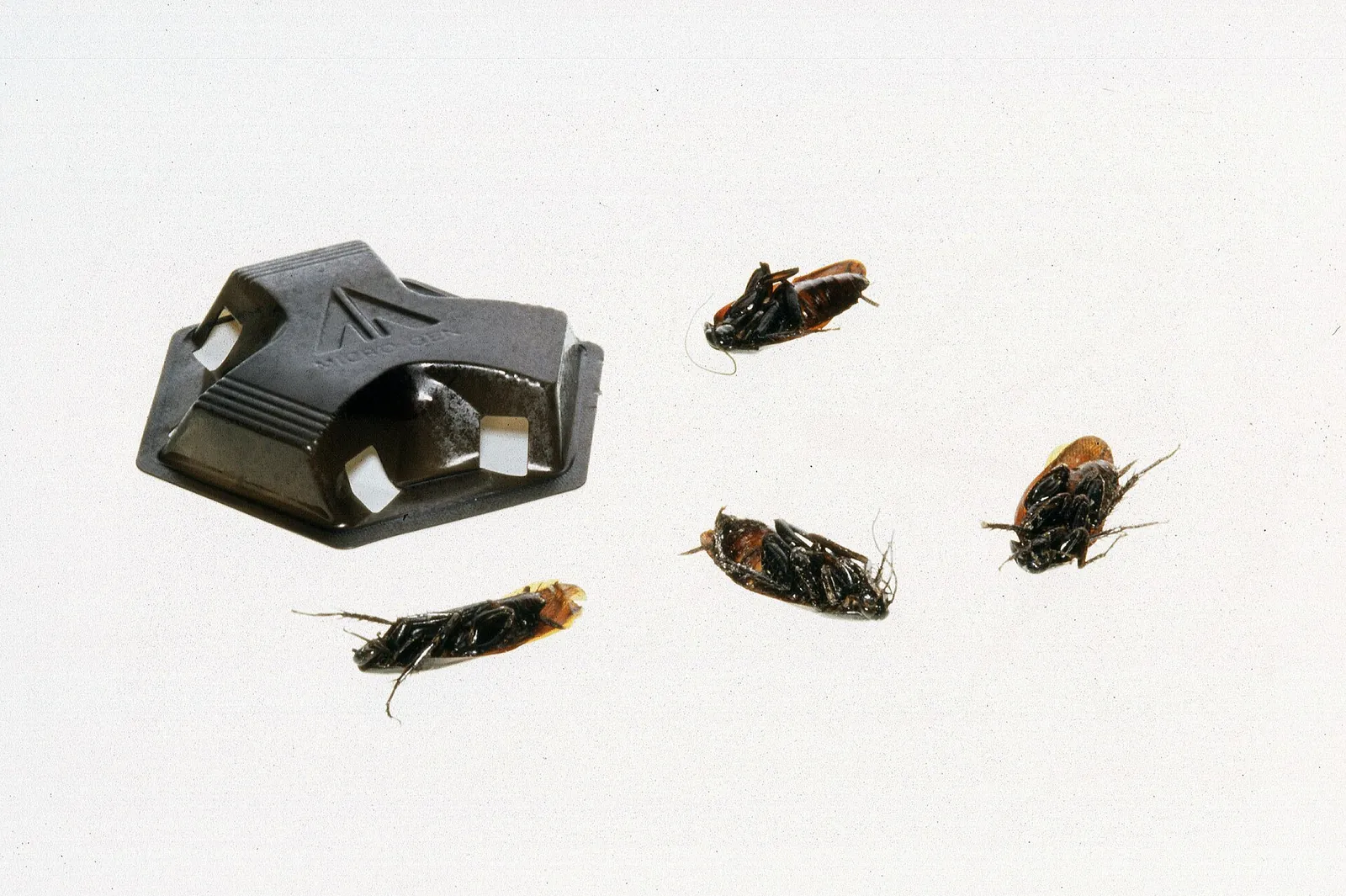
Gel bait is food. It is a paste of sugars, starches and fats that cockroaches find tastier than crumbs, mixed with a slow-acting insecticide. The common active ingredients in retail and professional gels in India are fipronil, imidacloprid and indoxacarb, at low concentrations printed on the pack. Slow is the point. A cockroach that eats the bait walks back to its hiding crack, dies there over the next day or two, and the others in that crack feed on its droppings and body. That secondary kill is how one dot can wipe out insects that never touched it.
It also explains why gel looks like it is not working on day one. You will see cockroaches walking near the dots, even eating them, and they will not drop dead in front of you. Give it seven to ten days before you judge.
Which cockroach the gel is really for
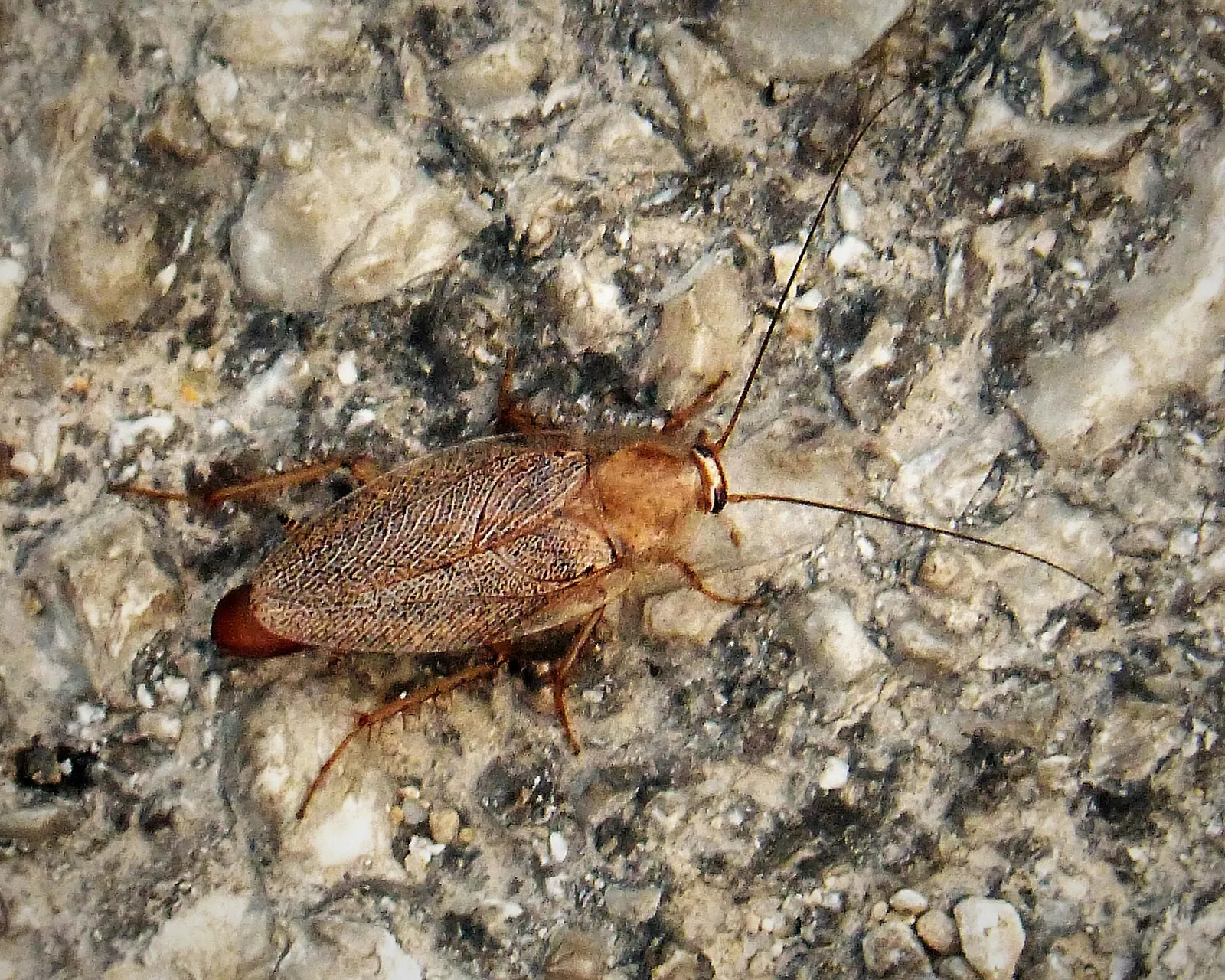
Gel works best on the German cockroach, the small light-brown one with two dark stripes behind its head, which lives inside kitchen cabinets, hinges, the motor area of the fridge and the gaps around the sink. It also helps against the large reddish American cockroach, but that species mostly lives in drains and sewer lines. For it, the gel is a support act. Sealing the floor trap and the gap around waste pipes matters more. Our longer guide on getting rid of cockroaches in an Indian home covers that drain side in detail.
Where to put cockroach gel in an Indian kitchen
Cockroaches rest in dark, tight cracks close to warmth, water and food. They do not sit in the open middle of a shelf, so a dot there is wasted. Think of edges, hinges and corners.
- The inside top corners of upper cabinets, where the cabinet meets the wall.
- Hinge points of every cabinet door, one small dot on the frame side.
- Under the kitchen platform lip, along the joint between granite and wall.
- Behind and below the gas stove, but not on the burner or hot pipe.
- Around the sink cabinet, especially where the waste pipe enters the wall.
- Near, but not inside, the fridge motor area at the back.
- Gaps around the chimney duct and electrical switch boards on the backsplash, placed on the wall next to the switch, never inside it.
Clean each spot with a dry cloth first. A greasy film or a fresh splash of floor cleaner makes the bait less attractive.
How much gel to use, and how often to replace it
Small and many beats big and few. A pea-size dot dries more slowly than a smear and gives several insects room to feed. For a light infestation in a 2BHK kitchen, that usually means 30 to 60 dots. A heavy infestation where you see cockroaches in daylight may need 80 or more on the first round.
| Situation | Dot size | Rough number in kitchen | Check again after |
|---|---|---|---|
| Occasional cockroach at night | Rice grain to lentil | 25-40 | 2 weeks |
| Several every night, babies visible | Pea size | 50-80 | 7-10 days |
| Seen in daytime, smell in cabinets | Pea size, closer together | 80-120 | 5-7 days |
| Bathroom drains only | Lentil size near trap edge | 6-10 per bathroom | 2 weeks |
Look at the dots on each check. If a dot is gone, it was eaten, so put a fresh one in the same place. If it has turned hard and dark, it has dried and stopped attracting, so scrape it off and replace it. Most gels stay attractive for somewhere between a few weeks and two months, depending on heat. Read your pack for its stated interval.
Five mistakes that make gel fail
- Spraying near the bait. Aerosol insecticides and even strong floor cleaners leave a repellent film. Cockroaches avoid the area and never reach the gel. If you have sprayed in the last few weeks, wipe the surfaces with plain water before baiting.
- One big blob. A thick line dries in days and feeds only a few insects. Many small dots last longer.
- Leaving food out. Open sugar tins, a sink full of dishes and crumbs under the toaster all compete with the bait. Clean up for the first two weeks especially.
- Baiting once and stopping. Eggs inside a cockroach egg case are protected from the gel. A German cockroach case can hatch weeks after the mother dies, so a second round matters.
- Switching products every week. Give one gel at least three weeks. If it then stops working, change to a gel with a different active ingredient, because some kitchen populations do get less sensitive to a gel used year after year.
Safety with children, pets and food
Gel is one of the lower-exposure ways to treat a kitchen because the insecticide stays in tiny dots instead of on every surface. It still contains an insecticide, so place dots where a toddler cannot reach and a dog cannot lick, such as cabinet top corners and hinge sides rather than floor skirting in a play area. Never put gel on chopping boards, plates, inside utensil drawers or on any surface food touches. Wash your hands after applying. If a child does eat some, keep the pack and contact a doctor or a poison information centre with the ingredient name.
When gel alone will not fix it
Be honest with yourself here. Gel will not stop American cockroaches climbing out of an open floor trap every night, it will not fix a building where every neighbour has cockroaches in a shared shaft, and it will struggle in a kitchen with heavy grease and food left out. If you have baited correctly for four weeks and still see as many, a professional general treatment in a 2BHK usually costs ₹1,200 to ₹2,500 in 2026 as a typical range, with metro rates at the top. Before that visit, it helps to read how to prepare your home before a pest control treatment.