A summer pest control checklist for an Indian home has three jobs: dry out the water that mosquitoes breed in, cut off the food and moisture that cockroaches and ants chase in the heat, and get ready for the termite flights and rat movement that start with the first pre-monsoon showers. From April to June the list changes a little each month, and the checklist below follows that order so you do the right thing at the right time.
Heat does not kill household pests. It speeds them up. A German cockroach egg case that takes over a month to hatch in a cool January kitchen can hatch in roughly three to four weeks when the room sits above 30°C. Ants forage for longer hours, flies complete their life cycle in about a week, and every container of still water becomes a nursery. Summer is when small problems double.
Why April to June is a busy season for pests
Two things happen together in an Indian summer. Temperatures climb, which shortens insect breeding cycles, and water becomes scarce outdoors, which pushes insects and rodents towards the one place that always has water: your kitchen, bathroom and balcony. A dry garden sends ants indoors looking for moisture as much as sugar.
Summer also brings things that only happen in this season. Desert coolers come out of storage and get filled with water that sits for days. Mango and watermelon peels pile up in the dustbin. Families travel for school holidays and bring back bed bugs from trains and hotels. In late May, the first thunderstorms trigger termite swarms in the evening. Each of these has its own fix.
The month-by-month summer checklist
| Month | What to check | What to do |
|---|---|---|
| April | Desert cooler tank and pads, AC drip trays, overhead tank lid | Clean and dry the cooler before first use; fix the tank lid so it closes fully |
| April | Kitchen platform, gas stove base, behind the fridge | Deep clean grease; start cockroach gel baiting if you see nymphs |
| May | Fruit and vegetable waste, dustbin lids | Empty wet waste daily; use a bin with a tight lid |
| May | Luggage after travel, mattress seams | Unpack on a hard floor; inspect seams for bed bug spots |
| Late May to June | Window frames, door frames, skirting | Look for termite wings and mud tubes after the first showers |
| June | Terrace outlets, balcony drains, gutters | Clear blockages before steady rain begins |
You do not need to do everything in one weekend. Treat the table as a calendar and tick one row each fortnight.
Desert coolers and mosquitoes: the summer blind spot
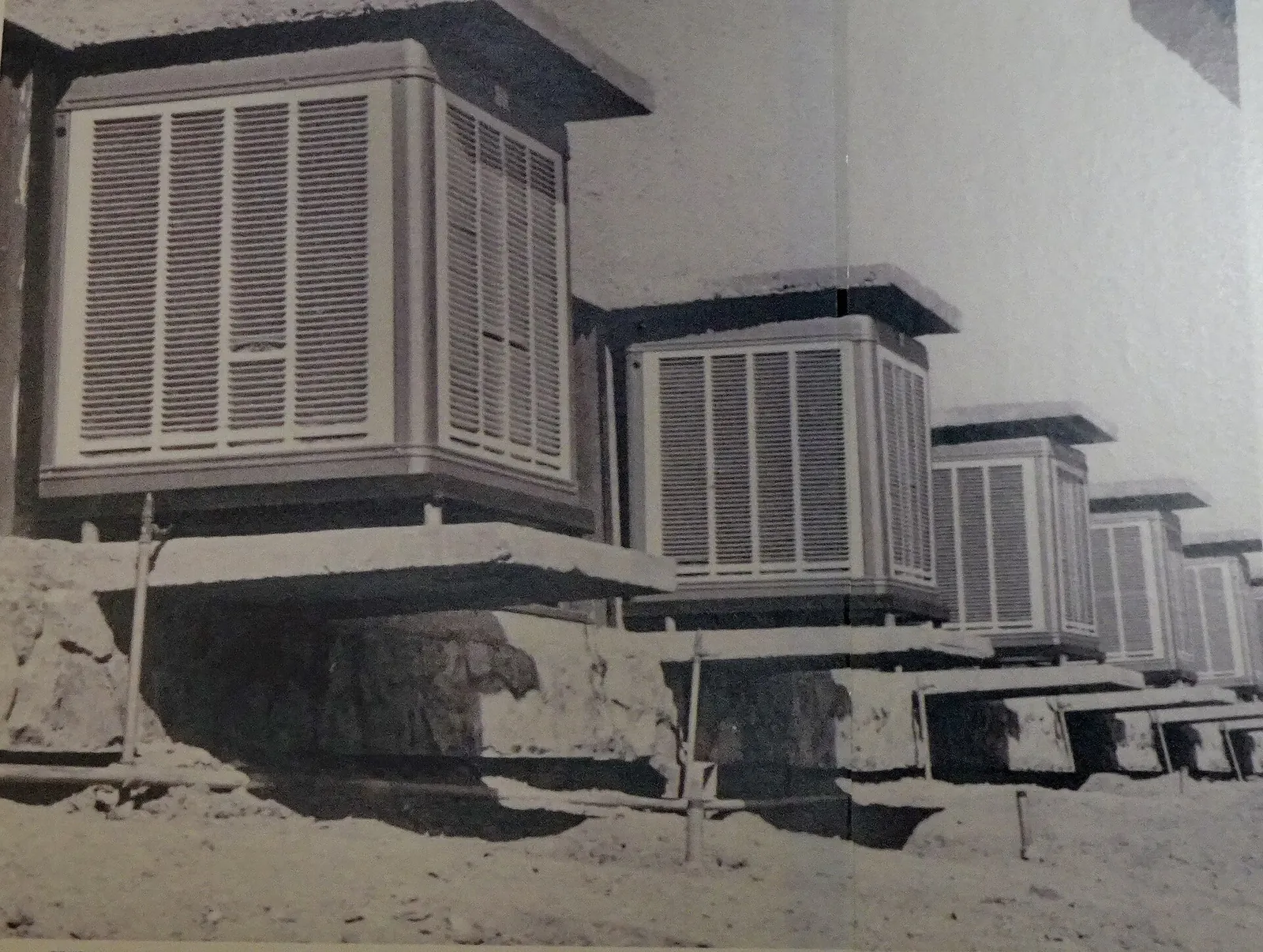
If you use a desert cooler, it is probably the largest mosquito breeding site in your home. The water tank stays wet, shaded and undisturbed, which suits Aedes aegypti, the mosquito that spreads dengue and chikungunya. Its eggs stick to the tank wall just above the waterline and can survive dry spells for months.
- Drain the cooler tank completely once a week, scrub the walls with a brush, and let it dry for a few hours before refilling.
- Replace or wash the grass or honeycomb pads at the start of the season; old pads hold slime and silt.
- Keep the cooler lid and side panels closed so mosquitoes cannot reach the water.
- If you cannot drain a large cooler weekly, ask your pest control provider about a larvicide approved for water containers rather than pouring kerosene or phenyl into it.
Do the same check on money plant bottles, bird water bowls and the tray under the refrigerator. These hold small amounts of clean water, and that is all Aedes needs. For a fuller list of what to clear, see our guide on controlling mosquitoes at home and preventing dengue.
Kitchen pests in the heat: cockroaches, ants and flies
The kitchen is where summer pressure shows first. Cockroaches need water daily, so a dripping tap or a wet sink cabinet holds them close. Ants follow sugar trails from sweet drinks, sharbat glasses and fruit left on the counter. Houseflies lay eggs in wet waste, and in hot weather the time from egg to adult fly can be as short as a week.
- Fix every leak under the sink and wipe the sink dry at night. A dry kitchen is a hostile kitchen for cockroaches.
- Store sugar, jaggery and honey in screw-top jars, not in plastic pouches with a clip.
- Take wet waste out every evening during mango season. Peels and seeds ferment fast in the heat.
- Use gel bait for German cockroaches in small dots inside hinges and behind the stove, not a single large blob.
- Do not spray household aerosol over gel bait; the spray makes the bait unattractive.
If cockroaches are already established, a single professional general treatment is often cheaper than months of retail products. Our step-by-step guide on getting rid of cockroaches in an Indian home explains which method suits which species.
Termite swarms after the first pre-monsoon showers
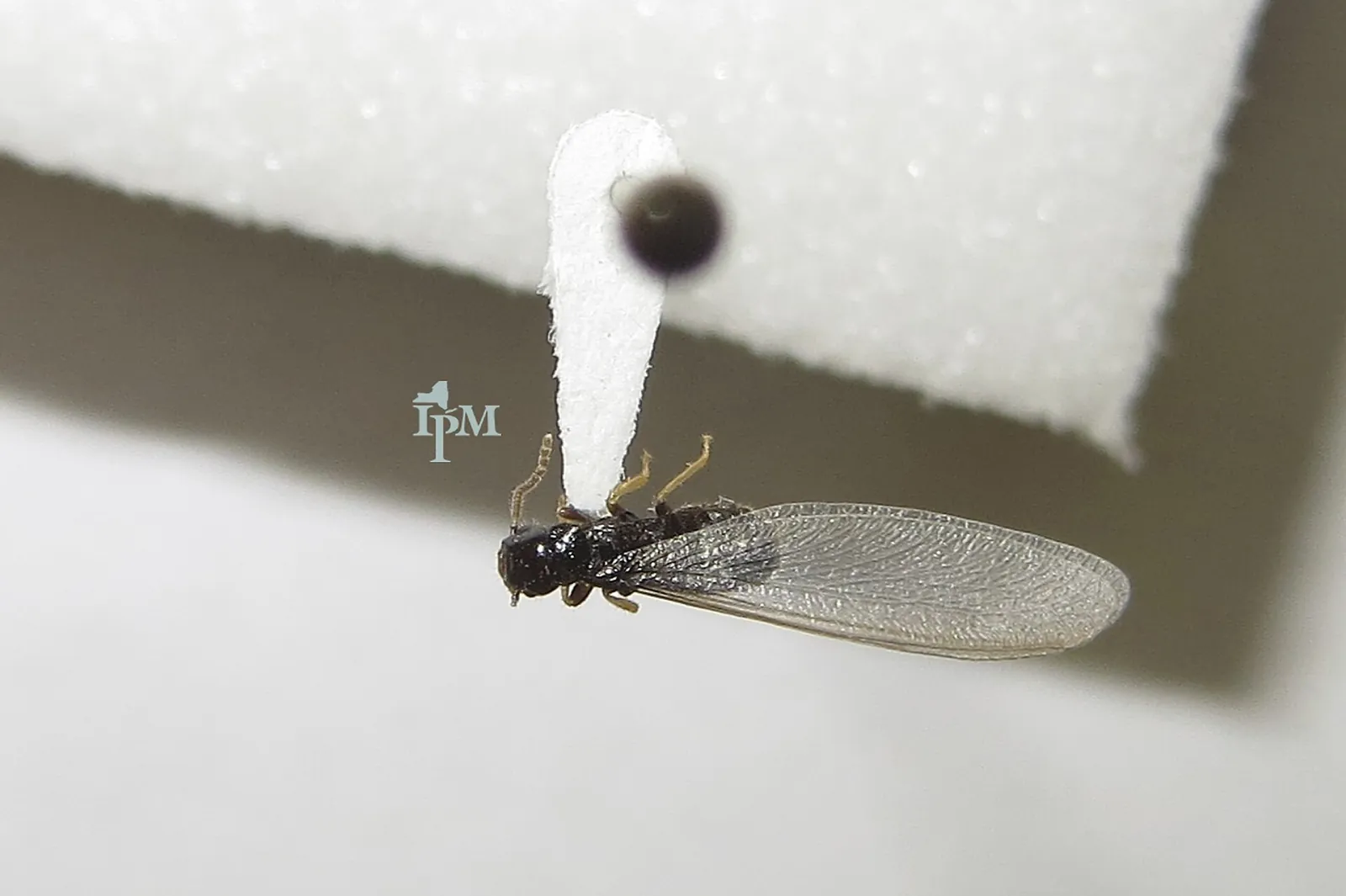
On a warm, humid evening after the first real shower, you may see hundreds of winged insects around a tube light. These are usually termite swarmers, called alates, leaving a mature colony to start new ones. Swarmers themselves do no damage, but the place they come out of tells you where a colony is feeding.
Switch off lights near open windows for an hour, sweep up the wings the next morning, and note exactly where they gathered. Wings piled on a window sill or near a wooden door frame point to a colony in or under that area. Book an inspection rather than spraying the frame, which only kills what you can see.
What a summer checklist will not fix
A good routine lowers pest numbers, but it has limits, and it is better to know them in advance.
- It will not remove an active termite colony. That needs soil treatment or baiting by a trained technician.
- It will not stop cockroaches coming up from a shared drain in an apartment building if the neighbours and the society do nothing.
- It will not clear bed bugs once they have settled in a mattress and bed frame; that usually takes two professional visits.
- Hot weather alone will not dry out a bed bug infestation, despite the popular advice to leave the mattress in the sun. Sunlight on one side for a few hours rarely heats the inside enough.
Summer treatment costs and when to book
Summer is a sensible time to book a general cockroach and ant treatment, because surfaces are dry and residual sprays stay effective for longer. Typical 2026 ranges for a 2BHK flat are ₹1,200 to ₹2,500 for a general treatment, and ₹2,500 to ₹5,000 for a two-visit bed bug treatment. An annual contract with three or four visits usually costs ₹3,500 to ₹7,000 for a flat. Metro prices sit at the top of these ranges and smaller cities are often 15 to 25 percent lower. These are typical ranges, not quotes.
Booking in late April or early May also means your treatment is in place before the monsoon pushes cockroaches out of drains in June. If you are unsure how often to repeat it, read how long pest control treatment actually lasts.