Pests in India are not random — they follow the seasons, and the monsoon is their busiest time. Warmth, moisture, and standing water turn the rainy months into a breeding season for mosquitoes, cockroaches, termites, and more. If you know which pests to expect and when, you can act before an infestation takes hold instead of scrambling after it does. This is your practical monsoon pest calendar for an Indian home.
Just before the monsoon: prepare and prevent
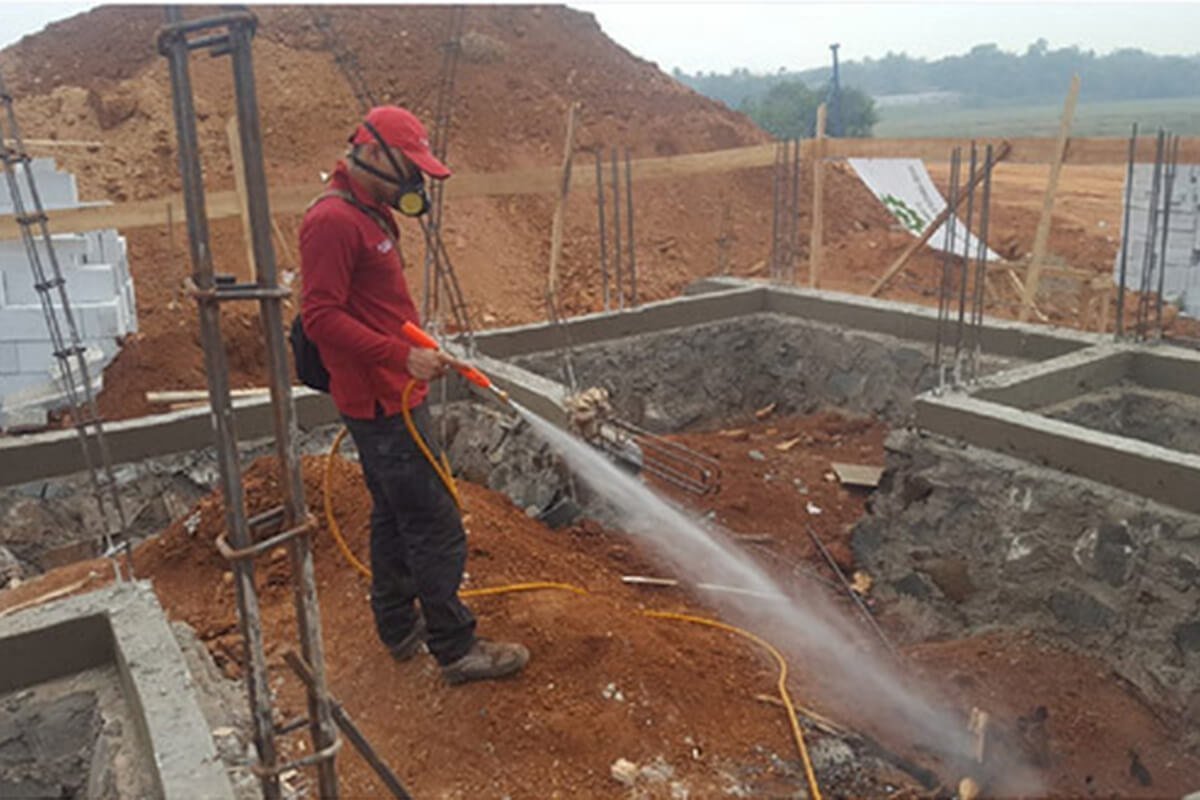
The weeks before the rains arrive are the most valuable and the most wasted. This is when a little preparation prevents months of trouble. Before the first heavy rain, do the following:
- Clear roof gutters, drains, and terrace outlets so water does not pool.
- Fix leaking taps and damp patches that will attract cockroaches and termites.
- Seal cracks around windows, doors, and pipes where insects enter.
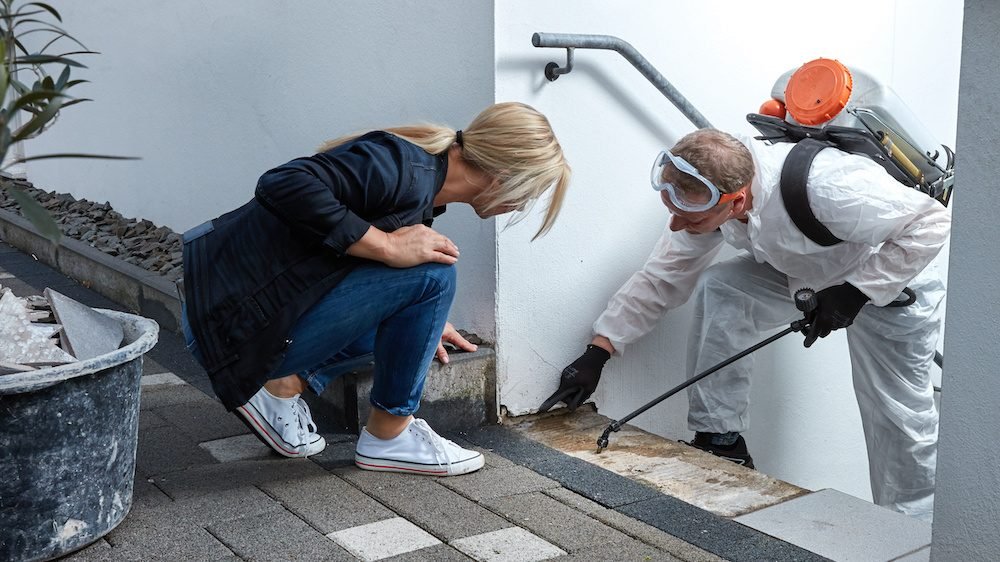
- Book a preventive pest treatment now, before the rush — this is the single best time.
Early monsoon: mosquitoes take over
As soon as the rains create standing water, mosquitoes explode in number. Aedes mosquitoes, which spread dengue and chikungunya, breed in surprisingly small amounts of clean water — a plant saucer, a discarded tyre, a cooler tray. Once a week, empty and scrub every container that can hold water, fit mesh on windows, and use repellents at dawn and dusk. This is also peak season for dengue, so protecting children and the elderly matters most now.
Peak monsoon: cockroaches and drain pests
Heavy rain floods drains and sewers, driving American cockroaches up through bathroom and kitchen drains at night. Damp kitchens give German cockroaches ideal breeding conditions. Fit drain covers, keep wet areas dry before bed, and use gel bait in hidden corners rather than only spraying. You may also notice more flies as garbage and organic matter get wet, so keep bins covered and clean up quickly.
The monsoon does not create pests from nothing — it activates the ones already waiting. Prepare before the rain, and you spend the season comfortable instead of chasing infestations.
Monsoon: the hidden termite season
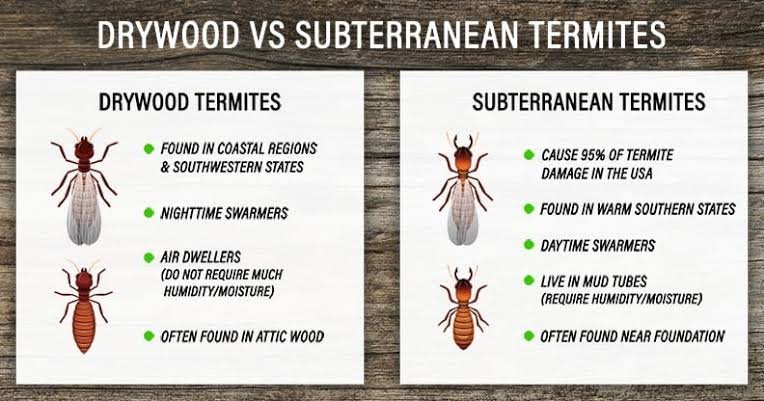
The monsoon is prime time for termites. The soft, moist soil and high humidity trigger winged termites (alates) to swarm, often appearing around lights on humid evenings after rain. If you see swarming winged insects indoors or discarded wings on windowsills, it is a strong sign of an active termite colony nearby. Because termites work silently, this is the season to watch for mud tubes on walls and to call for an inspection if you spot the early signs.
Late monsoon and after: dampness pests
As the rains ease but humidity lingers, damp-loving pests thrive. Silverfish, booklice, and fungus appear in cupboards, bookshelves, and stored clothes. Ants often move indoors to escape waterlogged nests. Air out cupboards, use moisture absorbers, and dry stored items in the sun on clear days. This is also a good time for a follow-up pest check to make sure nothing established itself during the peak months.
Building your own year-round rhythm
The monsoon is the intense season, but pests never fully disappear. A simple rhythm keeps your home protected: prevent before the monsoon, defend during it, and inspect after it. Homes on an annual pest control programme sail through the rainy season because the preventive treatment is already in place. If you deal with pests reactively every year, consider switching to a scheduled preventive approach — it is less stressful and usually cheaper than repeated emergency treatments.
Winter and summer: the quieter but not empty seasons
It is tempting to think pests vanish once the rains end, but the cooler and drier months simply change which pests are active. In winter, many insects slow down and retreat into warm, hidden harbourages — behind the fridge, near the geyser, inside wall cavities — rather than disappearing. Rodents actually become more of a problem in cold weather, as rats and mice move indoors seeking warmth and food, which is why winter is a good time to check for gnaw marks, droppings, and gaps they could use to get in. Bed bugs, being indoor pests that live off human warmth, are unaffected by the season at all.
Summer brings its own set of visitors. Ants forage more actively in the heat and stream indoors toward any food and water, houseflies multiply around waste and reach their peak, and the early pre-monsoon warmth begins to stir cockroach and mosquito activity ahead of the rains. Treating summer as the run-up to the monsoon — the ideal time for that preventive treatment and a round of sealing and cleaning — means you enter the heavy season already protected. Seen this way, there is no truly pest-free season, only a shifting cast of pests, which is the real argument for steady year-round prevention rather than seasonal panic.
Frequently Asked Questions
Why do pests increase during the monsoon in India?
The monsoon brings warmth, humidity, and standing water — ideal conditions for mosquitoes, cockroaches, termites, and other pests to breed and move indoors. Flooded drains and damp interiors give them food, moisture, and shelter all at once.
When is the best time for preventive pest control?
The weeks just before the monsoon are the best time, because a preventive treatment then stops pests before they establish. Booking early also avoids the rush when everyone calls at once after the rains begin.
Which pests are worst during the monsoon?
Mosquitoes surge first as standing water collects, cockroaches come up through flooded drains at peak monsoon, and termites swarm in the humid, moist conditions. Damp-loving pests like silverfish appear as the rains ease.
Are termites more active in the monsoon?
Yes. The moist soil and humidity trigger winged termites to swarm, often around lights after rain. Seeing swarming insects or discarded wings indoors is a sign of an active colony nearby, so it is a key season to watch for termite signs.
How do I prepare my home before the monsoon?
Clear gutters and drains, fix leaks and damp patches, seal cracks around windows and pipes, and book a preventive pest treatment before the rains. Preparing early prevents months of pest trouble during the season.
Do pests go away after the monsoon?
They reduce but do not disappear. As humidity lingers, damp-loving pests like silverfish and ants remain active, so a follow-up inspection after the monsoon helps catch anything that established during the peak months.