You switch on the bathroom light at midnight and a large reddish cockroach slides back into the floor drain. In the morning there are tiny grey moth-like insects resting on the tiles near the wash basin, and a silver, carrot-shaped bug wriggles out from behind the mirror. Keeping a bathroom free of cockroaches, drain flies and silverfish comes down to three jobs: close the drain openings, remove the slimy film inside pipes, and dry the room out. Nothing you spray will last if those three are not done.
The bathroom is the wettest room in an Indian home and it is connected straight to the building sewer. That makes it the main doorway for drain pests and the favourite hiding place for damp-loving ones. This guide goes opening by opening, so you can fix the actual hole rather than chase insects around the tiles.
Three bathroom pests, three different reasons they are there
It helps to know who you are dealing with, because each one arrives by a different route.
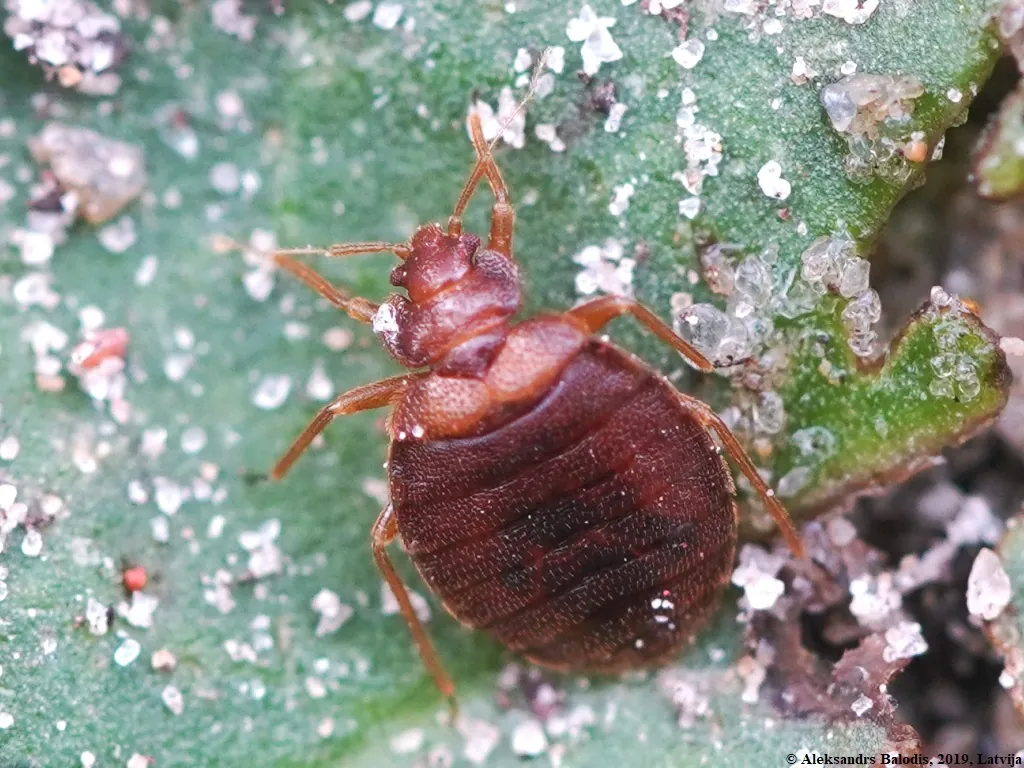
- American cockroach (Periplaneta americana): about 3 to 4 cm long, reddish-brown, often seen at night near the floor trap. It lives in sewer lines and inspection chambers and climbs up through any drain that is not sealed.
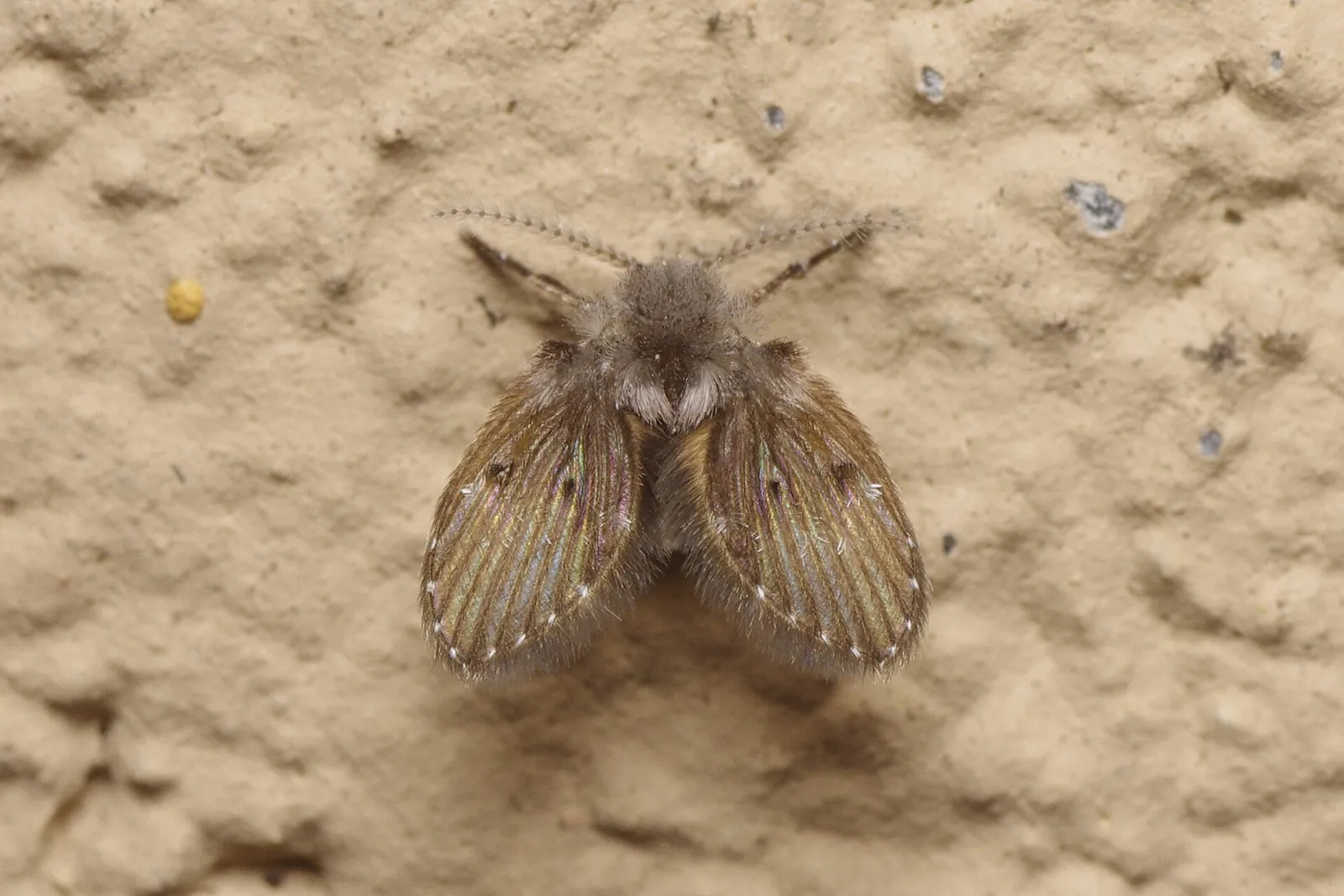
- Drain fly, also called moth fly (family Psychodidae): a 2 to 4 mm fuzzy grey insect with leaf-shaped wings that rests flat on walls. Its larvae live in the jelly-like slime that coats the inside of drains, basin overflows and the pipe below the floor trap.
- Silverfish (Lepisma saccharinum and related species): wingless, silver, fast, about 1 cm. It does not come from the drain at all. It breeds in cracks, behind loose tiles and inside the bathroom loft where humidity stays above roughly 75 percent.
If you only ever see one of these, you have one problem. If you see all three, the room is both open to the sewer and constantly damp, and you will need to work on both.
Pest-proofing the bathroom floor trap and other drain openings
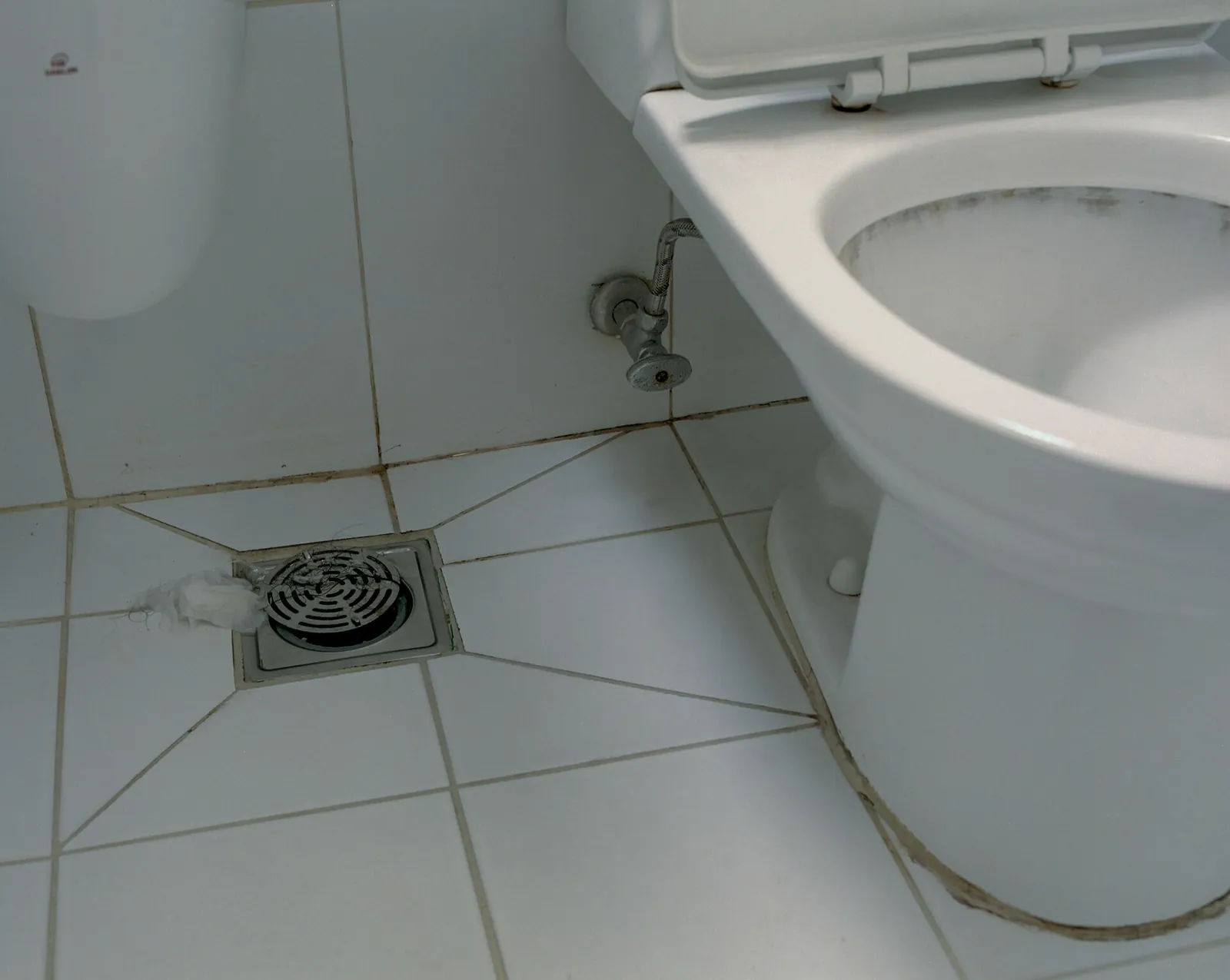
Most bathroom cockroaches come up through the floor trap, the round grating in the shower area. A steel jali with slots is decoration, not protection. A cockroach can pass through a gap as thin as a coin.
- Replace the plain grating with a self-closing floor trap that has a hinged flap or a floating cup. These cost about ₹150 to ₹400 each and a plumber fits one in under half an hour.
- Check the water seal. A floor trap stops sewer gas and insects only when water sits in its bend. In a guest bathroom that nobody uses, the water dries in a week or two, and the trap becomes an open pipe. Pour a mug of water in every few days, or fit a self-closing cover.
- Look at the wash basin waste pipe where it enters the wall. Builders often leave a ring-shaped gap here hidden behind a chrome cover plate. Pull the plate back and fill the gap with silicone or cement.
- Inspect the base of the western toilet. A cracked or missing seal around the pan lets insects in from the soil pipe. A bead of white silicone around the base fixes it.
- If there is a duct window (the small ventilation opening into the plumbing shaft), put fine stainless steel mesh behind its louvres.
For a wider look at gaps like these all over the flat, see our guide on how pests enter your home and how to seal entry points.
Why drain flies keep coming back after you clean
People scrub the floor, pour phenyl down the drain, and the moth flies are back in two days. That is because the flies do not live on the floor. Their larvae sit in the slime film lining the pipe, often 10 to 30 cm below where any liquid you pour can scrub. Phenyl and bleach flow past the film without removing it.
What actually clears them is mechanical cleaning. Push a long flexible drain brush down the floor trap, the basin waste and the overflow hole on the basin, and work it up and down until the brush comes out clean. Follow with a kettle of hot (not boiling, if your pipes are PVC) water. Do this twice a week for two weeks. The life cycle of a drain fly is around one to three weeks, so two weeks of steady brushing starves out the current generation.
To check whether a particular drain is the source, tape a clear plastic sheet or a cut plastic cup over it at night. If flies are stuck under it in the morning, that is your breeding pipe.
Damp corners where silverfish settle
Silverfish want darkness, humidity and starch. In a bathroom they find all three behind the mirror cabinet, under a loose skirting tile, and above the false ceiling or loft where the geyser sits. Shampoo residue, soap scum, hair and the paper of stored toilet rolls all feed them.
- Run the exhaust fan for 15 to 20 minutes after every bath, not just while the shower is on. Most bathroom exhausts are switched off too early.
- Keep the bathroom door open for an hour after use so the room can dry.
- Re-grout cracked tile joints. A hollow-sounding tile has a gap behind it that stays damp for months.
- Do not store spare towels, cardboard tissue boxes or old magazines in the bathroom loft. Keep them in a dry room.
- Fix the dripping geyser valve or leaking concealed cistern. A slow leak inside the wall is often the hidden reason one bathroom is always worse than the others.
Our article on silverfish and booklice covers the rest of the house, where they move into books and clothes.
A bathroom opening-by-opening checklist
| Opening or spot | Pest it lets in | The fix | Rough cost |
|---|---|---|---|
| Shower floor trap | American cockroach, drain fly | Self-closing trap; keep water seal | ₹150 to ₹400 per trap |
| Basin waste pipe at wall | Cockroach | Silicone or cement in the ring gap | Under ₹200 DIY |
| Basin overflow hole | Drain fly | Brush it out weekly | Brush ₹150 to ₹300 |
| Toilet pan base | Cockroach, drain fly | Silicone bead around base | Under ₹200 DIY |
| Duct window louvres | Cockroach, lizard | Fine steel mesh behind louvres | ₹90 to ₹250 per sq ft fitted |
| Loft above bathroom | Silverfish, cockroach | Empty it, wipe, keep the exhaust running | Nil |
| Cracked grout and hollow tiles | Silverfish | Re-grout, re-fix loose tiles | Mason visit, varies |
Costs are typical ranges for 2026 and change by city. Metro rates are usually at the top of each range.
When the problem is not your bathroom at all
Here is the honest part. If you have sealed every opening and still find American cockroaches every night, they are probably coming from the plumbing shaft shared with the flats above and below, or from a broken inspection chamber in the compound. No amount of work inside your bathroom closes a shaft that opens into ten other homes. In that case, the society needs to treat the shaft and the drainage chambers together.
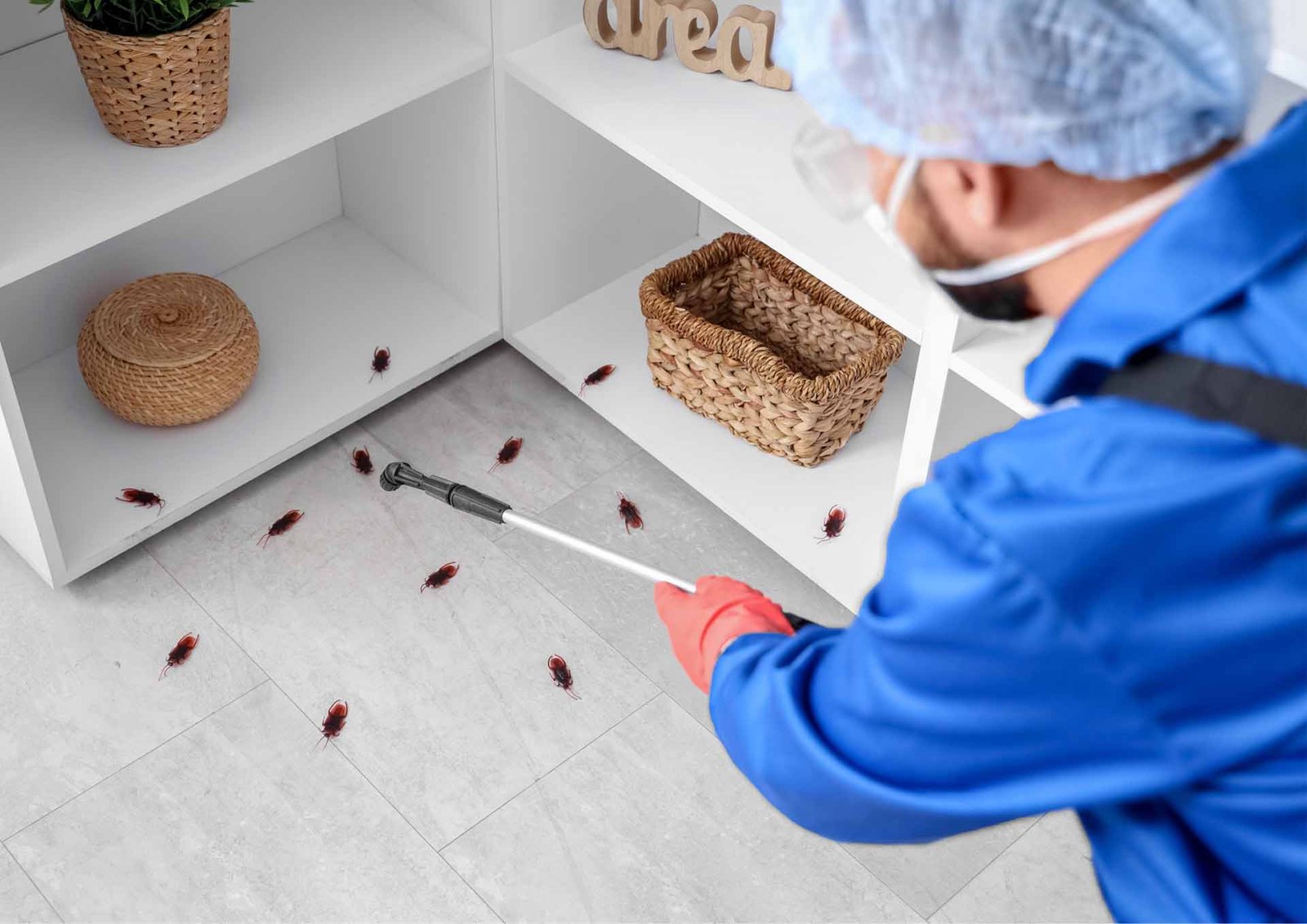
Equally, do not pay for a full-house spray because of drain flies. They are a cleaning problem, and a technician spraying the walls will not reach the slime in the pipe. A general cockroach treatment for a 2BHK, which usually covers bathrooms, runs about ₹1,200 to ₹2,500, and it is worth it when cockroaches are already living inside cabinets, not just visiting from the drain. Our guide to getting rid of cockroaches in an Indian home explains gel baiting if you want to try it first.
A weekly bathroom routine that takes ten minutes
- Monday: brush the floor trap and basin overflow, then rinse with hot water.
- Wednesday: pour a mug of water into any rarely-used floor trap.
- Saturday: wipe the area behind the mirror cabinet and under the basin with a dry cloth, and check for small black droppings or shed skins.
- Once a month: open the loft or false ceiling hatch with a torch and look for dampness, droppings or insect casings.