Mosquitoes are more than an itchy nuisance in India — they carry dengue, malaria, chikungunya, and Japanese encephalitis. Every monsoon, hospitals fill with dengue cases that often trace back to clean water collecting in and around homes. The good news is that most mosquito breeding happens in places you can control. This guide shows you how to reduce mosquitoes around your home without relying only on coils and sprays.
Know your enemy: the Aedes mosquito
The Aedes mosquito, which spreads dengue and chikungunya, bites during the day, breeds in clean stagnant water, and rarely flies more than a few hundred metres. That means the mosquito biting you was almost certainly born close to your home — in your balcony, terrace, or a neighbour's. This is empowering, because it means your own actions make a real difference.
The three mosquitoes in your home and the diseases they carry
Not all mosquitoes are the same, and knowing which is which helps you protect your family:
- Aedes: black with white stripes, bites in the daytime, breeds in clean stored water. Spreads dengue, chikungunya, and Zika.
- Anopheles: bites at night, breeds in clean stagnant water like puddles and paddy fields. Spreads malaria.
- Culex: the common brown mosquito that whines around your ears at night, breeds in dirty and polluted water like drains and cesspits. Spreads Japanese encephalitis and filariasis.
Because they breed in different places and bite at different times, effective mosquito control means covering both clean stored water and dirty drains, and protecting yourself both day and night.
The one habit that matters most: empty standing water
Aedes mosquitoes can breed in as little as a spoonful of water. Once a week, walk around your home and empty or scrub these common breeding spots:
- Plant pot saucers and money-plant bottles.
- Water coolers, especially the tray at the bottom.
- Old tyres, buckets, and paint tins on the terrace or balcony.
- Blocked drains and roof gutters that hold water.
- Pet water bowls and bird baths (change water every two days).
- Discarded plastic, coconut shells, and construction debris nearby.
Scrubbing matters, not just tipping — Aedes eggs stick to the sides of containers and can survive drying for months, hatching when water returns.
Protect your home's openings
Fit mosquito mesh on windows and ventilators, especially in bedrooms. Repair torn screens. In high-rise flats, mosquitoes still ride the lift and stairwell, so screens matter even on upper floors. Keep doors closed at dusk when Culex mosquitoes (the ones that whine at night) are most active.
Personal and room protection
- Use a good mosquito repellent on exposed skin when outdoors at dawn and dusk.
- Sleep under a bed net in high-risk areas, especially for children and the elderly.
- Wear full-sleeve clothing in the evening during peak season.
- Use plug-in liquid vapourisers in bedrooms, but ventilate the room afterwards.
Larvicide and fogging: what they actually do
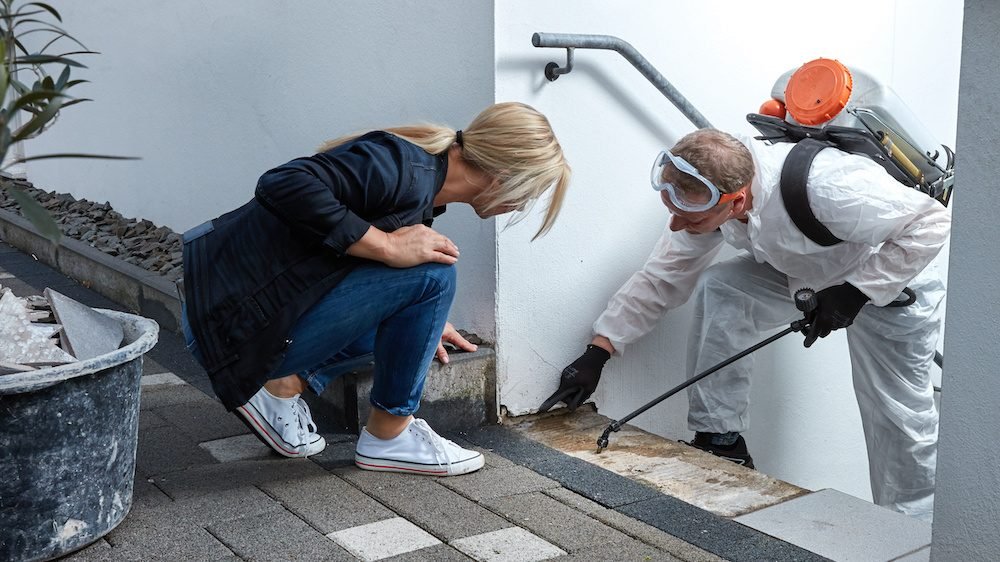
Fogging kills adult mosquitoes flying at that moment but does nothing to larvae in water, so its effect lasts only a day or two. Larvicides added to water tanks and stagnant pools that cannot be emptied are far more valuable, because they stop the next generation. A good pest control programme for a society focuses on larval source reduction first and uses fogging only as a quick knock-down during an outbreak.
Fogging feels dramatic, but emptying standing water every week does more to stop dengue than any fog machine.
Natural ways to keep mosquitoes away
Alongside the essentials, some natural methods offer mild help and are worth using in a family home:
- Grow citronella, tulsi, lemongrass, or marigold near windows and balconies as mild natural repellents.
- Use camphor or a few drops of eucalyptus or neem oil in a diffuser in the evening.
- Keep a small fan running — mosquitoes are weak fliers and avoid moving air.
- Wear light-coloured clothing, as mosquitoes are more attracted to dark colours.
Treat these as helpers, not replacements. No plant or oil will control mosquitoes if there is standing water breeding hundreds of them nearby.
Protecting children and the elderly
Children and older adults are more vulnerable to serious mosquito-borne illness, so give them extra protection. Use bed nets over cots and beds, dress children in full sleeves and long pants during peak biting hours, and use skin repellents suitable for their age as advised on the label. During a local dengue outbreak, keep windows screened and limit outdoor play at dawn and dusk when Aedes mosquitoes are most active.
For apartments and societies
One flat cannot solve a mosquito problem alone if the terrace tank, basement sump, or garden has breeding sites. Societies get the best results with a scheduled programme: weekly source reduction by housekeeping, monthly larvicide treatment of water bodies, and targeted fogging during dengue season. A professional pest control operator can set up and document this routine.
Frequently Asked Questions
What time of day do dengue mosquitoes bite?
Aedes mosquitoes, which spread dengue and chikungunya, mainly bite during the day — especially early morning and late afternoon. This is different from the night-biting Culex mosquitoes, so daytime protection matters during dengue season.
Does fogging get rid of mosquitoes permanently?
No. Fogging only kills adult mosquitoes present at that moment and its effect fades within a day or two. Lasting control comes from removing standing water and treating water that cannot be emptied with larvicide.
Can mosquitoes breed on a high-rise balcony?
Yes. Aedes mosquitoes happily breed in plant saucers, coolers, and stored containers on any floor. Height does not protect you, so weekly emptying of standing water is important even in tall buildings.
Are ultrasonic mosquito repellent apps and devices effective?
No. Independent testing has repeatedly found ultrasonic repellents ineffective against mosquitoes. Physical barriers, repellents, mesh screens, and source reduction are what actually work.
Which plants keep mosquitoes away?
Citronella, lemongrass, tulsi, marigold, and mint offer a mild repellent effect near windows and balconies. They help a little but cannot replace removing standing water and using screens and repellents, which do the real work.
How can I protect my baby from mosquitoes?
Use a bed net over the cot, dress your baby in full-sleeve clothing during peak hours, screen the windows, and use only age-appropriate repellents as directed on the label. Keeping the home free of standing water is the most important protection of all.