Termite infestations peak in the rainy season because water does three things at once. It softens the soil so worker termites can tunnel easily, it keeps walls and wood damp enough for them to feed without drying out, and the first heavy rains trigger the winged swarms that start new colonies. If you have seen hundreds of small winged insects around your tube light on a June evening, that was the colony announcing itself.
This article walks through what happens to termites from the pre-monsoon showers to the end of September, which signs to look for in which month, and what to fix in your home before the rain makes the job harder.
Why do termites increase in the rainy season?
Subterranean termites, which cause most structural damage in Indian homes, live in the soil and travel to wood through mud tubes. They need humidity close to saturation inside those tubes. In the dry months of April and May the upper soil around your house dries and hardens, so colonies stay deeper and forage less. Once the rain arrives, the ground stays moist right up to the surface, and the colony can reach your skirting, door frames and wardrobes with little effort.
Damp masonry adds to it. Brick and plaster soak up water through the monsoon, and a wall that stays wet for weeks behaves like soil to a termite. Cracks around window frames, leaking terrace slabs and seepage from a neighbour's bathroom all give them a moist path into the house.
Swarming: what the flying termites mean
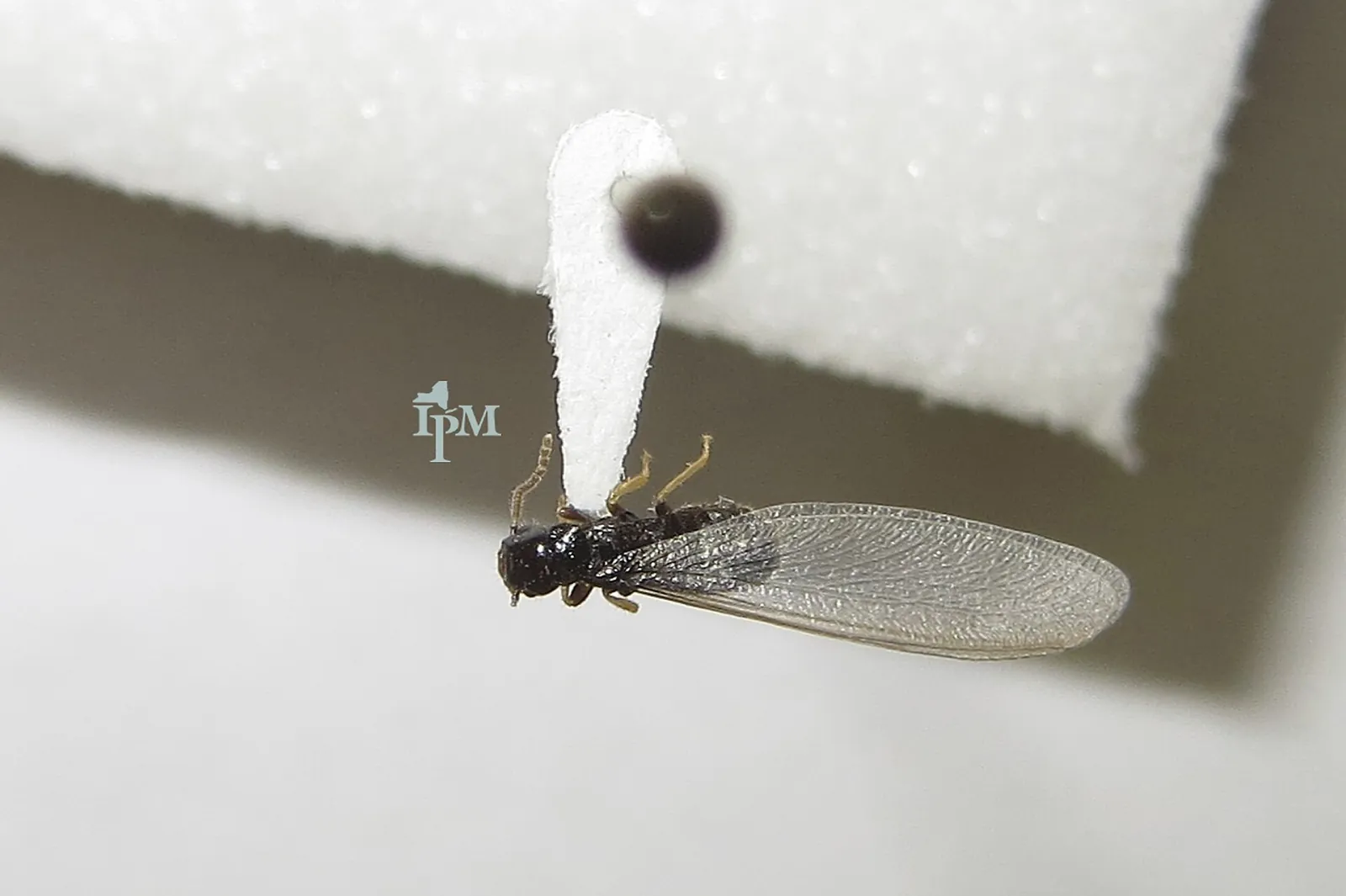
A mature colony, usually several years old, produces winged reproductives called alates. They wait for warm, humid, still evenings right after rain and then leave the nest in large numbers. In most of India this happens with the first proper monsoon showers, which means late May in Kerala and progressively later moving north, into June and early July for Mumbai, Delhi and central India.
The swarm lasts an hour or two. The insects fly toward light, shed their wings within minutes of landing, pair up and try to find damp soil or wood to start a new nest. Most die. The ones that survive are not the real danger. The danger is the colony that produced them, because it is mature, nearby and already feeding. A swarm indoors, especially from a skirting crack or door frame rather than through an open window, is a strong signal to book an inspection.
If you are not sure whether you saw termites or flying ants, the shape of the waist and wings tells you. Termites have a thick waist and four wings of equal length. Our guide to drywood and subterranean termites covers the other differences.
A June to September checklist
| Month | What termites are doing | What to check at home |
|---|---|---|
| Late May to June | Swarming with first heavy rains; colonies expanding foraging | Discarded wings on window sills and under lights; fresh mud on skirting |
| July | Peak foraging in wet soil and damp walls | Mud tubes on walls behind furniture; soft or blistered paint near the floor |
| August | Feeding deep inside damp timber | Door frames that sound hollow; wardrobe backs and kitchen base units |
| September | Activity stays high while walls are wet | Ground-floor storerooms, cartons and books kept against walls |
| October onward | Foraging slows as soil dries | The right time to treat, repair and fix the leaks you found |
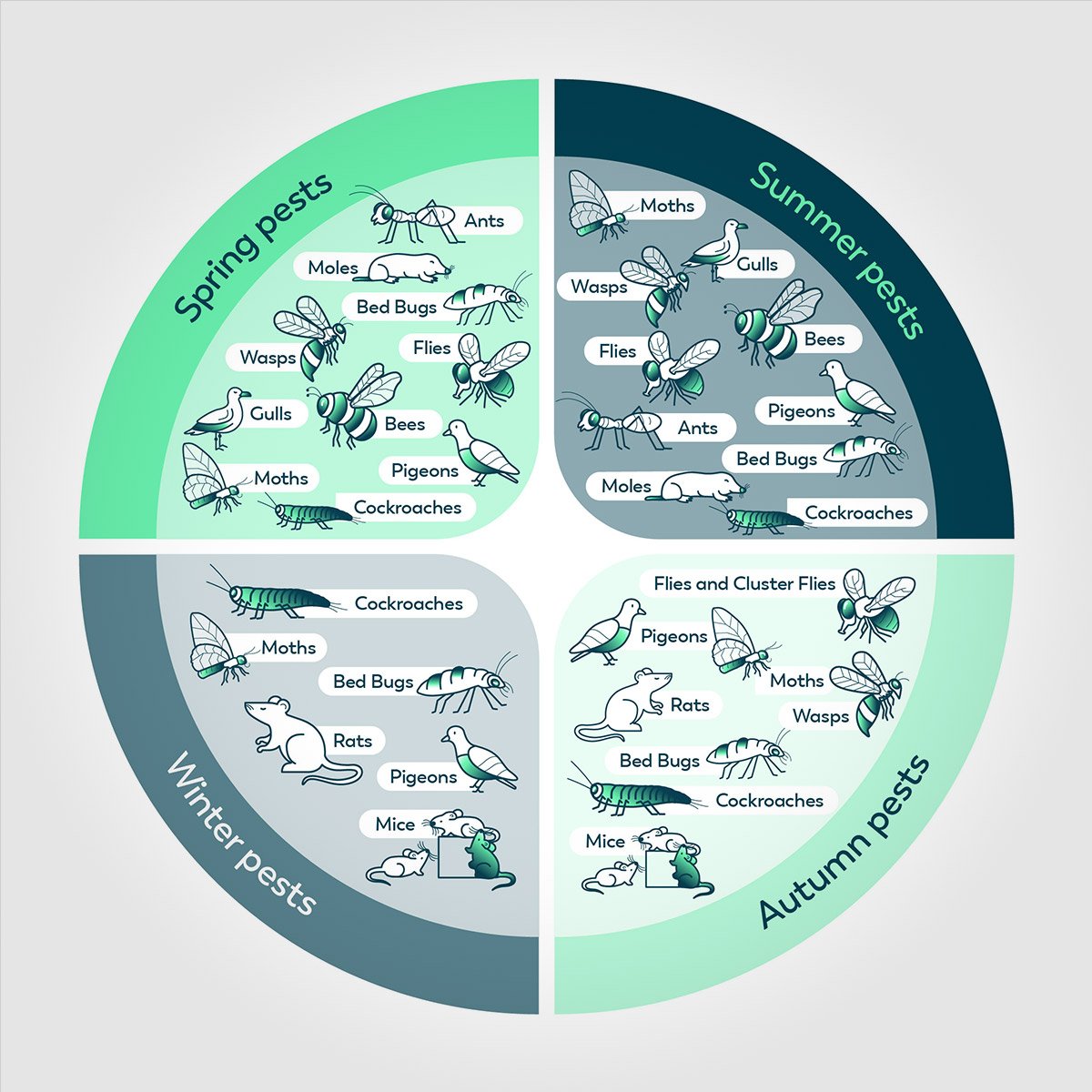
The month names shift by region. Kerala and the Konkan get the rain earliest and longest. Delhi, Rajasthan and the plains of north India get a shorter, more intense season. Use your own local rainfall, not the calendar, as the guide. Our seasonal pest calendar lays out the wider picture for other pests too.
Damp walls are the real trigger
Most monsoon termite problems in flats trace back to one wet wall. The usual culprits are a bathroom that shares a wall with a bedroom wardrobe, a kitchen sink with a slow leak inside the cabinet, an external wall facing the rain with cracked plaster, and an air conditioner drain pipe that drips against the building. Find the wet patch, and you will often find the termites right next to it.
- Look for dark patches, flaking paint or white salt deposits on the lower part of walls.
- Open wardrobes that stand against bathroom walls and check the back panel for softness or mud.
- Pull out the bottom drawer of your kitchen cabinets and look at the floor underneath.
- Check where the AC drain or rain pipe runs down the outside wall, and whether it splashes against plaster.
- Press the wooden skirting with a thumb. Firm wood is fine. Wood that dents or crumbles needs a closer look.
Can you treat termites during the monsoon?
You can, and if you have an active infestation you should not wait four months. Drilling and injection works in the rainy season. The drawback is that very wet soil and saturated walls do not absorb the solution as evenly, and heavy rain soon after outdoor perimeter treatment can wash part of it away. Good operators adjust for this by focusing on indoor drilling first and scheduling outdoor soil work for a dry spell.
For homes without active damage, the best time to put a preventive treatment in place is after the rains, from October to March, when walls have dried. Book it then and you go into the next monsoon protected. Typical whole-home drilling for a 2BHK costs roughly ₹6,000 to ₹13,000, and a 3BHK ₹9,000 to ₹20,000. These are typical ranges, not quotes.
What not to do when you see a swarm
Do not spray household insect spray into the crack the swarm came from. You will kill a few hundred winged insects and teach the colony nothing. Do not seal the hole with putty either, at least not before an inspector has seen it, because that hides the evidence. Sweep up the wings, keep a few in a small bag or jar for identification, take a photo of the spot, and switch off unnecessary lights in the evening so the next swarm is not drawn inside.
It is also worth knowing what monsoon termite treatment will not fix. If the leak keeps flowing, the treated zone stays wet and termites can return to it. Repair the seepage, re-grout the bathroom, and get the terrace waterproofing checked. The wider list of rainy season pests in our monsoon pests guide shows how much of this overlaps with cockroach and mosquito prevention.