Pests in India follow the weather closely, and the weather here follows a pattern most households know without thinking about it: a cool, dry winter, a hot summer, the monsoon, and the humid weeks that follow. Each of these seasons changes which pests are active, where they live and what draws them indoors. A calendar that matches pest activity to the months lets you act a few weeks before a problem starts, which is always cheaper than reacting after it has grown.
This guide covers the full year, month by month, with the main pests, the reason they peak and one or two tasks for each period. Our separate monsoon calendar goes deeper into June to September; this one is about planning the whole year.
How India's regions shift the calendar
The months below are based mainly on north, west and central India. Two adjustments matter. Kerala and the southwest coast get the monsoon in late May or early June, a week or two earlier than Mumbai and around a month earlier than Delhi. Tamil Nadu and the southeast coast get most of their rain from the northeast monsoon in October to December, so their peak pest season for mosquitoes and rodents falls later. In the Northeast, high humidity keeps many pests active almost all year.
January and February: the quiet months to prepare
Cold nights in the north slow most insects down. Mosquito numbers fall, flies drop, and termite activity slows in the upper soil. Indoors, however, cockroaches and bed bugs carry on in warm kitchens and bedrooms. Rodents move indoors to escape the cold and are often heard in lofts and false ceilings.
- Declutter lofts, store rooms and the area under beds where rodents and silverfish shelter.
- Inspect mattresses and sofas for bed bugs after the wedding season and holiday travel.
- Book any termite inspection or post-construction treatment now; quieter months mean easier scheduling and drier soil.
March and April: activity returns
As temperatures rise, insects speed up. Ant trails appear on kitchen counters, houseflies return, and the first mosquitoes breed in coolers and water tanks that are filled for summer. Wood borers that have been feeding inside furniture may emerge as adults, leaving small round holes and fine powder.
- Repair and replace window mesh before mosquitoes increase.
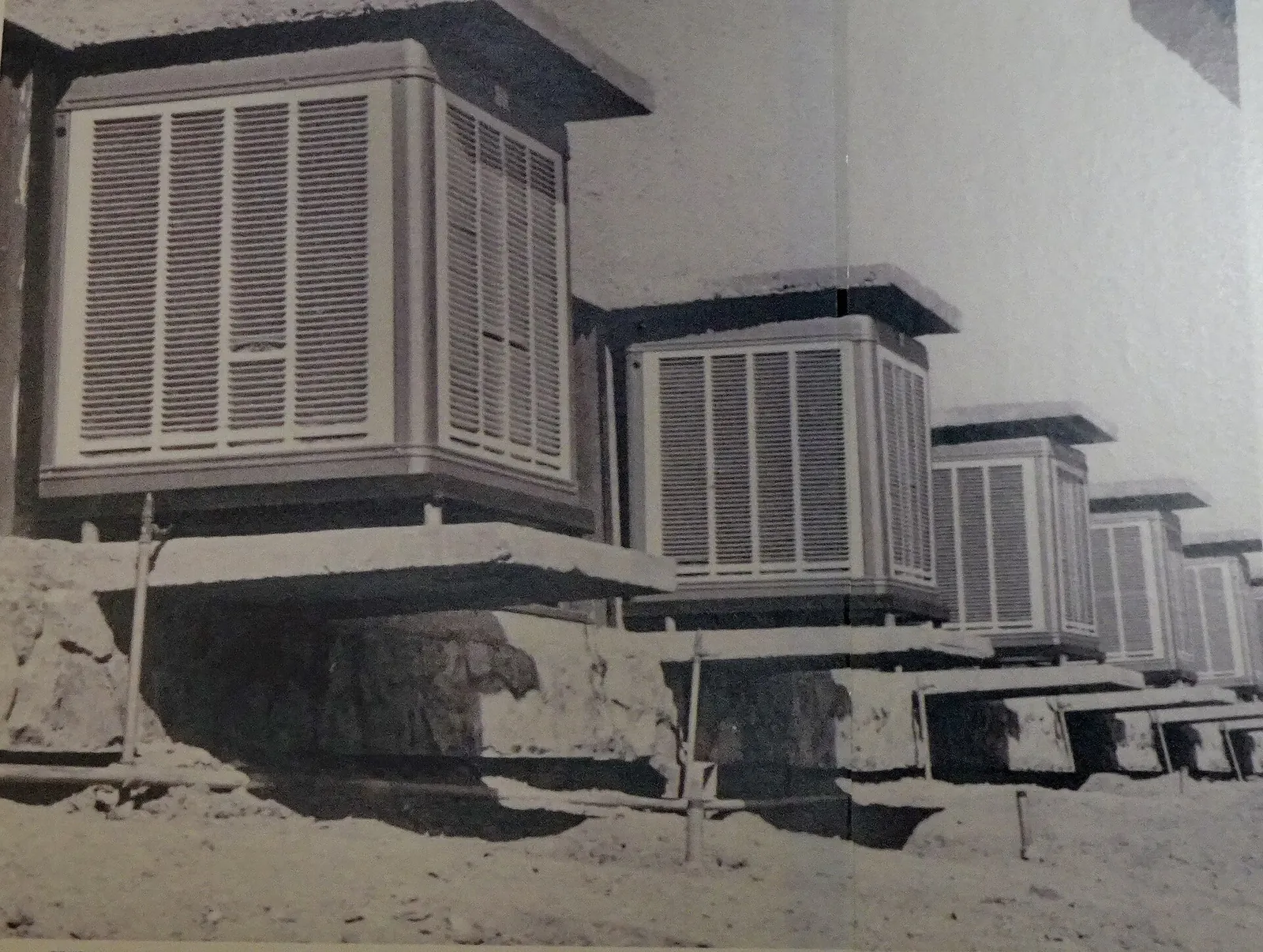
- Clean and dry air coolers before first use, and plan to empty and scrub them weekly.
- Check wooden furniture for exit holes and powder and treat it before the adults lay new eggs.
- Start the weekly routine of emptying water containers on the balcony and terrace.
May: the pre-monsoon window
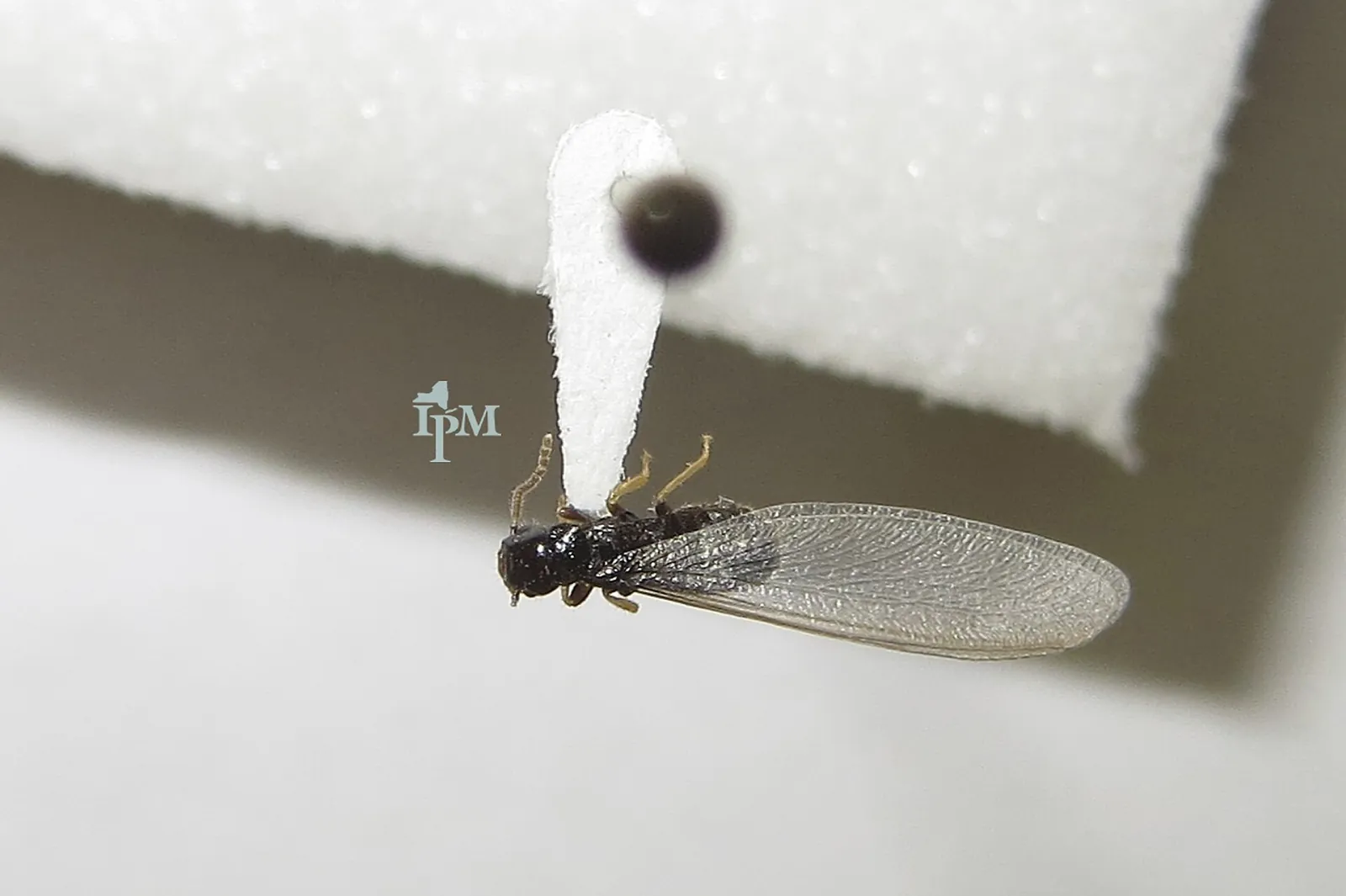
May is the most important month in the pest calendar for most of India. It is hot and dry, which means treatments applied to surfaces and soil hold well, and it comes just before the season when almost every pest surges. Flies are at their peak around waste. Cockroaches are breeding fast in the heat. Termites are about to swarm with the first showers.
- Book a pre-monsoon general treatment for cockroaches and ants, including drains.
- Replace open floor trap covers with self-closing ones and seal pipe gaps.
- Clear roof gutters, terrace outlets and balcony drains so rainwater does not stand.
- Ask your society to treat the drainage chambers, basement and garbage area.
June to September: the monsoon peak
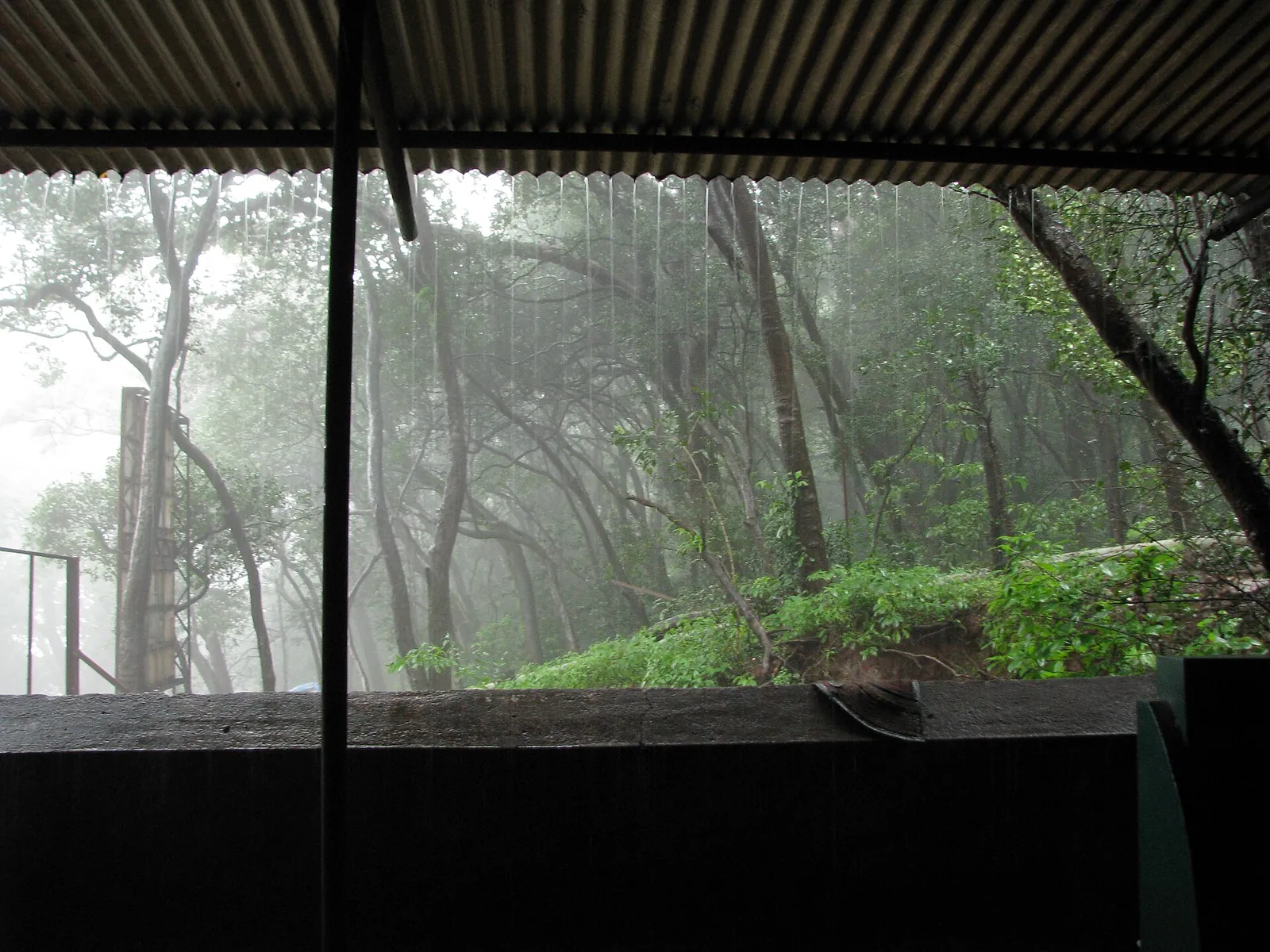
Rain, humidity and flooding bring the year's highest pest pressure. Termites swarm in the evenings after early showers. American cockroaches come up through drains. Mosquito breeding and dengue cases climb steadily from July. Rats and bandicoots move into buildings as burrows flood. Silverfish, booklice and drain flies thrive in damp homes.
- Empty and scrub every container that holds water once a week without fail.
- Keep outdoor lights off during termite swarm evenings, and check indoors for wings.
- Watch for rodent signs in ground-floor homes and shops and close entry gaps immediately.
- Bring humidity down in closed rooms with ventilation, an AC on dry mode or a dehumidifier.
October and November: after the rains
The rains stop, but mosquitoes do not. Water left in containers, construction sites and blocked drains keeps breeding going, and dengue often peaks in October in north India. The festival season also brings deep cleaning, which is a good chance to deal with pests, but sweets, dry fruits and gifts stored in bulk attract ants, cockroaches and pantry pests. In Tamil Nadu and coastal Andhra Pradesh, this is the start of the main rain season.
- Continue the weekly water-container routine until night temperatures drop.
- During Diwali cleaning, clear old cartons, newspapers and unused items from lofts.
- Store festival sweets and dry fruits in airtight containers and check stored grain for weevils.
- Book a post-monsoon treatment for mosquitoes and rodents, and inspect for termite damage caused by the wet months.
December: winter returns
In the north, cooler weather brings outdoor insect activity down again. Rodents move indoors. Bed bug complaints rise after travel and visiting relatives. In the south, the northeast monsoon may still be active, so mosquito precautions continue there.
The full year at a glance
| Month | Main pests | Key task |
|---|---|---|
| January | Rodents, cockroaches, bed bugs | Declutter lofts; inspect beds after travel |
| February | Rodents, silverfish | Plan termite inspection; seal winter entry points |
| March | Ants, flies, wood borer | Check furniture for borer holes; fix mesh |
| April | Flies, mosquitoes, ants | Clean coolers; start weekly water check |
| May | Cockroaches, flies, pre-swarm termites | Pre-monsoon treatment; floor traps; drains |
| June | Termite swarms, cockroaches | Lights off at swarm time; check for wings |
| July | Mosquitoes, rodents, cockroaches | Weekly container routine; rodent proofing |
| August | Mosquitoes, silverfish, drain flies | Control damp; clean drain slime |
| September | Mosquitoes, rodents, flies | Clear silt and waste left by rain |
| October | Mosquitoes, pantry pests | Post-monsoon treatment; festival storage |
| November | Mosquitoes in south, rodents in north | Inspect for monsoon termite damage |
| December | Rodents, bed bugs | Close gaps for winter; check luggage |
Turning the calendar into a yearly plan
For most flats, a simple yearly plan covers the calendar well: one general treatment in May before the monsoon, one in September or October after it, and an optional winter visit in January if rodents or bed bugs are a recurring issue. Termite inspection once a year, timed for the dry months, is enough for homes without a known problem. Annual maintenance contracts from pest control companies are usually built around three or four visits, and you can ask for those visits to be fixed to these months rather than spread evenly.
Independent houses with gardens, homes near drains or open plots, and ground-floor flats may need extra visits during the monsoon. Restaurants and food businesses usually need monthly service throughout the year regardless of season.