One of the most common questions after a pest control treatment is simply: how long will it last? It is an important question, because the answer affects your budget, your expectations, and whether you feel the service was worth it. But the honest answer is that "it depends" — on the pest, the treatment, and your own habits afterward. This guide explains realistically how long different treatments last and what makes them last longer or fail sooner.
Why there is no single answer
Pest control is not like painting a wall, where the result stays fixed. You are dealing with living creatures that keep trying to return from outside, from neighbours, and from anywhere the treatment did not reach. How long the treatment holds depends on the type of pest and its breeding speed, the kind of treatment used, the level of infestation, and crucially what you do afterward. A treatment is a reset, not a permanent seal — how long the reset lasts is partly in your hands.
Typical durations by pest
While every situation differs, here is a realistic general picture:
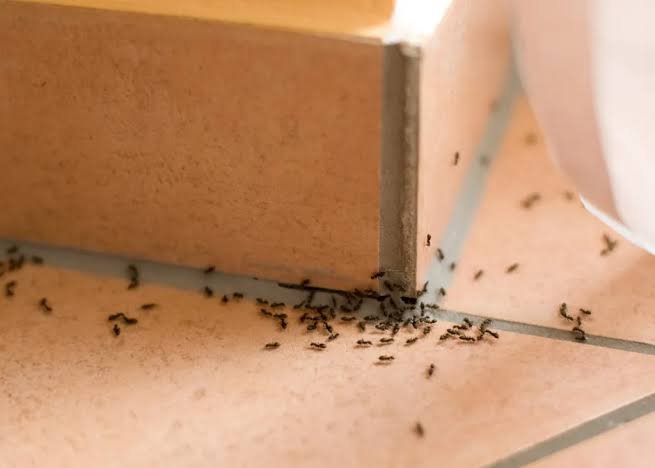
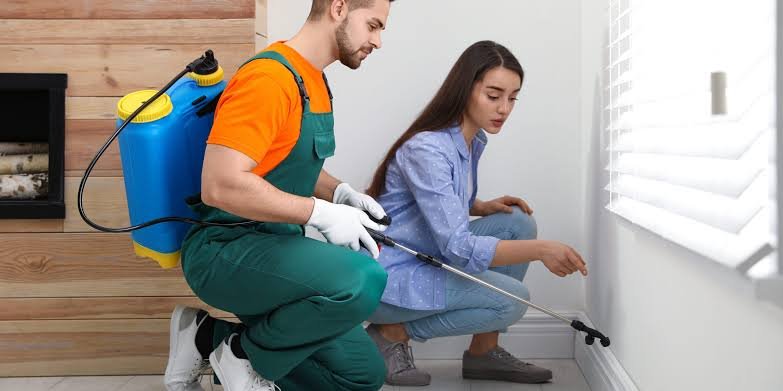
- General cockroach and ant treatment: often effective for a few months, with a follow-up recommended to catch the next breeding cycle.
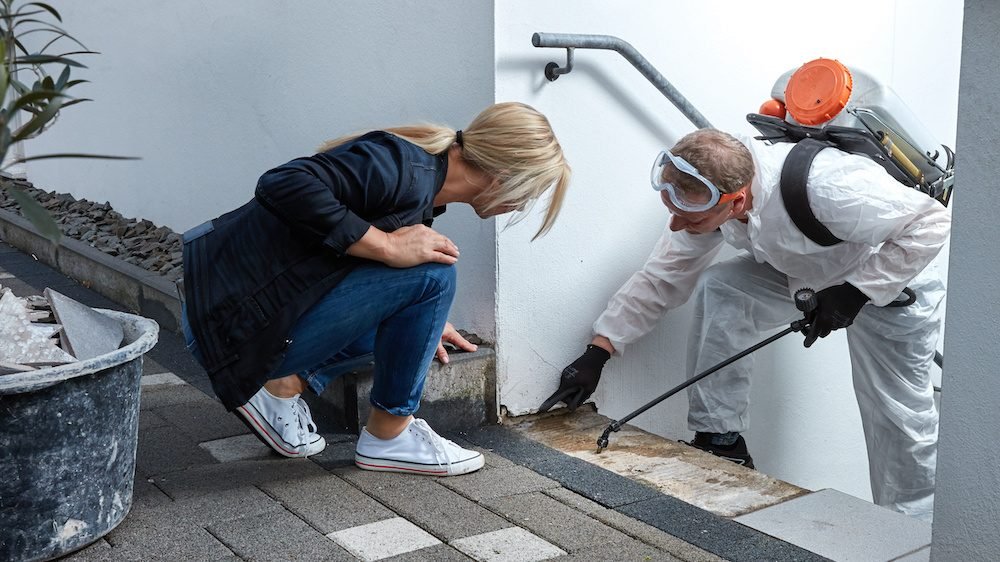
- Termite soil-barrier treatment: designed to last years, often backed by a multi-year warranty when done with good chemical.
- Mosquito fogging: very short-lived — a day or two — because it only kills adults present at that moment.
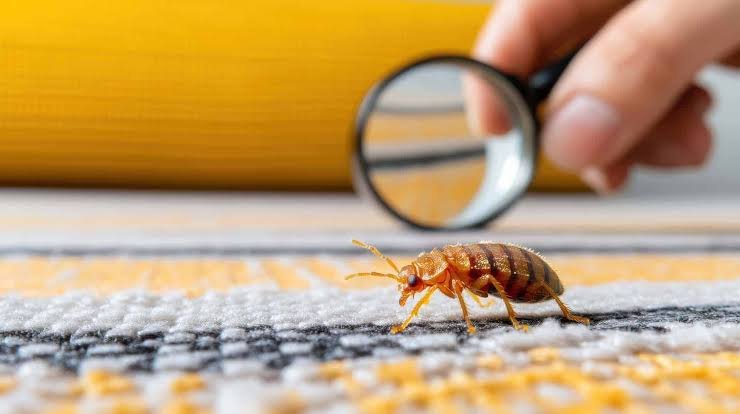
- Bed bug treatment: needs a follow-up visit within a few weeks to catch newly hatched bugs before it can be considered complete.
- Rodent control: ongoing, as new rodents can move in; baiting and proofing need periodic checks.
Why some treatments seem to "fail" quickly
When pests reappear soon after treatment, homeowners often assume the service failed. Sometimes that is true, but often the cause is something else: the treatment did not include a needed follow-up visit, the conditions that attracted the pests (moisture, food, gaps) were never fixed, or reinfestation came from a neighbour or shared drain. Understanding this helps you judge fairly — a single spray was never going to permanently end a problem whose root cause is still present.
A treatment resets the clock. How fast it runs down depends on whether you fix the conditions that invited the pests in the first place.
What makes treatment last longer
You have real influence over how long the results hold. To extend the effect of any pest treatment:
- Fix the root causes — repair leaks, remove standing water, and seal entry gaps.
- Keep up hygiene — dry wet areas, store food sealed, and clear waste promptly.
- Complete any recommended follow-up visits rather than cancelling them.
- Do not immediately mop away gel bait or residual spray where the technician placed it.
- Report early signs quickly so a small return is treated before it grows.
The case for scheduled maintenance
For most homes, the reason to move from one-off treatments to a scheduled programme is exactly this question of duration. Because no single treatment lasts forever, a planned schedule — treating at intervals matched to each pest's breeding cycle — keeps pests suppressed continuously rather than letting them rebuild between emergency calls. Annual maintenance contracts exist for this reason, and for many families they work out cheaper and far less stressful than repeated one-time treatments.
Setting realistic expectations
The healthiest way to think about pest control is as ongoing management, not a one-time cure. A good treatment dramatically reduces the problem and, combined with prevention on your side, keeps it away for a meaningful period. But expecting a single visit to guarantee a pest-free home forever sets you up for disappointment. Ask your operator honestly how long their treatment should last for your specific pest, and what follow-up they recommend — a straight answer is a sign of a trustworthy service.
How your home and habits change the answer
Two identical treatments in two different homes can last very different lengths of time, and the difference is usually the home and the people in it. A ground-floor flat next to a garden, a shared drain, or a garbage collection point faces constant pressure from outside, so treatment there wears off sooner than in a well-sealed upper-floor flat. A kitchen kept dry and clean holds a cockroach treatment far longer than one with a leaking tap and food left out. Even the neighbours matter — in an apartment, an untreated flat next door can undo your treatment within weeks by supplying a steady stream of new pests through shared walls and pipes.
This is empowering rather than discouraging, because so much of it is within your control. The same money spent on treatment buys you months more protection if you also fix the leaks, seal the gaps, and keep up the hygiene that the treatment assumes. Think of the treatment and your habits as partners: the operator resets the situation, and your daily choices decide how long that reset holds. Homes where the residents treat prevention as part of the deal rarely need frequent re-treatment, while homes that expect the spray to do everything find themselves calling again and again.
Frequently Asked Questions
How long does a general pest control treatment last?
General cockroach and ant treatments are often effective for a few months, with a follow-up recommended to catch the next breeding cycle. The exact duration depends on the pest, the treatment, and whether you fix the conditions that attracted them.
How long does termite treatment last?
A termite soil-barrier treatment is designed to last years and is often backed by a multi-year warranty when done with good chemical and proper coverage. This is much longer than treatments for fast-breeding pests like cockroaches.
Why do pests come back soon after treatment?
Common reasons are a skipped follow-up visit, unfixed root causes like moisture and gaps, or reinfestation from a neighbour or shared drain. A single treatment cannot permanently end a problem whose underlying cause is still present.
Does mosquito fogging last long?
No. Fogging only kills adult mosquitoes present at that moment, so its effect lasts a day or two. Lasting mosquito control comes from removing standing water and treating water that cannot be emptied with larvicide.
How can I make pest control last longer?
Fix leaks, remove standing water, seal entry gaps, maintain hygiene, complete recommended follow-ups, and avoid wiping away bait or residual spray the technician placed. Reporting early signs quickly also stops a small return from growing.
Is a maintenance contract better than one-time treatments?
For most homes, yes. Because no single treatment lasts forever, a scheduled programme matched to each pest's breeding cycle keeps pests continuously suppressed, which is often cheaper and less stressful than repeated emergency treatments.