You came back from a wedding trip or a work tour, and a week later you are waking up with itchy welts in a neat row along your arm. That timing is the classic sign of a hitchhiker. The way to avoid bringing bed bugs home from trains, buses and hotels is simple in principle: keep your luggage and clothes away from the places bed bugs hide while you travel, and unpack in a controlled way the moment you get home, before anything touches your bed or wardrobe.
This guide covers the specific places in Indian sleeper coaches, overnight buses and budget hotels where bed bugs wait, what to pack, and a ten-minute unpacking routine that stops most infestations before they start.
How a bed bug ends up in your suitcase
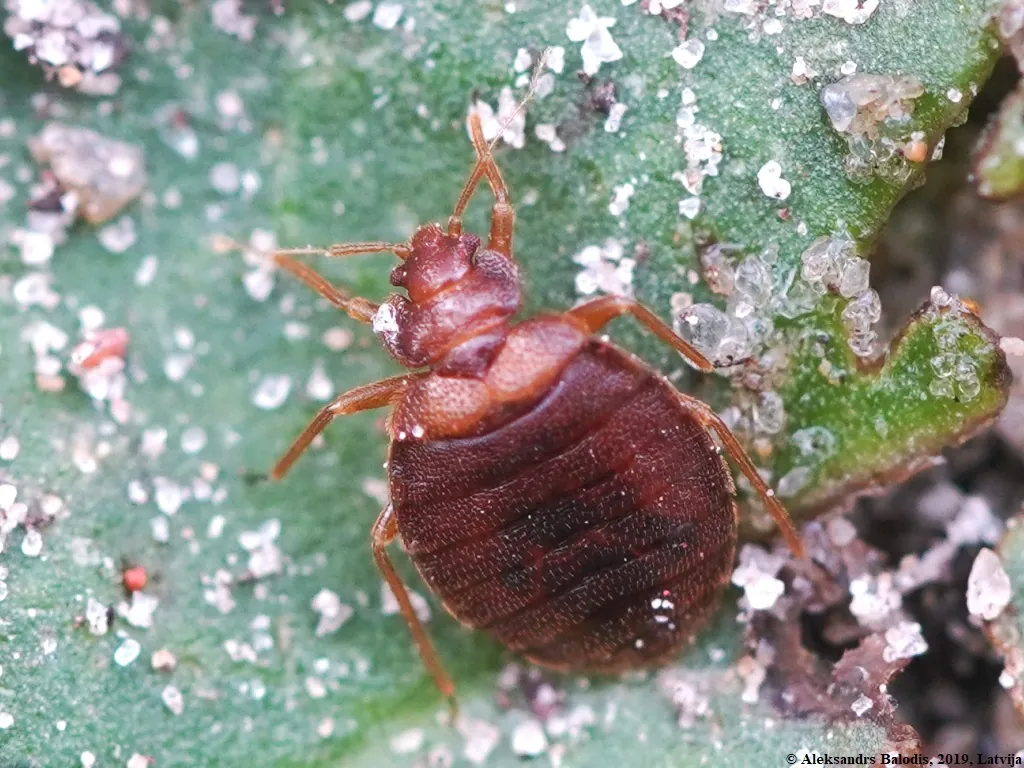
Bed bugs do not jump, fly or ride on your skin. They crawl. An adult is about the size of an apple seed, flat when hungry, and it spends the day pressed into a seam, crack or fold a short distance from where people sleep. When you put a bag on a hotel bed or push it against a berth, a bug looking for a dark gap simply walks into a zip track, a side pocket or the folds of a jacket.
In India the species you are most likely to pick up is the tropical bed bug, Cimex hemipterus, which thrives in warm, humid places, alongside the common bed bug, Cimex lectularius. Both behave the same way for a traveller. A single pregnant female in your luggage is enough to start a problem at home, because she lays a few eggs every day for weeks.
For a broader picture of identification and treatment once they are already in the house, see our main guide to bed bugs in India.
Sleeper coaches, AC berths and overnight buses
Rail and bus travel carries a different kind of risk from hotels. Berths are used every night by different passengers, cushions are rexine or cloth stretched over foam, and there are many joints and screw holes where a bug can sit. You cannot inspect a whole coach, but you can control what your things touch.
- Check the berth seams with your phone torch before you spread your sheet. Look at the stitching where the cushion meets the backrest and around the screw heads of the berth frame. Tiny black dots like ink from a fine pen are bed bug droppings.
- Keep your bag on the floor under the berth or on the metal luggage rack, not on the cushion and not wedged against the side wall where cushions meet.
- Use your own bedsheet or a thin travel liner on long journeys, and fold it inwards when you pack it so anything on the outer face is trapped inside.
- On sleeper buses, the curtain tracks and the gap where the mattress meets the cabin wall are common hiding spots. Keep jackets hung on the hook instead of stuffed into that gap.
- Put shoes and the day bag into a plastic carry bag overnight. It takes a minute and removes the easiest entry points.
If you are bitten on a train, do not panic about the whole house. Bag the clothes you wore, follow the unpacking routine below, and watch for a fortnight.
A hotel room check that takes five minutes
Before you unpack anything, leave the suitcase in the bathroom or on the tiled floor near the door. Bathrooms have hard, bright surfaces that bed bugs avoid. Then check the bed.
- Pull back the sheet at the head end and look along the mattress piping, especially the two top corners.
- Lift the corner of the mattress and look at the underside seams and the wooden base or box beneath.
- Run the torch along the back of the headboard, which is often screwed to the wall and rarely cleaned behind.
- Check the luggage rack straps and the seams of upholstered chairs.
- Look for live bugs, pale shed skins, tiny white eggs about a millimetre long, and rusty spots on the sheet.
If you find any sign, ask for a different room, preferably on another floor and not directly next door, because bed bugs travel along wiring and pipes between adjoining rooms. Photograph what you see. A good hotel will move you without argument.
Even in a clean room, keep the suitcase on the metal rack or a desk, zipped when you are not using it. Hang clothes in the wardrobe rather than leaving them in piles on the second bed.
What to pack so you have less to worry about
| Item | Why it helps | Rough cost |
|---|---|---|
| Hard-shell suitcase | Fewer seams and fabric folds for bugs to hide in | Already owned by most travellers |
| Large zip-lock or garbage bags | Separate worn clothes and seal the bag before it goes home | Under ₹100 for a roll |
| Small torch or phone light | Needed for seam checks in dim rooms and berths | Free |
| Thin cotton bed liner | A barrier on train berths and doubtful mattresses | ₹300-₹800 |
| Washable luggage cover | Can go straight into the hot wash after the trip | ₹400-₹1,000 |
Avoid carrying insect spray for the hotel bed. Spraying a mattress you will sleep on is not safe, and it does not stop bugs that are already in your bag.
The unpacking routine when you get home
This is the step that matters most, and the one almost everyone skips because they are tired after the journey. Do it before you sit on the sofa or bed.
- Open the suitcase in the bathroom, on a tiled balcony or on the floor near the entrance, never on a bed or carpet.
- Put every piece of clothing, worn or not, straight into a bag and carry it to the washing machine.
- Wash on the hottest setting the fabric allows. Around 60 degrees Celsius kills all life stages of bed bugs when the load is soaked for the full cycle.
- If you have a dryer, run the clothes on high heat for at least 30 minutes. Dry heat right through the fabric is the most reliable kill for eggs.
- For items that cannot be washed, such as a leather jacket or a pashmina, seal them in a bag and keep them in the freezer for four days, or ask a dry cleaner.
- Vacuum the empty suitcase, paying attention to zip tracks and pocket seams, then empty the vacuum outside into a sealed bag.
- Store the suitcase away from bedrooms, ideally in a sealed plastic cover, not under the bed.
Leaving a black plastic bag of clothes on a sunny terrace is a common Indian tip. It can work in a May afternoon, but the temperature inside the bag is uneven and you cannot be sure every fold got hot enough. Treat the sun as a backup, not your main method.
When prevention is not enough
Be honest with yourself here. If you are seeing bites every morning for more than a week after a trip, if you find live bugs at home, or if more than one family member is bitten, the bugs have already settled into the bed frame or mattress. Washing travel clothes at this point will not fix it. Bed bugs hide in cracks in wooden cots, behind switchboards and under skirting, and a home infestation usually needs a professional treatment with a second visit to catch eggs that hatch later.
Equally, do not book an expensive treatment because of one bite on one night. Mosquitoes, ants and allergic rashes are more common than bed bugs. Wait for a second sign, such as dark spots on the sheet or a bug you can photograph. If you do need help, our article on choosing a reliable pest control company explains what to ask for before you pay.