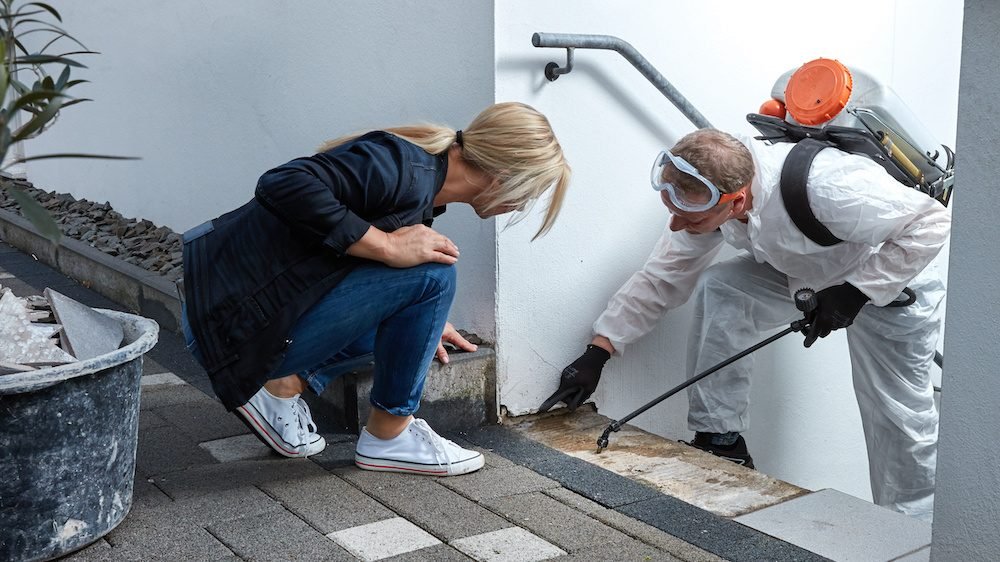
Most people fight pests after they are already inside — spraying, baiting, and cleaning. But the smartest, cheapest pest control happens at the doorway: stopping pests from getting in at all. Pests do not appear by magic; they walk, crawl, or fly through specific gaps and openings. Once you learn to see your home the way a pest does, sealing those entry points becomes obvious. This guide shows you where pests get in and how to close the doors on them.
The gaps you never notice
Pests are small and patient, and they exploit gaps you walk past every day. The most common entry points in an Indian home include:
- Gaps under and around doors, especially the main door and balcony door.
- The spaces around water pipes, drainage outlets, and gas lines where they pass through walls.
- Cracks in walls, window frames, and where the wall meets the floor.
- Open or damaged floor drains in bathrooms and the kitchen.
- Torn window and ventilator mesh.
- Gaps around air-conditioner units and exhaust fan openings.
Doors and windows: the front line
Doors and windows are the busiest highways for pests. A gap under a door wide enough to slide a pencil is wide enough for a mouse to squeeze through, and insects need far less. Fit door sweeps or brushes to close the bottom gap, repair or replace torn mesh on windows and ventilators, and make sure window frames close flush. Keeping doors shut at dusk, when many flying insects are drawn to indoor light, makes a surprising difference.
Pipes and drains: the hidden routes
Some of the most persistent pests bypass your doors entirely and come up through the plumbing. Cockroaches climb up from sewers through bathroom and kitchen drains, and rodents travel through pipe chases and gaps around plumbing. Fit drain covers or one-way flaps on floor drains, and seal the gaps where pipes enter walls with sealant or steel wool. In apartments, these hidden routes are also how pests travel between flats, which is why sealing them protects you from a neighbour's infestation too.
You cannot out-spray an open door. Seal the gaps first, and every other pest control effort works better and lasts longer.
Cracks and wall junctions
Over time, buildings develop cracks — in walls, around window frames, and where the wall meets the floor. These are ideal hiding and breeding spots, and entry routes for ants, cockroaches, and termites. Walk around your home and fill visible cracks with sealant or filler. Pay special attention to the wall-floor junction, as this is a favourite path for both ants and subterranean termites. Sealing cracks also removes the dark, undisturbed harbourages where pests breed once inside.
What you carry in yourself
Not all pests come through gaps — some you bring in. Cockroaches and their eggs hitch a ride in grocery bags, cartons, and second-hand appliances. Bed bugs travel in luggage and used furniture. Pantry insects arrive inside packets of flour, grains, and spices. Inspect groceries and packaging before storing them, check second-hand furniture carefully, and avoid keeping stacks of cardboard cartons, which are both a hiding place and a smuggling route for pests.
Make sealing a habit, not a one-time job
Buildings shift, mesh tears, and seals wear out, so entry points reopen over time. Once or twice a year — ideally before the monsoon — walk your home looking specifically for new gaps, torn screens, and worn door sweeps. This ten-minute inspection is one of the highest-value pest control habits you can build, because prevention is always cheaper and cleaner than treatment. If you use a pest control service, ask them to point out entry points during their visit so you can seal them.
Which materials to use for which gap
Sealing works far better when you match the material to the gap, because pests exploit weak fixes. For gaps around pipes and larger openings where rodents could squeeze through, steel wool packed tightly before sealant works well, because rodents cannot gnaw through steel wool the way they chew through plain filler or foam. For cracks in walls and around window frames, a good sealant or filler closes the space that insects hide and breed in. Door gaps are best handled with a fitted door sweep or brush strip rather than a temporary rolled towel, and torn mesh should be repaired or replaced rather than patched with tape that soon peels.
The principle is to make each seal durable and appropriate, not just quick. A gap stuffed loosely with newspaper or cloth is not sealed — pests simply push through or nest in it. When you do the job properly with the right material, the fix lasts for years and quietly keeps pests out the whole time. If a gap is large, structural, or you are unsure how to close it safely — for example around gas or electrical lines — it is worth getting help rather than improvising. Good sealing is unglamorous work, but it is the foundation that makes every other pest control effort in your home more effective and longer lasting.
Frequently Asked Questions
What are the most common ways pests enter a home?
Pests enter through gaps under doors, spaces around pipes and drains, cracks in walls and window frames, torn mesh, and open floor drains. Some are also carried in through groceries, cartons, and second-hand furniture.
How do cockroaches get into a clean home?
Cockroaches often come up through bathroom and kitchen drains from the sewer, or hitch a ride in grocery bags and cartons. Fitting drain covers and inspecting packaging helps stop them even in a spotless home.
How do I seal the gaps around pipes?
Fill the spaces where pipes enter walls with sealant or steel wool, and fit covers or one-way flaps on floor drains. These are major hidden entry routes for cockroaches and rodents, and sealing them also stops pests travelling between flats.
Do door gaps really let pests in?
Yes. A gap under a door wide enough for a pencil can let a mouse through, and insects need far less. Fitting door sweeps or brushes and keeping doors shut at dusk significantly reduces pest entry.
Can I bring pests into my home myself?
Absolutely. Cockroach eggs travel in grocery bags and cartons, bed bugs in luggage and used furniture, and pantry insects inside flour and grain packets. Inspecting these before storing them prevents introducing pests.
How often should I check my home for entry points?
Once or twice a year, ideally before the monsoon, walk your home looking for new cracks, torn screens, and worn door sweeps. This quick habit prevents infestations and makes any other pest control more effective.