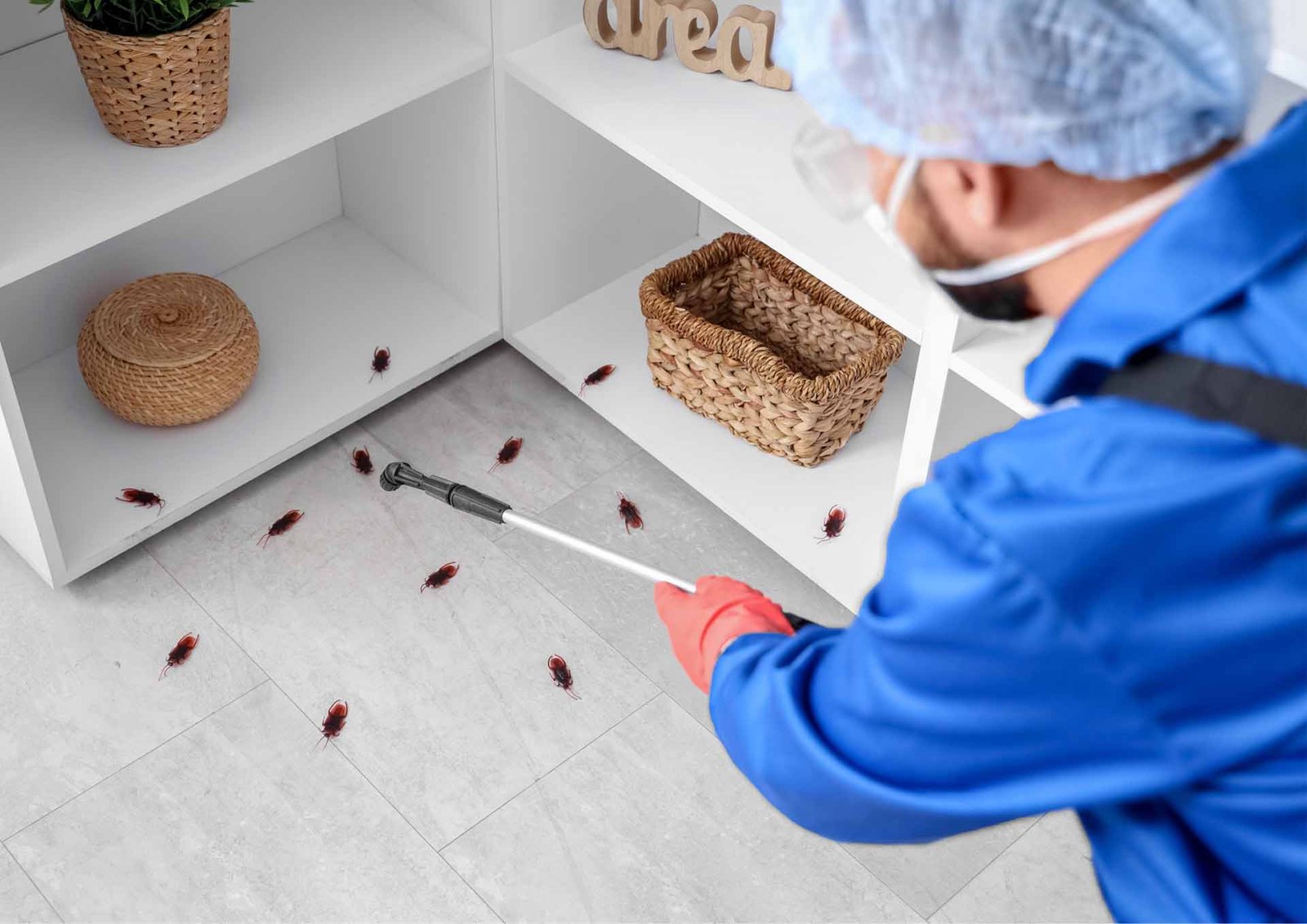
The kitchen is where most pest control treatments in India are done, and it is also where most complaints come from. A family gets the kitchen treated, sees results for a few weeks, and then the cockroaches, ants or tiny flying insects are back. After two or three rounds, many people conclude that pest control simply does not work. Usually, the treatment worked as intended; something else brought the pests back.
This article goes through the specific reasons kitchen pests return, one by one, and what breaks each cycle.
Reason 1: The eggs were not reached
A German cockroach carries an egg case containing around 30 to 40 eggs and keeps it attached until shortly before hatching. The case protects the eggs from most insecticides. If the treatment kills adults but not the egg cases tucked away in hinges and cracks, a fresh generation appears around two to four weeks later. This is why a follow-up visit around 14 to 21 days after the first is so important for cockroaches. It catches the nymphs before they mature and lay eggs of their own.
Reason 2: The wrong treatment for the species
Different kitchen pests need different methods. Treating small German cockroaches with a broad spray scatters them into new cracks. Spraying ant trails kills foragers while the queen and nest are untouched. Using cockroach bait on pantry moths does nothing at all. When the pest is misidentified, the treatment is wasted.
| What you see | Likely pest | Method that works |
|---|---|---|
| Small brown cockroaches in cabinets during the day | German cockroach | Gel bait in hinges and cracks, plus follow-up |
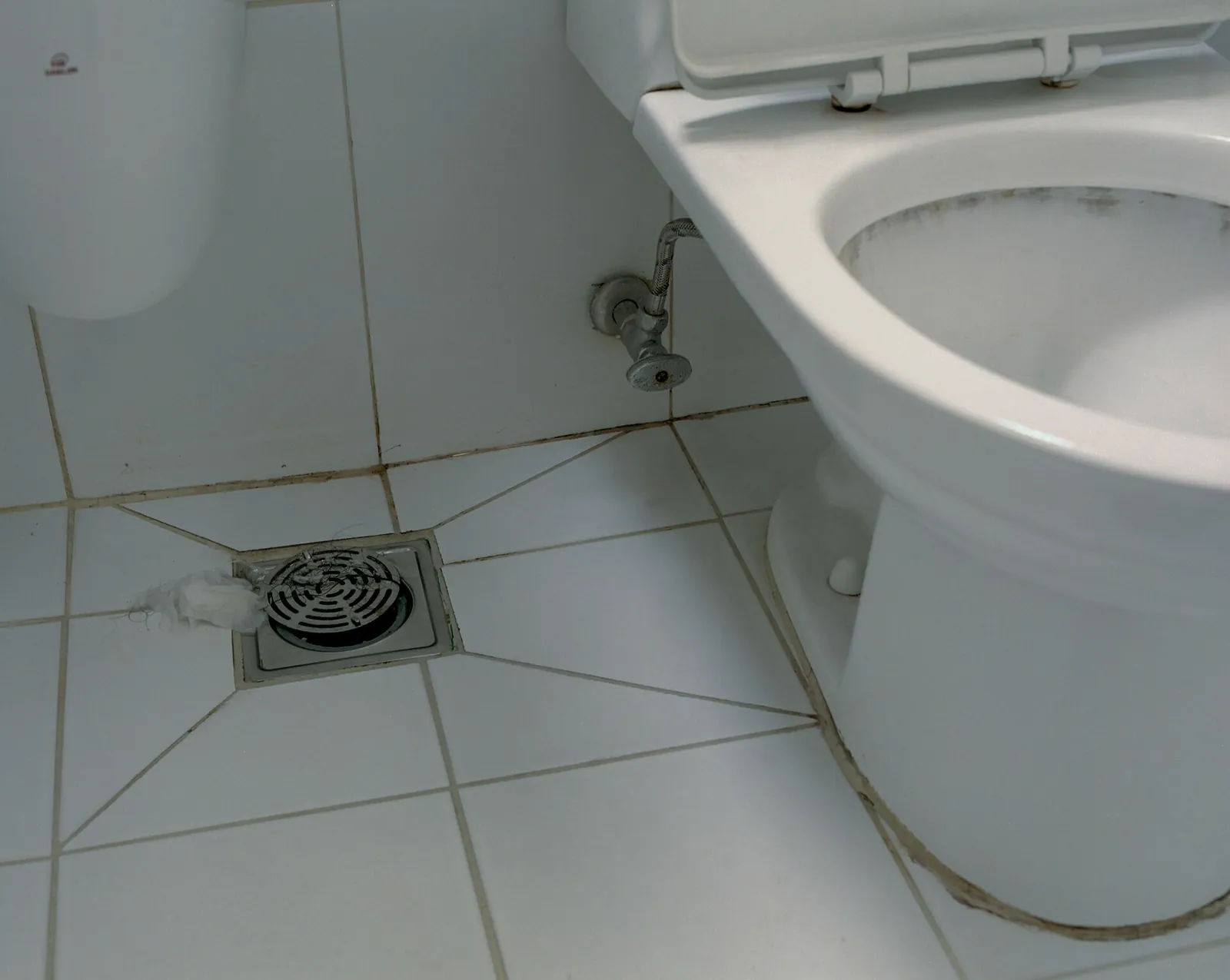
| Large cockroaches near the sink drain at night | American cockroach | Drain sealing and floor trap; drain treatment |
| Lines of tiny ants to sugar or oil | Sugar or ghost ants | Slow-acting bait gel near trails, no spray |
| Small moths fluttering near the pantry | Indian meal moth | Find and discard infested grain; airtight storage |
| Tiny black beetles in atta or rice | Flour beetles or weevils | Discard infested stock; freeze new grain for 3 to 4 days |
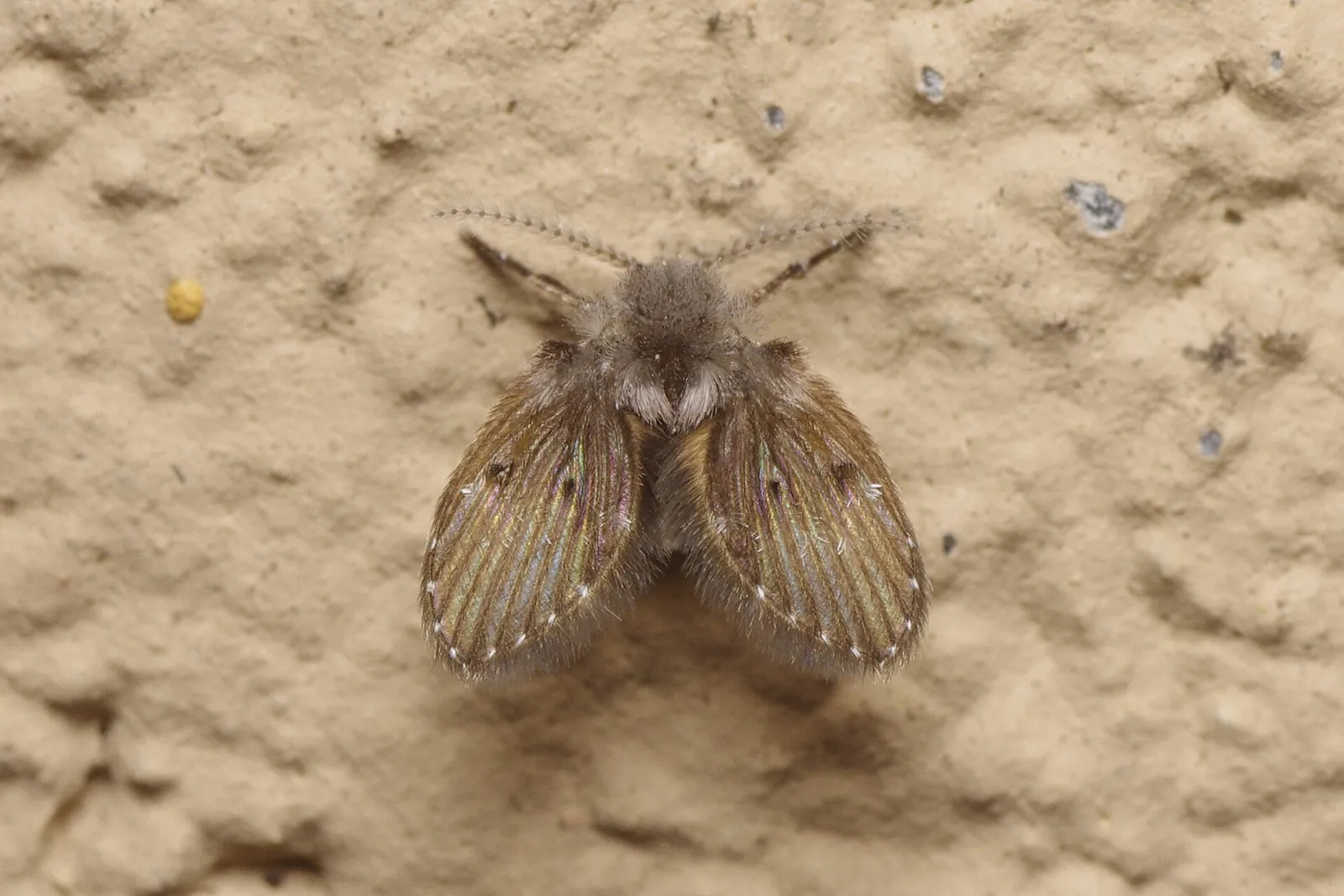
| Tiny flies around fruit or the sink | Fruit flies or drain flies | Remove ripe fruit; scrub drain slime |
Reason 3: Bait aversion and resistance
Cockroaches can learn to avoid baits. Some German cockroach populations have developed an aversion to glucose, a sugar used in older bait formulas, so they reject those baits completely. Repeated use of the same spray chemical for years also selects for cockroaches that survive it. When the same product is used every time, results tend to get shorter.
Ask your pest control provider whether they rotate bait formulations and active ingredients. A provider who uses the same product at every visit for years is more likely to see declining results.
Reason 4: Shop-bought sprays are interfering
This one surprises many families. After a professional gel treatment, someone in the house sees a cockroach and sprays it with a household aerosol. The spray contaminates the bait, and many sprays also repel cockroaches, so they stop eating the bait. The professional treatment then fails. If you have had gel bait applied, avoid aerosols in the kitchen until the follow-up visit.
Strong cleaners have a similar effect. Wiping hinges and cabinet corners with bleach or phenyl removes the bait dots or makes them less attractive.
Reason 5: A source you are not seeing
If pests keep returning, there is often a source that was not part of the treatment. Common examples include the hollow space under modular kitchen cabinets, the inside of the fridge motor housing, the space behind a built-in oven or chimney, a drainage shaft behind the kitchen platform, a store room where groceries are kept in cartons, and a neighbouring flat sharing the same plumbing.
- Pull out the skirting panel at the base of modular cabinets and look inside with a torch.
- Check the back of the fridge and the compressor area for droppings that look like ground pepper.
- Look for gaps where the kitchen platform meets the wall or the plumbing shaft.
- Ask the neighbours on either side, and above and below, whether they have the same problem.
Reason 6: New pests come in with groceries
Rice weevils, flour beetles and pantry moths usually arrive inside packets bought from the shop. German cockroaches arrive in cartons from wholesalers or delivery warehouses. Every grocery trip can bring in a few new pests, especially when supplies are bought in bulk.
- Unpack groceries outside the kitchen and throw cartons away the same day.
- Transfer grains, dals and flour into airtight steel, glass or thick plastic containers.
- Freeze new flour or semolina for three to four days if pantry pests have been a problem; this kills hidden eggs.
- Use older stock first and do not mix new grain into old containers without cleaning them.
Reason 7: Water and grease are still available
Even in a well-treated kitchen, a slow drip under the sink, a wet dish rack left overnight or grease build-up behind the stove keeps pests alive and attracts new ones. A kitchen that offers water and food will always attract pests from nearby, no matter how good the treatment. Drying the sink area at night, cleaning grease behind the stove and fridge once a month, and fixing leaks reduce the pull.
Reason 8: The kitchen was treated, the store room was not
Many Indian homes keep bulk rice, dal, oil tins and spare utensils in a separate store room, loft or balcony cupboard. Pest control bookings often list only the kitchen, so these areas are never treated. Cockroaches and pantry pests breed there undisturbed and walk back into the kitchen within weeks. When booking, include every place food or packaging is stored, and point these spots out to the technician.
Breaking the cycle
The combination that stops kitchen pests coming back is straightforward. Identify the exact pest. Use the method that suits that species, including a follow-up visit. Avoid household sprays and harsh cleaners on treated spots. Find and treat hidden sources inside units and appliances. Seal the routes from drains and shafts. Store food properly, unpack groceries outside the kitchen, and keep the area dry overnight. In apartment buildings, coordinate with neighbours if the problem keeps returning.