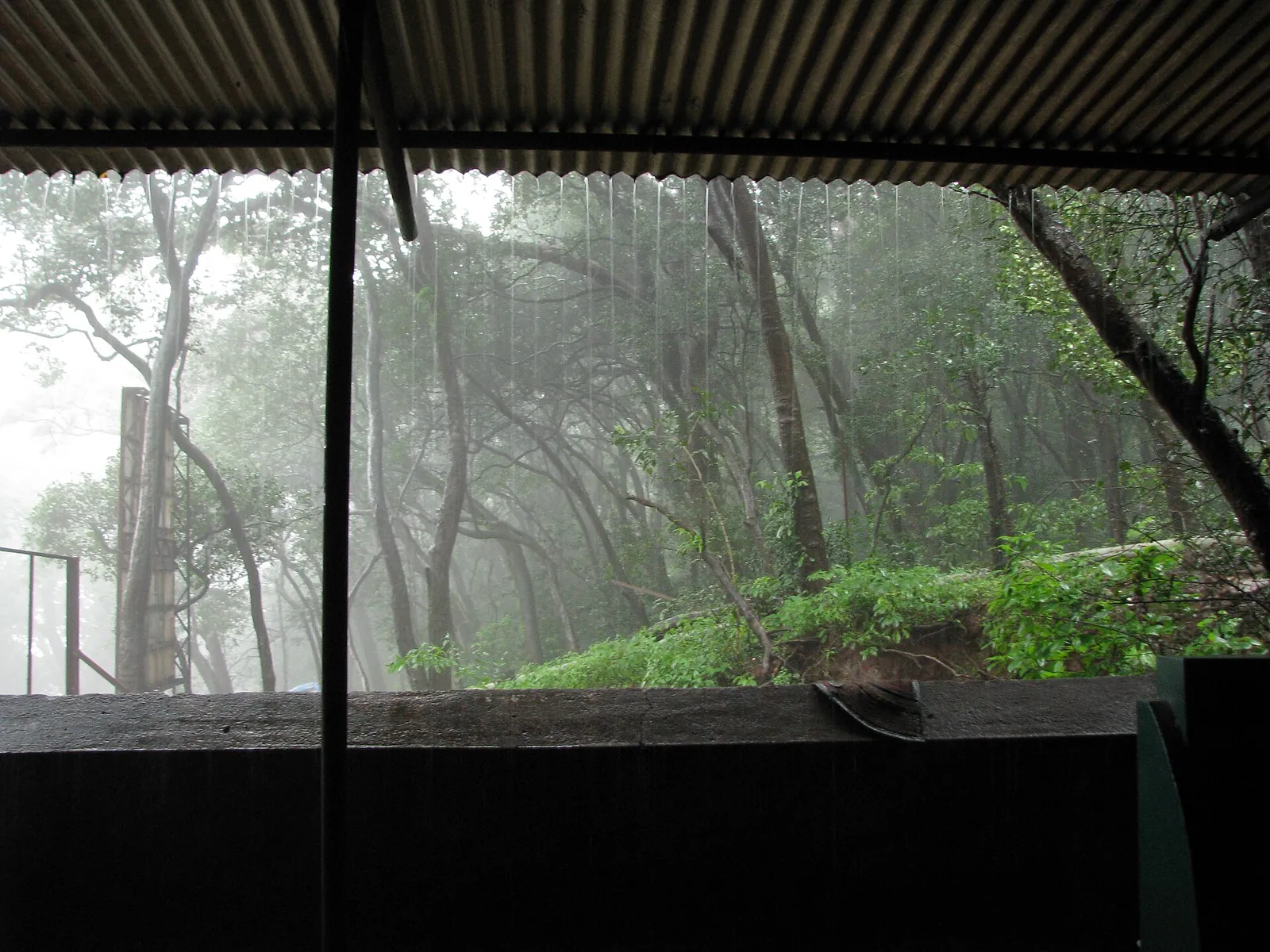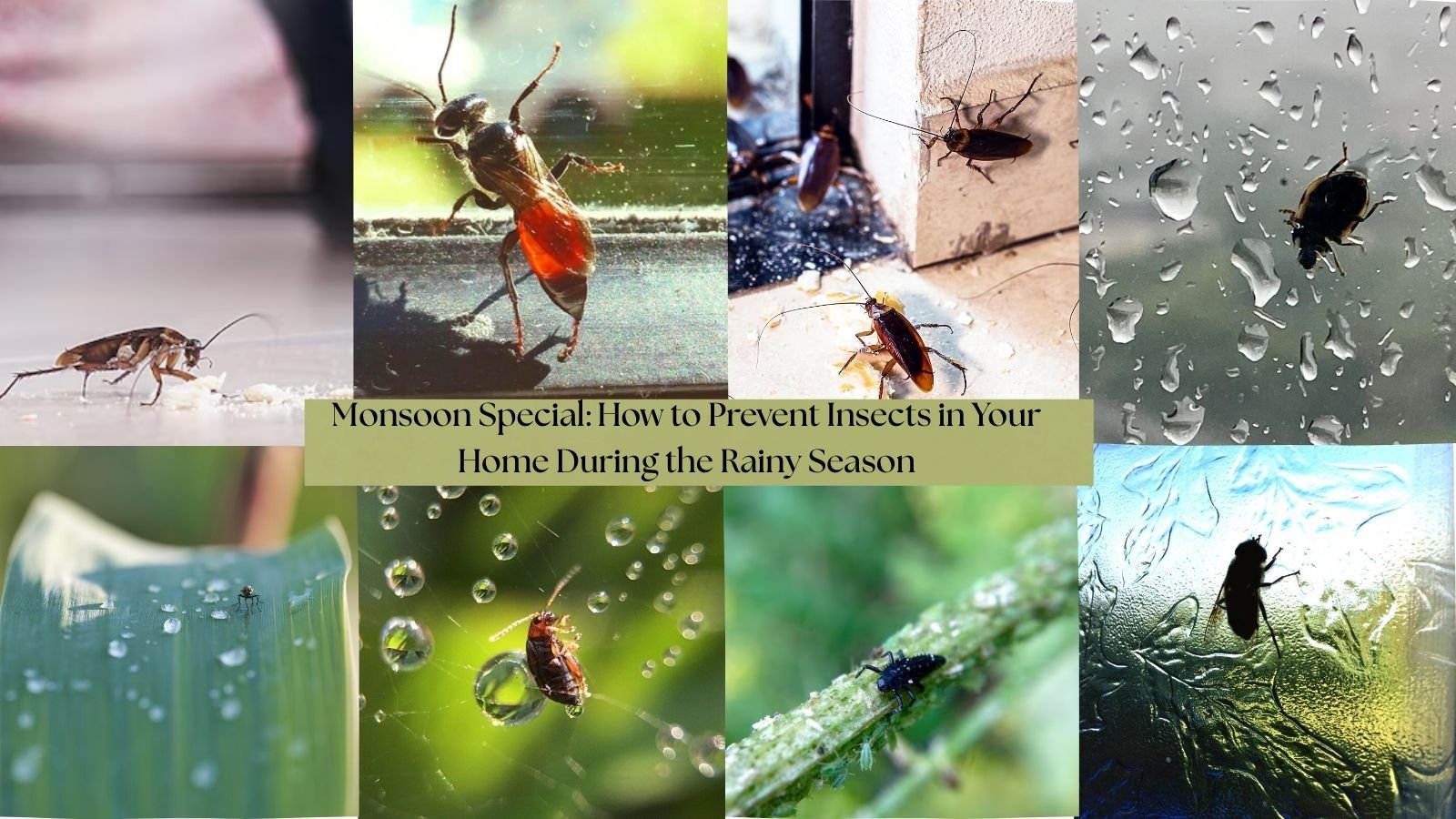
The monsoon is the busiest time of year for pest control in India, and not just because of cockroaches. Rain, humidity and flooding change where almost every household pest lives, what it eats and how fast it breeds. Some pests arrive from outside, some come up from the ground, and some were already in the house and simply multiply. Knowing which is which tells you where to put your effort.
Below are the eight pests that cause the most monsoon calls, grouped by where they come from, with the specific prevention step that works best for each.
Pests that come up from below
Termites
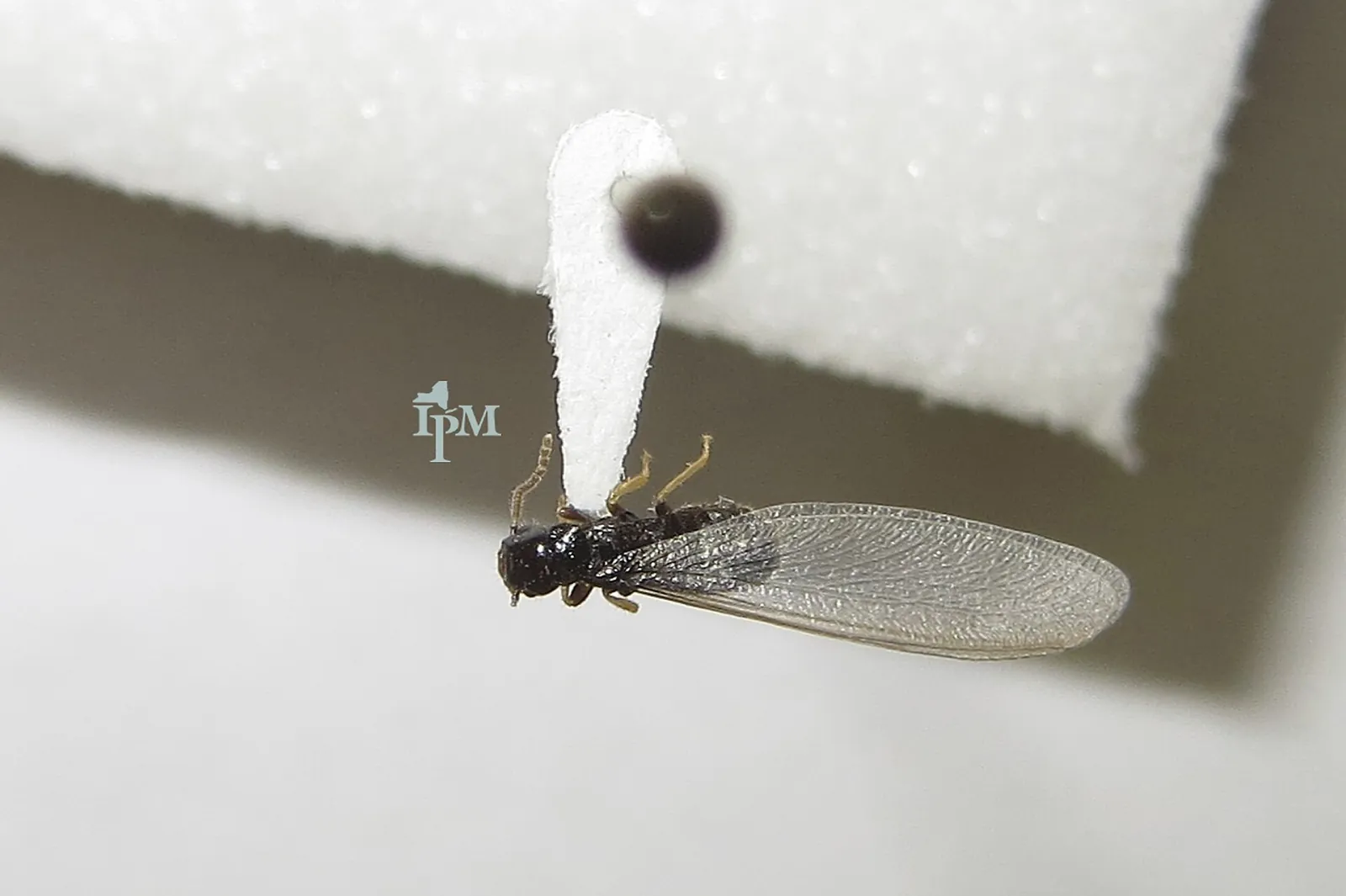
The first heavy rains trigger termite swarming. Winged reproductive termites, called alates, leave the colony in the evening and fly towards lights. You will find them around tube lights and windows, and then a carpet of shed wings the next morning. A swarm inside the house means a colony nearby, possibly inside your walls. The prevention step is to switch off outdoor lights during swarm evenings, keep windows meshed, and get an inspection if wings appear indoors rather than just outside.
Rats
Rain floods burrows and drains, pushing rats and bandicoots into buildings. Ground-floor flats, shops and car parks see them first. Monsoon rats are also a public health concern because their urine spreads leptospirosis through floodwater. Seal openings around drain pipes and under doors, never leave food waste outside the door overnight, and avoid walking barefoot in waterlogged areas.
American cockroaches
These climb out of flooded sewers into bathrooms. Self-closing floor traps and sealed pipe gaps are the fix, as explained in our guide to monsoon cockroaches.
Pests that breed in rainwater
Mosquitoes
Dengue cases in India rise sharply from July to October because Aedes aegypti breeds in clean water collected in containers. One week is enough for a new generation, so a weekly emptying routine is the strongest defence. Look beyond the obvious: old tyres on the terrace, the tarp over a parked bike, the tray under a potted plant, broken buckets in the society compound and the overhead tank lid that does not close properly.
Drain flies and moth flies
These small, fuzzy, moth-like flies sit on bathroom walls. They breed in the slimy film inside drain pipes, which grows faster in the monsoon. Pouring a cup of hot water followed by scrubbing the inside of the drain with a long brush removes the film where their larvae live. Chemical sprays on the walls do not reach the source.
Pests that thrive in damp
Silverfish and booklice
Humidity above 75 percent lets them spread out of bathrooms into wardrobes and bookshelves. They damage paper, clothes and stored grain. Keep cupboards slightly open on dry days, put silica gel sachets in boxes of documents, and fix any seepage on walls behind wardrobes.
Fungus gnats and fruit flies
Overwatered indoor plants and rotting fruit attract tiny black flies. Let the top 2 cm of soil dry between watering, and store fruit in the fridge during humid weeks. A small bowl of vinegar with a drop of dish soap traps fruit flies.
Pests that move indoors for shelter
Ants
Rain floods ant nests in gardens and soil, so colonies move into dry wall cavities and kitchens. Seal cracks along skirting and windows, keep sugar and jaggery in sealed jars, and use bait gel rather than chalk lines, which only redirect them.
Snakes, frogs and centipedes
In ground-floor homes near open land, the monsoon brings frogs, which in turn attract snakes. Centipedes and millipedes also come in to escape wet soil. Keep a clear, short-grass strip around the house, block gaps under main doors with a rubber door sweep, and avoid stacking bricks or wood against the walls.
Monsoon pest summary
| Pest | Peak months | Strongest single prevention step |
|---|---|---|
| Termites | June to July swarms, damage all season | Inspect if wings appear indoors |
| Rats | July to August | Seal drain and door gaps; remove night waste |
| Mosquitoes | July to October | Empty every water container weekly |
| Drain flies | July to September | Brush out the slime film inside drains |
| Silverfish | August to October | Bring humidity down and fix seepage |
| Ants | June to August | Bait gel and seal skirting cracks |
| Snakes and centipedes | June to September | Door sweeps and a clear strip around the house |
Society-level prevention matters more in the rains
In apartment buildings, many monsoon pests come from shared spaces: the basement drain, the terrace water tank, the garbage room and the open plot next door. One flat treating itself while the common areas are ignored is fighting with one hand tied. Ask your committee to schedule a pre-monsoon treatment of drains, chambers, the garbage area and the terrace in late May, and a mosquito larvicide round every two to three weeks after that.
A ten-minute weekly routine for the rainy months
Most monsoon prevention fails not because people do not know what to do, but because they do it once in June and forget by August. A short fixed routine, done on the same day every week, is easier to keep up. Sunday morning works for many families.
- Walk the balcony and terrace and tip out every container holding water, then scrub plant saucers with an old toothbrush.
- Pull the tray from under the fridge, empty it and wipe it dry.
- Pour a kettle of hot water down each bathroom and kitchen drain, then brush the inside of the drain opening.
- Check skirting and window corners for mud lines or small piles of wings, the two early signs of termites.
- Open wardrobes and cupboards on any dry, sunny hour and leave them open for a while.
- Look at the floor trap covers and door sweeps; replace any that have come loose.
If you live in a society, the same routine at building level should be on the housekeeping staff's checklist for the common terrace, the basement and the garbage room.
What not to waste money on
Ultrasonic plug-in repellers are sold heavily every monsoon. Independent studies have repeatedly found that they have little or no lasting effect on cockroaches, rodents or mosquitoes. Daily fogging of the whole society also looks reassuring but mainly kills adult mosquitoes flying at that moment. The money is usually better spent on larvicide, floor trap covers and window mesh.