The result of a pest control visit depends a lot on what happens before the technician arrives. A technician who walks into a fully loaded kitchen, a bed covered in clothes and a balcony stacked with boxes can only treat what they can reach, and pests hide precisely in what they cannot reach. Twenty minutes of preparation often makes the difference between a treatment that lasts three months and one that seems to fail in three weeks.
Preparation is different for each type of treatment. Use the section that matches the service you have booked.
Before booking: questions to ask
- Which pest is being treated, and which rooms will be included?
- What method will be used: gel, spray, dust, drilling, fumigation or a combination?
- How long should people and pets stay out afterwards?
- Is a follow-up visit included, and when?
- What should be emptied, covered or moved before the visit?
A good company will answer these clearly and may send a preparation checklist. If they cannot tell you the method or product, that is worth noticing.
Preparing for a cockroach and ant treatment
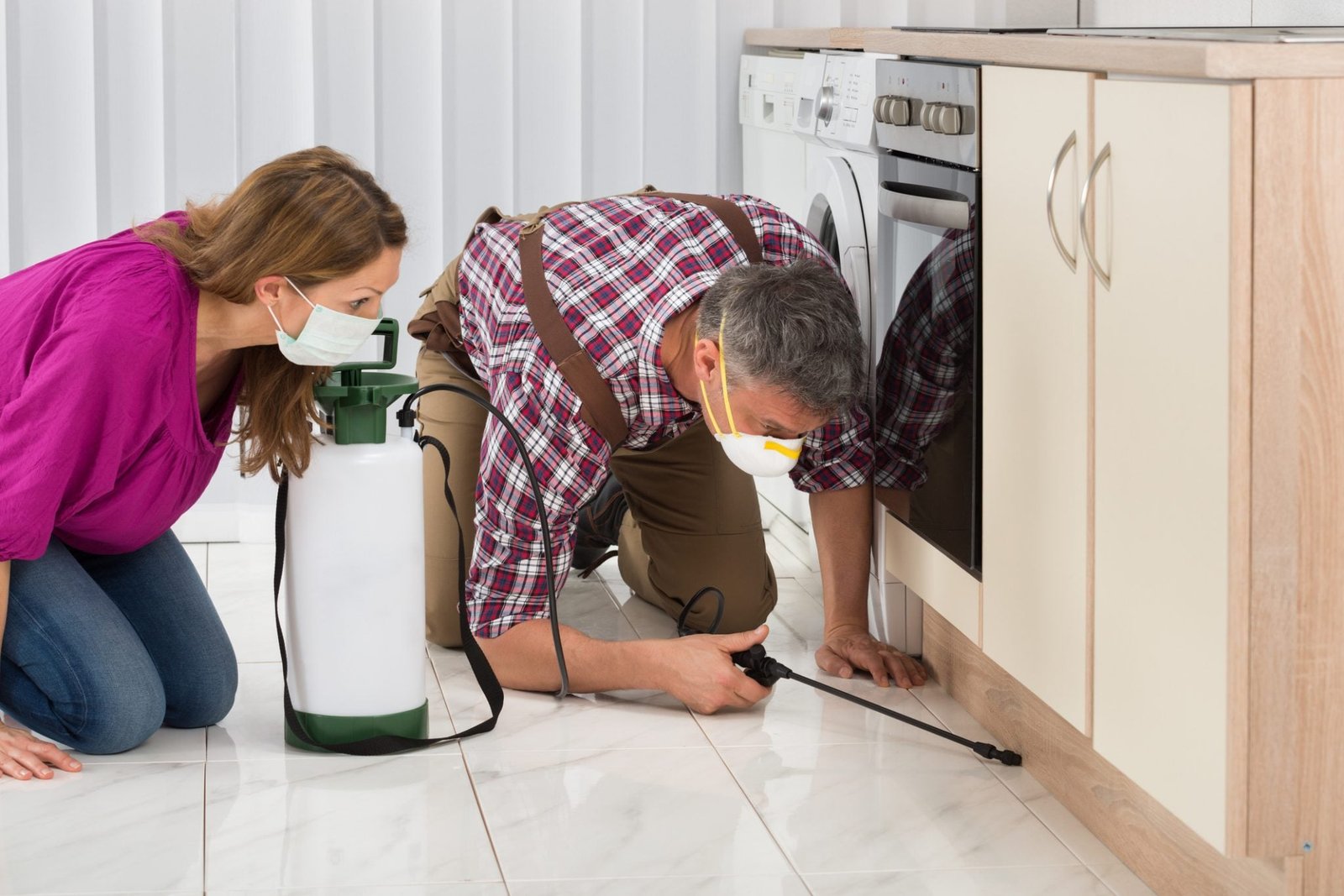
Most general pest control in Indian homes is for cockroaches and ants, using gel bait in the kitchen and a crack-and-crevice spray elsewhere. The technician needs access to the places where cockroaches hide: cabinet hinges, the back of drawers, around the sink, under the stove and behind appliances.
- Empty the cabinets under the sink and the ones closest to the stove, or at least push items to the front so the back corners can be reached.
- Move groceries, spices and open food into sealed containers or a closed bag, and store them in a room that will not be treated.
- Pull the fridge and washing machine slightly away from the wall if possible.
- Clear the kitchen counter completely.
- Do not clean with strong cleaners on the day of treatment; a freshly bleached surface can make gel bait less attractive.
- Do not spray any shop-bought insecticide in the days before a gel treatment, because it repels cockroaches from the bait.
Preparing for a bed bug treatment
Bed bug treatment needs the most preparation, and it is where skipping steps costs the most. Bed bugs hide in seams, joints and folds, and in clutter around the bed.
- Strip all bedding, curtains and cushion covers from the affected rooms and wash them in hot water, ideally 60 degrees, or dry them in strong sun for several hours.
- Bag clean items in sealed plastic bags so they are not re-infested.
- Empty bedside tables and the area under the bed. Do not move these items into other rooms unbagged, or you will spread the bugs.
- Stand mattresses on their side or as the technician advises so seams and the bed frame can be treated.
- Vacuum the mattress, bed frame and floor edges, and throw the vacuum bag away outside the home.
- Keep wardrobes closed if they are not being treated, and tell the technician if anyone sleeps on a sofa, since that will need treatment too.
Preparing for termite treatment
Post-construction termite treatment involves drilling holes along the junction of the floor and the walls and injecting chemical. It is dusty and the technician needs space to work along every wall.
- Move furniture at least 30 to 45 cm away from the walls in the rooms being treated.
- Empty the lower shelves of wardrobes and cabinets that show termite activity so they can be drilled and treated.
- Remove rugs and floor mats near walls.
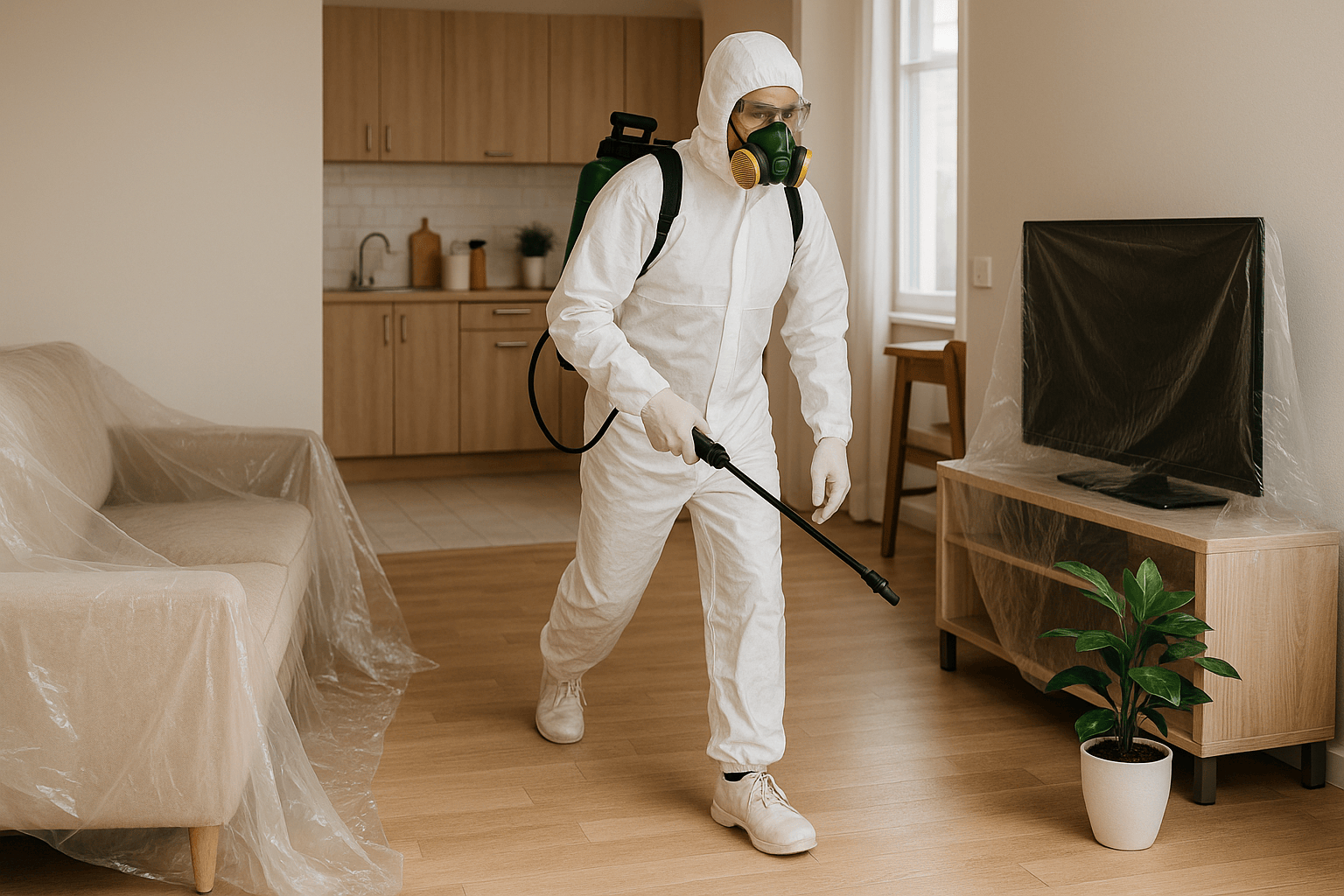
- Cover beds, sofas and electronics with old sheets to protect them from drilling dust.
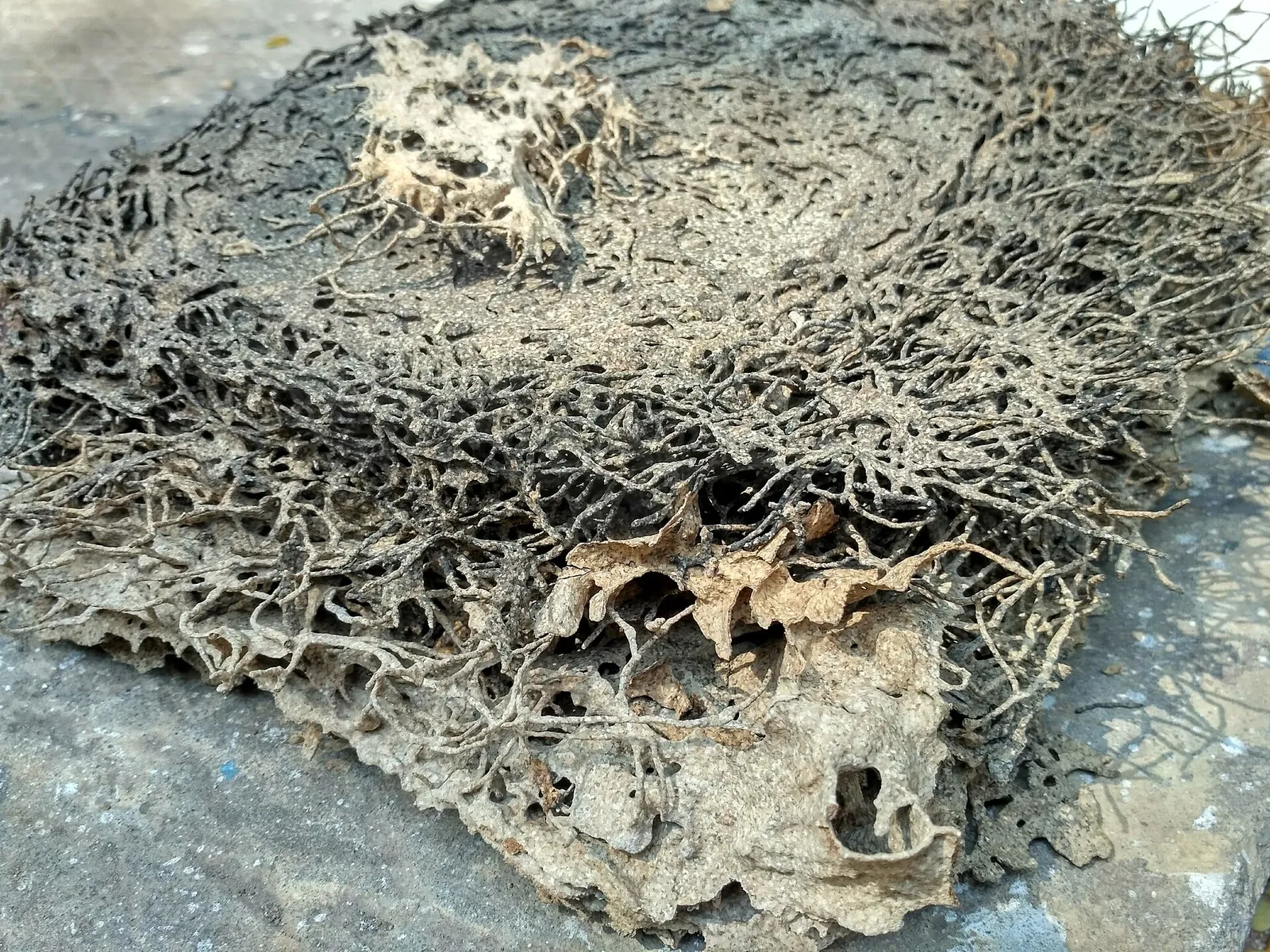
- Point out every spot where you have seen mud tubes or damage; do not clean them away before the visit, as they help the technician find the active areas.
Preparing for mosquito and fly treatment
For indoor mosquito spraying, cover or remove food, cover fish tanks and switch off the air pump, and close the doors of rooms that are not being treated. For outdoor larvicide work, make sure the technician can reach the terrace, overhead tank, garden and drains. Empty containers you know hold water before the visit; there is no need to pay someone to treat a bucket you can tip out.
Preparation checklist at a glance
| Task | Cockroach / ant | Bed bugs | Termites | Mosquito spray |
|---|---|---|---|---|
| Remove or seal food | Yes | If in bedroom | If near walls | Yes |
| Empty cabinets | Under sink and near stove | Bedside tables | Affected units | No |
| Move furniture from walls | Fridge and machine | Bed frame | All rooms treated | No |
| Wash fabrics hot | No | Yes, all bedding | No | No |
| Children and pets out | Only for spray | Yes | Yes, during drilling | Yes |
| Cover fish tanks | If spraying nearby | If in room | If in room | Yes |
Special cases: elderly members, asthma and pregnancy
If anyone at home has asthma, a lung condition or is pregnant, tell the company when booking. Most will switch to gel and bait methods that release nothing into the air, or schedule spraying for a time when that person can be away for the day. Elderly family members who cannot easily leave the house can usually stay in a closed, untreated room with a window open while the rest of the flat is done.
On the day: during the visit
Stay available to answer questions and show the technician where you have seen pests. Pest sightings, droppings, bite patterns and the times you see activity help them target the treatment. Make sure the technician wears gloves and, for spraying, a mask, and that the product containers carry proper labels.
Ask for a service report, either printed or on WhatsApp, listing the areas treated, the products used and the re-entry time. This is useful if the problem returns and you need to claim a free follow-up.
After the treatment
- Stay out of sprayed rooms for the time advised, then open windows and run fans.
- Do not wipe away gel bait dots or dust placed in cracks; they need to stay there to work.
- Avoid mopping along the edges of treated rooms for the first few days, or as advised.
- Expect to see more cockroaches for a few days after gel treatment as they come out of hiding; this usually means the bait is working.
- Note any activity after two weeks and report it before the follow-up date.