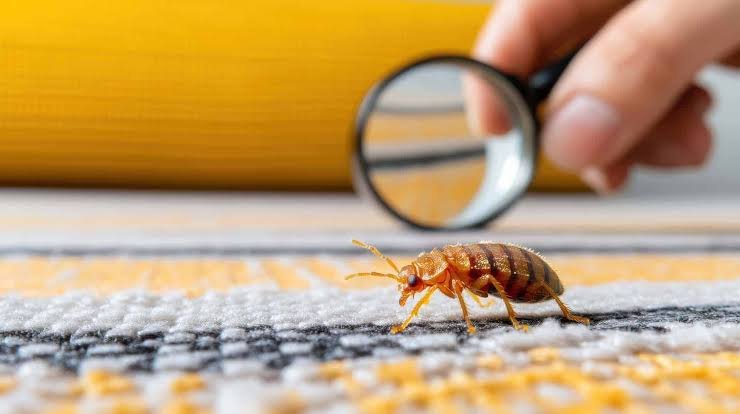
Some pest problems can be handled with a bit of cleaning and a store-bought spray. Others are signals that the situation is already beyond a DIY fix and needs a professional. The trick is knowing the difference before a small problem becomes a large, expensive one. Here are ten clear warning signs that it is time to stop improvising and call a professional pest control service.
1. You see pests during the day
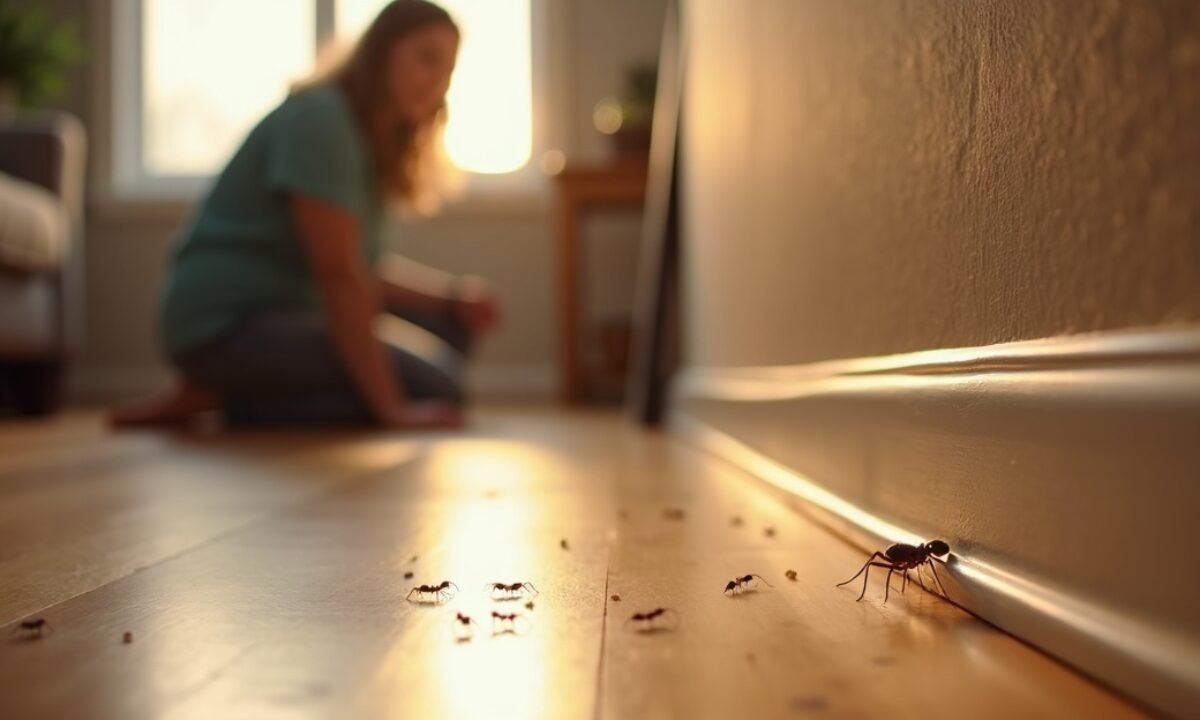
Many pests, especially cockroaches and rodents, are nocturnal and hide during daylight. When you start seeing them in the daytime, it usually means the hidden population has grown so large that they are forced out to find food and space. Daytime sightings are one of the clearest signs that the infestation is well established and needs professional treatment.
2. Droppings or gnaw marks appear
Finding droppings in cabinets, along skirting, or in store rooms is a strong sign of a rodent or cockroach population you cannot see. Gnaw marks on food packaging, furniture, or wiring point to rodents and are especially urgent, because chewed electrical wiring is a fire hazard. These physical traces mean pests are living and feeding in your home, not just passing through.
3. Mud tubes or hollow-sounding wood
Thin brown tubes of mud running up walls or across foundations are the signature of subterranean termites. Wood that sounds hollow when tapped, or paint that bubbles unexpectedly, can mean termites are eating the timber from inside. Termite damage is silent and structural, so these signs warrant a professional inspection without delay.
4. Recurring bites or sleepless nights
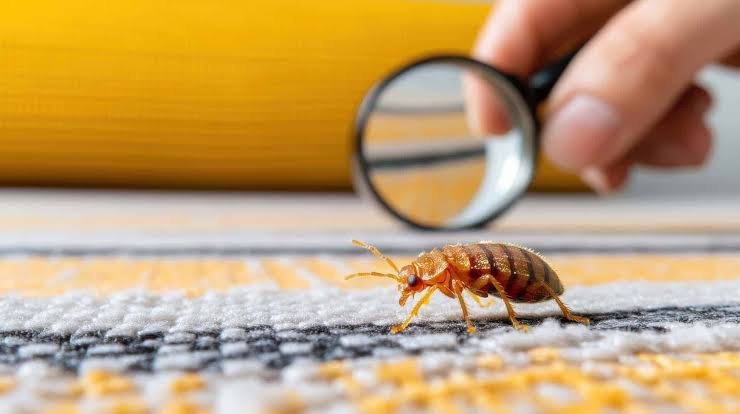
Waking with rows or clusters of itchy bites, finding tiny blood spots on bedsheets, or spotting small dark dots in mattress seams point to bed bugs. Bed bugs are notoriously hard to eliminate at home because of their hidden eggs, and they almost always need professional treatment with a follow-up visit.
More signs that DIY is not enough
Beyond the big four, watch for these additional warning signs:
- Pests keep returning within weeks no matter how much you clean and spray.
- You notice a musty, unusual smell that can accompany heavy cockroach or rodent infestations.
- You find nests, egg cases, or shed skins in hidden corners.
- Multiple flats or neighbours have the same problem, meaning it is building-wide.
- Someone at home develops unexplained allergies, asthma flare-ups, or skin reactions.
- You are dealing with a stinging or dangerous pest — a wasp nest, bee hive, or snake.
DIY handles a stray pest. When the signs point to a hidden, established, or spreading population, that is exactly the moment a professional saves you money — not the moment to keep improvising.
Why professionals succeed where DIY fails
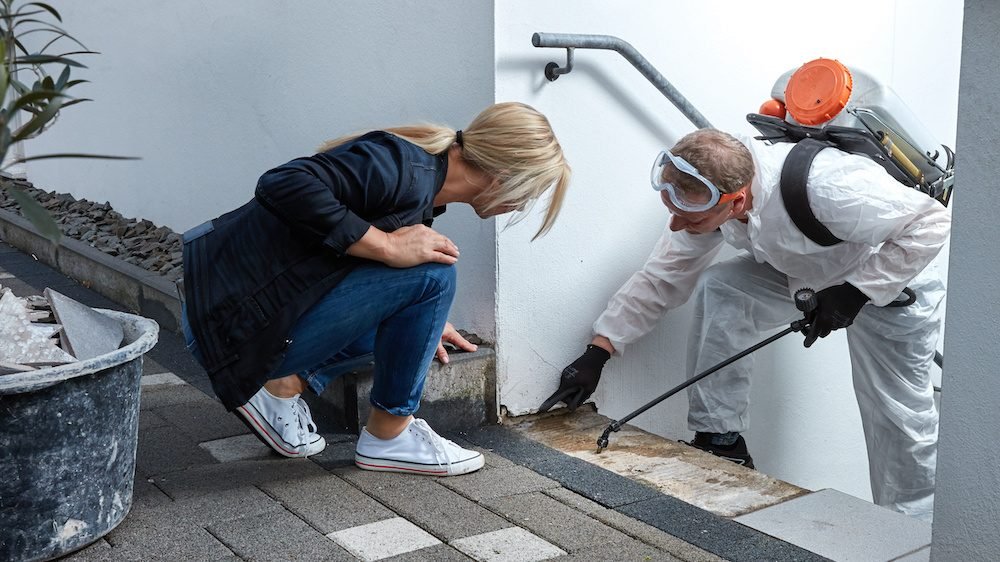
Store-bought sprays kill the pests you can see but rarely reach the hidden population that keeps the infestation going. Professionals bring an accurate diagnosis, commercial-grade products like gel baits and growth regulators, the ability to treat shared drains and structural areas, and — importantly — follow-up visits timed to breeding cycles. This combination breaks the cycle rather than trimming its visible edge, which is why the right professional treatment often works out cheaper than months of failed DIY attempts.
What to do when you spot these signs
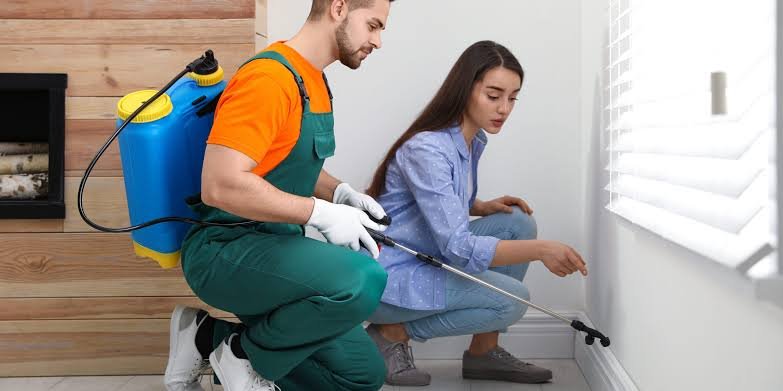
If you recognise even a couple of these warning signs, the smart move is to book a professional inspection rather than buying yet another spray. An inspection identifies exactly what you are dealing with and how severe it is, and a reputable operator will explain honestly whether a treatment is needed or whether some prevention on your side is enough. Acting on the early warning signs is always cheaper and less stressful than waiting until the problem is impossible to ignore.
When DIY genuinely is enough
It is only fair to say that not every pest sighting means you need to call a professional — that would be alarmist and expensive. A single stray cockroach that wandered in, an occasional ant trail after you left something sweet out, or one fly that followed you through the door are normal and easily handled with basic cleaning, sealing, and a store-bought product. The point of the warning signs above is to help you tell the difference between these minor, one-off events and the deeper signals of an established, hidden, or spreading population. DIY is perfectly appropriate for prevention and for genuinely small, isolated problems.
The skill worth developing is honest judgement about which situation you are in. If your DIY efforts clear the problem and it stays gone, you judged correctly and saved money. If you find yourself buying spray after spray, cleaning obsessively, and still seeing pests week after week, that is the moment to stop — continuing to improvise is not saving money, it is delaying an inevitable professional visit while the problem grows. Use DIY confidently for the small stuff, watch for the warning signs that mean it has outgrown DIY, and call a professional the moment those signs appear. That balance keeps both your home and your budget in good shape.
Frequently Asked Questions
When should I call a professional instead of doing DIY pest control?
Call a professional when you see pests during the day, find droppings or gnaw marks, spot termite mud tubes, get recurring bites, or when pests keep returning despite cleaning and spraying. These signs point to a hidden or established population beyond a DIY fix.
Why is seeing pests during the day a warning sign?
Cockroaches and rodents are usually nocturnal, so daytime sightings mean the hidden population has grown large enough to force them out for food and space. It is one of the clearest signs the infestation is well established.
What do termite warning signs look like?
Thin brown mud tubes running up walls or foundations, wood that sounds hollow when tapped, and unexpectedly bubbling paint all point to termites. Because termite damage is silent and structural, these signs warrant a prompt professional inspection.
Can I get rid of bed bugs myself?
Only a very early, small infestation responds to hot washing, drying, and steaming. Recurring itchy bites and dark spots in mattress seams usually mean an established infestation that needs professional treatment with a follow-up visit.
Why do professionals succeed where sprays fail?
Professionals diagnose accurately, use commercial-grade baits and growth regulators, treat shared drains and structural areas, and schedule follow-up visits timed to breeding cycles. This breaks the cycle instead of just killing the visible pests.
What should I do when I notice these warning signs?
Book a professional inspection rather than buying another spray. An inspection identifies exactly what you are dealing with and how severe it is, and a reputable operator will advise honestly whether treatment or just prevention is needed.
Image Source : Rentokil