The most common pest control scams in India are the door-to-door 'free inspection' that ends with a frightening termite diagnosis, fake booking numbers online that take an advance payment and never show up, and very cheap offers that turn into large bills once the technician is inside. All of them rely on pressure and on you deciding quickly. Slowing down, asking for proof and paying only through traceable methods stops most of them.
This guide describes the patterns, not any particular business. Many honest companies offer inspections and online booking; the scams copy their look. What gives a scam away is the behaviour, not the logo.
The door-to-door 'free inspection'
Someone rings the bell, says they are doing a survey in the building, or claims the society or the municipality has sent them. They offer a free termite or pest check. Within ten minutes they have found 'serious termite damage' and quote a large sum, with a discount if you agree today.
- Real society treatments are announced by the committee in advance, usually on the notice board and residents' group. Check with the society office before letting anyone in.
- Municipal workers doing anti-mosquito work generally do not sell private treatments at your door.
- A genuine inspection takes time and ends with a written report, not a cash demand.
The fake termite scare
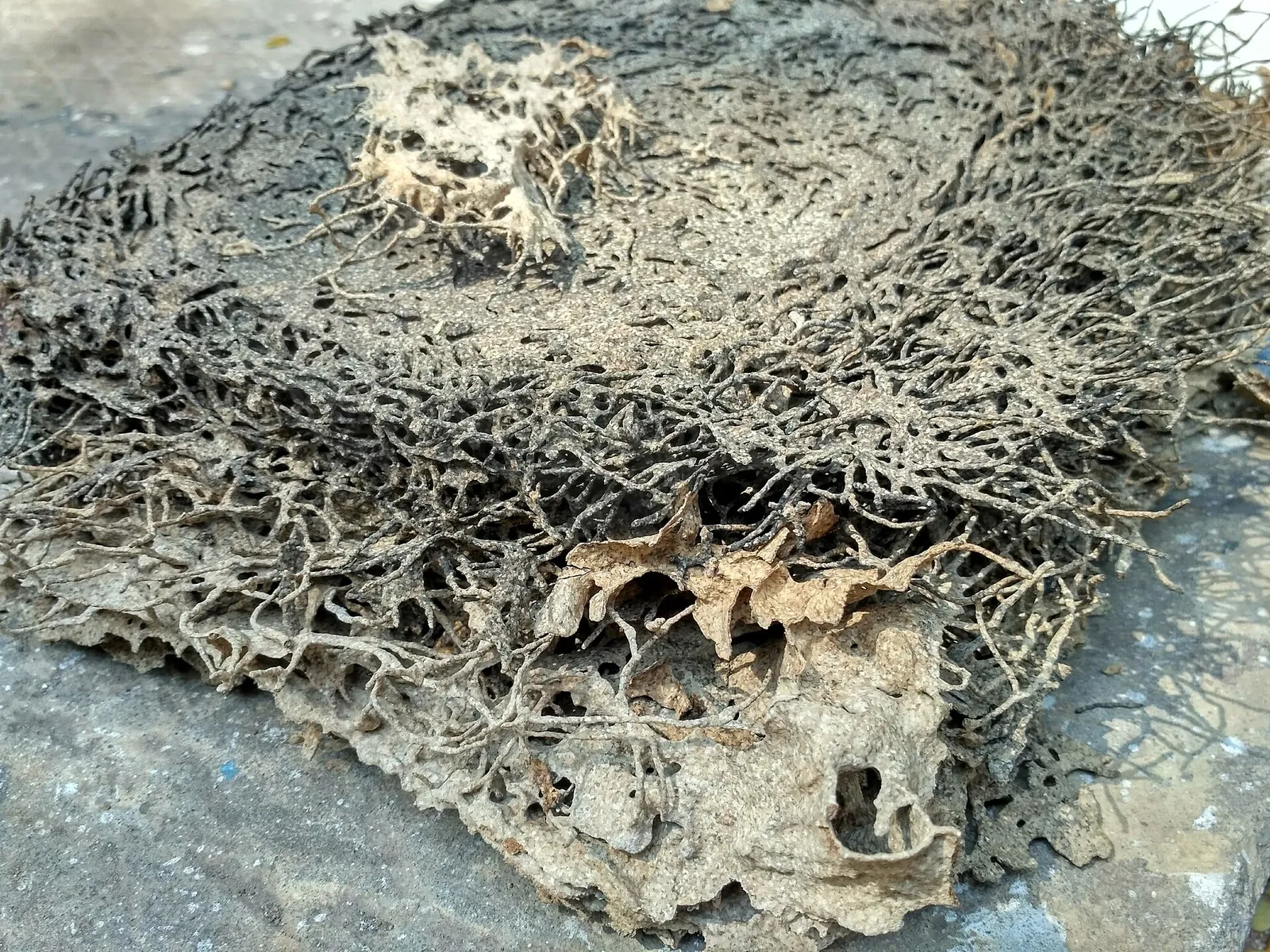
This is the most expensive version. The visitor taps a door frame, pokes a skirting board, or points at some dust and announces that termites have eaten the inside of your walls. Sometimes they show you live insects in a box and claim they came from your cupboard. Ants, wood dust from drilling, old dried mud and even silverfish can be passed off as termites to an anxious owner.
Ask them to show you the evidence in place, where it is: mud tubes running up a wall, wood that sounds hollow and crumbles, small pellets from drywood termites, or discarded wings near a window. Photograph what they show you. If it is real, it will still be there tomorrow, and a second company can confirm it. Our guide on drywood and subterranean termites shows what genuine signs look like.
Fake online listings and advance payment
You search for pest control near you, call a number from a listing or an advertisement, and the person on the phone quotes a low price and asks for an advance by UPI to 'confirm the slot'. Nobody arrives, and the number stops answering. Variations include fake customer care numbers that look like they belong to a known service, and links that ask you to 'verify' your booking with a payment.
- Never pay a full advance for a small job like a general treatment. Paying after the service is normal.
- To receive money on UPI you never need to enter your PIN. Anyone asking you to scan a code or enter your PIN to 'get a refund' is trying to take money.
- Look up the company's address and GSTIN before paying anything for a large job.
- Prefer numbers given on the company's own website or a bill from a neighbour who has used them.
If you have lost money online, report it quickly. The national cyber crime helpline is 1930 and complaints can also be filed on the government cyber crime portal; check the official site for the current process.
The bait-and-switch price
An advertisement promises cockroach treatment for a few hundred rupees. Once the technician is inside, the cheap service turns out to cover only the kitchen, or only one pest, and the 'real' treatment costs several times more. Because you have already cleared the kitchen and taken the day off, you agree. A general treatment for a 2BHK typically costs ₹1,200 to ₹2,500 in 2026; a headline price far below that usually hides something.
A quick table of scams and the right response
| What happens | Warning sign | What to do |
|---|---|---|
| Stranger offers free inspection | Claims society or municipal approval | Check with the society office first |
| Sudden termite diagnosis | Huge quote, discount only today | Ask for evidence in place; get a second opinion |
| Online booking needs full advance | UPI request before any visit | Pay after service, or only a small advance to a verified business |
| Refund needs your UPI PIN | Asks you to scan a code to receive money | Hang up; you never need a PIN to receive |
| Cheap offer becomes expensive | Scope changes once inside | Ask for the full price in writing before work starts |
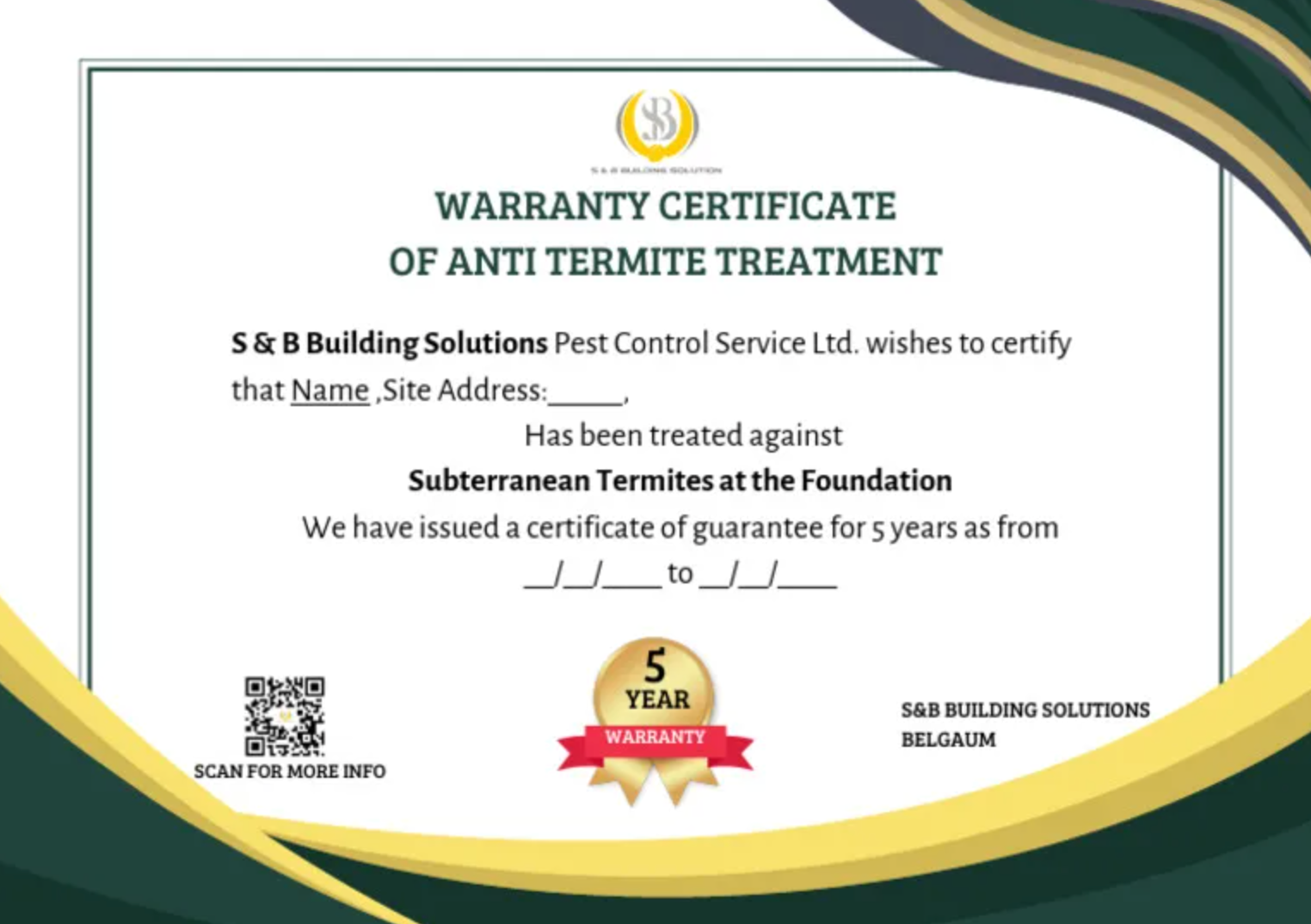
| 'Lifetime guarantee' for one payment | No company name or address on paper | Ask for written terms and a GST invoice |
Scams that come after a genuine treatment
Some scams target people who have recently had pest control done. A caller says they are from your pest control company and that your warranty is about to lapse unless you pay a renewal fee now, often to a personal UPI number. Others claim a 'chemical top-up' visit is due and arrive without any booking. Because you did have a treatment, the story sounds believable.
Check by calling the number printed on your invoice or service report, not the number that called you. A real company will have your visit history. Never let a so-called follow-up team in without confirming with the office first.
A more dangerous version involves 'fumigation tablets' offered for bed bugs or termites inside a flat. Fumigants such as aluminium phosphide release a highly toxic gas and are meant only for licensed fumigators in sealed, unoccupied spaces such as warehouses. Anyone offering to place these in a home where people live is putting lives at risk; refuse and report them.
Not every pushy salesperson is a scammer
Be fair in both directions. Some genuine companies use aggressive sales tactics, and some real inspections do find serious termite damage that needs urgent treatment. The difference is that a genuine company will show you evidence, give a written quote with its name and GST number, let you take time to decide, and still be reachable next week. If someone discourages you from getting a second opinion, that is the clearest red flag of all.
How to protect yourself
- Do not let anyone in without an appointment you made yourself, or a notice from your society.
- Ask for the company name, licence number and GSTIN, and check the GSTIN on the GST portal.
- Never decide on termite work the same day. Take photos and get one more opinion.
- Pay through traceable methods and keep the invoice.
- Read the guide on pest control myths that cost homeowners money; several scams rely on those myths.