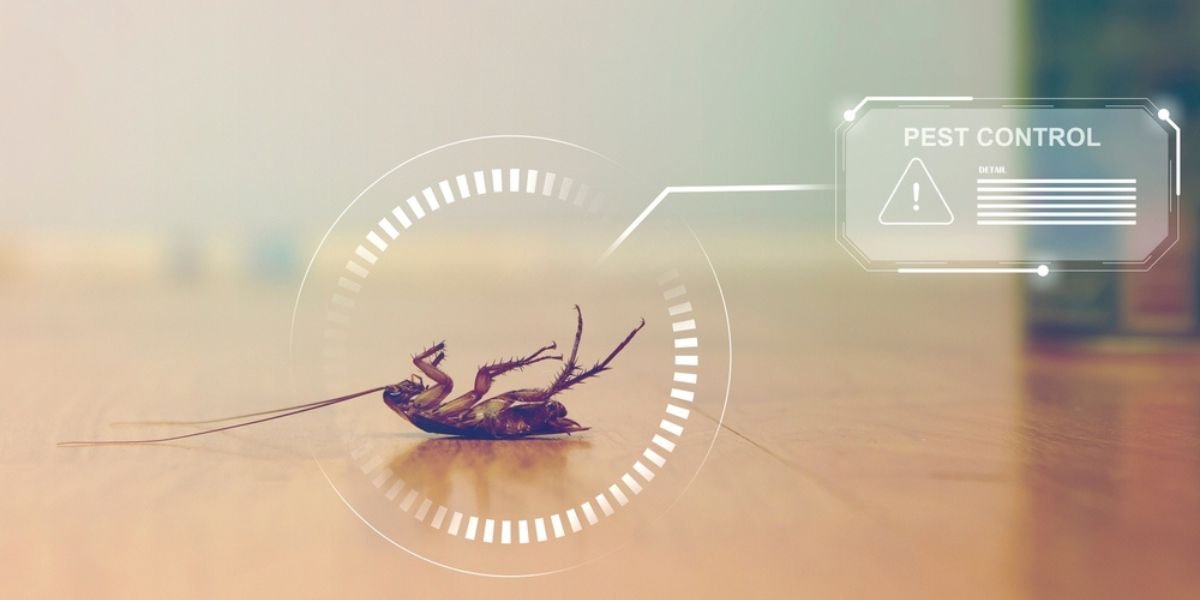
Pest control in India runs on a lot of word of mouth: tips from a neighbour, a video forwarded on a family group, a product recommended by the shopkeeper. Some of this advice is harmless. Some of it costs families money twice, first on a remedy that does not work and then on a bigger treatment once the problem has grown. A few myths actively make infestations worse.
Here are twelve of the most common, with what actually happens and a rough idea of what each one costs when people get it wrong.
Myth 1: A strong smell means the treatment is working
Many people judge a pest control visit by how strong the smell is afterwards. Modern professional products, especially gel baits and many residual sprays, are designed to have little or no odour. A heavy chemical smell usually means a cheap kerosene-based product or an overdose, neither of which improves results. Gel bait for cockroaches has almost no smell and is far more effective in kitchens than a fragrant spray.
Myth 2: One treatment should solve it permanently
Cockroach eggs inside egg cases, bed bug eggs and termite colonies are not killed by a single visit. Eggs hatch over the following one to three weeks, so a follow-up visit is part of the treatment, not an upsell. Families who refuse the second visit to save ₹800 often pay for a full treatment again two months later.
Myth 3: Spraying more often gives better results
Spraying the kitchen every week trains cockroaches to avoid treated surfaces and, over time, can select for populations that tolerate the chemical. German cockroaches in many Indian cities already show resistance to common pyrethroid sprays. Rotating methods and relying on bait gives better control than frequent spraying.
Myth 4: Ultrasonic repellers keep pests away
Plug-in ultrasonic devices are sold for ₹500 to ₹2,000 each, often in packs of four. Controlled tests by universities and consumer bodies have repeatedly found that rodents and insects either ignore them or get used to them within days. Several regulators abroad have taken action against misleading claims for these devices. The money is better spent on door sweeps and sealing gaps.
Myth 5: Naphthalene balls keep cockroaches and lizards away
Naphthalene, the white mothball, is a moth repellent for stored clothes in closed spaces. It does not reliably repel cockroaches or lizards, and the vapour is harmful when breathed in for long periods. Infants with a genetic condition called G6PD deficiency, which is fairly common in India, can develop serious blood problems from naphthalene exposure. Using mothballs in kitchens, cars or children's rooms is a health risk with no pest benefit.
Myth 6: Clean homes do not get pests
Hygiene helps a lot, but pests also enter through drains, pipe gaps, shared walls, grocery cartons and luggage. Bed bugs, in particular, have nothing to do with cleanliness; they live on blood, not dirt. Assuming a clean home is safe leads people to ignore early signs until the problem is expensive to fix.
Myth 7: Termites only attack old wooden houses
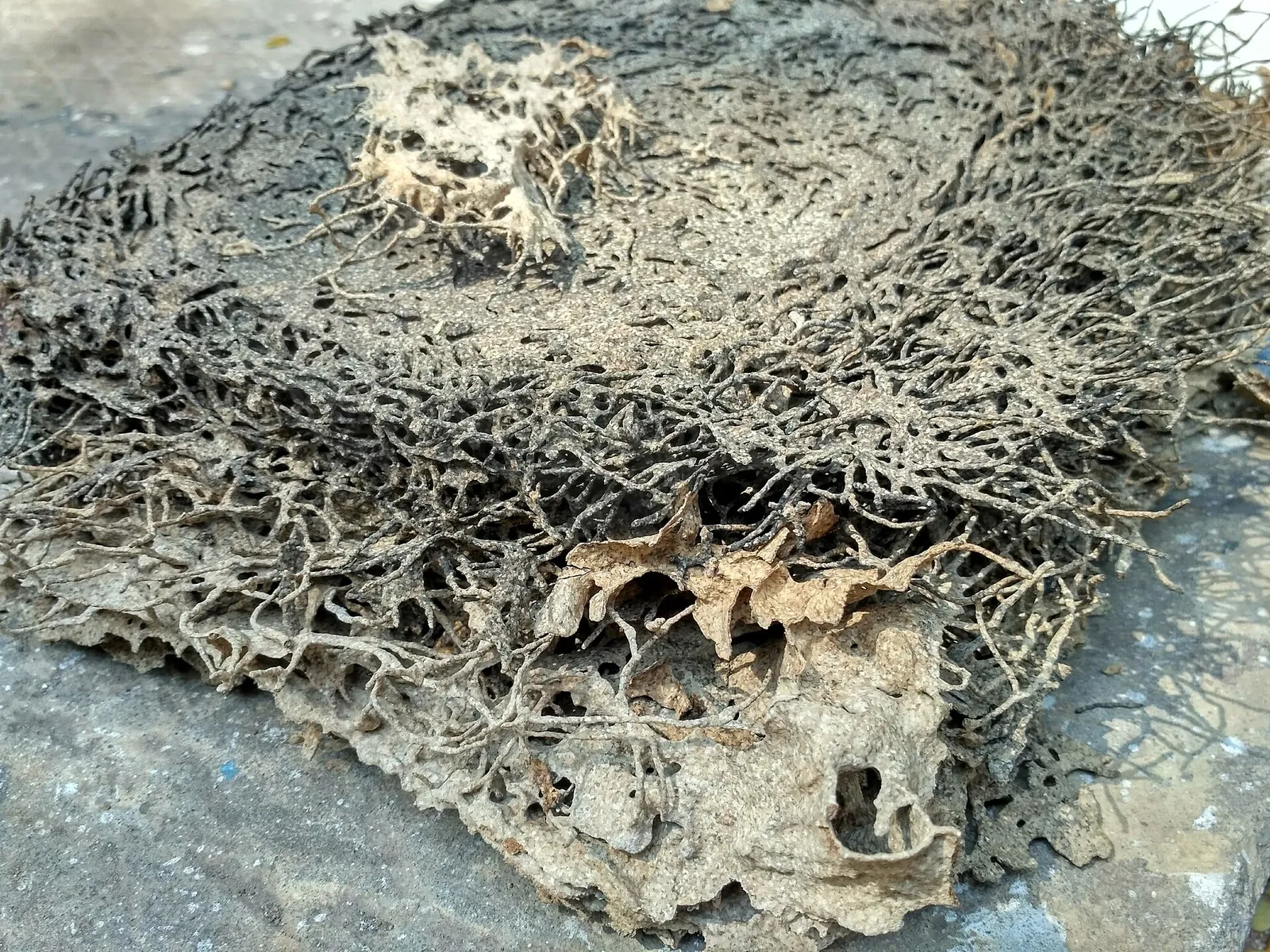
Termites in India regularly damage modern concrete buildings. They travel through cracks in the slab, expansion joints and electrical conduits to reach door frames, modular furniture, books and even the paper backing of plasterboard. Waiting until a door frame crumbles before calling for inspection can turn a ₹8,000 treatment into a ₹60,000 repair job.
Myth 8: The cheapest quote is the same service
A termite treatment quoted at half the market rate is usually cheaper because of diluted chemical, fewer drill holes, skipped wooden fixtures or no follow-up. The difference only shows a year later when termites return and the company is unreachable. Ask what chemical, what concentration and how many holes per running foot, and get it in writing.
Myth 9: Lizards are useful, so leave them
House geckos do eat insects, but a few lizards cannot control a cockroach infestation, and their presence usually means there are plenty of insects around the lights to feed on. Keeping lizards as pest control is not a strategy. Reducing the insects, and therefore the lizards' food, works better.
Myth 10: Bleach or phenyl in drains kills cockroaches
Pouring disinfectant down the drain every night is common, but the liquid passes through in seconds and does not reach the cockroaches sitting on the pipe walls above. It masks the smell but does not seal the route. A self-closing floor trap, costing a few hundred rupees, does far more.
Myth 11: Home remedies are always safer
Some home remedies are harmless but ineffective, such as bay leaves for cockroaches. Others are risky: kerosene sprayed in kitchens is a fire hazard, and mixing bleach with acid-based cleaners releases toxic chlorine gas. 'Natural' does not automatically mean safe or effective.
Myth 12: You only need pest control when you see pests
By the time you see cockroaches in daylight, the population hiding in cracks is usually large. Termites are almost never seen until damage is done. Scheduled preventive treatment two to four times a year usually costs less over a year than emergency treatments after a problem has grown.
How to check pest advice before you spend on it
A simple test filters out most bad advice. First, ask what the remedy does to the pest's food, water, shelter or entry route; if the answer is 'nothing, it just repels them', be sceptical, because repellent claims are the hardest to prove. Second, look for the product's registration number. Household insecticides sold legally in India carry a CIB&RC registration on the label, and a product without one is unregulated. Third, ask how long results should last and what happens if they do not; a company confident in its work will offer a free re-visit within a stated period.
Finally, be wary of any remedy that promises to remove every pest from the house in one go. Pests differ so much in biology that one product cannot sensibly cover cockroaches, termites, bed bugs and rodents together.
What these myths cost
| Myth | Typical money wasted | Possible extra cost later |
|---|---|---|
| Skipping the follow-up visit | ₹0 saved now | ₹1,500 to ₹5,000 repeat treatment |
| Ultrasonic repellers | ₹2,000 to ₹6,000 for a set | Infestation continues untreated |
| Choosing the cheapest termite quote | Saves ₹3,000 to ₹8,000 | ₹20,000 to ₹80,000 in damaged woodwork |
| Ignoring early termite signs | Nothing spent | Replacement of frames and wardrobes |
| Weekly DIY spraying | ₹300 to ₹600 a month on cans | Resistant cockroaches, harder treatment |