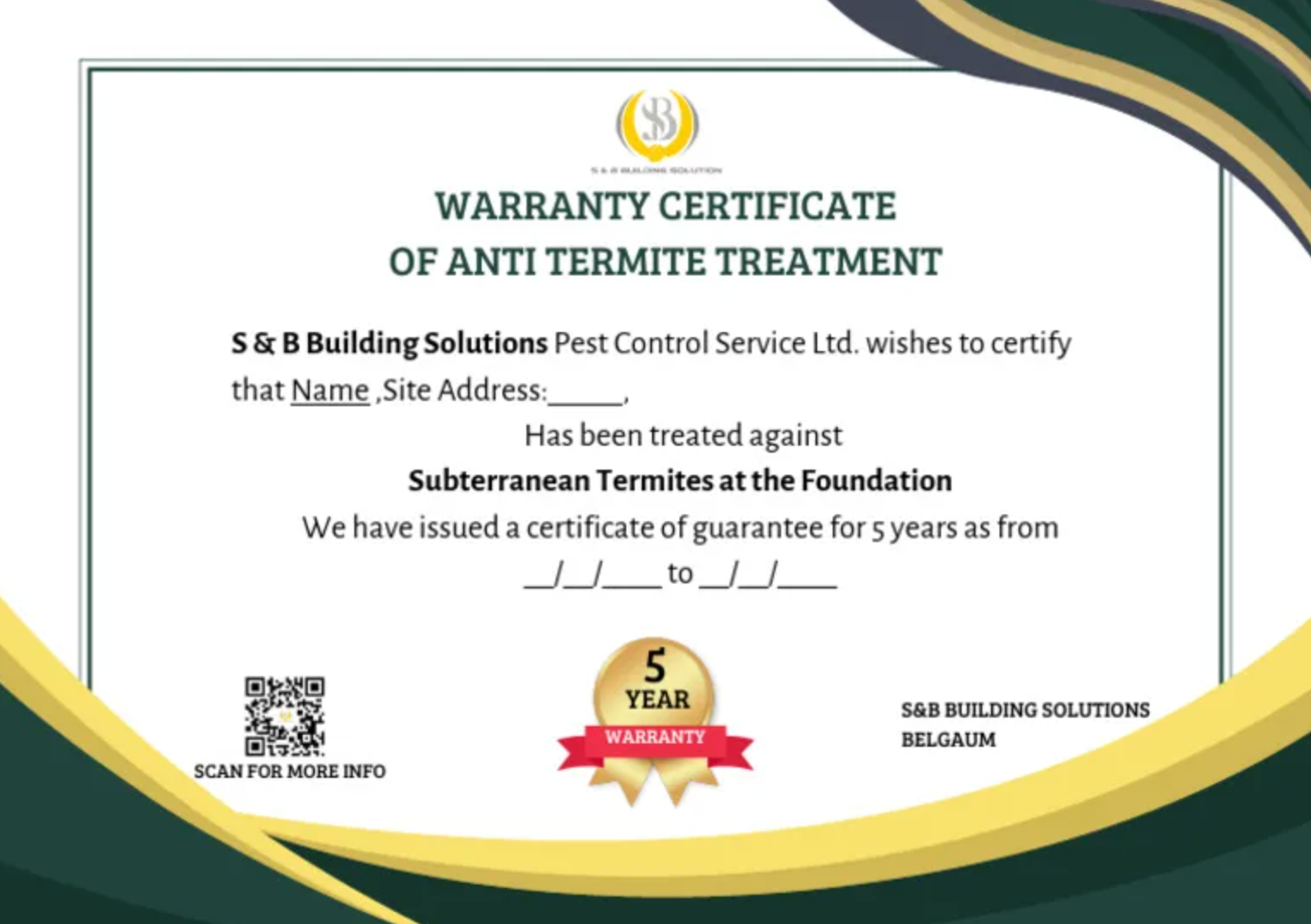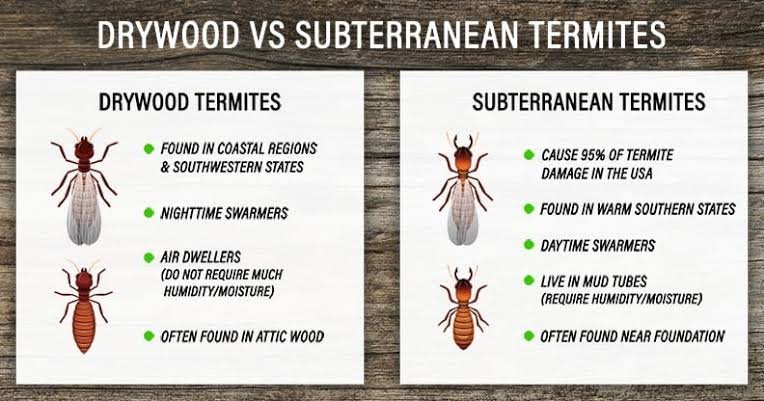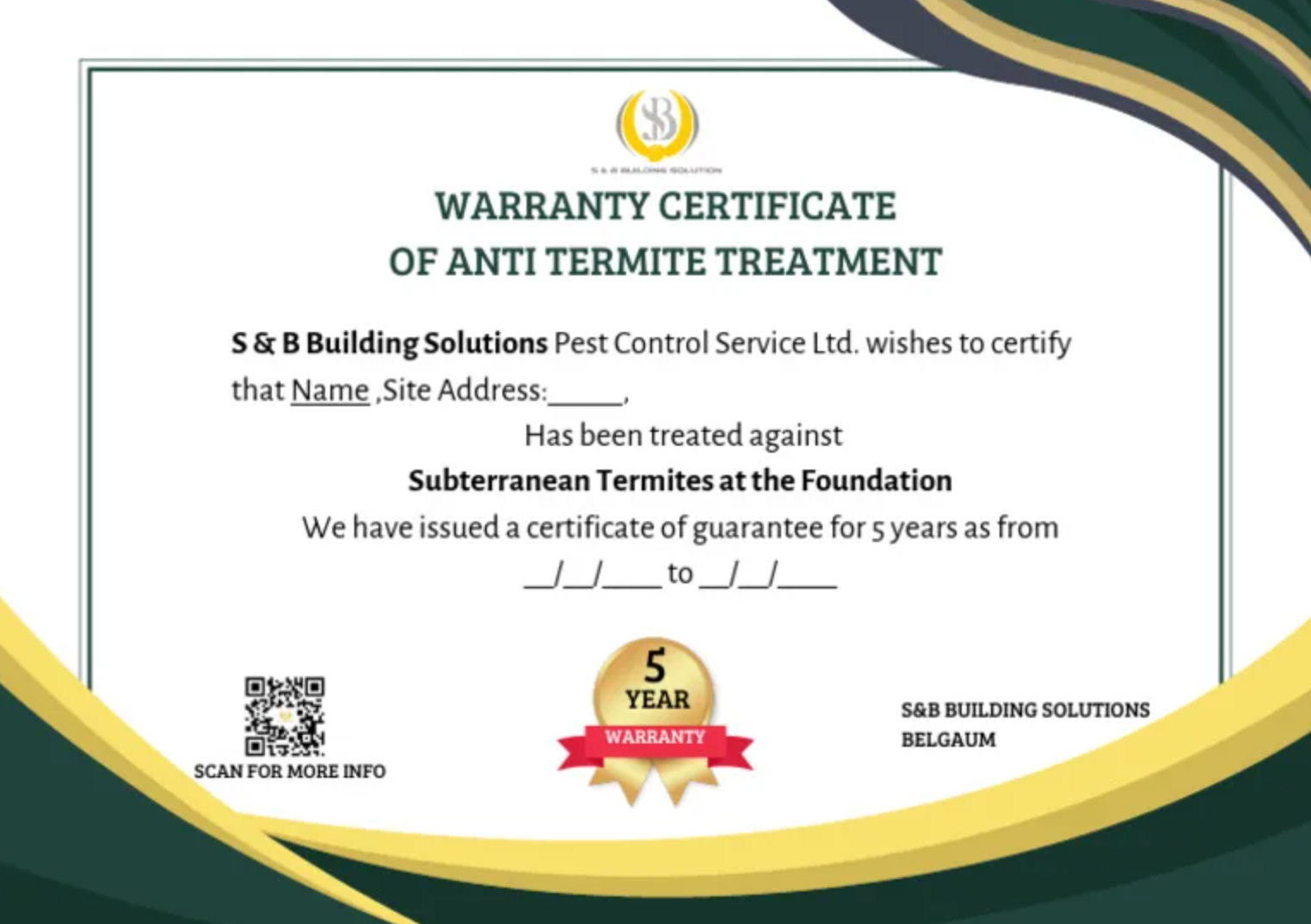
A termite treatment is only as good as the promise behind it. Because you cannot see whether the chemical barrier is doing its job, the warranty and the ongoing maintenance contract are what actually protect you. Yet these are the parts homeowners understand least and operators explain worst. This guide clears up how termite warranties and annual maintenance contracts (AMCs) really work, so you know what you are paying for.
Why a warranty matters more here than usual
With most services, you can see the result immediately. With termite treatment, the barrier is invisible and the real test comes months or years later, when termites either return or they do not. That gap is why a written warranty matters so much: it is the operator putting their name behind the work. A treatment sold without any warranty is essentially a spray-and-pray job — if the termites come back, you have no recourse.
What a good termite warranty covers
Warranties vary, so read the wording rather than trusting a headline number. A solid termite warranty should spell out:
- The warranty period — commonly one to five years depending on the treatment.
- Free re-treatment if live termites reappear within the period, at no extra charge.
- Whether inspection visits are included during the warranty.
- What voids the warranty — for example, structural changes, water leakage, or new construction that breaches the barrier.
One-time treatment vs annual maintenance contract
There are two common ways to buy termite protection, and they suit different situations. A one-time treatment with a warranty is right after you have discovered and eliminated an active infestation — you pay once and the warranty covers re-treatment for the period. An annual maintenance contract goes further: the operator inspects your property on a schedule (often once or twice a year) and re-treats as needed, so problems are caught early rather than after damage is done. For homes that have had termites before, or valuable wooden interiors, an AMC is usually the safer choice.
A one-time treatment fixes today's termites. An AMC makes sure you never get blindsided by tomorrow's — the inspection is the point.
How AMCs are priced and why they are worth it
An AMC costs more over time than a single treatment, but it buys something valuable: regular professional eyes on your home. Termites are silent and can cause serious damage before you ever notice them. A scheduled inspection catches new activity while it is small and cheap to treat, instead of after a door frame has been hollowed out. For anyone who has experienced a termite problem once, the peace of mind and early detection an AMC provides usually justifies the cost.
Reading the fine print before you sign
- Get the warranty and AMC terms in writing on the invoice or contract, not as a verbal promise.
- Check what triggers free re-treatment and how quickly the operator must respond.
- Confirm how many inspection visits the AMC includes each year.
- Ask what voids the coverage so you do not accidentally lose it through a renovation.
- Keep your paperwork — you will need it if you have to make a claim.
The role of good record-keeping
A professional operator keeps a record of your treatment history, warranty dates, and scheduled inspections, and reminds you when a visit or renewal is due. This is where modern pest control software helps both sides — it stores the treatment history, tracks warranty expiry, and sends renewal reminders, so nothing slips through the cracks. As a customer, favour operators who can show you a clear service history rather than those who work from memory and loose paper slips.
What happens when you make a warranty claim
Knowing how a claim actually works removes a lot of anxiety and helps you act quickly if termites return. The moment you spot fresh activity — new mud tubes, discarded wings, or damaged wood — inside the warranty period, contact your operator and describe what you have found. A reputable operator will schedule an inspection to confirm the activity, then carry out the re-treatment covered by your warranty at no charge. Keep your original invoice, warranty note, and any service reports handy, because these are what establish that the treatment and coverage exist. The faster you report, the less damage the returning termites do before the re-treatment.
Problems usually arise only when the paperwork is missing or the warranty terms were never written down — which is exactly why insisting on written terms at the start matters so much. A trustworthy operator honours a documented warranty without argument, because standing behind their work is how they earn referrals and renewals. If an operator becomes evasive when you make a legitimate claim, that tells you something important about who to avoid next time. This is another reason to choose an established operator with a clear record over the cheapest one-off sprayer who may not even be reachable when you need them.
Frequently Asked Questions
How long does a termite treatment warranty last?
It typically ranges from one to five years depending on the treatment and chemical used. Always confirm the exact period in writing, along with whether free re-treatment and inspection visits are included.
What is the difference between a one-time treatment and an AMC?
A one-time treatment fixes the current infestation and covers re-treatment for the warranty period, while an annual maintenance contract adds scheduled inspections and re-treatment as needed. An AMC is better for homes with a history of termites or valuable wooden interiors.
Is a termite AMC worth the extra cost?
For many homes, yes. Termites are silent and can cause major damage before you notice, so the scheduled inspections in an AMC catch new activity early, when it is cheap to treat. The early detection often saves far more than the AMC costs.
What can void a termite warranty?
Common exclusions include water leakage, structural changes, or new construction that breaches the treated barrier. Read the terms carefully so you do not accidentally lose coverage through a renovation, and keep your paperwork for any claim.
Should I get the warranty in writing?
Always. A verbal promise is worthless if termites return and the operator denies it. Insist that the warranty period, free re-treatment terms, and inspection schedule are written on the invoice or contract.
How do I keep track of my termite AMC and warranty dates?
Choose an operator who maintains a proper service history and sends reminders when inspections or renewals are due. Good operators use pest control software that stores treatment records and warranty dates, so you are never caught out by an expired warranty.