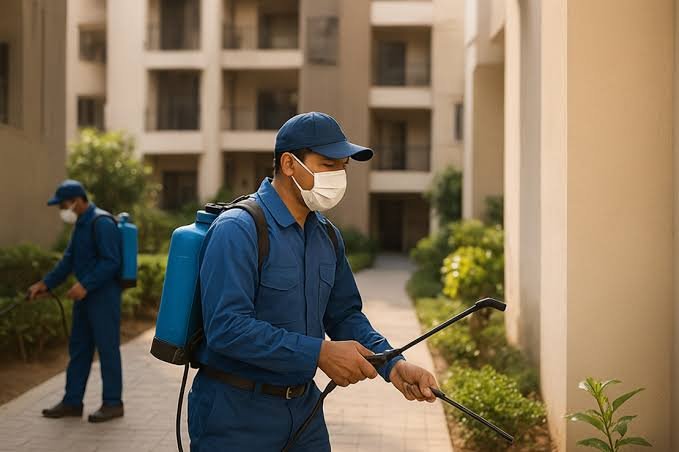
Living in an apartment or housing society brings a unique pest control challenge: you can keep your own flat spotless and still get cockroaches, rodents, or mosquitoes from shared spaces and neighbouring units. Pests do not respect flat boundaries — they travel through common drains, wall cavities, garbage chutes, and the gaps around shared plumbing. This guide explains why apartment pest control is different, and how residents and societies can tackle it effectively together.
Why one flat cannot solve it alone
The core issue in any multi-unit building is that pests move between flats. A neighbour who never treats their kitchen becomes a constant source that re-infests the whole floor through shared plumbing chases and wall cavities. Cockroaches travel up common drain lines; rodents move through service ducts; mosquitoes breed in the terrace tank or basement sump and reach every floor. This is why the most thorough individual treatment can still fail in an apartment — the source is outside your walls.
The shared spaces that breed pests
Most apartment pest problems trace back to common areas that no single resident controls:
- Garbage collection points and chutes that attract flies, cockroaches, and rodents.
- Basement sumps, terrace water tanks, and overhead tanks where mosquitoes breed.
- Common drains, sewer lines, and manholes that channel cockroaches between units.
- Service ducts, shafts, and pipe chases that rodents use as highways.
- Landscaped gardens and stagnant water features that harbour mosquitoes and snakes.
The case for a building-wide programme
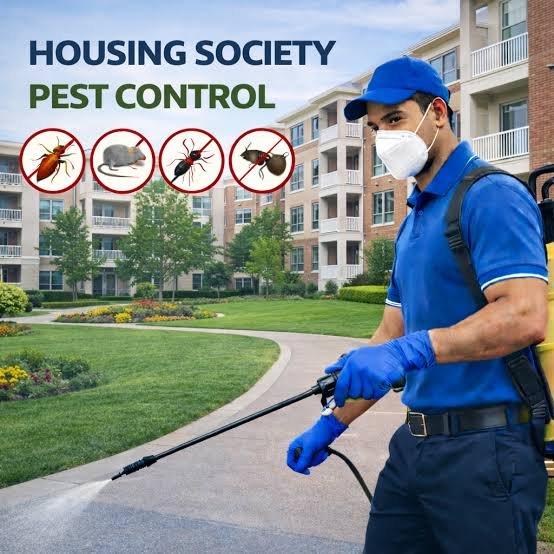
Because the sources are shared, the effective solution is a coordinated, building-wide pest control programme rather than each family fighting alone. A scheduled programme treats the common areas — drains, chutes, tanks, ducts, and gardens — on a regular cycle, breaking the reservoir of pests that keeps re-infesting individual flats. When the common areas are controlled, each resident's own efforts inside their flat finally hold. This is almost always more effective and cheaper per flat than dozens of separate treatments.
In an apartment, pest control is a team sport. Treating your flat while the shared drains and chutes go untreated is like bailing water from a boat with a hole still in it.
What residents can do individually
A building programme does not remove your own responsibility — the two work together. Inside your flat, keep the kitchen dry and food sealed, fit covers on floor drains, seal gaps around pipes to stop pests entering from neighbouring units, and remove standing water from balcony plants and coolers weekly. Report early signs to the management committee so problems in common areas get addressed before they spread. Individual diligence plus a building programme is what actually keeps an apartment pest-free.
How societies should manage pest control
For managing committees, effective apartment pest control comes down to organisation:
- Engage a licensed operator on a scheduled contract, not just occasional emergency calls.
- Cover all common areas — drains, chutes, tanks, ducts, gardens, and basements — on a fixed cycle.
- Keep records of each treatment, what was done, and the areas covered.
- Coordinate timing so residents know when to expect treatment and can prepare.
- Address complaints promptly and track recurring problem spots.
Good record-keeping and scheduling are exactly where pest control software helps a society and its operator — visits are planned, documented, and never missed, and residents can see that the service is actually happening.
Making the case to your committee
If your society only calls pest control reactively when someone complains, it is likely paying more for worse results. A scheduled preventive programme keeps the shared reservoir of pests suppressed year-round, which is cheaper and far less stressful than repeated emergency treatments and constant resident complaints. If pests are a recurring issue in your building, raise it with the management committee and propose a proper scheduled contract — it protects everyone's health, comfort, and property value.
Handling the practical challenges of apartment treatment
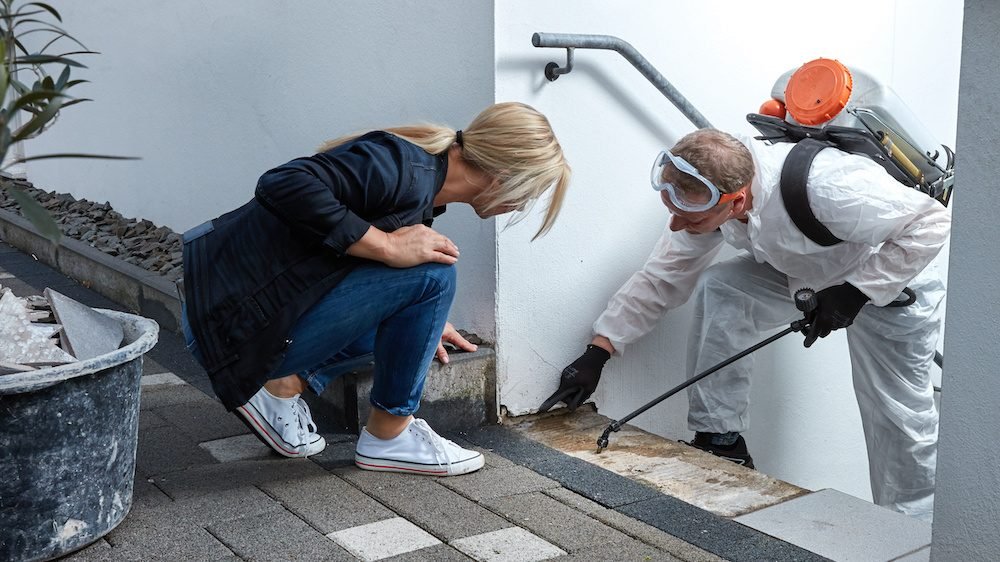
Coordinating pest control across many flats brings real logistical hurdles that a good programme plans around. Not every resident is home at the same time, some are reluctant to allow access, and treatment of common areas has to be timed so residents are informed and inconvenienced as little as possible. The solution is communication and scheduling: the committee and operator should announce treatment dates in advance, explain what residents need to do to prepare, and arrange access to flats that need internal treatment. When residents understand that a neighbour's untreated flat undermines the whole building, cooperation improves.
This is another area where organisation and record-keeping make the difference between a programme that works and one that frustrates everyone. Tracking which common areas were treated and when, which flats were covered, and which recurring hotspots need extra attention turns pest control from a chaotic series of complaints into a managed routine. Operators who use pest control software can share a clear schedule and service record with the committee, so residents can see the service is actually happening and the committee can hold the operator accountable. For a society, that transparency is often as valuable as the treatment itself, because it builds the trust that keeps a preventive programme funded and supported year after year.
Frequently Asked Questions
Why do I get pests even though my flat is clean?
In an apartment, pests travel between flats through shared drains, wall cavities, chutes, and pipe gaps. A neighbour who never treats their kitchen, or an untreated common area, can re-infest your spotless flat, which is why individual cleaning alone often is not enough.
Why can one flat not solve an apartment pest problem alone?
Because the source is usually outside your walls — in shared drains, service ducts, garbage chutes, or water tanks. Even a thorough individual treatment fails if the shared reservoir of pests keeps re-infesting your unit.
What is a building-wide pest control programme?
It is a coordinated, scheduled treatment of all common areas — drains, chutes, tanks, ducts, and gardens — on a regular cycle. This breaks the shared source of pests so each resident's efforts inside their flat finally hold, and it is usually cheaper per flat than separate treatments.
What can I do individually in my apartment?
Keep your kitchen dry and food sealed, fit drain covers, seal gaps around pipes to block entry from other units, and remove standing water from plants and coolers weekly. Report early signs in common areas to the committee so they are addressed before spreading.
How should a housing society manage pest control?
Engage a licensed operator on a scheduled contract covering all common areas, keep records of each treatment, coordinate timing with residents, and address complaints promptly. Pest control software helps plan, document, and never miss these visits.
Is scheduled pest control cheaper than emergency calls for a society?
Usually yes. Reactive emergency treatments cost more and deliver worse results because the shared pest reservoir is never suppressed. A scheduled preventive programme keeps pests down year-round, reducing complaints and total cost.