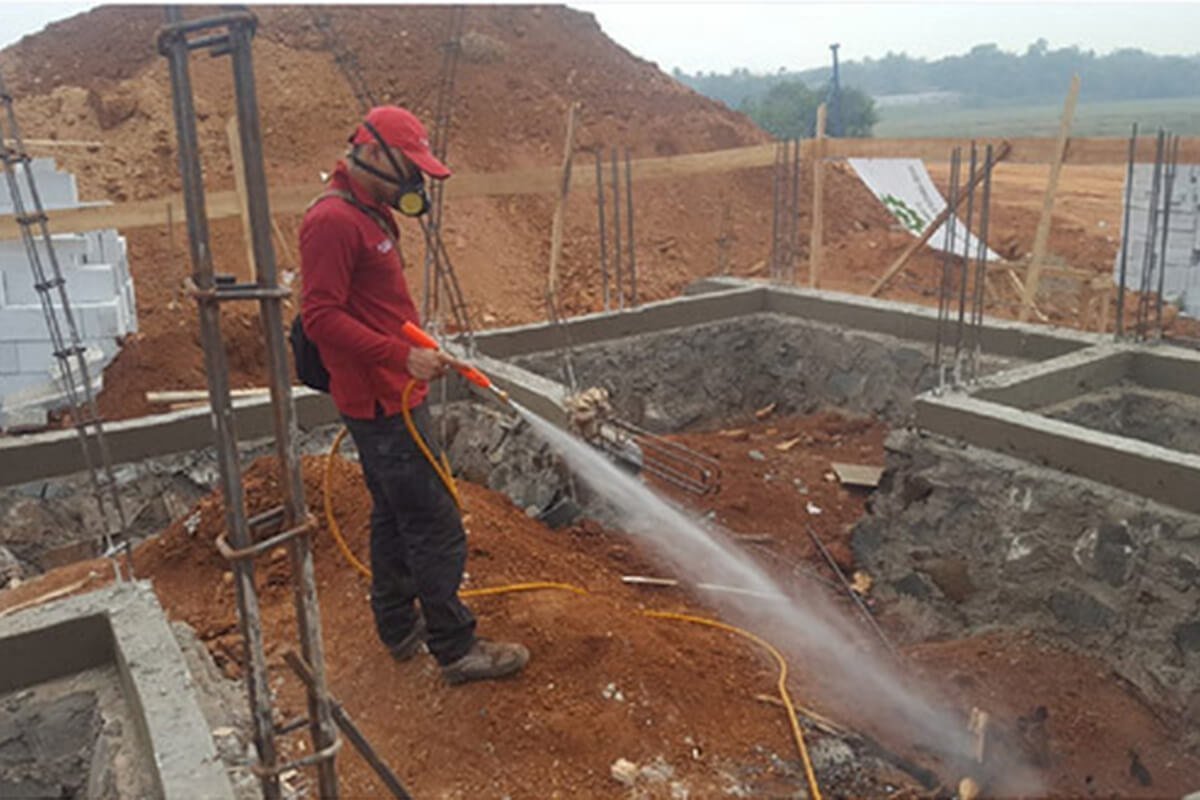
The best time to protect a house from termites is before anyone has moved in — while it is still being built. Pre-construction anti-termite treatment creates a chemical barrier in the soil and foundation so that termites cannot reach the structure from below. Skipping it to save a little money during construction is one of the most expensive mistakes a homeowner can make. This guide explains what the treatment involves, when it is done, and why it is worth every rupee.
Why the soil is where the battle is won
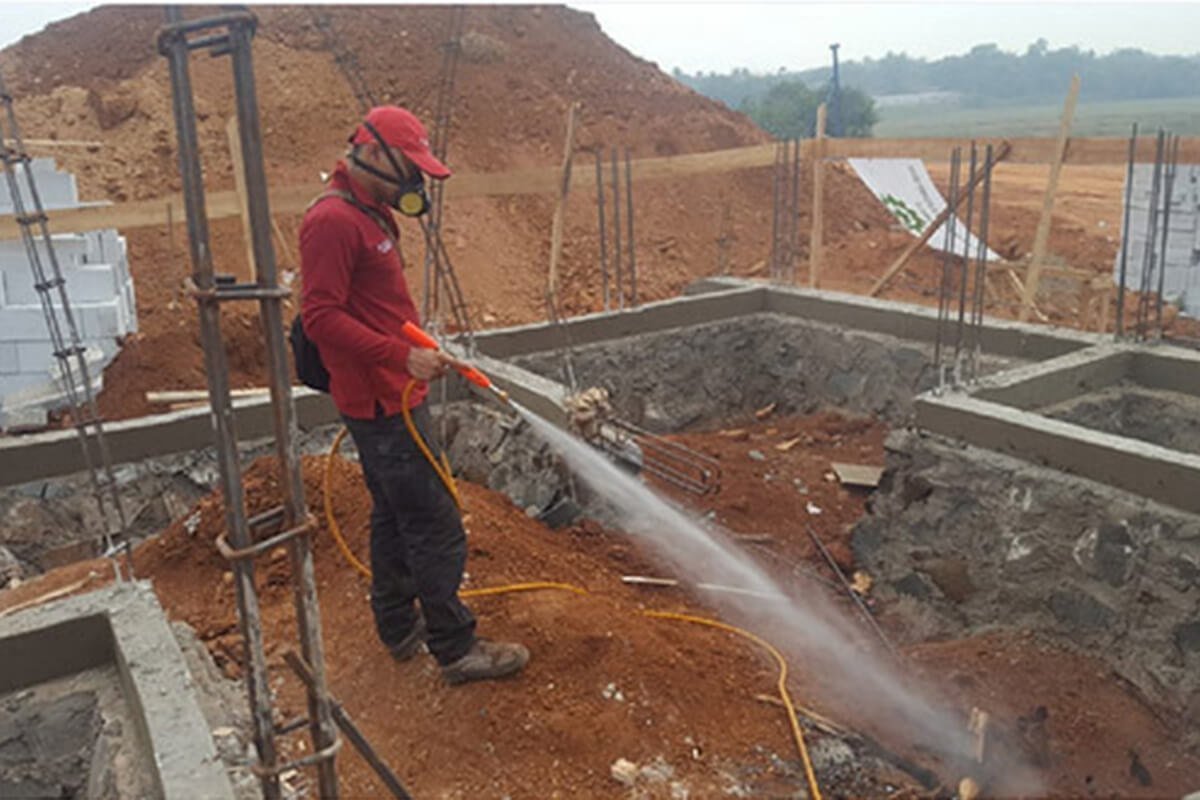
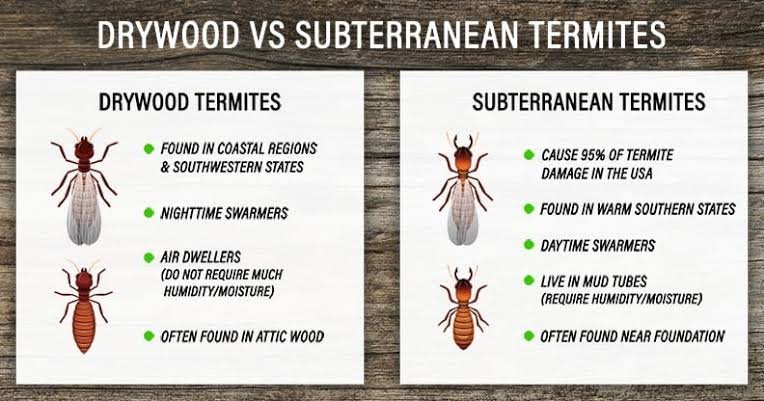
Subterranean termites — the species that cause most structural damage in India — live in the soil and travel up into a building through tiny cracks, expansion joints, and the gaps around pipes. If the soil beneath and around the foundation is treated before flooring is laid, termites simply cannot cross it to reach the wood, doors, and furniture inside. This is why pre-construction treatment is so effective: it stops the problem at the source, before the house even exists above ground.
The stages of pre-construction treatment
Proper pre-construction treatment is done in stages that match the building schedule, not in a single visit. A good operator treats:
- The bottom and sides of foundation trenches before the foundation is laid.
- The refilled earth along both sides of the foundation walls.
- The soil surface before the ground-floor slab or flooring is poured.
- The junctions, expansion joints, and the area around pipe and conduit openings.
Because these stages happen at different points in construction, coordinate the treatment with your contractor early so the pest operator can be called at the right moment for each stage.
Why it costs less than fixing termites later
Pre-construction treatment is priced per square foot of area treated, and it is far cheaper than post-construction work because the technician has open access to soil and foundation and does not need to drill through finished floors and tiles. More importantly, it prevents damage rather than repairing it. A termite colony discovered after you move in can quietly eat through door frames, wooden flooring, and furniture worth many times the cost of the original treatment. Spending a modest amount now avoids a large, stressful bill later.
Pre-construction treatment is the cheapest insurance a new home can buy. You will never see the termites it stops — that is exactly the point.
What to insist on from your operator
- A licensed operator who uses a CIBRC-approved termiticide at the correct dilution.
- Treatment carried out at every stage, not just a single spray before flooring.
- A written record of the chemical used, the area treated, and the dates.
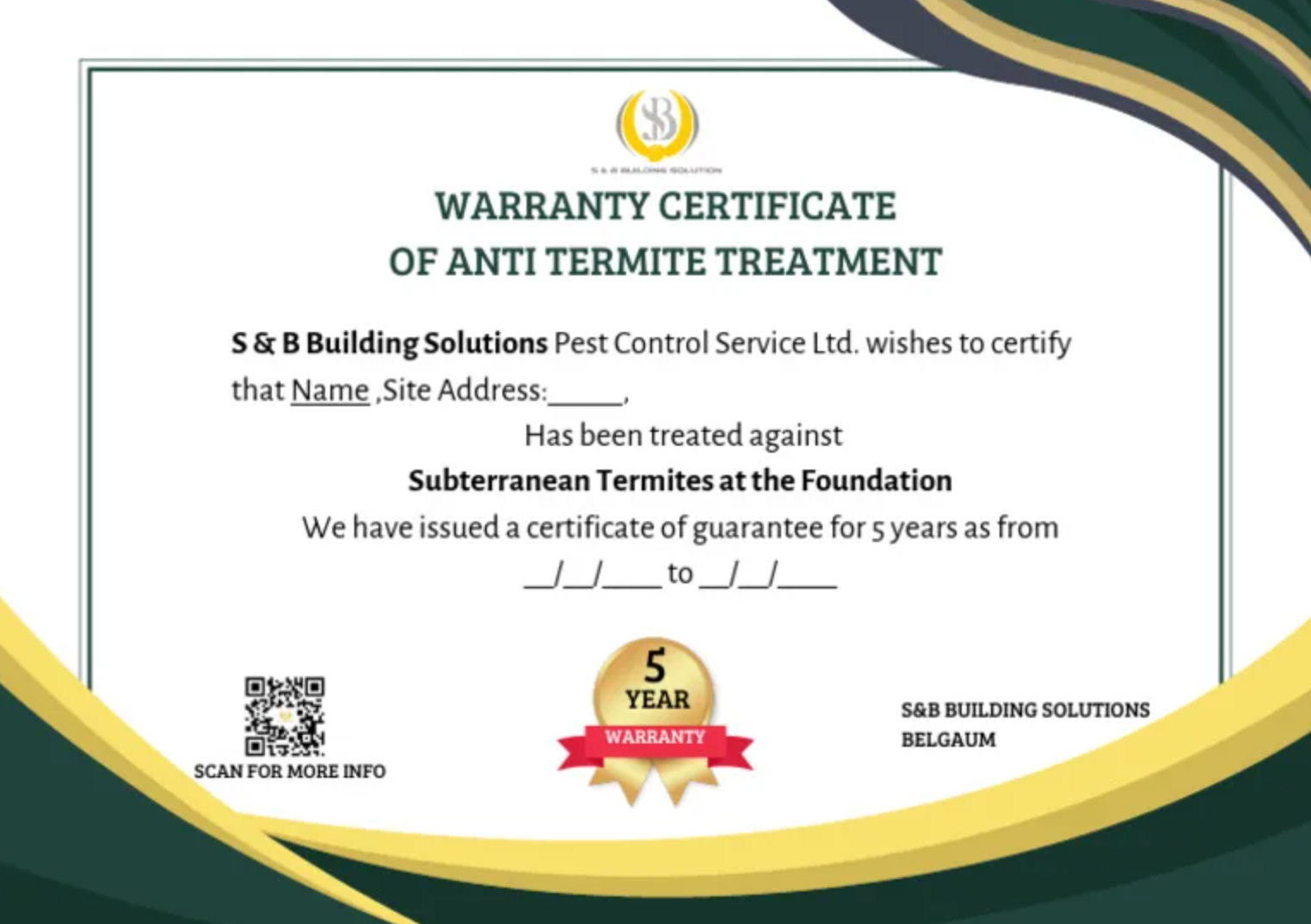
- A warranty covering a defined period, ideally with free inspection visits.
Coordinating with your builder
The most common reason pre-construction treatment fails is poor timing — the flooring gets laid before the soil is treated, and the opportunity is lost. Tell your contractor at the planning stage that you want anti-termite treatment, and make it a scheduled item in the construction timeline. If your builder says it is "already included", ask for the details in writing: which chemical, which stages, and what warranty. Vague verbal assurances are not enough for something you cannot inspect once the floor is down.
Is it still worth it if the building has started?
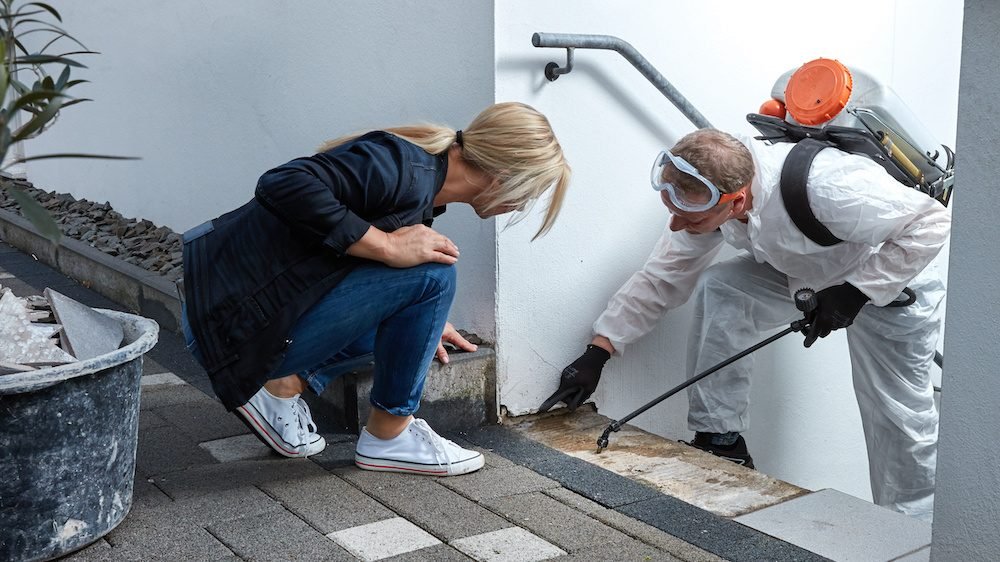
If construction is already underway but flooring is not yet laid, much of the benefit is still available — the soil and foundation can be treated before the slab goes down. Even at a later stage, treating the accessible soil and junctions is far better than doing nothing. Call a licensed operator, explain exactly which stage the construction has reached, and let them advise what can still be done effectively.
How pre-construction and post-construction protection work together
It helps to see pre-construction treatment as the first layer of a longer-term protection plan rather than a one-and-done event. The barrier created in the soil is powerful, but over years the ground shifts, plumbing gets altered, extensions get added, and small breaches can appear that give termites a way in. This does not mean the original treatment was wasted — it means protection is a habit, not a single purchase. Homes that stay termite-free for decades usually combine a good pre-construction treatment with periodic inspection and touch-up treatment where needed.
For a new homeowner, the practical plan is simple: insist on proper pre-construction treatment during building, keep the documentation, and then schedule an inspection every year or two once you move in. If you ever renovate, add plumbing, or notice dampness, treat those as moments to check the barrier is still intact. This layered approach — strong prevention at the start, light monitoring afterward — costs very little each year and is far cheaper than discovering an advanced infestation a decade later. Many operators offer exactly this as a low-cost annual inspection add-on to the original treatment.
Frequently Asked Questions
What is pre-construction anti-termite treatment?
It is the treatment of soil and foundation with termiticide during construction, before flooring is laid, to create a barrier that stops subterranean termites from entering the finished building. It is done in stages that match the construction schedule.
When during construction should it be done?
In stages — the foundation trench, the refilled earth beside the foundation, the soil before the ground slab is poured, and around pipe and joint openings. It must be coordinated with your contractor so the operator is called at each right moment.
Is pre-construction treatment cheaper than treating termites later?
Much cheaper. It is priced per square foot with open access to the soil, and it prevents damage instead of repairing it. Fixing a termite problem after moving in costs far more once you add the repair of damaged wood and flooring.
Does pre-construction treatment come with a warranty?
Reputable operators provide a written warranty for a defined period, often with inspection visits. Always get the chemical used, the stages treated, and the warranty recorded in writing, since you cannot inspect the soil once flooring is laid.
My builder says termite treatment is included — is that enough?
Ask for the specifics in writing: which approved chemical, which construction stages were treated, and what warranty applies. Vague verbal assurances are common and unreliable for something hidden under the floor.
Can pre-construction treatment still be done if building has already started?
Yes, as long as flooring is not yet laid, the accessible soil and foundation can still be treated. Even partial treatment at a later stage is far better than none, so call a licensed operator to advise on what is still possible.