Termites cause more damage to Indian homes than fire and floods combined, and most of that damage happens silently inside walls and wooden furniture before anyone notices. If you have found mud tubes on a wall or hollow-sounding skirting, you are probably wondering what treatment costs and whether it is worth it. This guide explains anti-termite treatment types, realistic pricing in India, and how to avoid overpaying.
How termite treatment is priced
Anti-termite treatment is usually priced per square foot of built-up area, not per room. Rates vary by city, the chemical used, and whether it is a preventive or a corrective (active infestation) treatment. As a broad guide, professional post-construction termite treatment in India commonly ranges from roughly a few rupees to a bit more per square foot, with most homes falling into a predictable band based on size. Always ask for the rate per square foot and the total area being treated so you can compare quotes fairly.
The main treatment methods
Chemical soil treatment (drilling and injection)
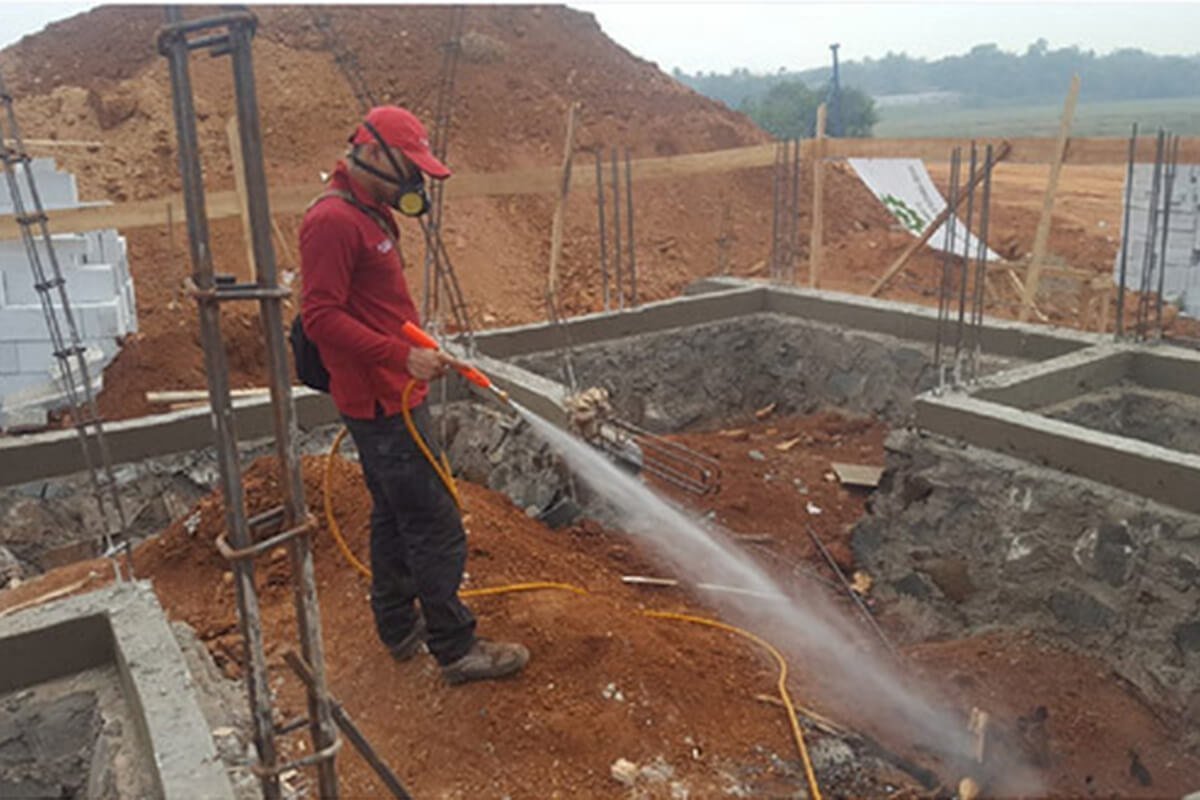
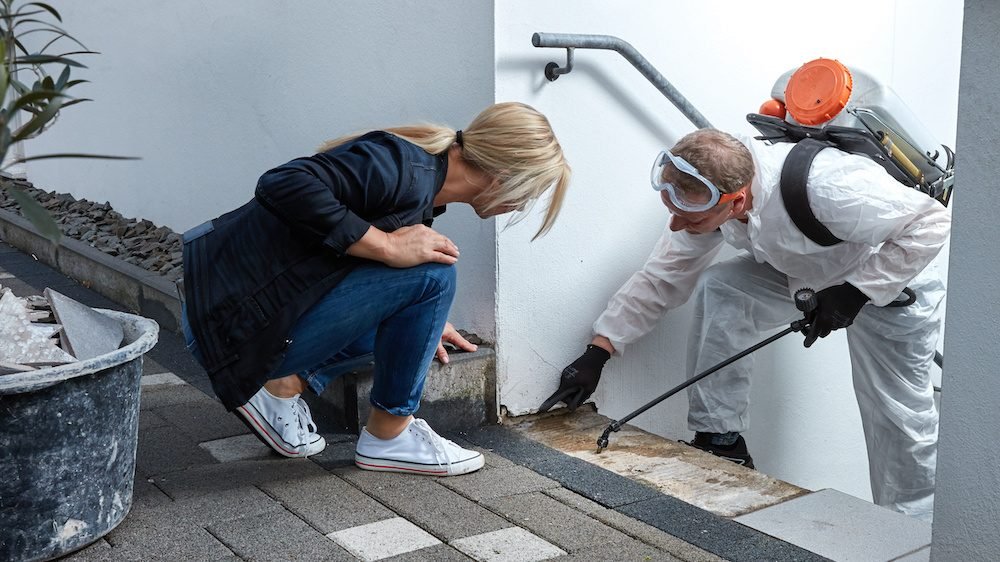
The most common corrective method. Technicians drill small holes at the wall-floor junction and along the perimeter, inject termiticide to create a treated zone, and seal the holes. This creates a chemical barrier termites cannot cross to reach the wood. A good treatment includes a written warranty, usually of several years.
Baiting systems
Bait stations placed in the soil around the home attract termites, which carry a growth inhibitor back to the colony, gradually destroying it. Baiting is less invasive (no drilling through tiles) and eco-friendlier, but usually costs more and works more slowly. It suits homes where drilling expensive flooring is undesirable.
Wood treatment
For infested furniture and door frames, technicians inject or spray termiticide directly into the wood. This is often combined with soil treatment for a complete solution.
What makes termite treatment cost more or less
Two homes of the same size can get very different quotes, and it usually comes down to these factors:
- Built-up area: larger homes need more chemical and labour, so cost rises with square footage.
- Severity: an active, widespread infestation costs more than a preventive treatment for a home with no current termites.
- Chemical used: branded, longer-lasting termiticides cost more than cheaper alternatives but give a longer warranty.
- Flooring type: expensive tiles or marble that must be drilled and neatly sealed add care and time.
- Method: baiting systems generally cost more upfront than conventional drill-and-inject soil treatment.
- Warranty length: a longer written warranty usually reflects a more thorough, correctly dosed treatment.
Signs you may already have termites
Because termites work silently, many homeowners only discover them once damage is visible. Watch for mud tubes running up walls or foundations, wood that sounds hollow when tapped, paint that bubbles or cracks, doors and windows that suddenly stick, tiny piles of what looks like sawdust or wings near wooden furniture, and discarded wings after a swarm. If you notice any of these, arrange an inspection quickly — the longer termites feed, the more they cost you.
Preventive vs corrective: which do you need?
If you are building or renovating, pre-construction anti-termite treatment of the soil and foundation is far cheaper than fixing an infestation later. If termites are already active, you need corrective treatment. Do not let a salesperson upsell a full corrective treatment if you only need preventive protection, and vice versa — an honest inspection should tell you which situation you are in.
Always get the treated area, the chemical name, and the warranty period in writing. A verbal "lifetime guarantee" with no document is worth nothing.
How to avoid overpaying
- Get at least two or three written quotes with the rate per square foot clearly stated.
- Ask which termiticide is used and its warranty period.
- Confirm whether follow-up inspections are included.
- Be wary of unusually cheap quotes — diluted chemical or partial treatment fails within a year.
- Check that the company gives a proper service report and warranty certificate.
Is treatment worth it?
Yes. The cost of professional termite treatment is a fraction of what you would spend replacing damaged wooden doors, furniture, wardrobes, and structural wood. More importantly, treatment stops ongoing damage you cannot see. Left untreated, a termite colony keeps eating quietly for years.
Frequently Asked Questions
How much does anti-termite treatment cost in India?
Anti-termite treatment is usually charged per square foot of built-up area and varies by city, chemical, and whether it is preventive or corrective. Get the rate per square foot and total area in writing from two or three companies to compare fairly, and be cautious of unusually cheap quotes that often mean diluted chemical.
How long does termite treatment last?
A good chemical soil treatment typically comes with a warranty of several years, often five or more, provided the treated zone is not disturbed by digging or major plumbing work. Baiting systems require ongoing monitoring but can protect for as long as they are maintained.
Is termite treatment safe for my family?
Modern termiticides applied by licensed professionals are designed to bind to the soil and are low-risk to occupants when applied correctly. Ventilate treated areas as advised, and keep children and pets away until the treatment has dried and settled.
Can I do termite treatment myself?
DIY termite treatment rarely works because it does not create a continuous, correctly dosed barrier and cannot reach the colony. Professional treatment includes proper drilling, dosing, a warranty, and follow-up, which is essential for a pest that causes structural damage.
What are the first signs of termites in a house?
Early signs include mud tubes on walls or foundations, wood that sounds hollow when tapped, bubbling or cracking paint, doors and windows that suddenly stick, small piles of frass or discarded wings, and swarming insects near wood. Any of these warrants a prompt inspection.
Is baiting or chemical soil treatment better for termites?
Chemical soil treatment creates a fast, proven barrier and is usually cheaper, but requires drilling. Baiting is less invasive and eco-friendlier and destroys the colony over time, but costs more and works more slowly. The right choice depends on your flooring, budget, and how urgent the infestation is.