Search for pest control tips and you will find endless home remedies — lemon peels for ants, cucumber for cockroaches, bay leaves for pantry pests. Some of these have a genuine basis; many are wishful thinking passed around online. Natural methods appeal to families who want to avoid chemicals, especially around children and pets, so it is worth knowing honestly which remedies help, which do nothing, and where their limits are. This guide separates the useful from the myth.
What natural methods are actually good for
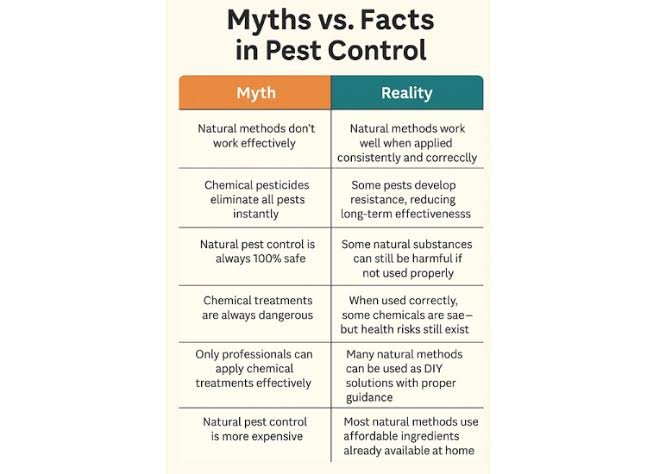
Natural remedies work best as prevention and deterrence for small problems — not as a cure for an established infestation. Used realistically, they can reduce pest attraction, discourage entry, and complement good hygiene. The mistake is expecting a spray of vinegar or a few cloves to eliminate a breeding population that a professional treatment is designed to handle. Keep natural methods in the "prevention and mild control" box, and you will not be disappointed.
Remedies with a real basis
Several popular natural methods do have merit when used correctly:
- Sealing and cleaning — the most effective "natural" method of all is removing food, water, and entry gaps.
- Diatomaceous earth (food-grade) — a fine powder that physically damages the outer layer of crawling insects like cockroaches and ants; genuinely useful in dry cracks.
- Neem — has real insect-repellent and growth-disrupting properties and is widely used in garden pest control.
- Citronella, lemongrass, and camphor — offer a mild mosquito-repelling effect near windows and in rooms.
- Removing standing water and wiping surfaces dry — the single most powerful natural way to cut mosquito and cockroach numbers.
Popular myths that do little
Other widely shared remedies sound appealing but do not stand up:
- Ultrasonic plug-in "repellers" — repeatedly failed independent testing against mosquitoes, cockroaches, and rodents.
- Cucumber slices to repel cockroaches — a persistent internet myth with no real effect on an infestation.
- A single herb or peel eliminating an established colony — deterrence is not the same as elimination.
- Essential oils curing a full infestation — they may mildly repel but will not break a breeding cycle.
Natural methods are excellent gatekeepers and poor firefighters. They help keep pests out; they rarely put out a blaze that is already burning inside your walls.
The safety question, honestly
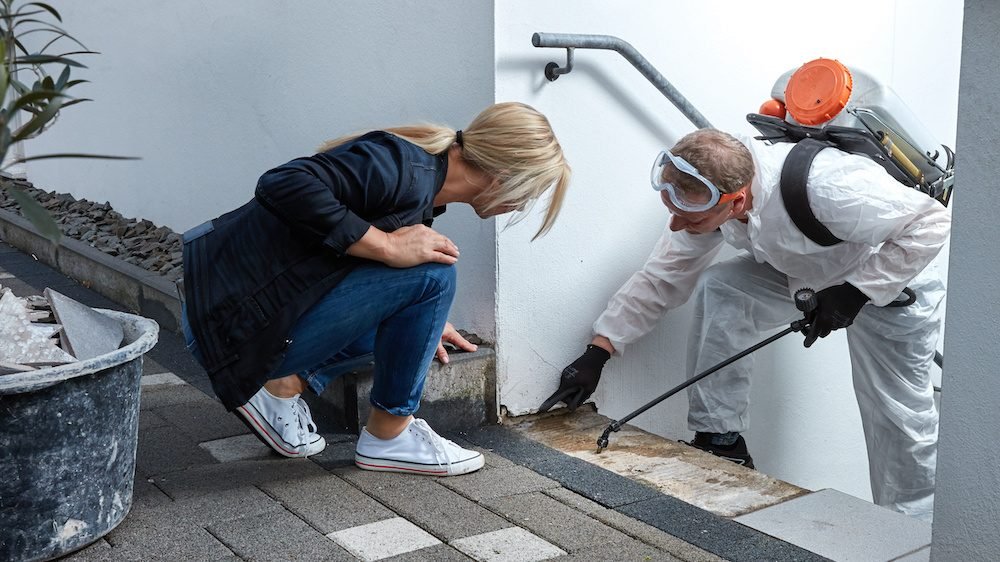
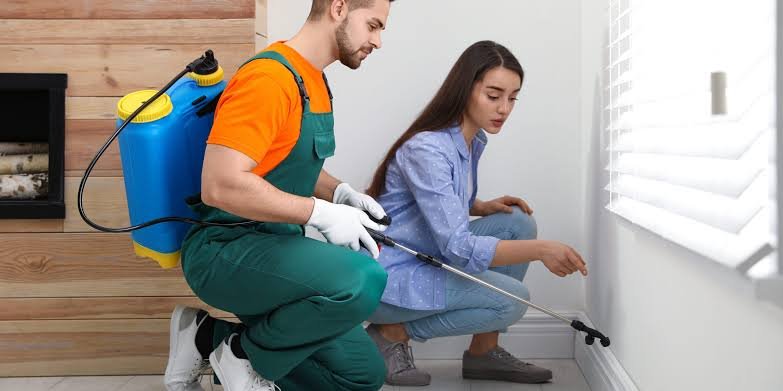
People often assume "natural" automatically means "safe", but that is not always true — some plant extracts and essential oils can irritate skin, harm pets, or cause reactions if misused. Meanwhile, professional treatments, when done by a licensed operator following label instructions, are formulated and applied to be safe for households, including homes with children and pets, when the guidance is followed. The real safety question is not natural versus chemical, but whether whatever you use is applied correctly and appropriately.
A sensible blended approach
The most practical approach for most homes is to blend methods rather than treat it as natural versus professional. Use natural prevention and hygiene as your everyday baseline — seal gaps, remove water and food, keep surfaces dry, use mild repellents. Then, when an actual infestation takes hold and prevention is not enough, bring in professional treatment to break the cycle. This blend gives you the low-chemical daily routine you want plus the effectiveness you need when a real problem arrives.
Knowing when to stop improvising
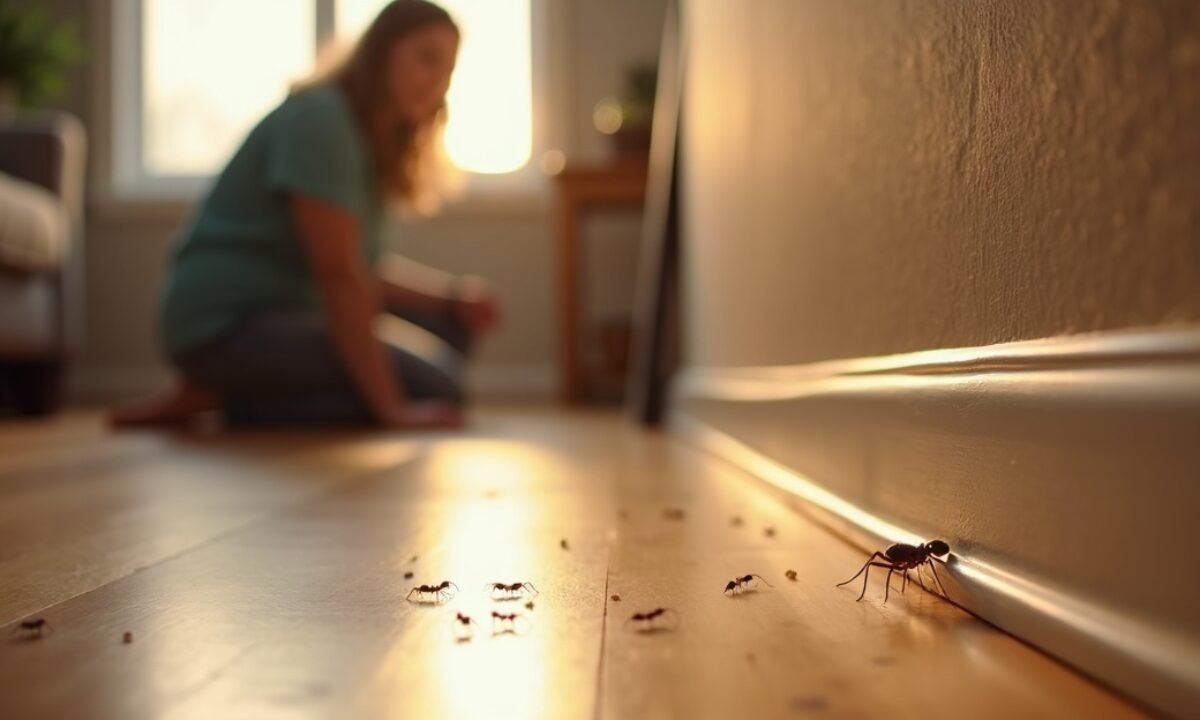
The key skill is recognising when a natural remedy has reached its limit. If you have tried home methods for two or three weeks and still see pests regularly — especially during the day, or in growing numbers — the infestation is beyond what deterrence can fix, and continuing to rely on peels and oils only lets it grow. At that point, a professional treatment is both the more effective and, because it stops the problem spreading, the more economical choice.
Natural methods for specific pests
It helps to know where natural methods genuinely earn their place, pest by pest. For ants, wiping away their scent trails and keeping food sealed disrupts them far more than any spray, and lines of chalk or diatomaceous earth can deter their paths. For mosquitoes, the most powerful natural method is not a plant but a habit: removing every bit of standing water weekly, backed by screens and mild repellents like citronella. For pantry insects, bay leaves and airtight steel containers really do help keep flour and grains protected. For garden pests, neem-based solutions are a genuine, widely used natural control that professionals themselves rely on.
What ties these together is that each natural method works as prevention or gentle control for a specific situation, not as a cure-all. The homeowner who uses the right natural method for the right pest — and knows when to escalate — gets the best of both worlds: a low-chemical home for everyday life and effective professional help when a real infestation arrives. That is a far healthier mindset than either blindly trusting home remedies for everything or reaching for strong chemicals at the first sighting. Match the method to the pest and the severity, and natural remedies become a genuinely useful part of your pest control toolkit rather than a false comfort.
Frequently Asked Questions
Do natural pest control remedies actually work?
Some do, as prevention and mild deterrence for small problems — sealing gaps, removing water and food, neem, diatomaceous earth, and mild repellents like citronella. But natural methods rarely eliminate an established infestation, which needs professional treatment.
Which natural pest methods have a real basis?
Cleaning and sealing gaps, food-grade diatomaceous earth for crawling insects, neem for garden pests, and citronella or camphor for mild mosquito repelling all have genuine merit when used correctly. Removing standing water is the most powerful of all.
Are ultrasonic pest repellers effective?
No. Ultrasonic plug-in repellers have repeatedly failed independent testing against mosquitoes, cockroaches, and rodents. Physical barriers, baits, repellents, and source reduction are what actually work.
Does natural always mean safe?
Not necessarily. Some plant extracts and essential oils can irritate skin or harm pets if misused. Professional treatments by licensed operators are formulated and applied to be safe for households when label instructions are followed — the real question is correct application.
Can home remedies get rid of cockroaches or termites?
They can deter and mildly reduce small numbers, but a single herb, peel, or oil will not eliminate an established cockroach colony or termite infestation. These breeding populations need proper treatment to break the cycle.
When should I stop using home remedies and call a professional?
If you have tried natural methods for two to three weeks and still see pests regularly — especially in daytime or growing numbers — the infestation is beyond deterrence. At that point professional treatment is both more effective and more economical.