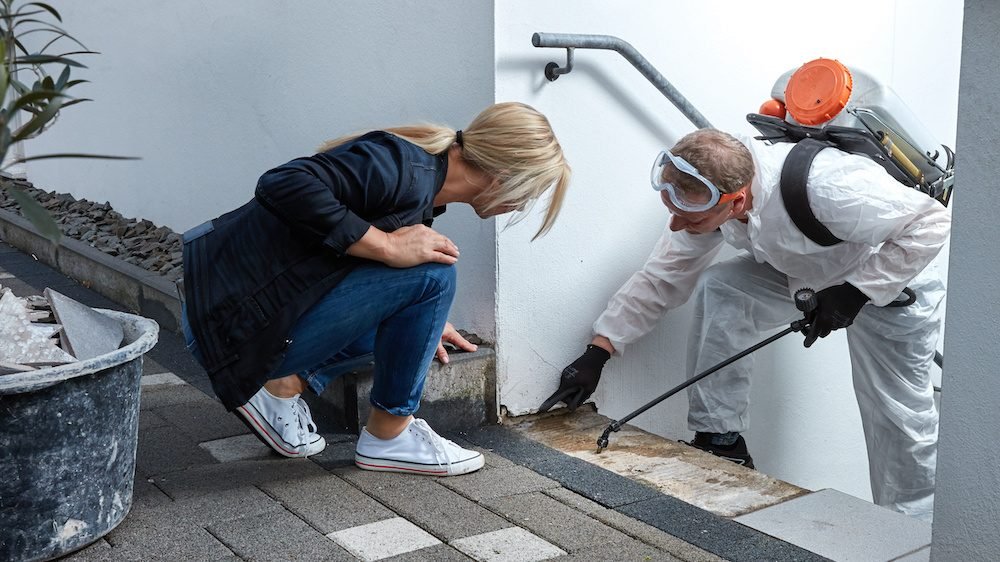
Booking a professional pest inspection for the first time can feel uncertain — you are letting a stranger examine your home and trusting their verdict. Knowing what a good inspection actually involves helps you get the most from it, ask the right questions, and spot the difference between a thorough professional and someone just glancing around. This guide walks you through what to expect during a proper pest inspection in an Indian home.
Why an inspection comes before treatment
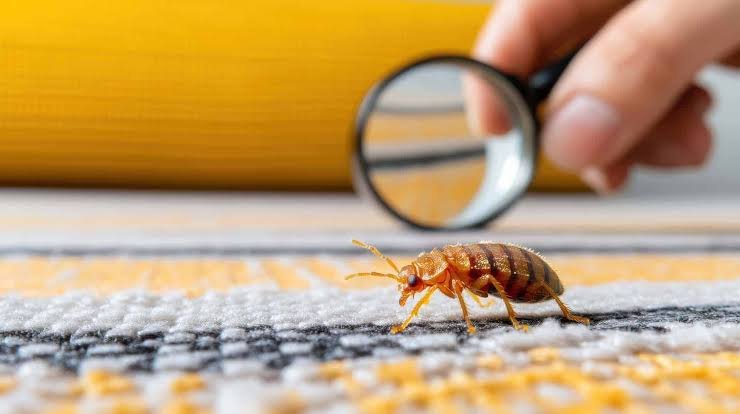
A responsible operator never treats blindly. The inspection is where they identify which pests you have, how severe the problem is, where the pests are hiding and breeding, and how they are getting in. Treatment based on a real inspection is targeted and effective; treatment without one is guesswork that wastes chemical and often misses the source. If someone offers to "just spray everything" without looking first, that is a warning sign.
What the technician looks at
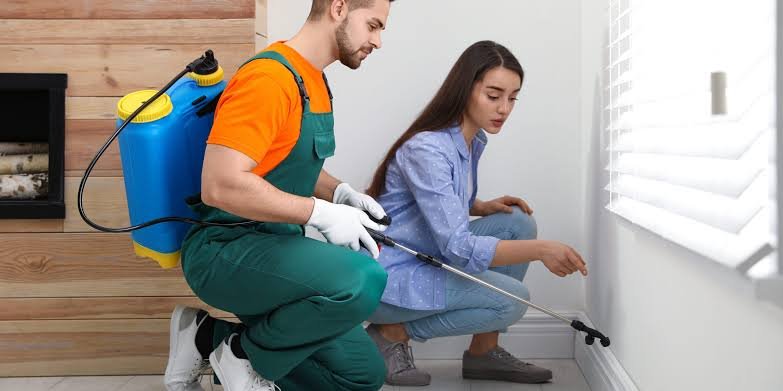
A good inspection is systematic, covering the areas pests actually use. Expect the technician to check:
- The kitchen — behind and under the fridge, inside cabinets, around the sink and stove.
- Bathrooms and utility areas — drains, damp corners, and pipe junctions.
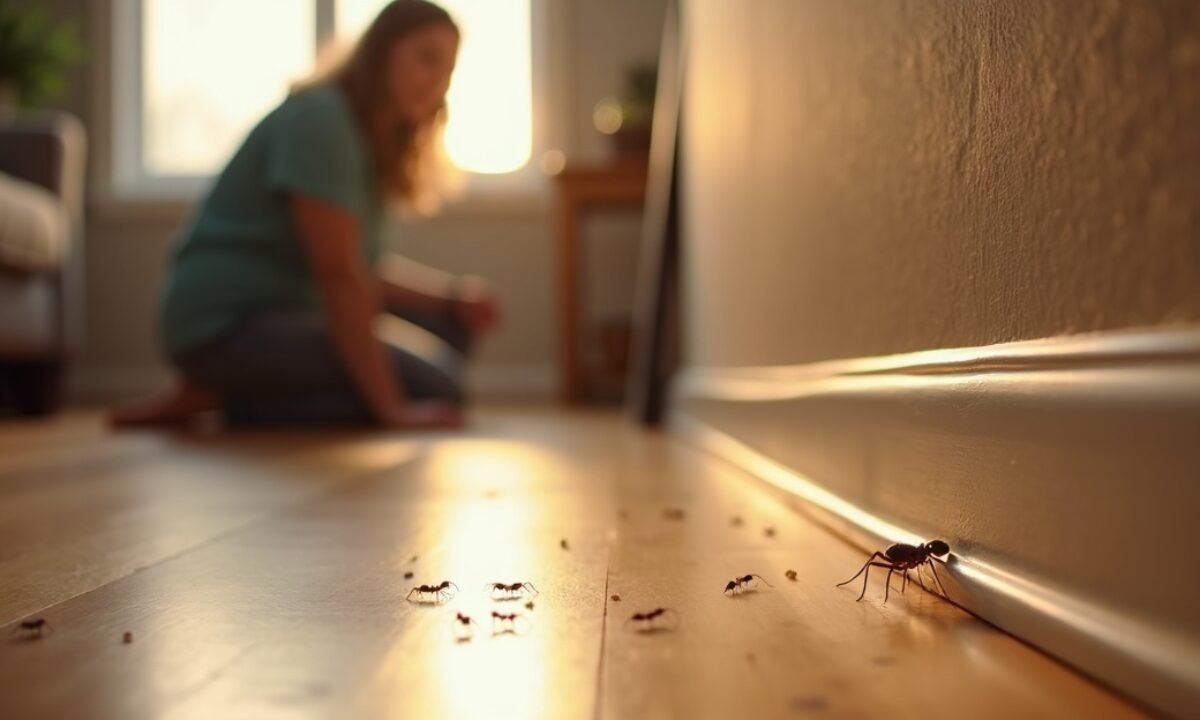
- Wall-floor junctions and skirting for ant trails and termite mud tubes.
- Wooden furniture, door frames, and window frames for termite or borer damage.
- Store rooms, lofts, and stored grain or food for pantry pests and rodents.
- Entry points — gaps around pipes, doors, drains, and cracks in walls.
The questions they should ask you
A thorough inspection is a conversation, not just a look-around. The technician should ask what pests you have noticed, when and where you see them, whether the problem is new or recurring, and whether you have small children, pets, or anyone with allergies. Your observations are valuable clues — you live there and have seen things they cannot in a single visit. Be honest and detailed; it directly improves the treatment plan.
A pest inspection is diagnosis before prescription. The technician who looks carefully and asks good questions is the one whose treatment will actually work.
What you receive at the end
After the inspection, a professional operator explains what they found in plain language, not jargon. You should come away understanding which pests you have, how serious it is, what treatment they recommend and why, roughly how long it will take, and what it will cost. Increasingly, operators provide a written inspection report or a service report through their software, which documents the findings and recommendations. This written record is useful, especially if you are comparing quotes or making an insurance or tenancy claim.
How to prepare for the inspection
- Note down where and when you see pests before the visit — it saves guesswork.
- Provide access to the kitchen, bathrooms, store rooms, and any problem areas.
- Move easily shifted clutter so the technician can reach corners and junctions.
- Mention any children, pets, or allergies so the plan can be made safe for your household.
- Have your questions ready — about chemicals, safety, timing, and warranty.
Red flags to watch for
A rushed, careless inspection usually leads to a poor treatment. Be cautious if the person spends only a couple of minutes, refuses to explain their findings, quotes a price before looking at anything, or pressures you to sign immediately with a "today only" discount. A trustworthy operator is happy to explain what they found, answer your questions, and give you a written quotation you can consider without pressure. The quality of the inspection is the best early sign of the quality of the service you will receive.
Why a paid inspection can be worth more than a free one
Many operators offer free inspections as a way to win business, which is fine — but it is worth understanding the difference in incentive. When an inspection is free, the operator earns nothing unless they sell you a treatment, which can quietly push toward recommending work whether or not it is truly needed. A genuinely thorough, honest inspection takes time and expertise, and some serious operators charge a modest fee for it, often adjustable against the treatment if you proceed. Neither model is wrong, but do not assume "free" automatically means better — judge the operator by how carefully they look and how honestly they explain, not just by the price tag on the inspection.
Whichever type you get, the value of an inspection is the honest diagnosis, not the sales pitch that follows. A good inspector will sometimes tell you that you do not need a full treatment yet — that fixing a leak, sealing a gap, or improving hygiene will solve the problem. That honesty is precisely the sign of an operator worth hiring, because it shows they are diagnosing your home rather than upselling their calendar. When you find someone who inspects carefully and advises honestly even when it means less work for them, keep their number — that is the operator you want handling your home for years.
Frequently Asked Questions
Why is a pest inspection needed before treatment?
The inspection identifies which pests you have, how severe the problem is, where they hide and breed, and how they enter. This lets the operator target the treatment effectively instead of guessing, which wastes chemical and misses the source.
What areas does a pest inspection cover?
A thorough inspection covers the kitchen, bathrooms, wall-floor junctions, wooden furniture and frames, store rooms and lofts, and entry points like gaps around pipes and drains. The technician looks wherever pests hide, breed, and enter.
How long does a pest inspection take?
It varies with the size of the home and the problem, but a proper inspection is unhurried and systematic. Be cautious of anyone who spends only a couple of minutes or quotes a price before actually looking around.
What should I get after the inspection?
A clear explanation of what was found, which pests you have, the recommended treatment and why, the rough time and cost, and ideally a written inspection or service report. This written record helps you compare quotes and keep documentation.
How do I prepare for a pest inspection?
Note where and when you see pests, provide access to the kitchen, bathrooms, and store rooms, move easy clutter, and mention any children, pets, or allergies. Have your questions ready about chemicals, safety, timing, and warranty.
What are warning signs of a bad inspection?
Warning signs include a two-minute glance, refusing to explain findings, quoting a price before inspecting, and high-pressure "today only" discounts. A trustworthy operator explains what they found and gives an unpressured written quotation.