When people first notice a pest problem, the common instinct is to wait — to hope it goes away, or to put off spending money on treatment. It feels like the frugal choice. In reality, ignoring pests is one of the most expensive decisions a homeowner or business can make, because the true cost is rarely the pests themselves. It is the damage, the health effects, and the reputation harm they cause while you wait. This guide lays out the real cost of doing nothing.
The damage grows silently
Pests do not stay still while you decide. A small termite colony noticed in one door frame will quietly spread to flooring, furniture, and structural wood, turning a minor treatment into a major repair bill. A few rodents become a breeding population that gnaws wiring — a genuine fire risk — and damages stored goods. The longer you wait, the more the problem compounds, which is why early action is almost always the cheaper action.
The health cost you cannot see on a bill
Some of the heaviest costs of ignoring pests never appear as a repair estimate — they show up as illness. Consider what an untreated infestation can do:
- Cockroaches spread bacteria that cause food poisoning and trigger asthma and allergies, especially in children.
- Mosquitoes transmit dengue, malaria, and chikungunya — a single case can mean hospital bills and weeks of lost work.
- Rodents contaminate food and can spread disease through their droppings and urine.
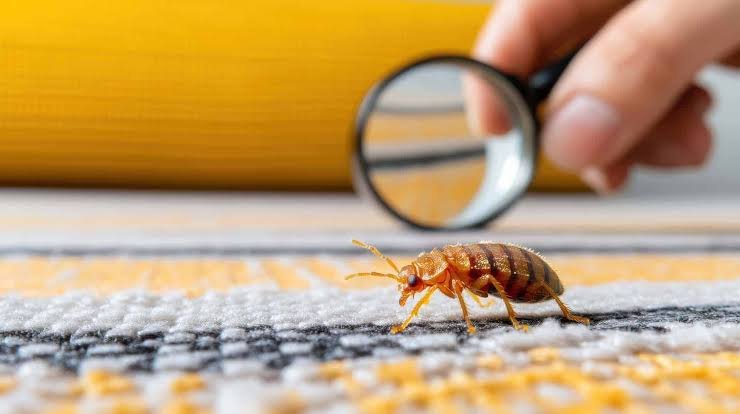
- Bed bugs cause sleepless nights, stress, and skin reactions that wear a family down over months.
Set against a hospital bill or a child's health, the cost of timely pest control looks very small.
The business cost is even higher
For a restaurant, shop, hotel, or food business, ignoring pests is not just expensive — it is existential. A single cockroach seen by a customer, a rodent caught on a phone camera, or a failed food-safety inspection can destroy a reputation built over years. In the age of online reviews and social media, one bad pest incident travels fast and far. Preventive pest control for a business is not a cost centre; it is protection for the entire brand and the licence to operate.
Pests never send an invoice for the damage they do while you wait. That bill arrives later, and it is always bigger than the treatment would have been.
The "it is just a few" trap
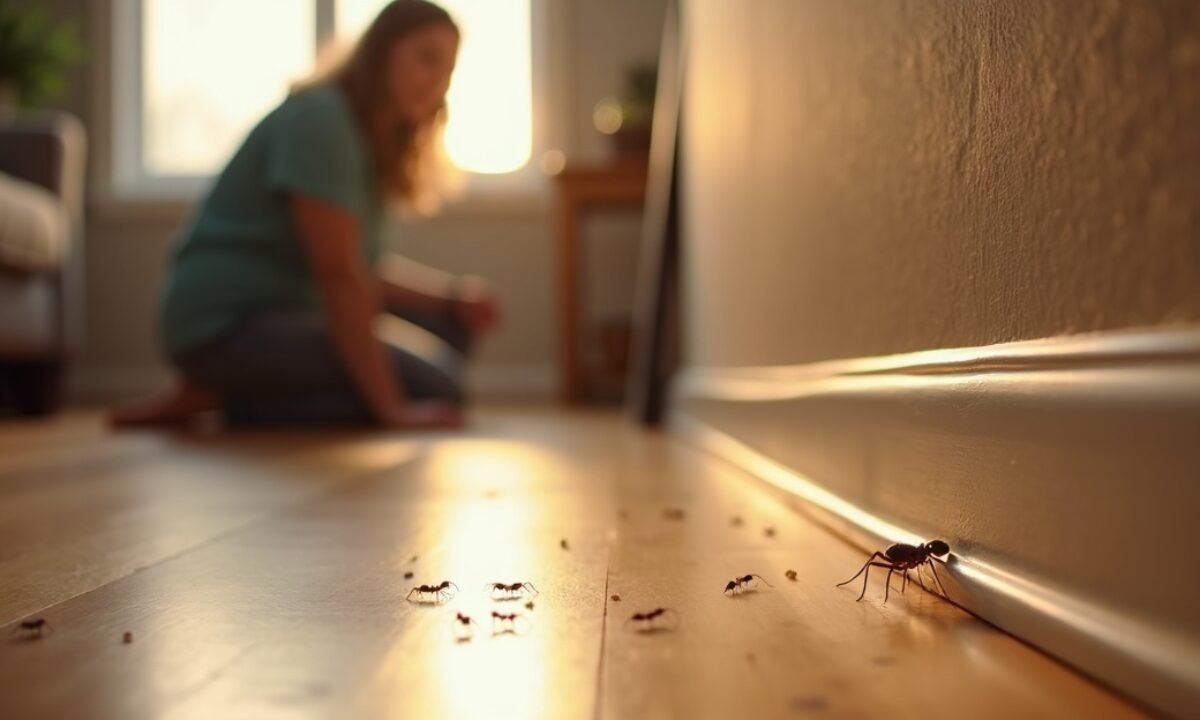
The most expensive mistake is dismissing early signs as trivial — "it is just one cockroach", "just a couple of ants", "just a bit of mud on the wall". Pests are rarely as few as they appear; the ones you see are a fraction of the hidden population. Daytime cockroach sightings, mud tubes, and repeated ant trails are all signals that the real problem is larger than it looks. Treating early, while the population is small, is dramatically cheaper than treating after it has established.
Weighing the cost of action against inaction
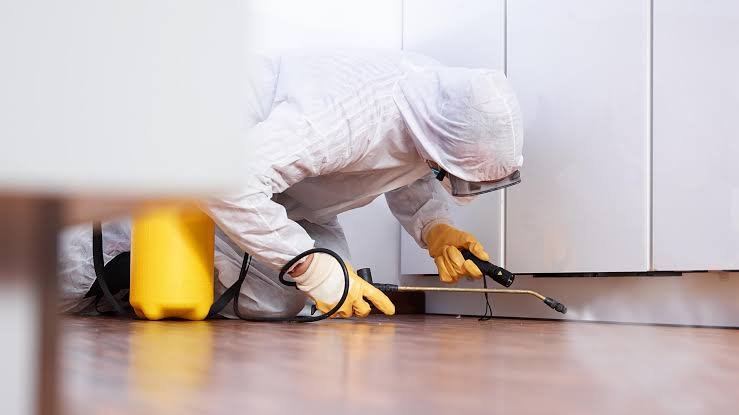
When you compare the modest, predictable cost of a professional treatment against the unpredictable, compounding cost of damage, illness, and reputation harm, the maths is clear. Pest control is best understood as insurance: a small, known outlay that protects you from a large, unknown one. The frugal choice is not to avoid treatment — it is to treat early and, better still, to prevent through a scheduled programme so the problem never reaches the expensive stage.
Act on the early signs
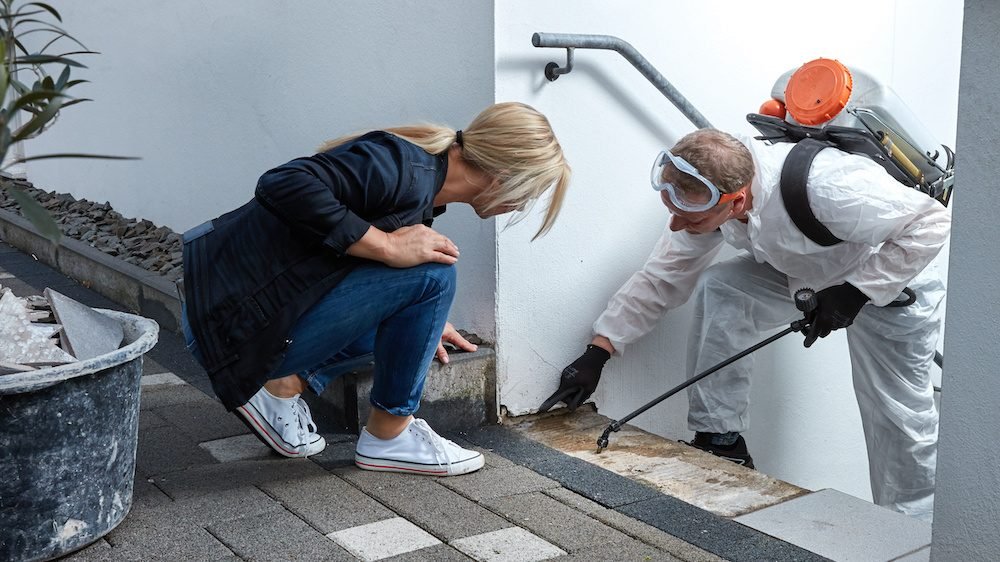
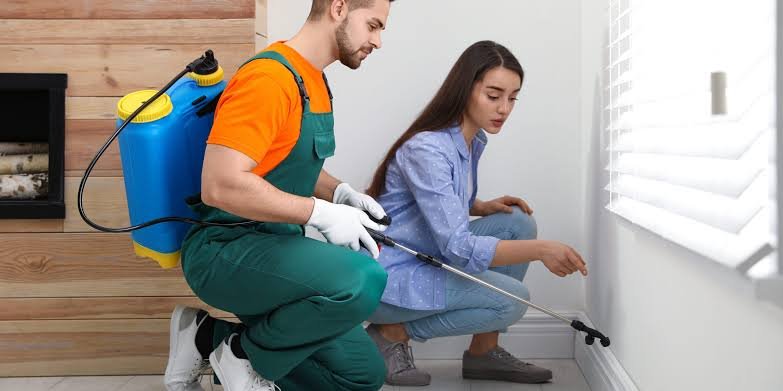
The practical takeaway is simple: do not wait. If you see the early signs of any pest — droppings, mud tubes, gnaw marks, repeated sightings, or unexplained bites — get an inspection promptly. Early treatment is cheaper, faster, and less disruptive than late treatment, and it spares you the hidden costs that never appear on a quotation. The best money you can spend on pests is the money you spend before the problem grows.
The hidden costs people forget to count
When homeowners weigh whether to treat a pest problem, they usually think only of the visible bill — the cost of the treatment itself. But the real cost of doing nothing hides in places that never appear on any invoice. There is the time lost cleaning up after pests, throwing away contaminated food, and dealing with the damage they cause. There is the stress and lost sleep, which are real even if you cannot put a number on them, and which wear a family down over weeks and months. And there is the opportunity cost — the weekends spent fighting an infestation with sprays that were spent, in a home treated early, simply enjoying the house.
For anyone renting out a property or running a business, add the cost to relationships and reputation. A tenant who battles pests a landlord ignored will leave and warn others; a customer who spots a pest in a shop or restaurant will not come back and may tell hundreds online. None of these costs show up when you are deciding whether to spend on treatment, which is exactly why they get ignored — and why ignoring them is so expensive. When you add up the invisible costs alongside the visible ones, the case for early, preventive pest control becomes overwhelming.
Frequently Asked Questions
Is it really more expensive to ignore a pest problem?
Almost always. The true cost is not the pests but the damage, health effects, and reputation harm they cause while you wait. Early treatment is far cheaper than repairing termite-eaten wood, rodent-damaged wiring, or a ruined business reputation later.
What damage can termites do if ignored?
A small termite colony spreads silently from one area to flooring, furniture, and structural wood, turning a minor treatment into a major repair bill. Because termites work unseen, ignoring early signs like mud tubes lets the damage compound.
What are the health risks of ignoring pests?
Cockroaches spread bacteria and trigger asthma, mosquitoes transmit dengue and malaria, rodents contaminate food and spread disease, and bed bugs cause stress and lost sleep. These health costs often far exceed the cost of timely treatment.
Why is ignoring pests worse for a business?
For a restaurant, shop, or hotel, a single visible pest or a failed inspection can destroy a reputation built over years, and online reviews spread it fast. Preventive pest control protects the brand and the licence to operate.
Are early pest signs really a big deal?
Yes. The pests you see are a fraction of the hidden population, so early signs like daytime cockroaches, mud tubes, or repeated ant trails mean the real problem is larger than it looks. Treating early is much cheaper than treating an established infestation.
When should I act on a pest problem?
As soon as you notice early signs like droppings, mud tubes, gnaw marks, repeated sightings, or unexplained bites. Prompt inspection and treatment are cheaper, faster, and less disruptive than waiting until the problem grows large.