Moving into a new home is exciting, but the moment before you unpack is your single best chance to keep it pest-free for years. An empty house is easy to inspect, easy to seal, and easy to treat — far easier than after your furniture, cartons, and belongings are in place. This guide walks you through a smart pre-move-in pest checklist so you start life in your new home without inheriting someone else's pest problem.
Why the empty-house window is so valuable
Once you move in, cupboards are full, beds and sofas cover the floor, and the gaps where pests hide are sealed off from your view. Before that, every corner, skirting, drain, and crack is visible and reachable. This is the one time you can inspect thoroughly, seal entry points completely, and — if needed — treat the whole floor area without moving anything. Smart movers use this window; most people waste it.
Inspect before you sign or shift in
Whether buying or renting, inspect carefully for signs the previous occupants may not mention:
- Termites: mud tubes on walls, hollow-sounding skirting and door frames, and tiny frass piles.
- Cockroaches: droppings in cabinet corners, an oily smell, or egg cases behind fittings.
- Rodents: droppings, gnaw marks on wood and pipes, and greasy rub marks along walls.
- Bed bugs: dark spots on any left-behind mattress, and stains along skirting in bedrooms.
- Dampness and leaks: the root cause that attracts most pests in the first place.
Seal the entry points while you can see them
An empty home makes proofing simple. Systematically close the gaps pests use:
- Seal cracks in walls and around water, gas, and AC pipe outlets with sealant or steel wool.
- Fit tight sweeps under all external doors and repair torn window and ventilator screens.
- Cover floor drains with mesh or one-way flaps to block cockroaches and rodents.
- Seal the gaps around the kitchen sink, behind cabinets, and where wiring enters walls.
- Check and seal the balcony and utility-area drains as well.
Deep-clean before the furniture arrives
A thorough clean of an empty home removes the food residue, droppings, and eggs left by previous pests. Pay special attention to the kitchen — inside all cabinets, behind where the fridge and stove will stand, and around the sink. Clean bathroom drains and corners. Wipe down every cabinet and shelf. Starting with a genuinely clean slate means no inherited crumbs feeding the next generation of pests.
The best pest control you will ever do in a new home is the treatment you do before a single carton comes through the door.
Consider a preventive treatment before moving in
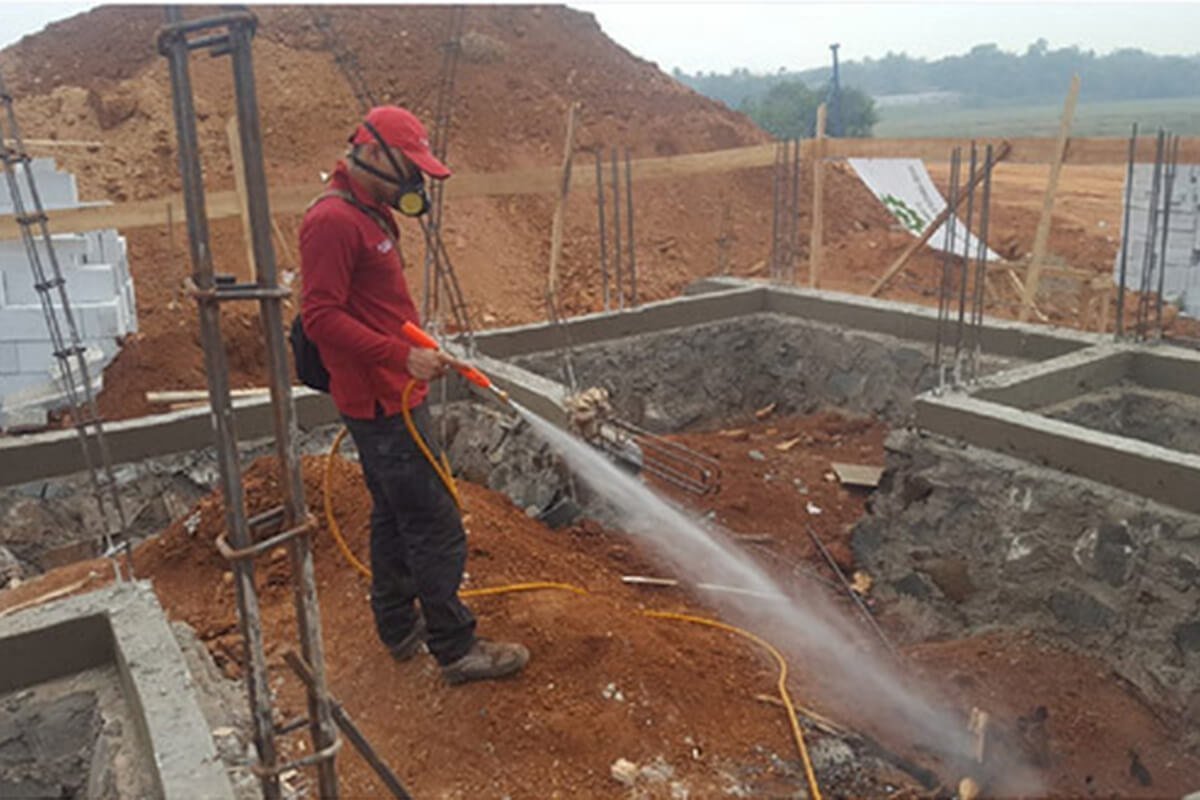
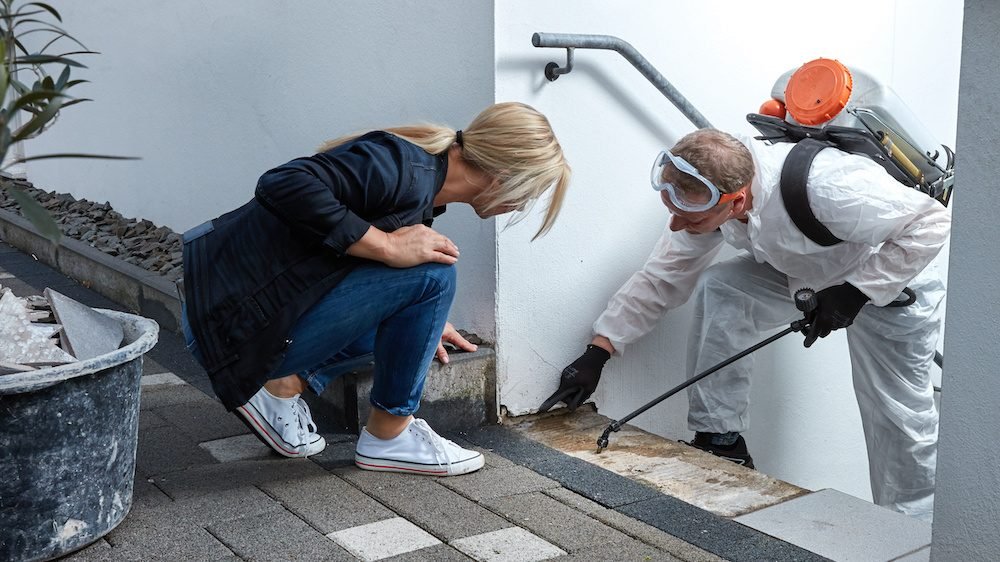
If the home has any history of pests, or you simply want peace of mind, a preventive professional treatment of the empty house is highly effective and cheap to do at this stage. Technicians can apply targeted gel bait, treat drains and cracks, and inspect for termites when every surface is accessible and there is nothing to move or cover. Doing this in a furnished, occupied home is far more disruptive and less thorough.
Do not carry pests in with your belongings
Ironically, the pests in your new home often arrive with you. Cartons, old furniture, and mattresses from your previous home can carry cockroach egg cases, bed bugs, or pantry insects. Protect your fresh start:
- Inspect and, if possible, treat second-hand or old furniture before moving it in.
- Do not bring a suspect old mattress; check seams carefully for bed bug signs.
- Discard old cardboard cartons after unpacking rather than storing them, as they harbour roaches.
- Check packed grains and pantry items for insects before shelving them.
Set up the kitchen the pest-smart way
The kitchen is where pest habits are made or broken, so set it up right from day one. Install airtight containers for all grains and dry food before you fill them. Fix any dripping taps and check the under-sink cabinet is dry. Fit a mesh over the kitchen floor drain. Starting with good storage and a dry, sealed kitchen prevents the ant and cockroach problems that otherwise creep in over the first few months.
For new apartments and societies
In a flat, remember that pests travel between units through shared plumbing and walls, so even a spotless new flat can be re-infested from neighbours or common areas. When moving into a new society, ask the management committee whether regular pest control is done for common areas, drains, and the basement. If your neighbours have problems, a coordinated treatment protects your new home far better than sealing your flat alone.
The first-month watch
Even with good preparation, stay alert in the first few weeks as you settle in. Watch for ant trails, cockroach sightings, or droppings appearing, and act immediately while any problem is tiny. Early action in a new home — before pests establish and breed — is dramatically easier than fighting an entrenched infestation months later. Keep a couple of gel bait dots and traps handy as an early-warning system.
When to call a professional
Call a professional before moving in if the home shows signs of termites, a past infestation, or if you want a thorough preventive treatment while the house is empty and easy to treat. It is also wise for older houses, ground-floor homes prone to rodents and drain pests, and anywhere with visible dampness. A one-time treatment of an empty home is cheap insurance against months of pest trouble after you settle in.
Frequently Asked Questions
What should I check for pests before moving into a new home?
Inspect for termite mud tubes and hollow wood, cockroach droppings and egg cases in cabinets, rodent droppings and gnaw marks, bed bug stains on any left-behind mattress, and any dampness or leaks that attract pests. An empty home is the easiest time to spot all of these.
Should I do pest control before moving into a new house?
It is highly recommended, especially if the home has any pest history or you want peace of mind. Treating an empty house is cheaper, faster, and more thorough than treating a furnished one, since every surface is accessible and nothing needs to be moved or covered.
Can I bring pests into my new home with my old furniture?
Yes. Old furniture, mattresses, and cardboard cartons can carry cockroach egg cases, bed bugs, or pantry insects into a clean new home. Inspect and, where possible, treat old items before moving them in, and discard old cartons after unpacking.
How do I keep a new flat pest-free from the start?
Seal cracks and drains, deep-clean before furniture arrives, set up airtight food storage from day one, and fix any dampness. In a society, also check whether common areas get regular pest control, since pests travel between flats through shared plumbing.
Why is an empty house easier to treat for pests?
With no furniture or belongings, every corner, crack, skirting, and drain is visible and reachable, so inspection, sealing, and treatment are far more thorough. Once you move in, cupboards and furniture hide the very gaps where pests live.
What are the first signs of pests in a new home?
Watch the first few weeks for ant trails, cockroach sightings, fresh droppings, or gnaw marks. Acting immediately while the problem is tiny is far easier than dealing with an established infestation that has had months to breed.