In an Indian winter, most outdoor insects slow down, but the pests that live inside your home carry on as usual, and some actually move indoors to escape the cold. Mosquito numbers fall after the monsoon ends, while rats and mice look for warm ceilings, bed bugs settle into heavy quilts, and moths start eating stored woollens. What changes in winter depends on where you live, because December in Delhi and December in Chennai are very different.
This guide explains which pests ease off between November and February, which ones become more of a problem, and why winter is a good time for some treatments that are hard to do in the monsoon.
North, south and coastal winters are not the same
Across the Indo-Gangetic plains, night temperatures can drop to single digits in December and January. That cold genuinely reduces outdoor insect activity. In coastal cities like Mumbai and Kochi, winter is mild and humid, so pests carry on almost as normal. Chennai and much of coastal Tamil Nadu get their main rain from the northeast monsoon between October and December, which means their 'winter' is actually a wet season with mosquitoes and cockroaches at full strength.
So before you relax, ask yourself a simple question: is it cold and dry where you live, or just slightly cooler? The advice below assumes a real winter, and it notes where milder cities differ.
What slows down when the temperature drops
| Pest | What happens in a cold winter | What still needs watching |
|---|---|---|
| Aedes mosquitoes (dengue) | Breeding drops sharply once nights stay cool | Indoor containers in warm rooms, especially in milder cities |
| Culex mosquitoes (night biters) | Fewer, but they keep breeding in drains | Open drains and septic vents near bedrooms |
| Houseflies | Much less active outdoors | Kitchens with wet waste kept indoors |
| Outdoor ants | Foraging shrinks to warm afternoons | Colonies inside walls near the kitchen |
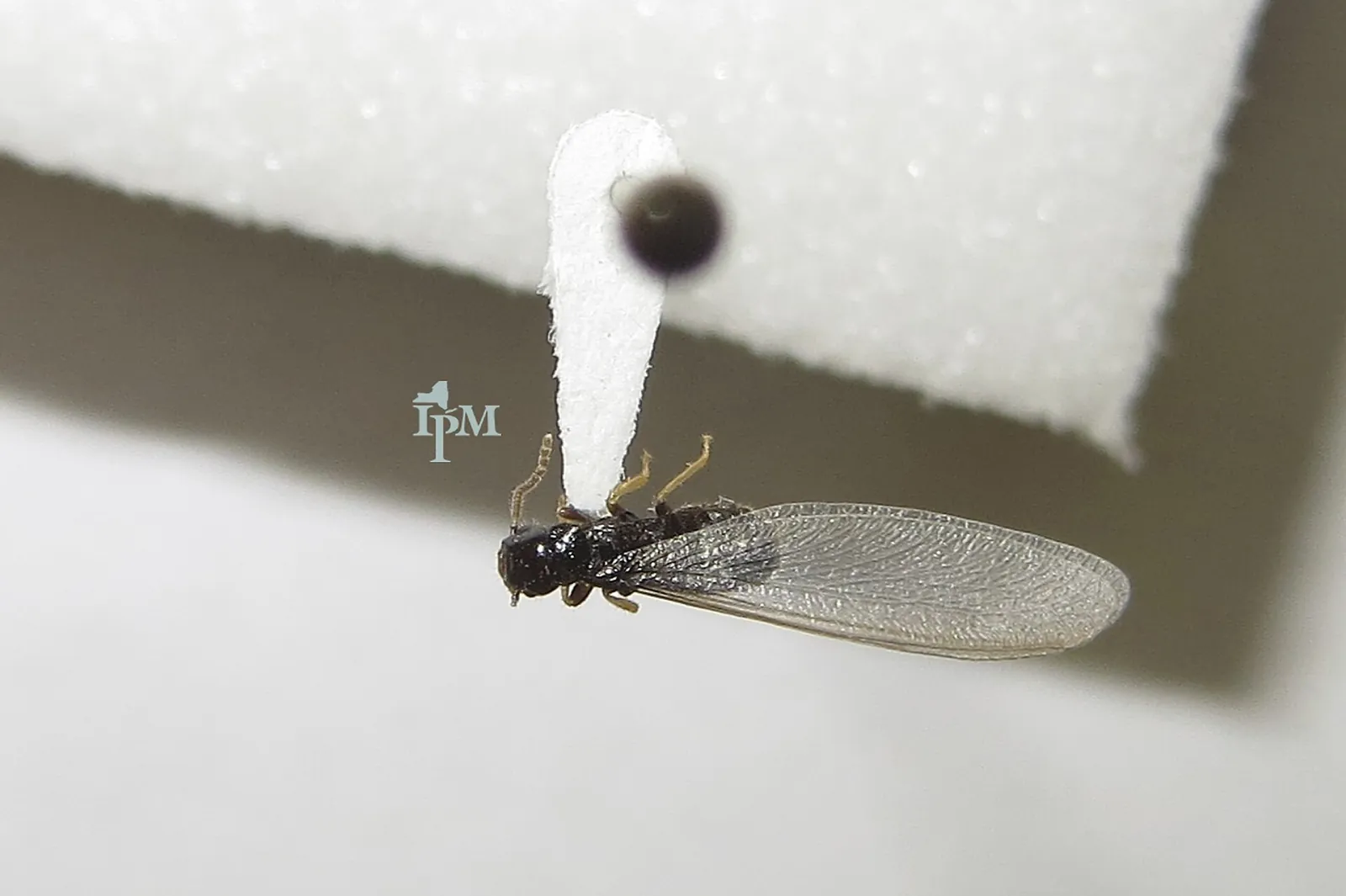
| Subterranean termites | Less visible above ground | They keep feeding deeper in soil and inside walls |
| American cockroaches | Fewer seen near outdoor drains | Bathroom floor traps and sewer lines stay warm |
The important point is that 'less visible' is not the same as 'gone'. Termites are a good example. Their colony sits underground, where the temperature changes very little through the year. You may see fewer mud tubes in January, but the timber inside a wall can still be eaten.
The pests that move indoors in winter
Rats and mice
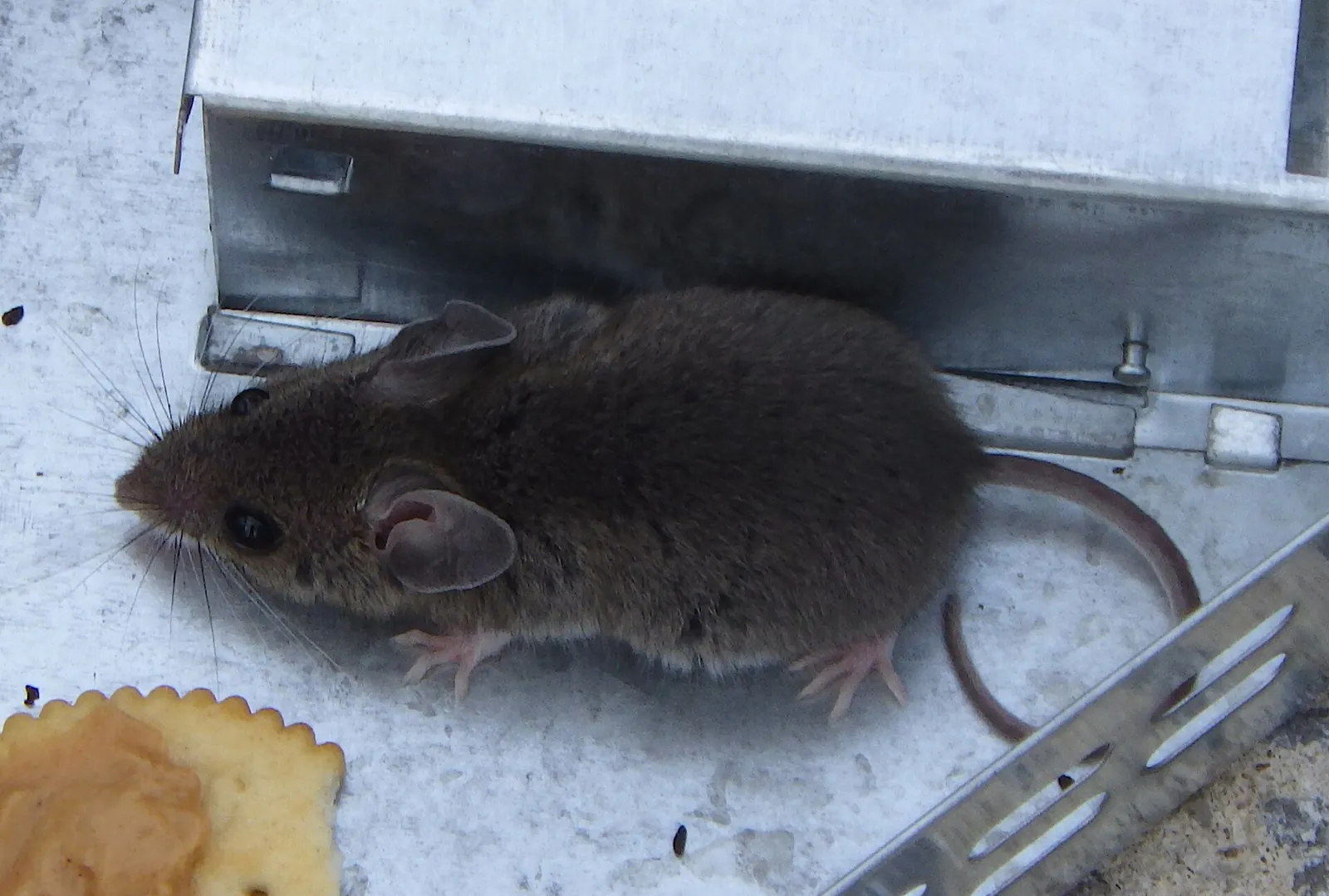
The house mouse and the roof rat both seek warmth when nights turn cold. False ceilings, the space above kitchen cabinets, the back of a refrigerator, and loft storage full of old cartons all stay a few degrees warmer than the outside air. Scratching above the ceiling at night, small droppings near stored grain, and chewed plastic are the usual signs. Our guide on getting rid of rats and mice safely covers trapping and baiting in detail.
Bed bugs
Bed bugs do not hibernate inside a heated or occupied home. Winter actually helps them: thick razais, blankets stored in boxes and then brought out, and guests visiting for weddings all give bed bugs more hiding places and more chances to travel. If you take blankets out of storage, shake them out in the sun and check the seams before using them.
Clothes moths and silverfish
Woollen sweaters, shawls and carpets that sat folded through summer can be damaged by the larvae of clothes moths, which feed on wool, silk and feathers. Silverfish eat starch in paper and some fabrics and like the dark corners of cupboards. If you open a trunk and find small irregular holes in a shawl, the damage happened over months of storage. See our article on silverfish and booklice for cupboard-level fixes.
Why winter is a good time for some treatments
Pest control companies are usually less busy from December to February, which can mean easier appointment times. More importantly, some jobs simply work better in dry weather.
- Post-construction termite drilling goes faster when floors and soil are dry, and the chemical spreads evenly instead of being diluted by groundwater.
- Rodent proofing, such as sealing gaps around pipes and fitting mesh on vents, is easier when nobody needs windows open for ventilation.
- Wood treatment for drywood termites in furniture can be done without worrying about humidity affecting the finish.
- A pre-season inspection in February gives you time to fix leaks and cracks before the summer heat.
Ventilation after treatment in a closed winter home
Winter creates one practical problem. After a spray treatment, the technician will tell you to stay out for a few hours and then open windows. In cold weather, families tend to close everything again too quickly. Keep windows open for at least an hour after you return, run the exhaust fan, and do not switch on a room heater in a freshly sprayed room until it has aired out.
If someone at home has asthma, or you have an infant, ask for gel baiting and targeted crack treatment instead of a broad spray. Most winter cockroach problems can be handled that way. Our guide on pest control for families with children and pets has more on choosing gentler methods.
What winter will not solve for you
Many people hope that a cold spell will clear an infestation for free. It rarely does.
- A cold night does not kill cockroaches living behind a warm refrigerator or inside the motor housing of a mixer.
- Bed bugs survive Indian winters easily, because your bed is warm every night.
- Termites underground are protected from cold. A quiet winter can hide a colony that reappears in March.
- Leaving a mattress on a cold terrace overnight does not reliably kill bed bugs or their eggs.
Use the quieter months to fix the cause, such as a leaking pipe, a gap under the door or a cluttered loft, rather than waiting for the cold to do the work.
A short winter routine
- November: put away summer coolers fully dried, and check stored woollens before wearing them.
- December: inspect the loft and false ceiling access for droppings; seal gaps around pipes with steel wool and cement.
- January: wash and sun all blankets brought out of storage; check mattress seams for bed bug spots.
- February: book a termite or general inspection before summer, and fix any leaks the plumber has been putting off.