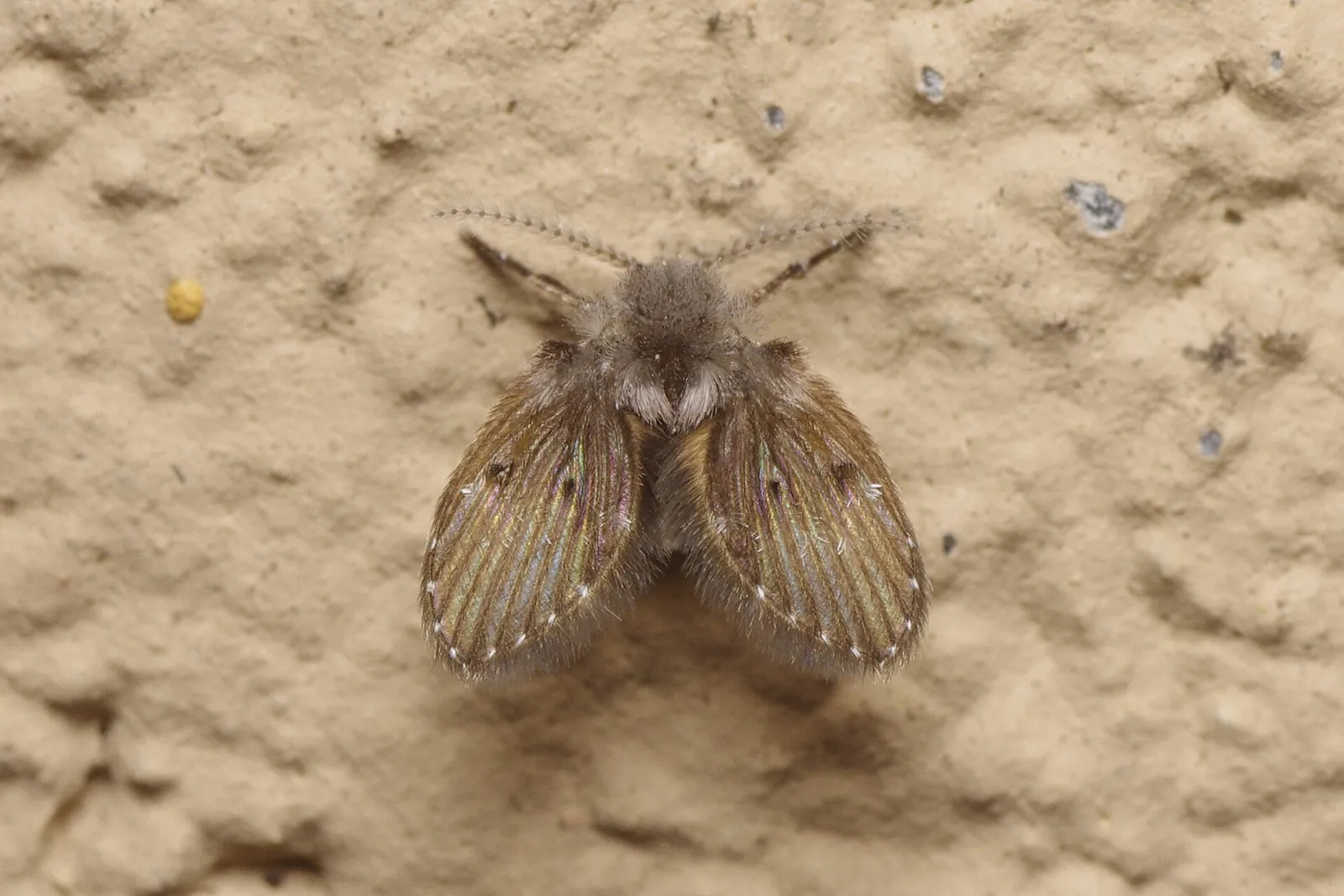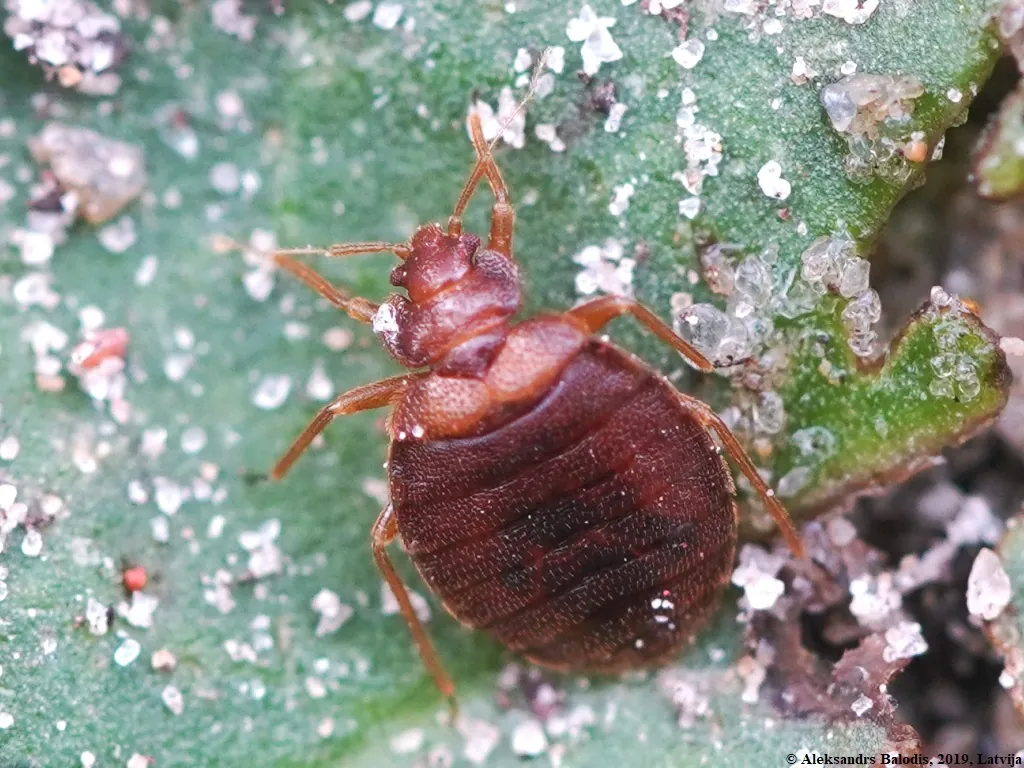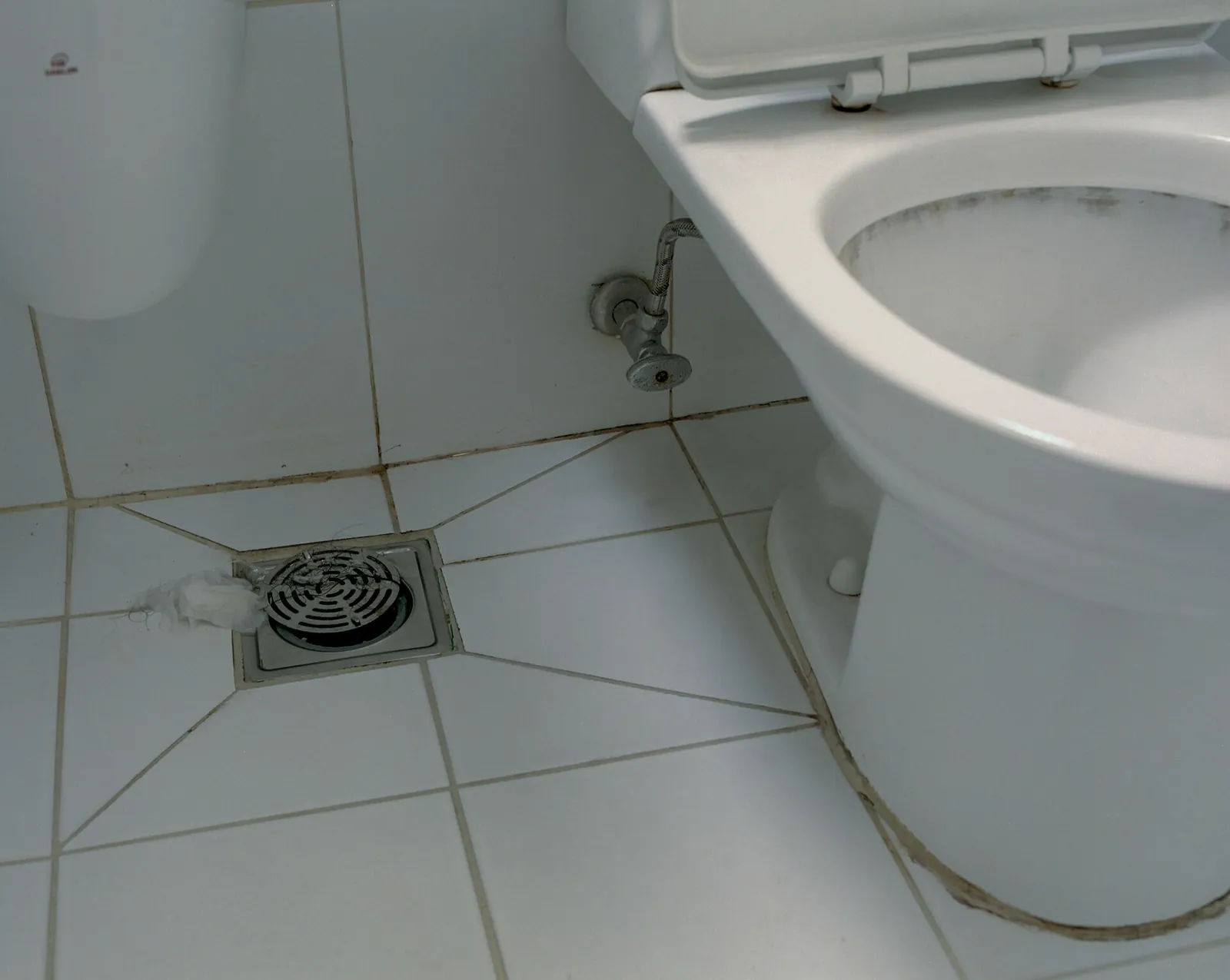
People who move into a brand-new flat or house often assume pests are a problem for old buildings. Then, three months after moving in, the first cockroach appears in the kitchen, or termite mud lines show up behind a wardrobe that was installed only last year. New buildings have their own set of pest risks, and several of them come directly from how the building was constructed.
This article explains why new construction attracts pests, what to check before you take possession, and the problems that are the builder's responsibility rather than yours.
Construction itself disturbs termite colonies
Subterranean termites are already in the soil before a building goes up. Excavation and piling break their tunnels, but colonies are large and deep, and they rebuild quickly. The wood brought onto site for shuttering, scaffolding and formwork is a food source that often gets left buried in plinth filling or under the floor once the job is done. Termites find it, feed on it, and then move on to the door frames and wardrobes above.
This is why pre-construction soil treatment matters so much, and why a missed treatment stage shows up as termite damage within the first two or three years. Ask the builder for the treatment certificate. If the stages were done properly, there will be a record of when each was completed.
Construction gaps that were never sealed
In the rush to finish, small gaps get left everywhere: around pipes passing through slabs, behind kitchen platforms where they meet the plumbing shaft, along the edges of false ceilings, behind electrical boxes and in the gap between the door frame and the wall. These are invisible once the painting is done, but they connect your flat to the shared duct, to the floor below and to the outside.
In a new tower, the shafts and ducts often contain construction debris, food left by workers and stagnant water. Cockroaches and rodents that colonised the building during construction use these channels to reach the flats.
Moisture that has not dried out
New concrete and plaster hold a lot of water. A newly built flat can take a year or more to dry fully, especially if it was finished during or just after a monsoon. That trapped moisture inside walls and under tiles raises humidity in cupboards and behind wardrobes, which attracts silverfish, booklice and termites. Fungal growth behind newly installed modular furniture is a common complaint in the first year.
- Keep new wardrobes about 2 to 3 cm away from external walls for the first year so air can circulate.
- Ventilate the flat daily for the first few months, especially rooms that are kept closed.
- Do not fit wooden flooring or wall panelling on walls that still show damp patches.
Pests you bring in during the move
A move is also the most common way pests are introduced into a clean home. German cockroaches travel in cardboard cartons, especially ones that held groceries or came from a store room. Bed bugs travel in mattresses, beds and upholstered furniture. Wood borers and drywood termites can come in old wooden furniture brought from a previous home or bought second-hand.
- Use new boxes or plastic crates for the move where possible, and unpack and discard cartons within a few days.
- Inspect mattress seams, bed joints and sofa underside for bed bugs before loading them.
- Check old wooden furniture for small round exit holes and fine powder underneath, the signs of wood borer.
- Wipe down appliances such as fridges and microwaves before installing them in the new kitchen.
Empty neighbouring flats and unfinished phases
In a new society, many flats stay empty for months, and later phases may still be under construction. Empty flats with dry floor traps let sewer gases and cockroaches up from the drains, because the water seal has evaporated. Construction sites next door produce standing water, debris and food waste, which bring mosquitoes, rats and flies. You may be doing everything right while the neighbourhood is still a construction zone.
Ask the society or builder to keep water in the floor traps of empty flats, treat the drainage chambers and basement regularly, and control standing water on the construction side.
Pre-possession inspection checklist
| Check | What to look for | Who should fix it |
|---|---|---|
| Anti-termite certificate | Company name, chemical, dates of each stage, warranty | Builder |
| Pipe gaps under sinks and behind toilets | Visible openings around pipes into the shaft | Builder |
| Kitchen platform back edge | Gap where the platform meets the wall or duct | Builder |
| Floor traps | Self-closing or water-seal traps fitted | Builder, or upgrade yourself |
| Door and window frames | Gaps between frame and wall, missing gaskets | Builder |
| Walls and ceiling | Damp patches, seepage near bathrooms | Builder |
| Wooden fixtures | Mud lines, hollow sound, small holes | Builder |
Photograph anything you find and list it in writing during the snag inspection. Defects reported before possession are much easier to get fixed than complaints raised a year later.
Independent houses have a different risk list
If you have built your own bungalow or row house, the risks shift from shared shafts to the plot itself. Leftover construction material stacked along the compound wall becomes shelter for rats, scorpions and snakes. Lawn and garden beds watered daily against the foundation keep the soil moist, which helps termites reach the plinth. Rainwater pipes that discharge right next to the wall do the same. Move debris off the site within the first month, keep beds at least half a metre from the house wall, and extend downpipes so roof water drains away from the foundation.
What to do in the first six months
Book a general pest control treatment, cockroaches and ants, either just before you move in or within the first month, while the kitchen is empty and every cabinet can be reached. It is easier and cheaper than treating a fully stocked kitchen later. If the building did not have a documented pre-construction termite treatment, schedule an inspection within the first year rather than waiting for damage.
Under RERA, builders in India are responsible for structural defects and certain workmanship issues for five years after possession. Termite damage resulting from a treatment that was promised but not done can be raised with the builder, so keep all documents and photographs.