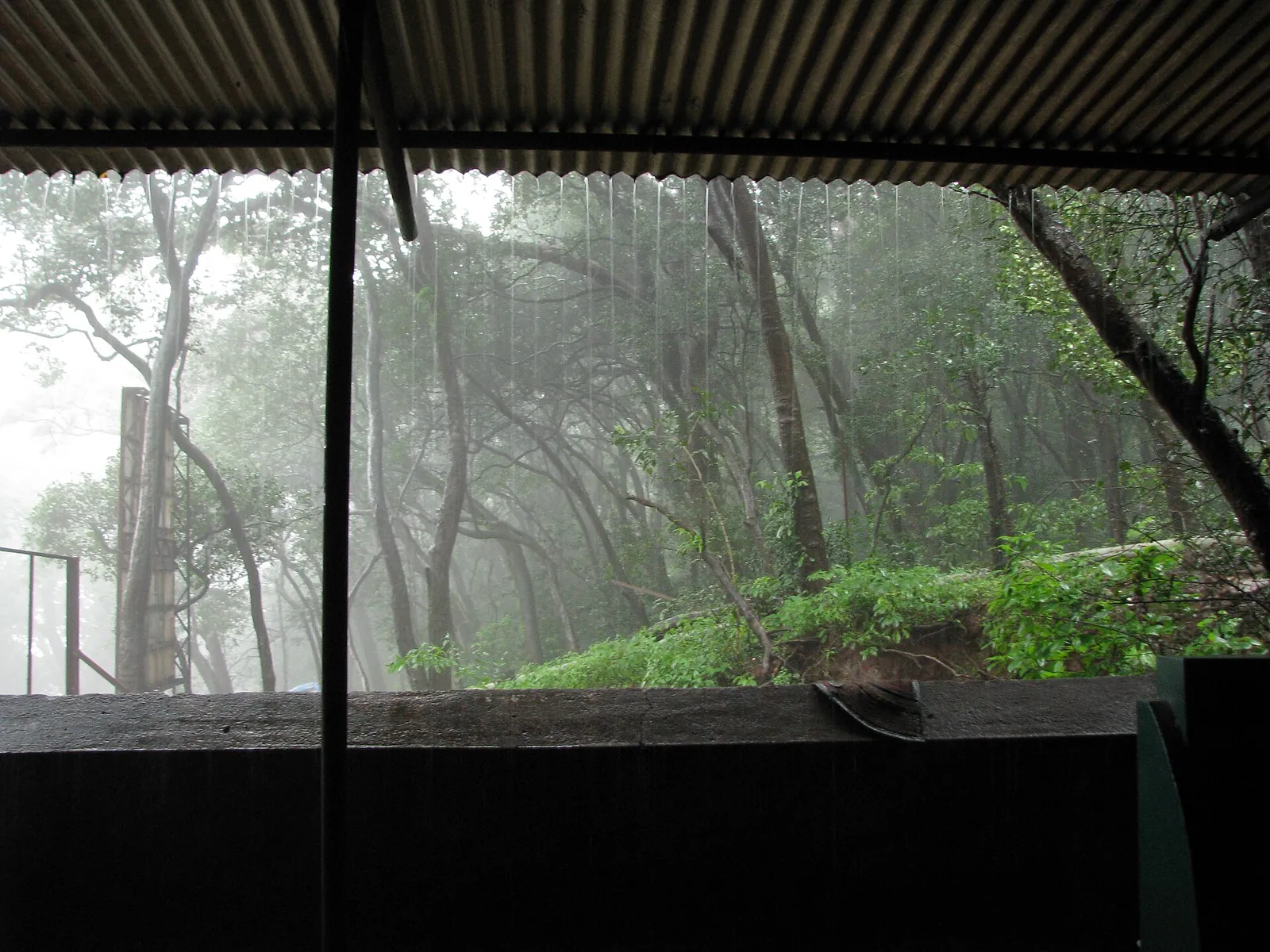
Every year, families notice the same thing in the second or third week of June: cockroaches they have not seen for months suddenly appear in the bathroom at midnight, run across the kitchen floor when the light is switched on, and even turn up in the bedroom. Nothing changed inside the house. What changed is underground, in the sewer and storm-water lines that run beneath every Indian city.
This article explains exactly why the rains push cockroaches into homes, which species are involved, and the order in which to do things so the surge is short instead of lasting the whole season.
Where monsoon cockroaches actually come from
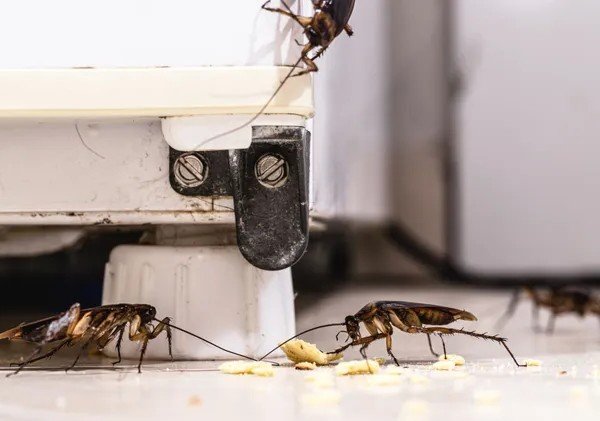
The cockroaches that arrive with the rain are mostly American cockroaches, Periplaneta americana. In dry months they live comfortably in sewer manholes, inspection chambers and drainage pipes, feeding on organic waste. These spaces can hold thousands of them. When heavy rain fills the drains, the water level rises and floods their shelter. They do what any animal would do and climb upward, following air currents and pipes, until they reach a dry opening. That opening is often your floor trap.
In tall buildings, the shared soil and waste stacks act like a staircase. A cockroach can climb inside the vertical pipe and leave through any flat that has an open floor trap or a gap around the pipe where it passes through the slab. This is why residents on the eighth floor are sometimes surprised to have as many cockroaches as the ground floor.
Why the humidity makes it worse
Cockroaches lose water through their body surface and die quickly in dry air. Monsoon humidity, often above 85 percent in coastal cities, removes that limit. They can stay out in the open longer, travel further from water, and survive in rooms they would avoid in April. Warm, humid conditions also speed up their breeding. The American cockroach drops an egg case of about 14 to 16 eggs, and in monsoon warmth those hatch faster than in winter.
Damp also softens cardboard, so the cartons stored in lofts and under beds become good shelter. A carton of old newspapers that was ignored in winter becomes a nursery by August.
The German cockroach has a different monsoon story
The smaller German cockroach, Blattella germanica, does not live in drains. It lives indoors all year, inside kitchen cabinets and appliances. During the rains it does not arrive from outside so much as it spreads within the home. Grocery stocking for the monsoon, more cooking indoors, wet dish racks and sinks that never dry give it extra food and water. If you are seeing small light-brown cockroaches with two stripes behind the head, the source is inside your kitchen, not the drain.
| Feature | American cockroach | German cockroach |
|---|---|---|
| Size | 3.5 to 4 cm | About 1.5 cm |
| Where it enters | Floor traps, drains, pipe gaps | Already inside; arrives in cartons and appliances |
| Monsoon behaviour | Sudden surge after heavy rain | Steady build-up in the kitchen |
| What works | Sealing drains and drain-line treatment | Gel bait inside cabinets and appliances |
| What fails | Kitchen-only spray | Repeated spraying, which scatters it |
The order of steps that keeps the surge short
- Before the first heavy rain, replace open jali covers on bathroom and balcony floor traps with self-closing or cockroach-proof traps. These cost ₹150 to ₹400 each and are the single biggest fix.
- Seal the gap where the soil pipe and waste pipe go through the floor, using a polyurethane sealant or cement. Check under the kitchen sink and behind the washing machine too.
- Ask your society to get the inspection chambers and main drain line treated at the start of June. One building-level treatment protects every flat.
- Inside the kitchen, apply gel bait in hinges, under the sink and near the fridge motor, rather than spraying shelves.
- Clear out cartons and paper stored in damp areas, and move groceries into airtight containers.
- Book a follow-up check three to four weeks later, when the next round of nymphs would be appearing.
Mistakes that make monsoon cockroaches worse
Pouring phenyl or bleach into the drain each night is the most common habit, and it does very little. The chemical flows past within seconds and never reaches the cockroaches sheltering on the pipe walls above the water. It also masks smells without sealing the route. Spraying aerosol on every cockroach you see has a similar problem: it kills the one in front of you while the bathroom trap stays open for the next.
Another mistake is keeping the bathroom door open at night for ventilation while the floor trap is uncovered. The bathroom becomes a corridor from the drain to the rest of the house. If you must ventilate, close the trap or put a rubber drain cover over it before bed.
Health concerns during the rainy season
Cockroaches that have walked through sewage can carry bacteria such as Salmonella and E. coli on their legs and body. In monsoon, when stomach infections already rise because of contaminated water, cockroaches walking on plates, chopping boards and open food add to that risk. Their droppings and shed skins also contain allergens that trigger asthma and allergic rhinitis, especially in children. Wiping counters before cooking and keeping cooked food covered overnight are worth the effort during these months.
What a professional treatment costs in the monsoon
For a 1BHK or 2BHK flat, a cockroach treatment using gel bait and targeted spray costs roughly ₹1,000 to ₹2,200 in most cities in 2026. A society-level drain and chamber treatment is usually priced per building, often between ₹3,000 and ₹8,000 depending on the number of chambers. Many pest control companies offer a pre-monsoon package in May that covers cockroaches, mosquitoes and termites together, which costs less than calling three times.
When you can skip calling anyone
If you see the occasional large cockroach only after heavy rain and never in the kitchen, sealing floor traps and pipe gaps is often enough on its own. If you are seeing small cockroaches during the day, finding droppings that look like ground pepper in cabinets, or noticing a musty smell in the kitchen, the German cockroach has settled in and baiting by a trained technician will save you months of frustration.