One of the most common things a pest control technician hears is 'I do not understand, we keep the house so clean.' Often that is completely true. The floors are mopped daily, the kitchen is wiped after every meal, and yet there are cockroaches under the sink or bed bugs in the guest room. It can feel embarrassing, but it should not. Cleanliness controls some pests very well and has almost no effect on others.
This article explains the specific reasons spotless homes still get pests, so you can stop blaming your housekeeping and fix the actual cause.
Pests need more than food
Every pest needs four things: food, water, shelter and a way in. Cleaning removes most visible food. But a home can be immaculate and still offer water under the sink, shelter inside a modular cabinet's hollow base, and an open route from a drain or a neighbour's flat. Removing one of four needs reduces pests; it does not eliminate them.
Some pests need surprisingly little food. A German cockroach can survive for weeks on grease films, crumbs that fall behind the stove, glue in cardboard and even soap residue. A mouse needs only a few grams of food a day, which is easily found in a pet bowl or a packet in the store room.
Reason 1: Water is often the real attraction
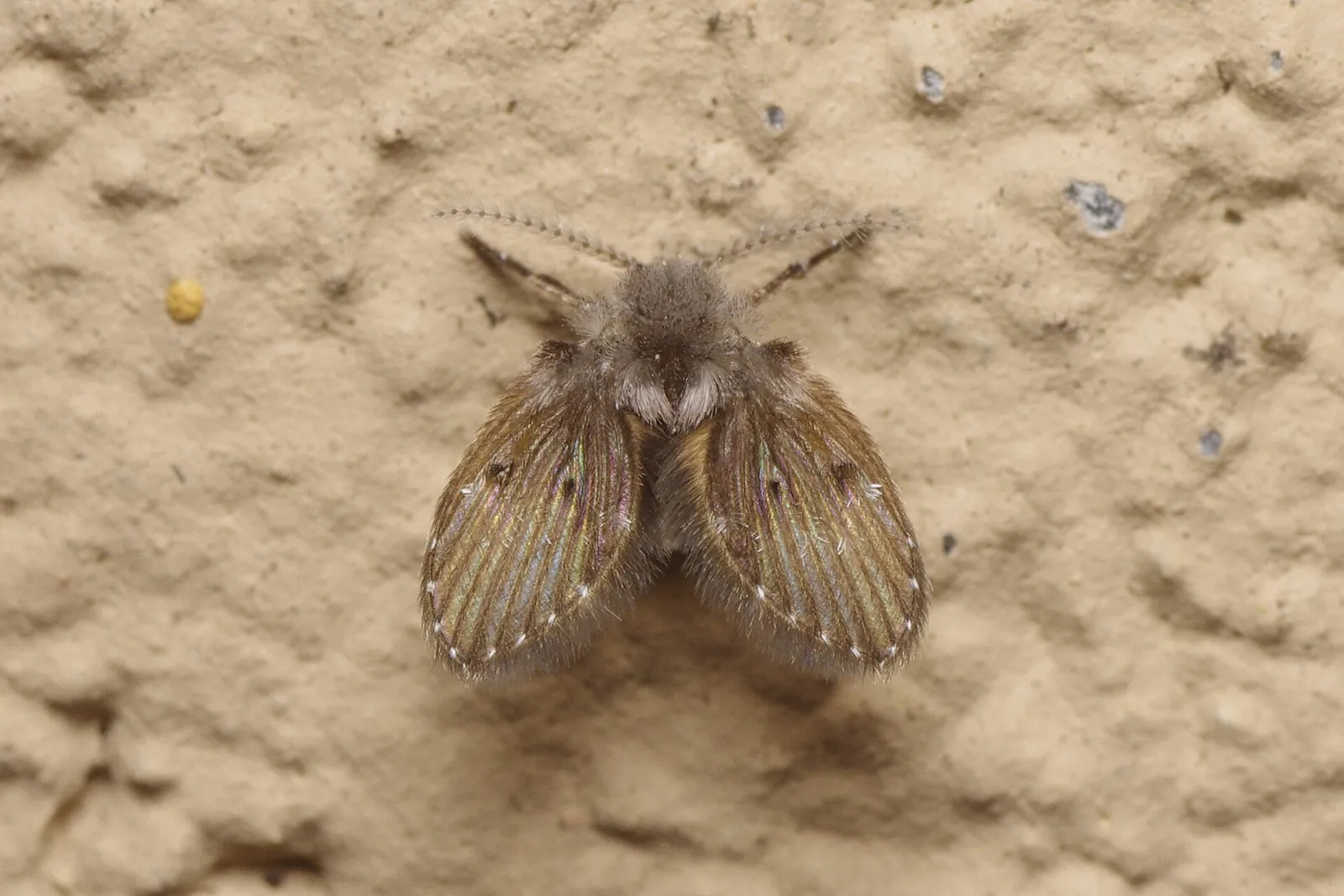
Cockroaches, silverfish, ants and drain flies are drawn more strongly to moisture than to food. A slowly dripping tap, condensation on the cold-water pipe under the sink, a wet sponge left overnight, or the drip tray under the fridge can keep a colony going in a kitchen that has no food lying around at all. In bathrooms, the damp space behind a vanity unit is ideal shelter.
Reason 2: Pests come from outside your control
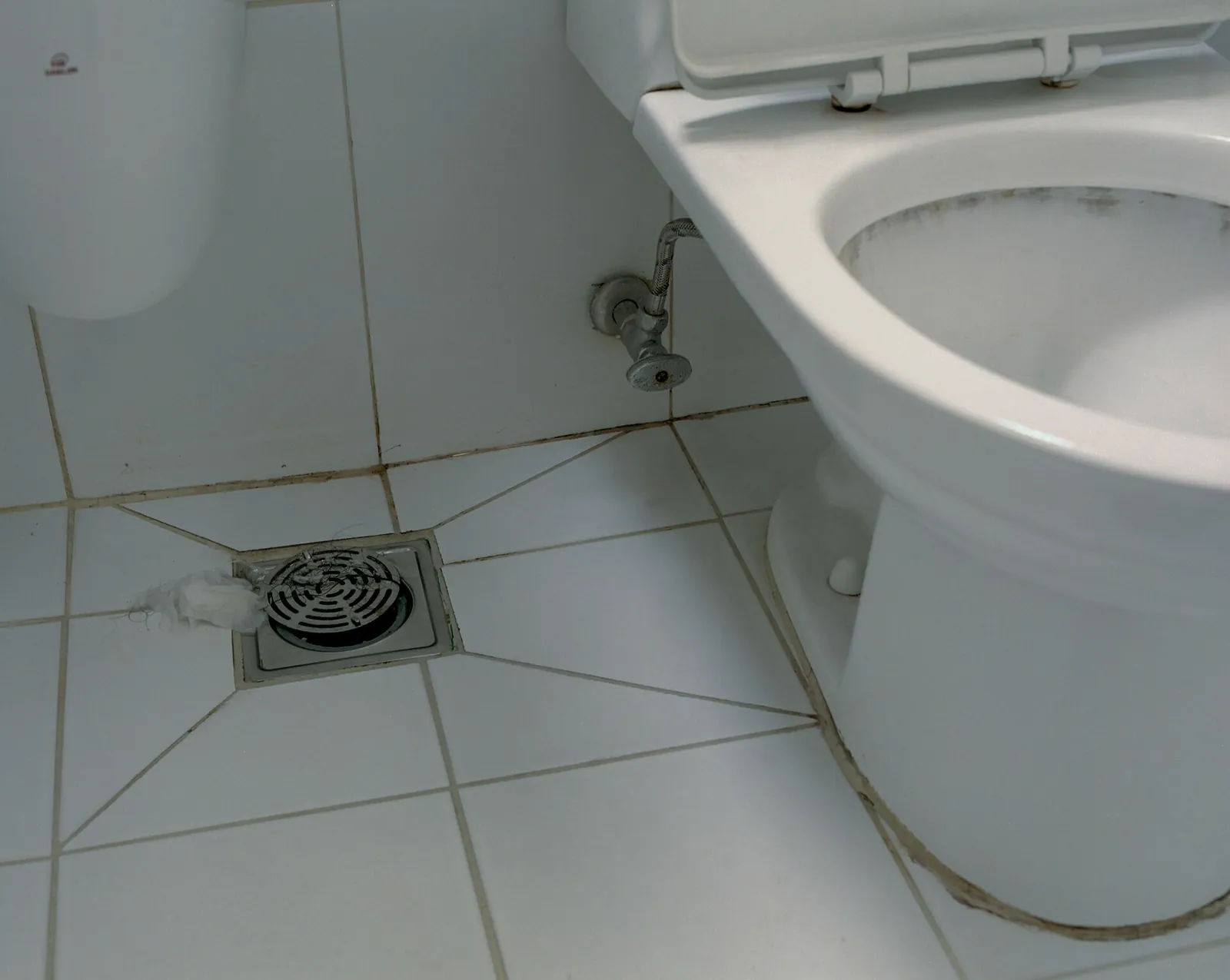
In apartment buildings, pests move between flats through shared plumbing shafts, electrical ducts, the gap around pipes and the space above false ceilings. A neighbour with a cockroach problem, a garbage room on your floor or a restaurant on the ground floor can supply your flat regardless of how clean it is. Sewer cockroaches come up through floor traps from the main drain. Rats in false ceilings often come from the building's common areas, not from anything in your home.
- Unsealed gaps around pipes under the sink and behind the toilet
- Floor traps with plain grill covers instead of self-closing traps
- Gaps around AC pipes and exhaust fans
- Shared walls with cracks behind cabinets
- The gap under the main door that opens to a common corridor
Reason 3: Pests arrive with things you bring in
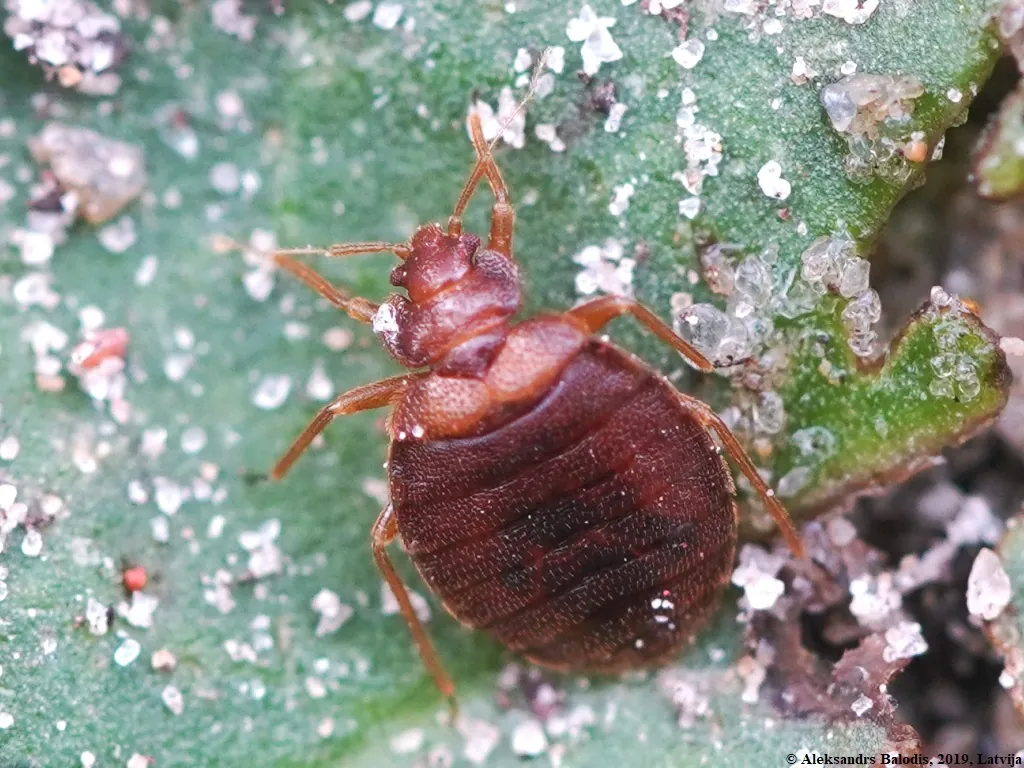
Bed bugs are carried home in luggage after a trip, on clothes after sitting in a crowded theatre or bus, or inside second-hand furniture. They feed only on blood, so a clean home is no defence. German cockroaches arrive in grocery cartons, delivery boxes and appliances bought from a shop's store room. Pantry pests such as rice weevils and flour beetles are already inside the grain or atta packet when you buy it. Cleaning has no effect on any of these.
Reason 4: Cleaning in the wrong places
Clean homes are usually clean where people look: counters, floors, the dining table. Pests live where nobody looks. Behind and under the fridge, under the gas stove, inside the hollow plinth of a modular kitchen, the top of kitchen cabinets, behind the washing machine, the bottom of the dustbin itself and the inside of the microwave hinge are some of the most common hiding spots. A deep clean of these spots once a month does more than a daily mop.
| Hidden spot | Pest it attracts | What to do |
|---|---|---|
| Under and behind the fridge | Cockroaches, ants | Pull out and clean monthly; empty drip tray |
| Hollow kitchen plinth | Cockroaches, mice | Remove skirting panel and vacuum every few months |
| Inside the gas stove frame | Cockroaches | Clean grease from the stove base and knobs |
| Dustbin base and lid hinge | Flies, cockroaches | Wash with hot water weekly |
| Top of wardrobes and lofts | Silverfish, rodents | Declutter cartons; dust quarterly |
| Mattress seams and bed joints | Bed bugs | Inspect monthly, especially after travel |
Reason 5: Some cleaning habits help pests
A few habits that feel hygienic actually help pests. Mopping with lots of water and leaving floors wet before bed creates moisture in corners. Storing cleaned and dried utensils in closed cabinets while they are still damp invites cockroaches. Keeping cleaning sponges and cloths by the sink overnight provides both water and food film. Cardboard boxes used to organise cabinets give cockroaches perfect egg-laying surfaces.
Strong-smelling floor cleaners and phenyl do not repel pests for long. Some people mop with them daily thinking they are preventing cockroaches, but the effect wears off as soon as the floor dries.
Reason 6: Termites ignore hygiene completely
Termites live underground and reach your home through the soil, cracks in the slab and wall joints. They feed on wood, paper and cellulose, not on food waste. The cleanest home in a building can have the worst termite problem if it has the most wood near an affected wall. Termite control depends entirely on the building's structure and treatment, not on how often you clean.
A quick self-check: is it you, the building or something you brought in?
Where and when you see the pest usually points to its source. Large cockroaches in the bathroom at night point to the drain. Small cockroaches in kitchen cabinets during the day point to a colony that started indoors, often from a carton. Itchy bites after a trip point to luggage. Mud lines on a wall shared with another flat point to the building's soil and structure. Once you know which of these it is, you know whether the fix is in your kitchen, at the floor trap, in your suitcase or with the society committee.
What clean homes should do differently
- Fix every small leak and dry the sink area completely at night.
- Seal pipe gaps and replace floor trap covers.
- Deep-clean the hidden spots listed above once a month instead of only the visible surfaces.
- Unpack deliveries outside the kitchen and discard cartons promptly.
- Inspect luggage and beds after every trip.
- Store grains and flour in airtight containers and check new packets before mixing with old stock.
- Schedule preventive treatment two to four times a year, especially if you live in an apartment.