Pest-proofing means making your home physically harder for pests to enter and less comfortable for them once inside. It is the part of pest control that does not involve any chemical, and it is the reason some homes need treatment once a year while the flat next door needs it every two months. Done well, it reduces how much you spend on pest control for years.
This guide focuses on the materials and fixes themselves: what to buy, what size and grade to ask for, where to install it and what it costs in India. It is arranged by the part of the home rather than by pest, because most fixes block several pests at once.
Know the gap sizes that matter
Pest-proofing works only if the gap is closed below the size the pest can squeeze through. These are rough working numbers used by pest control professionals.
| Pest | Smallest gap it can pass | What closes it |
|---|---|---|
| House mouse | About 6 mm, the width of a pencil | Steel wool plus cement, metal plates |
| Roof rat | About 12 mm | Galvanised mesh, cement, metal flashing |
| Bandicoot | About 25 mm | Concrete, heavy-gauge grills |
| American cockroach | About 3 to 4 mm | Sealant, self-closing floor traps |
| German cockroach and ants | Under 1.5 mm | Silicone or PU sealant in cracks |
| Mosquitoes | About 1.2 mm | Insect mesh of 16 to 18 count or finer |
| House lizard | About 5 to 6 mm | Door sweeps, sealed frame gaps |
Doors and windows
The gap under a main door is often 10 to 20 mm, which is wide enough for mice, lizards, cockroaches and in ground-floor homes even small snakes. A rubber or brush door sweep fixed to the bottom of the door closes it for ₹300 to ₹800. For balcony doors, an aluminium threshold strip with a rubber seal works better because these doors are opened often.
For windows, fixed or sliding insect mesh is worth installing in every bedroom and the kitchen. Fibreglass mesh is cheap and does not rust, but it tears more easily; stainless steel mesh costs more but lasts a decade in coastal cities. Ask for a mesh count of at least 16 per inch to keep mosquitoes out. Pleated or roll-up mesh suits windows that must open fully. Installed prices in 2026 usually range from ₹90 to ₹250 per square foot depending on type.
- Check the rubber gaskets on aluminium sliding windows; when they harden and crack, insects walk through the channel.
- Seal the gap where the window frame meets the wall using exterior-grade silicone, not wall putty, which cracks.
- On ventilators above bathroom doors, fix a mesh panel from the outside so the frame stays clean.
Pipes, ducts and cables
Every pipe or cable that passes through a wall or floor leaves a ring-shaped gap around it, and builders rarely seal these neatly. They are the main highways for cockroaches and rodents in apartment buildings because they connect your flat to the shared shaft.
- Locate every pipe entry: under the kitchen sink, behind the washing machine, at the AC indoor unit, at the geyser, behind the toilet and at gas lines.
- For gaps under 6 mm, use polyurethane or silicone sealant.
- For larger gaps, pack the gap tightly with steel wool or copper mesh first, then cover with cement mortar or sealant. Rodents will chew through foam alone.
- Fit split pipe collars or escutcheon plates, which cost ₹50 to ₹150 each, to cover the opening neatly.
- Where cable bundles enter through a hole for the AC, stuff the gap and seal it rather than leaving it to the AC installer's tape.
Drains and floor traps
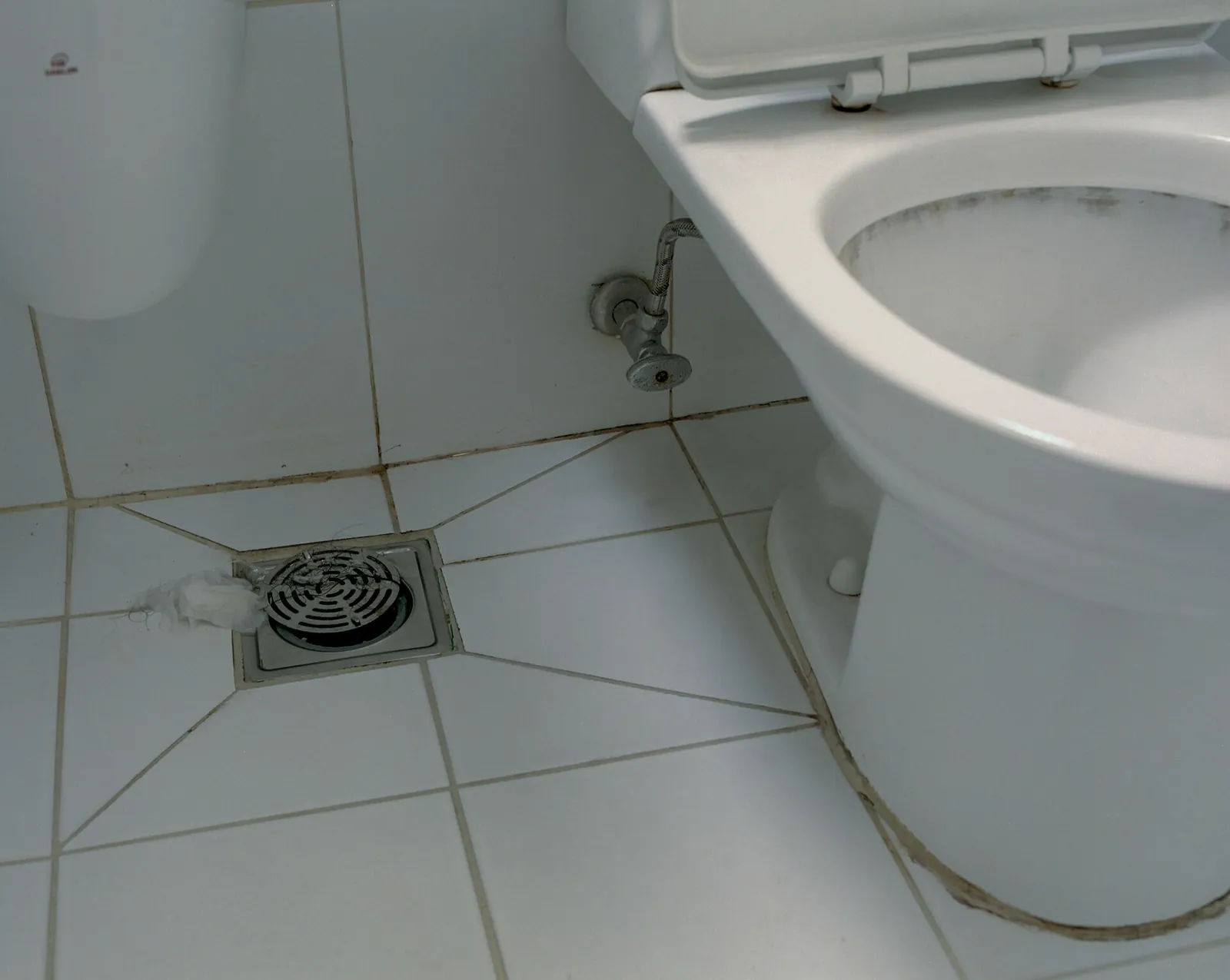
Replace jali-type floor trap covers with anti-cockroach floor traps that have a self-closing flap or a water seal. They come in standard sizes of 4, 5 and 6 inches, so measure before you buy. A rubber stopper for the wash basin and kitchen sink overnight also helps in old buildings. Clean the trap itself every two weeks; a trap clogged with hair stops closing properly.
Roof, terrace and loft
For top-floor flats and independent houses, the roofline is where rats and pigeons get in. Check the gap where the roof sheet or slab meets the wall, the opening around exhaust fans, and any loft opening above the kitchen. Use galvanised welded mesh with 6 mm holes to close vents while keeping airflow. Exhaust fans should have a back-draft shutter or a mesh cover on the outside.
For balconies, pigeon netting made of UV-stabilised nylon or HDPE costs roughly ₹15 to ₹40 per square foot installed and stops nesting without harming the birds. Spikes on parapets and AC outdoor unit tops stop perching.
Moisture control is proofing too
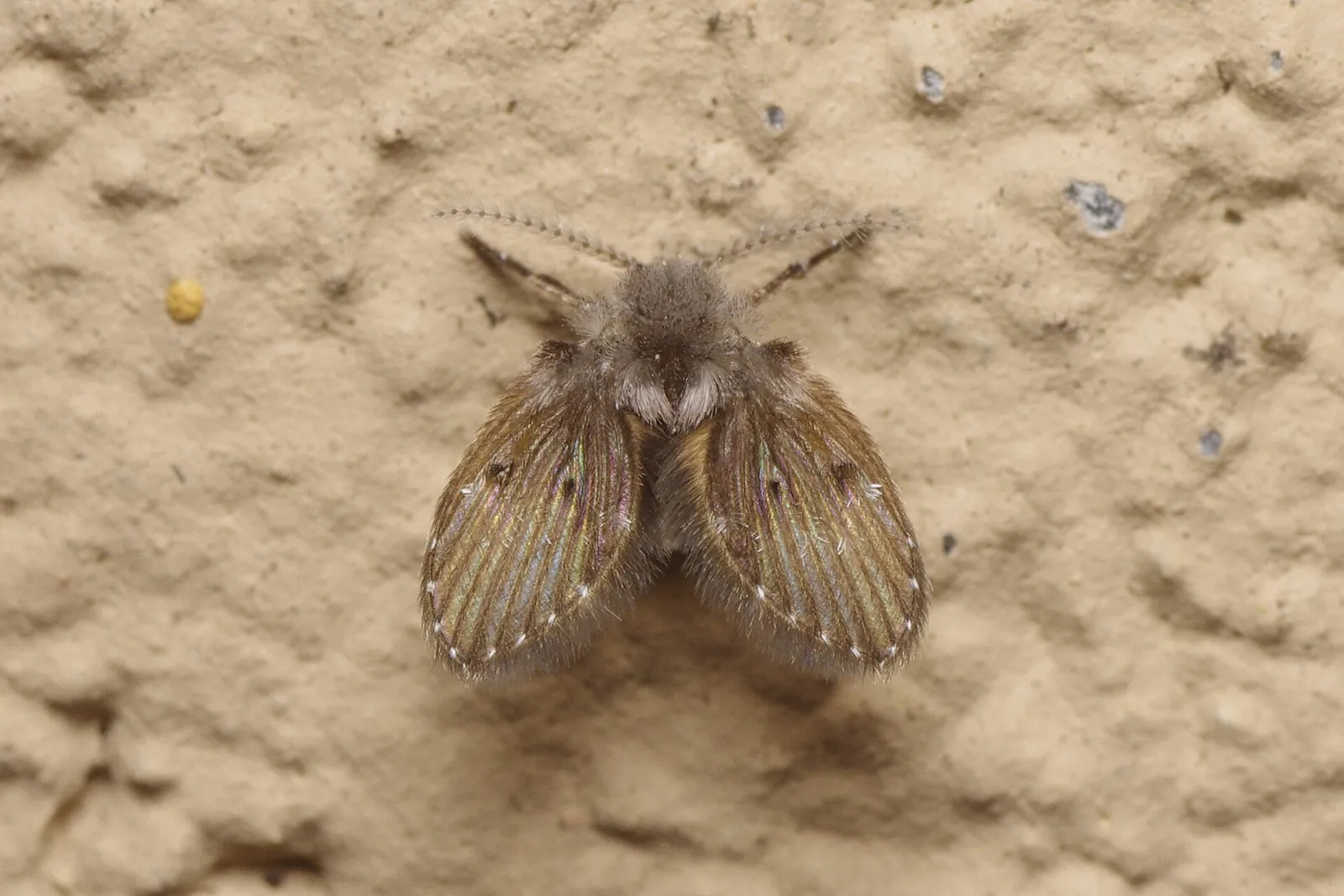
A sealed home that stays damp will still have silverfish, booklice, drain flies and termites, because moisture is what they need most. Fix leaking taps and toilet cisterns promptly, repair seepage in walls rather than painting over it, and make sure bathrooms have a working exhaust fan. In coastal and northeastern cities, a dehumidifier in a closed storeroom during the monsoon pays for itself in protected books, clothes and electronics.
Outside the house
For independent houses and ground-floor homes, the strip of ground around the house matters. Keep a clear band of about 45 to 60 cm next to the walls with no plants, firewood, bricks or debris. Trim tree branches that touch the roof or walls, because they act as bridges for rats and ants. Store firewood and garden material on a raised stand away from the wall to avoid inviting termites and scorpions.
A year-round proofing calendar
| When | What to check or fix |
|---|---|
| February to March | Inspect window mesh and gaskets, replace torn mesh before mosquito season |
| April to May | Seal pipe gaps and replace floor traps before the monsoon; clear roof gutters |
| June to September | Monthly check for new cracks, seepage and loose door sweeps |
| October to November | Repair monsoon damage, reseal window frames, check loft and roof for rodent entry |
| December to January | Clear stored cartons and declutter lofts where rodents shelter in winter |
What proofing will not fix
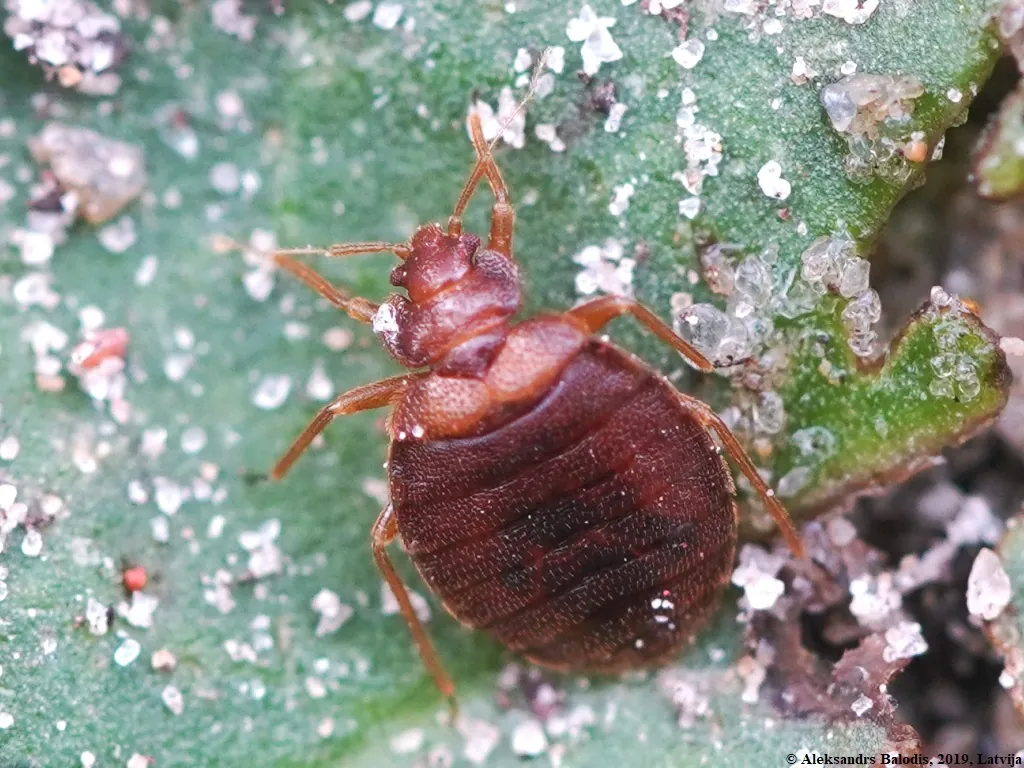
Proofing does not remove pests already living inside. If you have an active German cockroach colony in the kitchen, a bed bug problem or termites in the walls, treat first and then proof, otherwise you seal the pests in with you. Proofing also cannot fully protect a flat when neighbouring flats and shared shafts are heavily infested; building-level action is needed in that case.