Cobwebs in the corners of the ceiling, spiders scurrying across the wall, and webs stretched over windows are a common sight in Indian homes, especially in less-used rooms and during certain seasons. While most household spiders are harmless and even helpful, few people enjoy sharing their home with them. This guide explains how to control spiders in your home, keep cobwebs away, and understand which spiders, if any, you should be cautious about.
Are house spiders dangerous?
Let us start with reassurance: the vast majority of spiders found in Indian homes are harmless to humans. They are shy, avoid people, and their bites are rare and usually no worse than a mild insect bite. In fact, spiders are natural pest controllers — they eat mosquitoes, flies, cockroach nymphs, and other insects, quietly reducing the pests that actually spread disease. Most spider control is about comfort and cleanliness rather than danger. That said, a few venomous species exist, so it is wise to avoid handling spiders you cannot identify.
Why spiders come into your home
Spiders follow two things: prey and shelter. If your home has plenty of insects — flies, mosquitoes, moths drawn to lights — spiders will come to hunt them. They prefer quiet, undisturbed spots to build webs: ceiling corners, behind furniture, in storerooms, garages, and around outdoor lights. This gives you the central strategy for spider control: reduce the insects they feed on, and remove the undisturbed spaces where they settle.
Step 1: Control the insects spiders eat
Since spiders are drawn to prey, reducing other insects removes their food source:
- Fix mosquito and fly problems using screens and source reduction.
- Switch off unnecessary outdoor lights at night, which attract the insects spiders hunt.
- Use insect-repelling or warm-toned bulbs near entrances.
- Keep the kitchen and home clean so you do not attract the insects that draw spiders.
Step 2: Remove webs and hiding spots
- Regularly dust and sweep ceiling corners, behind furniture, and window frames to remove webs and egg sacs.
- Declutter storerooms, garages, and cupboards where spiders shelter undisturbed.
- Vacuum cobwebs, spiders, and egg sacs, then empty the vacuum outside.
- Seal cracks, gaps around windows, and openings where spiders enter from outside.
Remove the cobwebs and the insects, and spiders lose both their home and their food. They simply relocate outdoors where they belong.
Step 3: Natural deterrents
Several natural methods discourage spiders without harming them or your family:
- Peppermint oil: a few drops in water sprayed in corners and along skirting deters spiders, who dislike the smell.
- Citrus peels: rubbing lemon or orange peel along window sills and skirting acts as a mild repellent.
- Vinegar spray: discourages spiders in cracks and corners.
- Cedar and eucalyptus: pleasant to people, disliked by spiders.
Keeping outdoor areas in check
Spiders often move indoors from the immediate surroundings, so managing the outside helps. Keep the area near doors and windows free of dense plants, woodpiles, and clutter where spiders live. Move outdoor lights away from doorways, or use lights that attract fewer insects, since a swarm of insects at your door invites spiders to set up nearby. Sealing gaps around doors and windows stops both the insects and the spiders that follow them.
Where spiders hide in your home
Knowing the favourite hiding spots helps you focus your cleaning. Spiders prefer quiet, undisturbed places where they can build webs undisturbed and wait for prey. Common spots include the top corners of ceilings and walls, behind and under furniture that is rarely moved, inside storerooms and lofts, in garages and utility areas, behind wall-mounted frames and clocks, around window frames and grills, and in cluttered cupboards. Rooms that are used less often, like a spare bedroom or storeroom, tend to collect the most webs. A quick weekly sweep of these areas keeps the spider population from ever settling in.
Seasonal spider activity in India
You may notice more spiders at certain times of year, and this is normal. Spider numbers often rise after the monsoon, when the insect population booms and gives spiders plenty to eat. Cooler weather can also drive some spiders indoors seeking warmth and shelter. During these peak periods, staying on top of web removal and keeping the underlying insect problem in check matters most. If you treat the seasonal insect surge — the mosquitoes, flies, and moths — the spiders that feed on them naturally decline too.
Common myths about spiders
A few widespread beliefs about spiders are worth correcting. It is often said that you "swallow spiders in your sleep" — this is a myth with no basis. Many people believe every spider is dangerous, but in Indian homes the vast majority are harmless. Some think a very clean house will never have spiders, yet even spotless homes attract spiders if there are insects to hunt. And squashing spiders is often assumed to solve the problem, when in reality removing their food and webs is what actually keeps them away. Understanding the reality helps you respond calmly and effectively rather than with unnecessary fear.
When to call a professional
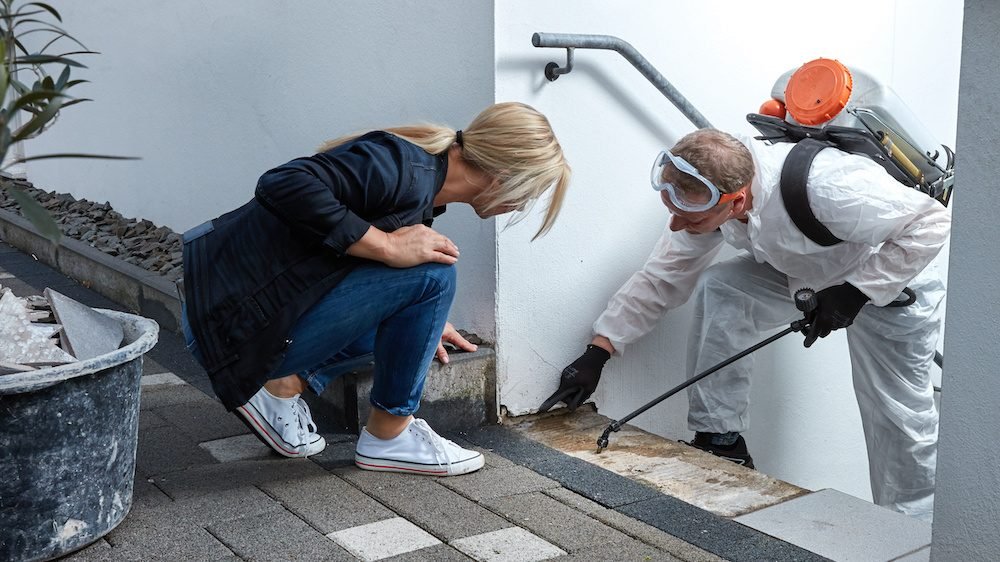
For most homes, regular cleaning and insect control keep spiders in check without professional help. However, consider pest control if you have a heavy, persistent spider infestation, if spiders are a problem in a warehouse or commercial space, or if you are concerned about venomous species in your area. A professional can treat harbourage areas, remove webs at height safely, and, importantly, reduce the underlying insect population that attracts spiders in the first place.
Frequently Asked Questions
Are the spiders in my house dangerous?
The large majority of household spiders in India are harmless to humans, shy, and rarely bite. They even help by eating mosquitoes and flies. A few venomous species exist, so avoid handling spiders you cannot identify, but most spider control is about comfort, not danger.
Why do I suddenly have so many spiders?
Spiders come indoors to hunt insects and to find quiet places to build webs. A home with lots of flies, mosquitoes, and moths, especially around lights, gives them a food supply. Reducing insects and clearing webs removes their reason to stay.
How do I keep spiders out of my house naturally?
Reduce the insects they feed on, regularly remove webs and egg sacs, declutter storage areas, and seal cracks. Natural deterrents like peppermint oil, citrus peel, and vinegar in corners help discourage them without harm.
Do spiders keep other pests away?
Yes, in a sense. Spiders eat mosquitoes, flies, and other insects, so they act as natural pest controllers. Many people tolerate a few outdoor spiders for this reason and focus only on keeping living spaces web-free.