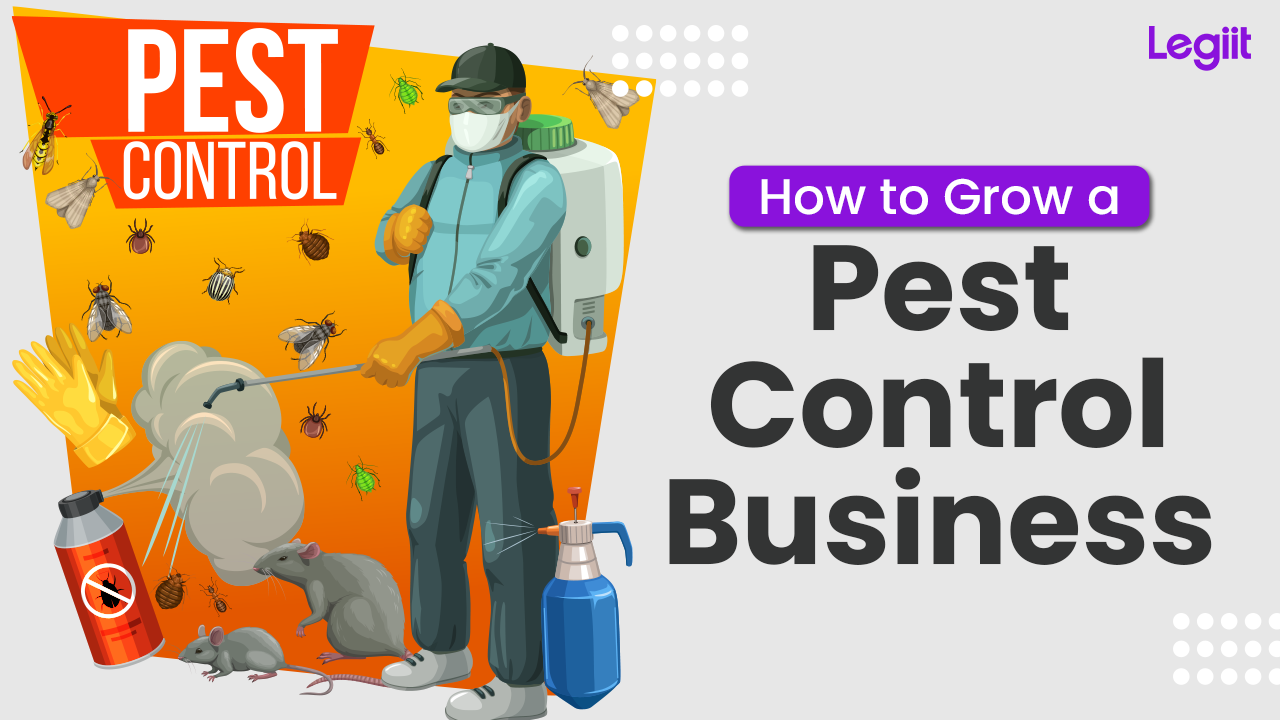
Pest control is one of the few small businesses in India that you can start with modest capital and grow into a steady, recurring-income company. Demand never disappears — every home, shop, restaurant, hospital, and society needs regular treatment, and the monsoon guarantees a fresh wave of enquiries each year. But the operators who last are the ones who treat it as a real business from day one, not just as spraying chemicals for cash. This guide walks you through starting a pest control business in India the right way.
Understand the opportunity before you jump in
India's pest control market is growing steadily as more families and businesses move from occasional treatment to annual contracts. The best part is the recurring revenue: a single annual maintenance contract can bring in money for years, not just one visit. Before you invest, spend a few weeks understanding local demand — talk to societies, restaurants, and shop owners in your target area and find out who they currently use and what frustrates them.
Decide your service focus
You cannot be everything to everyone on day one. Pick a starting focus based on demand and your budget:
- Residential: homes, flats, and societies — high volume, steady AMC potential.
- Commercial: restaurants, offices, hospitals, and warehouses — higher value contracts with audit requirements.
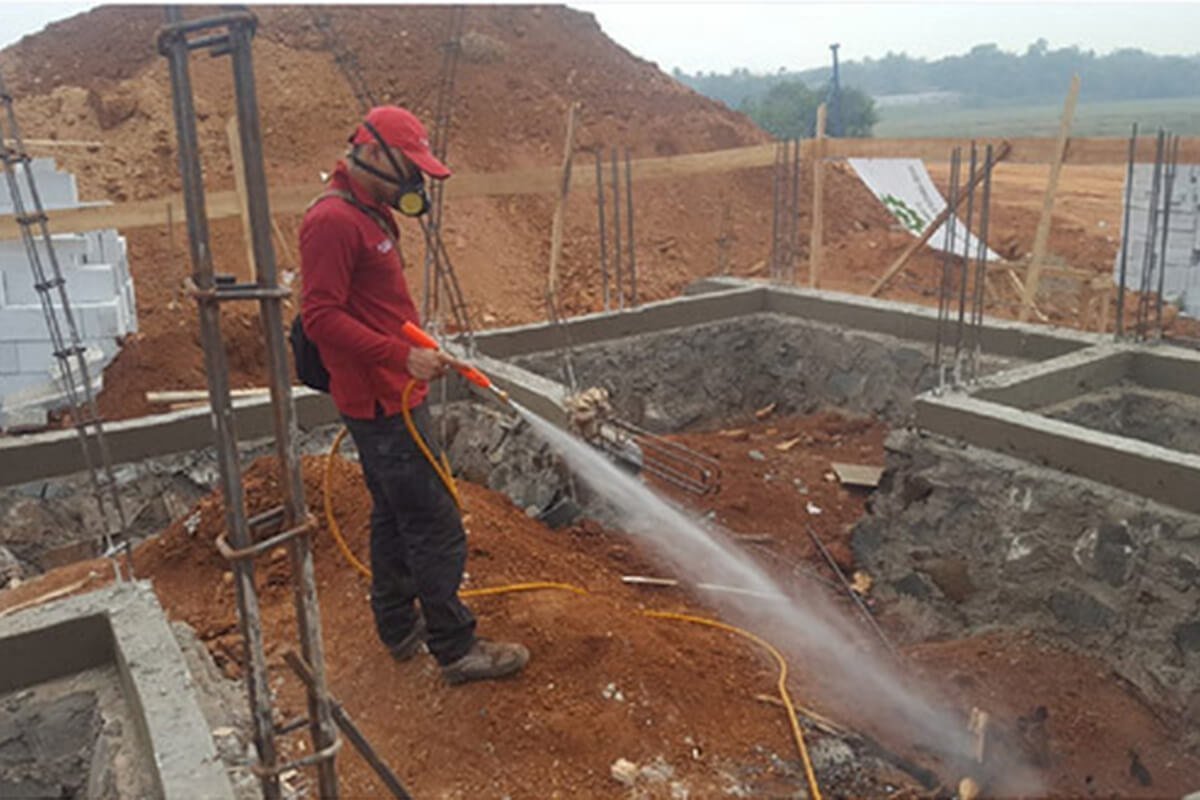
- Specialised: termite pre-construction treatment, fumigation, or bird netting — higher margins, more skill.
Most new operators start with general residential and small commercial work, then add specialised services as they gain skill and equipment.
Register your business and get the licences
Doing this properly protects you and lets you win commercial contracts that check paperwork. At a minimum, arrange the following:
- Register the business — a proprietorship, partnership, or private limited company depending on your scale.
- Get a GST registration once you cross the threshold or if you want to bill companies who need input credit.
- Obtain the pest control licence from the Central Insecticides Board and Registration Committee (CIBRC) framework, and register under the Insecticides Act for handling and storing chemicals.
- Open a current account and keep business money separate from personal money from the very first rupee.
Arrange the right equipment and chemicals
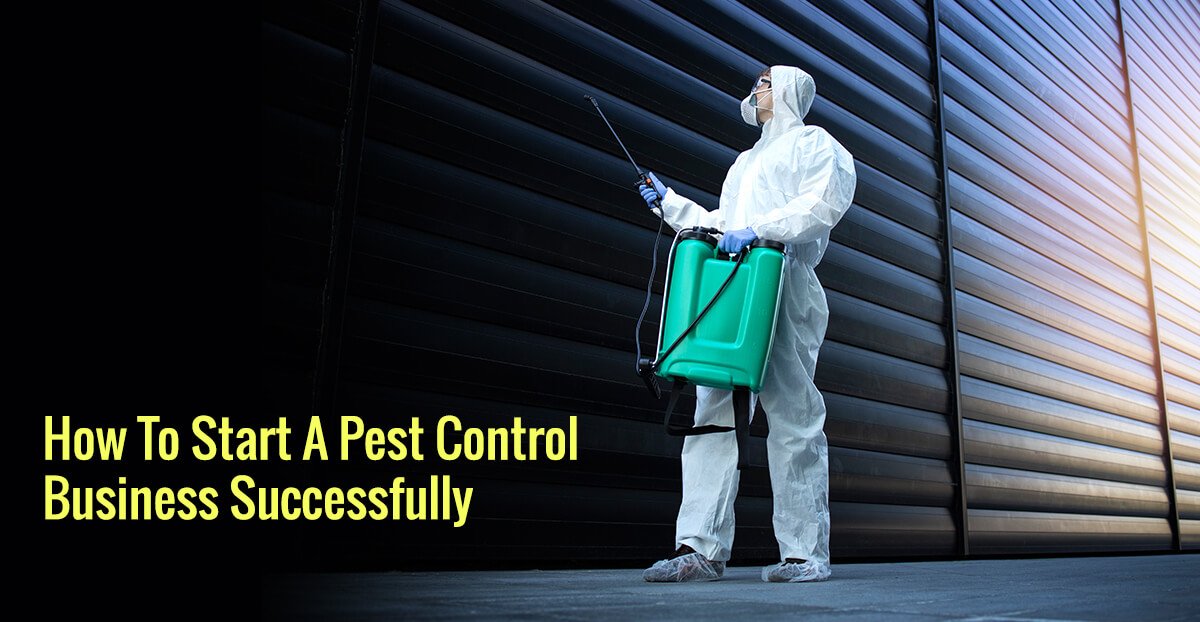
You do not need a warehouse of machines to start. A basic starter kit includes hand compression sprayers, a power sprayer for larger jobs, a drilling machine for termite work, gel bait guns, dusting equipment, and safety gear — masks, gloves, and goggles. Buy your chemicals only from licensed, CIBRC-approved suppliers, and store them safely away from food and children. Never dilute below the label rate to save money — weak treatment fails and destroys your reputation.
Price for profit, not just to win the job
The most common mistake new operators make is quoting too low to grab work, then realising there is no profit after chemical, travel, and labour cost. Work out your cost per visit — chemical, technician wage, fuel, and a share of your fixed costs — and add a healthy margin. Underpricing does not just hurt you; it also trains customers to expect throwaway rates. It is better to win fewer jobs at a fair price than to stay busy and broke.
Hire and train your first technicians
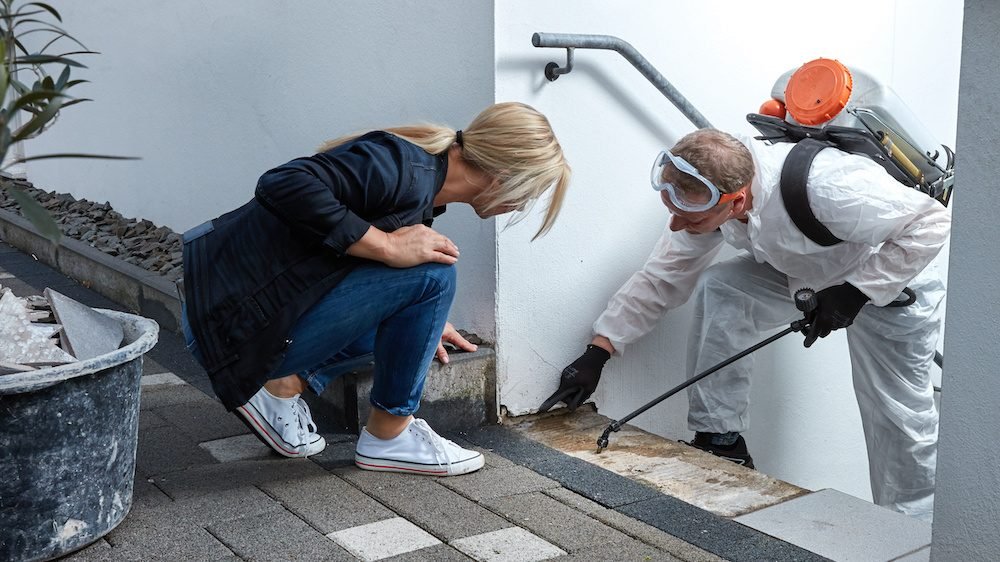
Your technicians are your business — they are the face customers see and the hands that decide whether treatment works. Hire for attitude and reliability, then train hard on chemical safety, correct dosing, customer manners, and how to explain the treatment to the customer. A polite, well-dressed technician who explains what he is doing wins repeat business and referrals far more than the cheapest sprayer.
You are not selling a spray. You are selling peace of mind and a promise that the pests will not come back — deliver that, and the contracts renew themselves.
Build your first customers
In the early days, hustle for every job. Tell family, friends, and local shopkeepers. Distribute simple pamphlets in nearby societies. List your business on Google so people searching nearby can find you. Offer a small first-visit discount but never a permanently cheap rate. Most importantly, do such good work that your first customers refer you — word of mouth is the cheapest and strongest marketing in this trade.
Focus on annual maintenance contracts from the start
One-time jobs pay the bills today; AMCs build a business that is worth something. From your very first customer, offer a yearly contract with scheduled visits — this gives you predictable income, reduces the constant chase for new work, and makes your business more valuable over time. Even a modest number of AMC clients creates a stable base you can plan around.
Keep clean records and professional billing
Nothing separates a serious operator from a fly-by-night sprayer like professional paperwork. Give every customer a proper GST invoice, a service report, and a warranty note where applicable. Keep track of which customer is due for their next visit so nothing is missed. This is exactly where pest control software like PestVyapar helps a growing business — it stores customer history, schedules visits, generates GST invoices, and reminds you when contracts are due for renewal, so you look professional even when you are a one-person operation.
Manage safety and compliance seriously
You are handling regulated chemicals, so safety is not optional. Train every technician on protective gear, safe mixing, and what to do if chemical touches skin or eyes. Never treat near food, children, or pets without proper precautions, and always tell the customer how long to stay away from a treated area. One careless incident can end your business and harm someone — responsible operators build trust precisely because they take this seriously.
Plan for slow seasons
Pest control demand is seasonal — it surges before and during the monsoon and slows in cooler, drier months. Plan for this by pushing AMC contracts that spread income across the year, promoting termite and rodent work in the off-season, and using quiet months to train staff and service equipment. A business built on contracts rather than one-time calls rides out the slow months comfortably.
Grow step by step
Start lean, deliver quality, and reinvest. Add a second technician when your calendar is full, then a second vehicle, then specialised services. Do not borrow heavily to grow fast — this trade rewards steady, reputation-led growth.
Frequently Asked Questions
How much money do I need to start a pest control business in India?
You can start small with basic sprayers, safety gear, initial chemicals, licences, and simple marketing, which keeps the entry cost modest compared with many businesses. Costs rise as you add power sprayers, a vehicle, and staff. The bigger investment over time is in training, compliance, and building a customer base rather than in expensive machines on day one.
What licences do I need for a pest control business in India?
You typically need business registration, GST registration once applicable, and a pest control licence under the Insecticides Act and CIBRC framework for handling and storing chemicals. Commercial clients often ask to see this paperwork, so getting it right early helps you win contracts.
Is pest control a profitable business in India?
Yes, it can be very profitable, especially when built on recurring annual maintenance contracts rather than one-time jobs. The keys to profit are correct pricing, controlling chemical and travel costs, and retaining customers so you are not always chasing new ones.
How do I get my first pest control customers?
Start with your own network, local shops, and nearby societies, list your business on Google so people can find you, and distribute simple pamphlets. Then deliver excellent, polite service so early customers refer you — word of mouth is the strongest marketing in this trade.
Do I need software to run a small pest control business?
In the very beginning you can manage with a notebook, but as soon as you have a handful of contracts, tracking visits, renewals, and GST billing by hand becomes error-prone. Pest control software like PestVyapar keeps customer history, schedules visits, and generates invoices, which helps you look professional and never miss a renewal.
What is the best service to start with as a new operator?
Most new operators start with general residential and small commercial pest control because demand is high and steady, then add specialised work like termite pre-construction treatment or fumigation as they gain skill and equipment. Starting focused lets you deliver quality before you expand.