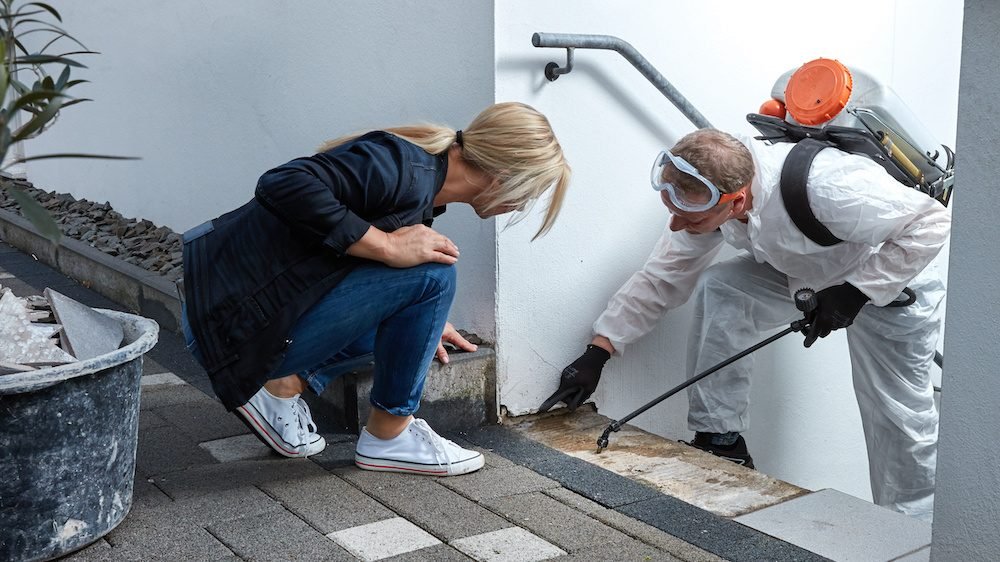
For pet owners, pest control comes with an extra worry: will the treatment that kills cockroaches or rats also harm my dog, cat, bird, or fish? It is a valid concern, because some pest control products genuinely are dangerous to animals, and pets — who lick floors, chew things, and roam every corner — are more exposed than we are. The good news is that with the right products, timing, and precautions, you can keep your home pest-free and your pets completely safe. This guide shows you how.
Why pets are more at risk than people
Pets encounter pest treatments in ways we do not. Dogs and cats walk on treated floors and then lick their paws, they may chew a bait or a poisoned pest, and they explore low corners and skirting where products are applied. Birds have extremely sensitive respiratory systems and react badly to fumes and sprays. Fish are harmed by even tiny amounts of insecticide in the air settling on the water. Because of this, "safe for humans when dry" is not automatically "safe for pets," and extra care is essential.
The products that are most dangerous to pets
Some common pest control approaches carry real risk to animals, so know what to watch for:
- Rodenticide (rat poison): highly dangerous if a pet eats the bait directly, or eats a poisoned rat — a risk called secondary poisoning.
- Snail and slug pellets: some garden pellets are very toxic and attractive to dogs.
- Certain insecticide sprays: especially harmful to cats, birds, and fish if inhaled or contacted.
- Naphthalene balls: toxic if a curious pet swallows them.
- Glue traps: can trap and injure small pets and birds.
Safer methods for a home with pets
Modern, targeted pest control offers plenty of pet-friendly options. Ask specifically for these:
- Gel baits placed inside cracks and enclosed stations that pets cannot reach.
- Tamper-proof bait stations for rodents instead of loose poison a pet could eat.
- Mechanical snap traps placed where pets cannot access them.
- Crack-and-crevice treatment that puts product only where pests hide, not on open floors.
- Physical methods — sealing, mesh screens, and thorough cleaning — that use no chemicals at all.
The safest treatment for your pet is not the one with no chemicals — it is the one placed where your curious dog, cat, or bird can never reach it.
Precautions during a pest control visit
- Tell the pest control company exactly what pets you have — including birds and fish, which need special care.
- Move dogs and cats to another room or out of the home during treatment and for the advised hours after.
- Cover fish tanks and switch off the aquarium air pump during and briefly after treatment, as advised.
- Move bird cages well away, ideally out of the home, as birds are extremely sensitive to fumes.
- Remove pet food bowls, water bowls, toys, and bedding before treatment and wash them after.
Extra care for birds and fish
Birds and fish deserve special mention because they are so vulnerable. Birds have delicate air sacs and can be seriously harmed by insecticide fumes and even some strong household smells, so a bird cage should ideally leave the home entirely during and after spraying. Fish are affected by insecticide settling onto the water surface, so cover the tank securely, turn off the air pump that would draw in contaminated air, and keep it covered until the treatment has fully aired out and surfaces are dry.
After the treatment: making it safe for paws
When you bring pets back, take a few steps to remove any residue at their level. Ventilate the home for the recommended time, then wipe down floors and low surfaces the pet walks on and licks. Keep pets off freshly treated areas until they are fully dry. Do not put food and water bowls back on a treated floor without cleaning it first. Check that no bait or dead pests are lying where a pet could reach them.
The rat-poison-and-pets problem
Rodenticide deserves a serious warning for pet owners. A dog or cat can be poisoned not only by eating the bait but by catching and eating a rat that has already eaten poison — secondary poisoning that can be fatal and is easy to miss. For this reason, homes with pets should avoid loose rat poison entirely. Use mechanical traps placed out of the pet's reach, or insist that any rodenticide is placed only in tamper-proof bait stations by a professional who removes carcasses promptly.
Fleas and ticks: pests that live on your pet
Pet owners face one pest category others do not — fleas and ticks that live on the animal and infest the home. These cause itching and can spread disease to pets and people. Treating the home alone will not solve it; you must treat the pet too, using vet-recommended flea and tick products, alongside washing pet bedding in hot water and vacuuming thoroughly. For a heavy home infestation, coordinate the pet's treatment with a professional pest treatment of the home, using pet-safe products and timing.
Everyday prevention that keeps pets safe
- Store pet food in sealed containers so it does not attract ants, roaches, and rodents.
- Clean up spilled food and water promptly to avoid drawing pests.
- Wash pet bedding regularly and vacuum to control fleas and hair.
- Keep the pet-feeding area clean, as leftover food is a major pest attractant.
- Seal gaps and keep the home clean so you need less chemical treatment overall.
When to call a professional
For anything beyond minor problems, call a professional rather than using strong sprays or loose poison yourself around pets. A good professional will select pet-safe, targeted products, place them where animals cannot reach, and advise exactly how long to keep pets away and how to protect birds and fish. Always tell them about every pet you have. Handling potent over-the-counter chemicals and rat poison yourself is far riskier for your animals than a carefully planned professional treatment.
Frequently Asked Questions
Is pest control safe for pets?
Yes, when pet-safe, targeted products like gel baits and tamper-proof bait stations are used and pets are kept away during treatment and for the advised time after. Always tell the pest control company about every pet, including birds and fish, so they choose suitable products and precautions.
How long should pets stay away after pest control?
Follow the technician's advice, which usually means keeping dogs and cats out during treatment and for a few hours after, then ventilating and wiping low surfaces before they return. Birds and fish need extra care, with cages removed and tanks covered as advised.
Is rat poison dangerous for dogs and cats?
Very. Pets can be poisoned by eating the bait directly or by catching and eating a poisoned rat, known as secondary poisoning, which can be fatal. Homes with pets should avoid loose rat poison and use mechanical traps out of reach or tamper-proof stations placed by a professional who removes carcasses.
How do I protect my birds and fish during pest control?
Birds are extremely sensitive to fumes, so their cage should ideally leave the home during and after spraying. Fish tanks should be securely covered with the air pump switched off during and briefly after treatment, and kept covered until the home has fully aired and surfaces are dry.
What pest control products are safe around pets?
Targeted, low-exposure methods are safest: gel baits in cracks, tamper-proof rodent stations, mechanical traps placed out of reach, crack-and-crevice treatment, and physical methods like sealing and cleaning. The key is that the product is placed where a curious pet cannot reach it.
How do I get rid of fleas and ticks on my pet and in my home?
You must treat both the pet and the home, since treating one alone fails. Use vet-recommended flea and tick products on the pet, wash bedding in hot water, and vacuum thoroughly; for heavy infestations, coordinate the pet's treatment with a pet-safe professional treatment of the home.