Pricing is where most pest control businesses quietly lose money. It is easy to look at a competitor's rate, quote a little lower to win the job, and feel busy — while barely covering costs. Profitable operators do the opposite: they know their true cost per visit and price with confidence. This guide shows you how to price your pest control services so every job actually makes money.
Why quoting low is a trap
When you compete only on price, you attract the customers who care least about quality and most about the cheapest rate. They switch the moment someone quotes a rupee less, so you never build loyalty. Worse, low prices force you to rush jobs, skimp on chemical, and skip follow-ups — which makes treatment fail and word spread. Racing to the bottom is the fastest way to stay busy and still go broke.
Know your true cost per visit
Before you can price anything, you must know what a single visit actually costs you. Add up:
- Chemical and consumables used per treatment.
- Technician wages for the time on site and travelling.
- Fuel and vehicle running cost for the trip.
- A share of fixed costs — rent, licences, phone, software, insurance — spread across your monthly jobs.
Only once you know this number can you add a margin. If you do not know your cost per visit, you are not pricing — you are guessing.
Choose a pricing model that fits the job
Different services suit different pricing approaches. Match the model to the work:
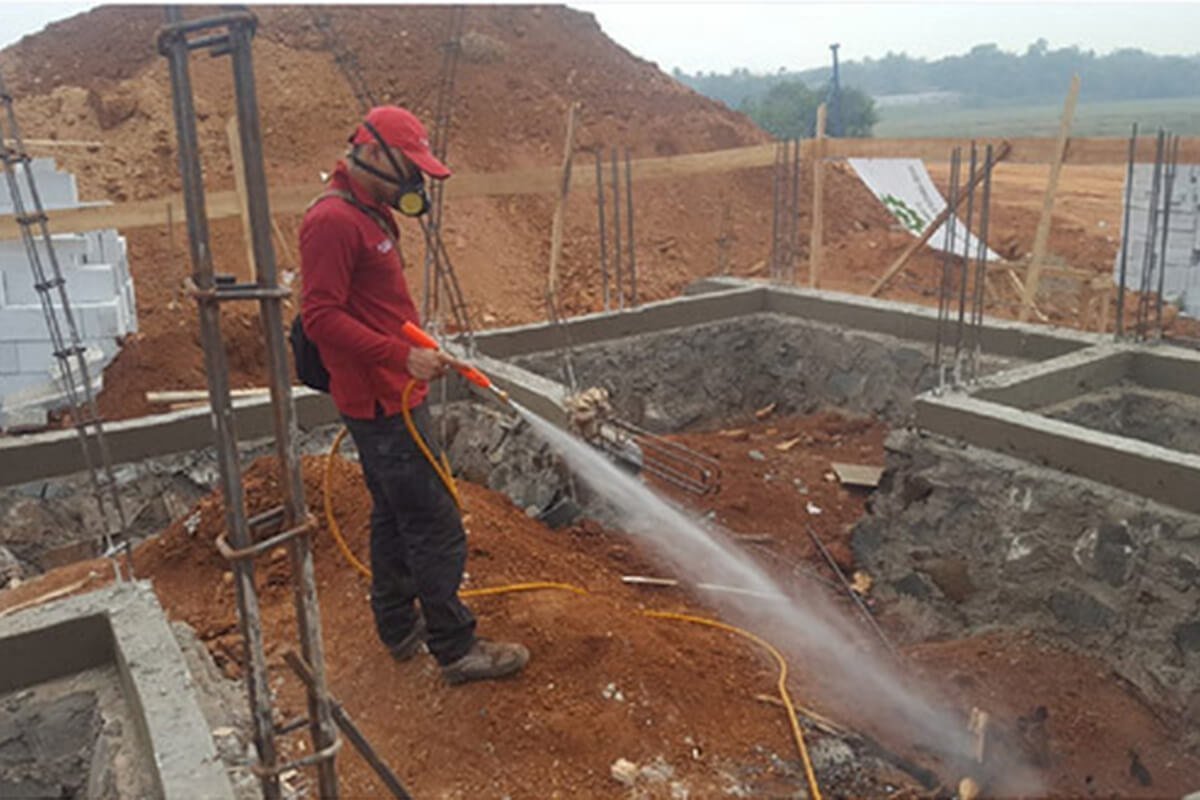
- Per square foot: ideal for termite treatment, where area drives chemical and labour.
- Per visit: common for general cockroach, ant, and mosquito treatment in homes.
- Per contract (AMC): a yearly price covering a set number of scheduled visits — the most profitable model.
- Custom quote: for large commercial sites, warehouses, and societies where you survey first.
Always inspect before you quote a big job
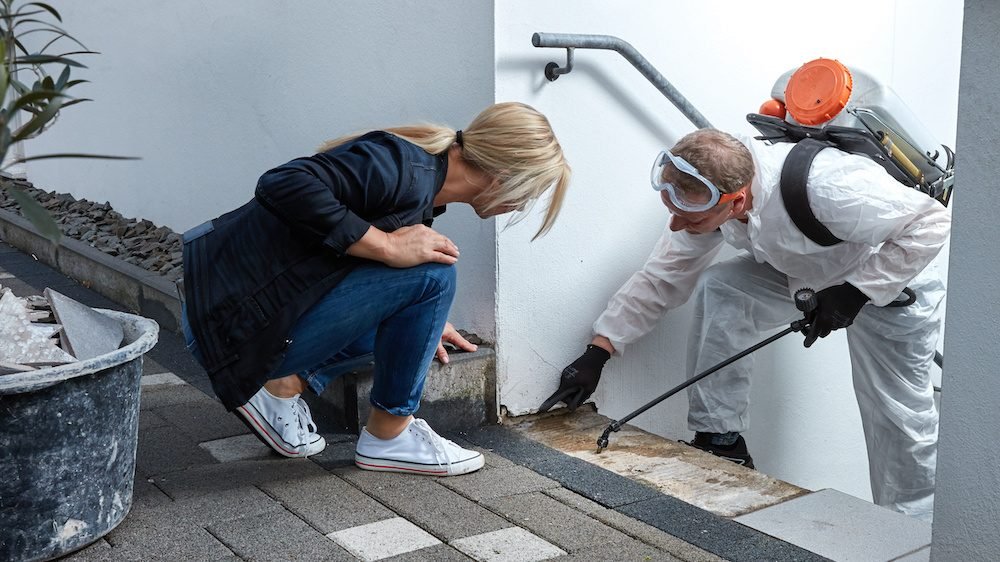
For anything beyond a routine home visit, inspect first. A quote given over the phone without seeing the site either loses you money when the job is bigger than expected, or loses you the job when you pad the price to be safe. An on-site inspection lets you quote accurately, spot extra work, and show the customer you are professional. Many operators now use software to record the inspection and turn it straight into a quotation on the spot.
Factor in the cost of doing the job well
Cheap operators forget that a proper job includes more than one spray. Build these into your price: the follow-up visit that bed bugs and cockroaches require, the warranty period you are committing to, the safety gear and disposal, and the risk of a free re-treatment if pests return. If you price only for the first visit, the second visit eats your profit.
Never price to be the cheapest. Price to be the one who solves the problem properly — and make sure that price leaves room for a return visit.
Use tiered packages to raise your average sale
Instead of a single take-it-or-leave-it price, offer good-better-best packages. For example, a basic single treatment, a standard package with one follow-up, and a premium annual contract with quarterly visits and priority service. Many customers pick the middle or top option when it is offered, which raises your average sale and moves people towards profitable contracts rather than one-time jobs.
Price AMCs to reward commitment
Annual maintenance contracts are the heart of a profitable pest control business, so price them to be attractive yet profitable. Offer a per-visit rate inside the AMC that is a little lower than your one-time rate — the customer feels rewarded for committing, and you gain guaranteed, recurring income you can plan around. The predictability of AMC revenue is worth the small discount many times over.
Do not forget GST in your pricing
Pest control services attract GST, and how you present it matters. Decide clearly whether your quoted price is inclusive or exclusive of GST, and state it plainly so there is no dispute at billing time. For commercial clients who claim input credit, a proper GST invoice is essential and can be a selling point. Pricing software that generates GST invoices automatically, like PestVyapar, saves you from manual errors and keeps your billing professional.
Review and raise prices regularly
Chemical, fuel, and wages all rise over time, but many operators keep the same rate for years out of fear of losing customers. This slowly kills your margin. Review your prices at least once a year, raise them modestly in line with costs, and communicate it clearly and early to AMC customers. A good customer who values your work will accept a fair, well-explained increase.
Handle the "you are too expensive" objection
When a customer says you are too costly, do not immediately drop your price. Instead, explain the value: licensed technicians, approved chemicals, a warranty, and a follow-up visit that cheap operators skip. Ask what the last treatment cost them in failed results and repeat visits. Customers who understand the difference will pay for quality; those who only want the lowest rate are usually not worth chasing.
Track your profit, not just your revenue
Being busy is not the same as being profitable. Track how much each type of job actually earns you after all costs, and you may find that some cheap, high-effort jobs lose money while a few well-priced contracts carry the business. Use this insight to focus on the profitable work and quietly raise or drop the loss-making rates. Software that records your jobs, costs, and invoices makes this analysis possible instead of a guess.
Frequently Asked Questions
How do I calculate the price for a pest control job?
Start with your true cost per visit — chemical, technician wages, fuel, and a share of fixed costs — then add a healthy margin. For larger jobs, inspect the site first, price termite work per square foot, and always include the cost of any follow-up visit and warranty you are committing to.
Should I match my competitor's low prices?
No. Competing only on price attracts disloyal customers and forces you to cut corners, which makes treatment fail. Instead, price fairly for quality work, explain the value you provide, and let cheap operators keep the customers who only care about the lowest rate.
How much lower should AMC pricing be than one-time rates?
Offer a per-visit rate inside an annual contract that is modestly lower than your one-time rate, so the customer feels rewarded for committing. The exact discount depends on your costs, but keep it small enough that the AMC remains clearly profitable — the guaranteed recurring income is the real reward.
Do I need to charge GST on pest control services?
Pest control services attract GST once you are registered, so decide clearly whether your quoted price includes or excludes it and state that plainly. Commercial clients who claim input credit will need a proper GST invoice, which billing software can generate automatically.
How often should I raise my prices?
Review your prices at least once a year, because chemical, fuel, and wage costs rise over time and holding old rates slowly destroys your margin. Raise prices modestly in line with your costs and communicate the change to AMC customers early and clearly.
How do I respond when a customer says I am too expensive?
Do not immediately drop your price. Explain the value — licensed technicians, approved chemicals, a warranty, and a follow-up visit that cheap operators skip — and ask what failed cheap treatments have cost them before. Customers who value proper results will pay a fair price.