A generation ago, pest control operators got most of their work from pamphlets and word of mouth. Today, the customer who has just spotted termites reaches for their phone and searches. If your business is not visible where people are looking, those leads go to your competitors. This guide explains how to get more pest control leads online, using practical tactics that work for Indian operators of any size.
Understand how customers search for pest control
People rarely plan pest control in advance — they search when they have a problem, and they want a fast, local answer. They type things like "pest control near me", "cockroach treatment in Pune", or "termite control cost". Understanding this urgency is the key to online leads: you need to appear quickly, look trustworthy, and make it easy to call you right away.
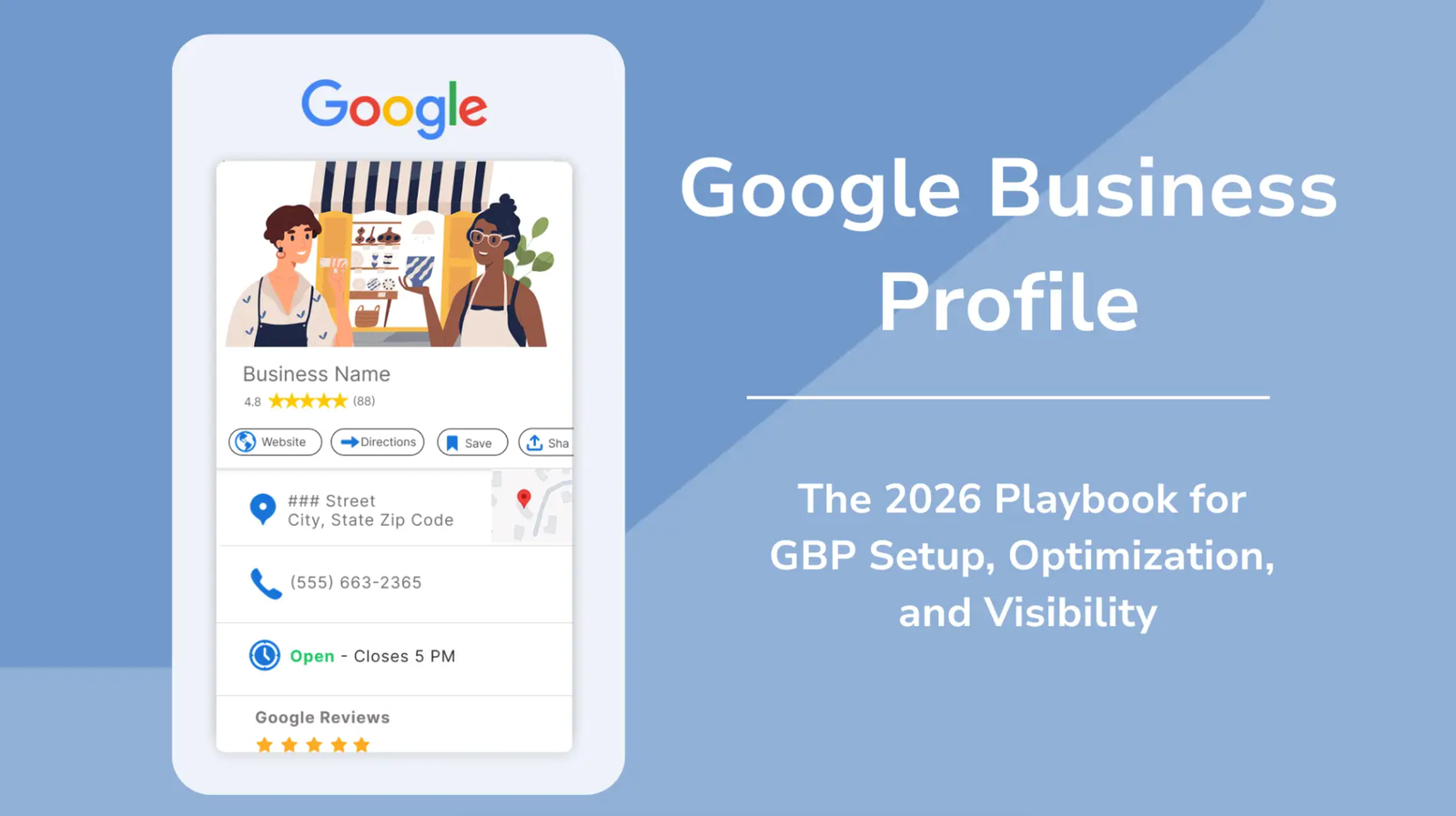
Start with a Google Business Profile
The single most valuable free tool for a local pest control business is a Google Business Profile. It puts you on Google Maps and in the local results people see first. Claim and complete yours with accurate business name, phone, service area, hours, photos of your team at work, and a clear list of services. A well-managed profile with genuine reviews often brings more leads than a fancy website, because it appears exactly when someone searches nearby.
Build a simple, fast website
You do not need an expensive website — you need a clear one that loads fast on a phone and makes people trust you. Make sure it includes:
- Your services and the areas you cover, in plain language.
- A big, tappable phone number and a WhatsApp button.
- Real photos of your technicians and completed work.
- Customer reviews and any certifications or licences.
- A short enquiry form for people who prefer not to call.
Get found through local SEO
Local SEO means showing up when people in your city search for pest control. Use your city and locality names naturally across your website and profile, create separate pages for each major service and area you cover, and keep your name, address, and phone number identical everywhere online. Consistency and local relevance tell Google you are the right business to show for nearby searches.
Collect and show reviews
Online reviews are the modern word of mouth, and they directly influence both your ranking and whether a customer chooses you. After every satisfied job, politely ask the customer to leave a Google review, and make it easy by sending them the direct link. Respond to every review, good or bad, in a calm and professional way. A steady stream of genuine five-star reviews is one of the most powerful lead generators you can build.
The customer searching for pest control at midnight will call whoever shows up first, looks trustworthy, and has the most genuine reviews. Be that business.
Use WhatsApp as a lead channel
In India, many customers prefer WhatsApp to a phone call or email. Put a WhatsApp button on your website and Google profile, respond quickly, and use it to send quotations, before-and-after photos, and appointment confirmations. Fast, friendly WhatsApp replies convert enquiries into bookings, because the customer feels attended to immediately.
Run targeted local ads when you can
Once your free channels are working, paid ads can accelerate leads. Google Ads let you appear at the top when someone searches for pest control in your area, and you only pay when they click. Start with a small daily budget, target your city and key services, and track which ads bring real calls. Local Facebook and Instagram ads can also work well for seasonal campaigns, like a pre-monsoon pest check offer.
Create helpful content that attracts searchers
Simple, useful content pulls in people before they are even ready to buy. Write short blog posts or social media tips answering the questions your customers ask — how to spot termites early, how to keep cockroaches out of the kitchen, what to expect from a treatment. Helpful content builds trust, improves your search ranking, and keeps your business in mind when the reader eventually needs a professional.
List on local directories and marketplaces
Beyond Google, list your business on popular Indian service directories and marketplaces where customers look for pest control. Keep your details consistent, add photos, and gather reviews there too. These listings widen your reach and often rank well themselves, giving you another doorway for leads at little or no cost.
Turn happy customers into referrals
Your existing customers are a lead source most operators ignore. A satisfied customer will happily recommend you if you simply ask and make it easy. Offer a small thank-you — a discount on their next service or renewal — for every referral that becomes a job. A polite message after a successful treatment, inviting them to share your number with neighbours in their society, quietly generates warm, high-trust leads that convert far better than cold enquiries.
Stay visible with seasonal campaigns
Pest control demand rises and falls with the seasons, so time your online push to match. Before the monsoon, promote a pre-monsoon pest check to homes and societies; before festivals, offer a deep-clean pest treatment; in the cooler months, push termite and rodent work. Seasonal offers give customers a timely reason to book now, and running a small ad or social post around each season keeps your business in front of people exactly when they are starting to think about pests.
Respond fast — speed wins leads
Online leads have a very short shelf life. A customer who fills a form or sends a WhatsApp message is often contacting two or three businesses at once, and the first to respond usually wins the job. Set up notifications so no enquiry is missed, and aim to reply within minutes during working hours. Many operators lose good leads simply by replying an hour too late.
Track where your leads come from
If you do not measure, you cannot improve. Ask every new customer how they found you, and note whether it was Google, a referral, an ad, or WhatsApp. Over a few months you will see which channels bring the most and best leads, so you can invest more there and stop wasting effort elsewhere. Business software that logs enquiries and their source makes this tracking effortless.
Frequently Asked Questions
What is the best way to get pest control leads online in India?
The strongest starting point is a complete, well-reviewed Google Business Profile, because it appears when people search for pest control nearby. Combine it with a fast mobile website, a WhatsApp button, genuine reviews, and quick responses, and add paid local ads once the free channels are working.
Do I need a website for my pest control business?
A simple, fast website helps a lot because it builds trust and gives customers a place to see your services, reviews, and contact details. It does not need to be expensive — a clear one-page site with a tappable phone number and WhatsApp button often does the job well.
How important are Google reviews for getting leads?
Very important. Reviews influence both your ranking in local search and whether a customer chooses you over a competitor. Ask every happy customer for a review, make it easy with a direct link, and respond to all reviews professionally to build trust.
Should I use Google Ads for pest control?
Google Ads can be very effective because they put you at the top when someone actively searches for pest control in your area, and you only pay per click. Start with a small daily budget, target your city and key services, and track which ads bring real phone calls before spending more.
Why am I not getting leads even though I do good work?
Good work alone is not enough if customers cannot find you online. If you lack a Google Business Profile, reviews, and a mobile-friendly presence, searchers simply reach your competitors first. Being visible and responding quickly matters as much as the quality of your treatment.
How can WhatsApp help me get more customers?
Many Indian customers prefer WhatsApp over calls, so a WhatsApp button on your website and Google profile lowers the barrier to enquire. Quick, friendly replies with quotations and photos convert enquiries into bookings, because the customer feels attended to immediately.