Finding a bee hive under your balcony or a wasp nest near your window is alarming, especially for families with children or anyone allergic to stings. Every year in India, people are hurt trying to remove bee and wasp nests themselves, sometimes provoking a dangerous swarm. This guide explains how to deal with bees and wasps safely, why you should almost never remove a hive yourself, and how professional removal works.
Bees vs wasps: know the difference
Though both sting, bees and wasps are different, and so is the right response:
- Honey bees are fuzzy, golden-brown, and build waxy hives. They are vital pollinators and are ideally relocated alive rather than killed. They sting only when threatened and die after stinging.
- Wasps and hornets are smoother, brighter, and more aggressive. They build papery nests under eaves, in wall cavities, and in trees, and can sting repeatedly without dying. They become especially defensive near their nest.
Because honey bees are ecologically important, responsible removal aims to relocate them where possible, while wasp nests usually need direct treatment.
Why you should not remove a nest yourself
This is the most important message of this article: do not try to remove a bee hive or wasp nest on your own. Spraying, burning, or knocking down a nest provokes the colony to swarm and attack, and hundreds of stings can be life-threatening, particularly to children, the elderly, and anyone allergic. People have suffered serious harm and even died attempting DIY removal. The small cost of professional removal is nothing compared to the risk.
A bee hive or wasp nest is not a DIY job. Disturbing it triggers a defensive swarm — the single most dangerous mistake people make with these insects.
What to do when you find a nest
- Keep your distance and keep children and pets well away from the area.
- Do not throw objects, spray water, or shine lights at the nest.
- Close nearby windows and doors to keep insects out of living spaces.
- Note the location and size from a safe distance to tell the professionals.
- Call a professional bee removal or pest control service rather than attempting removal.
How professional removal works
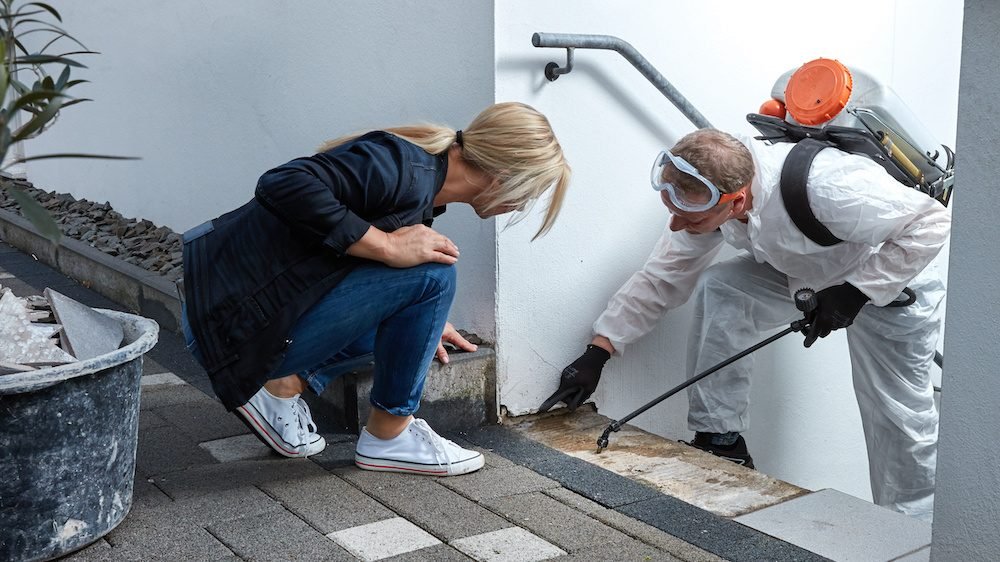
Trained professionals wear protective bee suits and use the right equipment and timing (often at night or dusk when the colony is calmest). For honey bees, ethical operators aim to relocate the colony to a beekeeper or a safe location rather than destroy these valuable pollinators. For aggressive wasps and hornets, they treat and remove the nest safely, then clear the nesting material to prevent a new colony returning to the same spot. They also advise on sealing the entry point so the problem does not recur.
Preventing bees and wasps from nesting
- Seal gaps, cracks, and cavities in walls, eaves, and around pipes where colonies start nests.
- Fit mesh over vents, chimneys, and openings that lead into wall cavities.
- Keep sweet foods, drinks, and open dustbins covered outdoors, as these attract wasps.
- Inspect balconies, window frames, and the underside of roofs periodically for early, small nests.
- Deal with small, new nests early through a professional — they are far easier to remove before the colony grows.
Why bees matter and should be protected
It is worth understanding why the goal with honey bees is relocation, not destruction. Bees are among the most important pollinators on earth, and a huge share of the fruits, vegetables, and crops we eat depend on them. Bee populations have been declining in many places, so needlessly killing a colony harms the wider environment and food supply. A responsible pest control operator or beekeeper will, wherever safe and practical, relocate a honey bee colony to a hive box where it can continue to thrive. If you find bees setting up at your home, choosing relocation over extermination is both the safer and the more responsible choice.
Where bees and wasps commonly nest
Knowing the usual nesting spots helps you spot a colony early, when removal is easiest:
- Under balconies, window ledges, and sunshades.
- Inside wall cavities, chimneys, and unused vents or pipes.
- In trees, dense shrubs, and garden structures.
- Under water tanks and in gaps in the building exterior.
- In storerooms, lofts, and rarely-used corners of the home.
Check these spots periodically, especially in spring and early summer when new colonies form. A nest the size of a golf ball is far easier and cheaper to deal with than a fully established hive.
When are bees and wasps most active?
In India, bee and wasp activity typically increases in the warmer months and around flowering seasons, when colonies grow and new swarms look for nesting sites. Wasps often become more aggressive later in the season as their colony peaks. Swarming honey bees may appear suddenly as a large cluster while scouting for a new home — this cluster is usually not aggressive and often moves on within a day or two, but it should still be reported to a professional rather than disturbed. Being alert during these active periods helps you catch a nest before it becomes a bigger problem.
If someone is stung
For a normal sting, remove the stinger if visible by scraping (not squeezing), wash the area, and apply a cold compress to reduce swelling. However, seek emergency medical help immediately if the person has trouble breathing, swelling of the face or throat, dizziness, or a rash spreading over the body — these are signs of a severe allergic reaction, which can be life-threatening. People who know they are allergic should carry prescribed medication and stay far from nests.
Frequently Asked Questions
Should I remove a bee hive or wasp nest myself?
No. Disturbing a nest provokes the colony to swarm and attack, and multiple stings can be dangerous or fatal, especially for children, the elderly, and allergic people. Always call a professional bee removal or pest control service.
Are honey bees killed during removal?
Responsible operators try to relocate honey bee colonies alive to a beekeeper or safe location, because bees are important pollinators. Aggressive wasps and hornets, which are not pollinators, are usually treated and removed directly.
How do I stop bees and wasps from nesting at my home?
Seal cracks and cavities in walls and eaves, mesh over vents and openings, keep sweet foods and bins covered outdoors, and inspect for small early nests. Removing tiny new nests promptly through a professional prevents large colonies forming.
What should I do if I am stung by a bee or wasp?
Scrape out the stinger, wash the area, and apply a cold compress. Seek emergency medical help immediately if there is difficulty breathing, facial or throat swelling, dizziness, or a spreading rash, as these indicate a severe allergic reaction.