More Indian families are asking for pest control that does not fill the house with chemical smell, especially homes with babies, elderly members, asthma patients, or pets. "Herbal" and "eco-friendly" pest control has become a popular request. But what does it really mean, does it work, and when is it not enough? This guide gives you an honest look at green pest control options.
What "herbal pest control" actually means
There is no single legal definition of herbal pest control in India, so the term is used loosely. Genuinely eco-friendly approaches usually involve one or more of the following: botanical extracts (like neem, eucalyptus, or citrus oils), reduced-toxicity gels and baits placed in cracks rather than sprayed in the air, insect growth regulators that stop breeding without broad spraying, and a strong focus on prevention and sanitation. The key idea is targeted, low-odour treatment instead of blanket spraying.
What works well with a green approach
- Cockroaches: modern gel baits are low-odour and very effective, and fit a green approach perfectly.
- Ants: bait gels target the colony without air spraying.
- Mosquitoes: source reduction and larvicide are the core of eco-friendly mosquito control.
- General prevention: sealing, sanitation, and moisture control reduce the need for any chemical.
Where herbal-only methods fall short
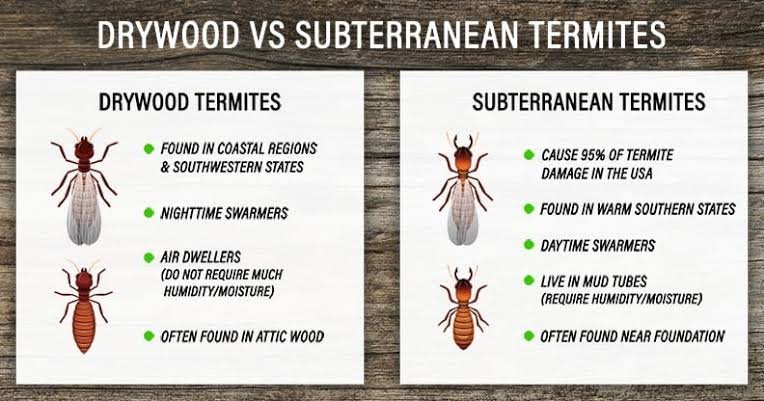
Be realistic. For a heavy termite infestation, bed bugs, or a serious rodent problem, purely botanical sprays usually do not give lasting control. Neem and essential oils can repel and reduce pests, but they break down quickly and rarely eliminate an established infestation on their own. A good pest control operator will tell you honestly when a low-toxicity approach is enough and when a stronger, targeted treatment is genuinely needed for your safety.
Eco-friendly does not mean weak. The best green pest control is not about avoiding all products — it is about using the least toxic method that actually solves the problem.
What is Integrated Pest Management?
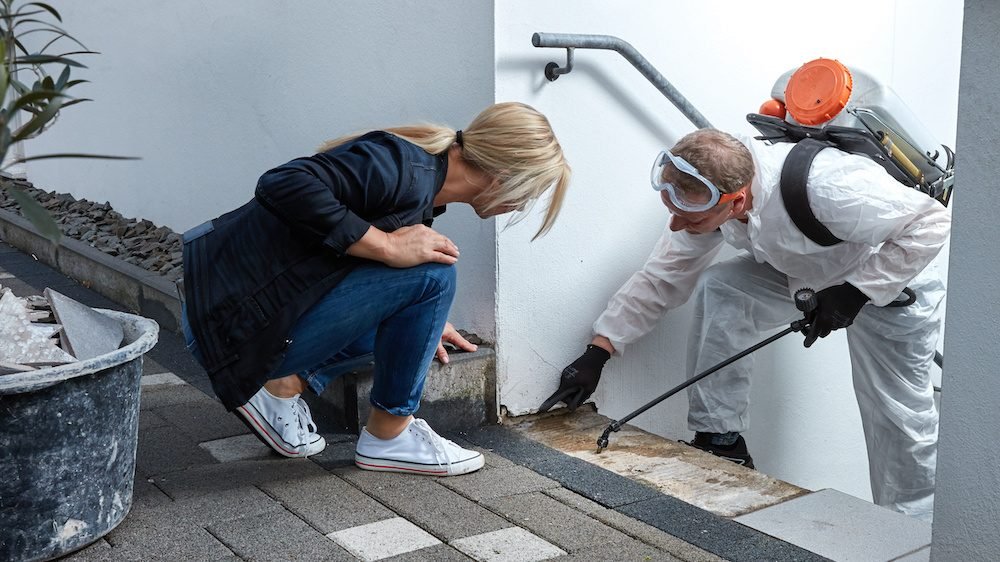
The gold standard behind good eco-friendly pest control is a method called Integrated Pest Management, or IPM. Instead of reaching for chemical spray first, IPM follows a smarter order: identify the exact pest, remove what attracts it (food, water, shelter), block its entry, use targeted low-toxicity treatment where needed, and monitor the result. Chemicals are used precisely and minimally, only where they are genuinely required. This approach is safer for your family, kinder to the environment, and often gives longer-lasting results because it fixes the underlying cause rather than just killing whatever is visible today.
Who benefits most from green pest control
Low-toxicity pest control is especially valuable for certain households and settings:
- Homes with babies, toddlers, or crawling children who touch floors and surfaces.
- Families with asthma, allergies, or respiratory sensitivity who react to strong sprays.
- Homes with pets, including birds and fish that are very sensitive to chemicals.
- Kitchens, restaurants, and food businesses where spraying near food is undesirable.
- Elderly or unwell family members who should avoid strong fumes.
Questions to ask a "herbal" pest control company
- What products or extracts do you use, and are they registered and safe indoors?
- Is this treatment targeted (gels, baits, crack-and-crevice) or open spraying?
- How long should we stay out of the treated area, if at all?
- What results can we realistically expect, and is a follow-up included?
If a company cannot answer these clearly, be cautious. "Herbal" is sometimes just a marketing label on the same generic spray.
Simple green habits that prevent pests
- Keep the kitchen dry and food sealed to remove the main attraction.
- Use neem or citronella around windows as a mild, natural deterrent.
- Fix leaks and clear standing water to discourage mosquitoes and cockroaches.
- Declutter to remove hiding places, reducing the need for treatment at all.
Common myths about eco-friendly pest control
A few misunderstandings stop people from choosing green pest control, so it is worth clearing them up. Many assume eco-friendly means completely chemical-free — in reality it means using the least toxic, most targeted approach, which may still include registered low-toxicity products used precisely. Others believe green methods are always weaker, when for common pests like cockroaches and ants, targeted gel baits are actually more effective than blanket spraying. Some think it is far more expensive, though the difference is usually modest. And a few assume herbal automatically means safe for everyone, forgetting that even natural oils can irritate sensitive people or pets, so professional guidance still matters.
How to make your home naturally pest-resistant
The greenest pest control of all is preventing pests from ever settling in, which reduces the need for any treatment. Build these habits into daily life:
- Keep the kitchen dry and food sealed, removing the water and food that attract most pests.
- Fix leaks and clear standing water promptly to discourage mosquitoes and cockroaches.
- Declutter storerooms and cupboards to remove hiding places.
- Seal gaps around pipes, doors, and windows to block entry.
- Maintain ventilation and control damp to deter silverfish, booklice, and mould-loving pests.
- Deal with the first few pests early, before they establish a colony that needs stronger treatment.
The balanced conclusion
Eco-friendly pest control is a genuinely good choice for most routine household pests, especially in homes with children, pets, or sensitive members. The smartest approach is integrated pest management: prevention first, targeted low-toxicity treatment second, and stronger intervention only where the pest and the risk truly demand it.
Frequently Asked Questions
Is herbal pest control effective?
For routine pests like cockroaches, ants, and mosquitoes, a low-toxicity approach using gels, baits, and source reduction is very effective. For serious termite, bed bug, or rodent infestations, purely botanical methods usually are not enough on their own and a targeted treatment is needed.
Is eco-friendly pest control safe for babies and pets?
Targeted, low-odour treatments applied in cracks and crevices are much safer around babies and pets than open spraying. Always ask the technician how long to stay away from treated areas and keep children and pets clear until surfaces are dry.
Does herbal pest control smell bad?
Genuine eco-friendly treatments are usually low-odour, using gels and baits rather than strong aerosol sprays. This is one of the main reasons families with sensitive members prefer them.
Is herbal pest control more expensive?
It can cost a little more because of specialised products and a more careful, targeted approach, but the difference is usually small and the reduced odour and safety are worth it for many families.
What is Integrated Pest Management (IPM)?
IPM is a smarter approach that identifies the pest, removes what attracts it, blocks entry, and uses targeted low-toxicity treatment only where needed, followed by monitoring. It reduces chemical use and often gives longer-lasting results by fixing the root cause rather than just killing visible pests.
Can I ask for odourless pest control at home?
Yes. Ask specifically for gel baits and crack-and-crevice treatment instead of open spraying. These are low-odour and targeted, which is ideal for homes with children, pets, or anyone sensitive to strong smells.