How to Re-Route Pest Control Jobs When a Technician Is Running Late
A ten-minute drill for coordinators: sort the day into fixed, flexible and movable jobs, reassign the right ones, and tell customers before they call you.
Actionable articles on pest treatment operations, customer education, scheduling, billing, and software-backed growth.
A ten-minute drill for coordinators: sort the day into fixed, flexible and movable jobs, reassign the right ones, and tell customers before they call you.

Bait stations ring the house, termites take the bait home, and the colony collapses over months. Here is how it works and what it costs.
Service standards for every moment a pest control customer notices, from first reply to renewal, and a simple feedback habit that tells you what to fix.
Twelve scheduling features worth paying for, a scorecard to use in vendor demos, and the six questions that show whether a tool handles real pest control contracts.
Sand-like pellets under furniture mean drywood termites. Here is how treatment works, what it costs per piece and when to replace instead.
Why pest control produces angry clients, a calm script for the worst calls, and how to decide, and handle, walking away from a customer.
The fields every pest control invoice needs, a sample layout with GST lines, and the questions to ask before choosing invoicing software.
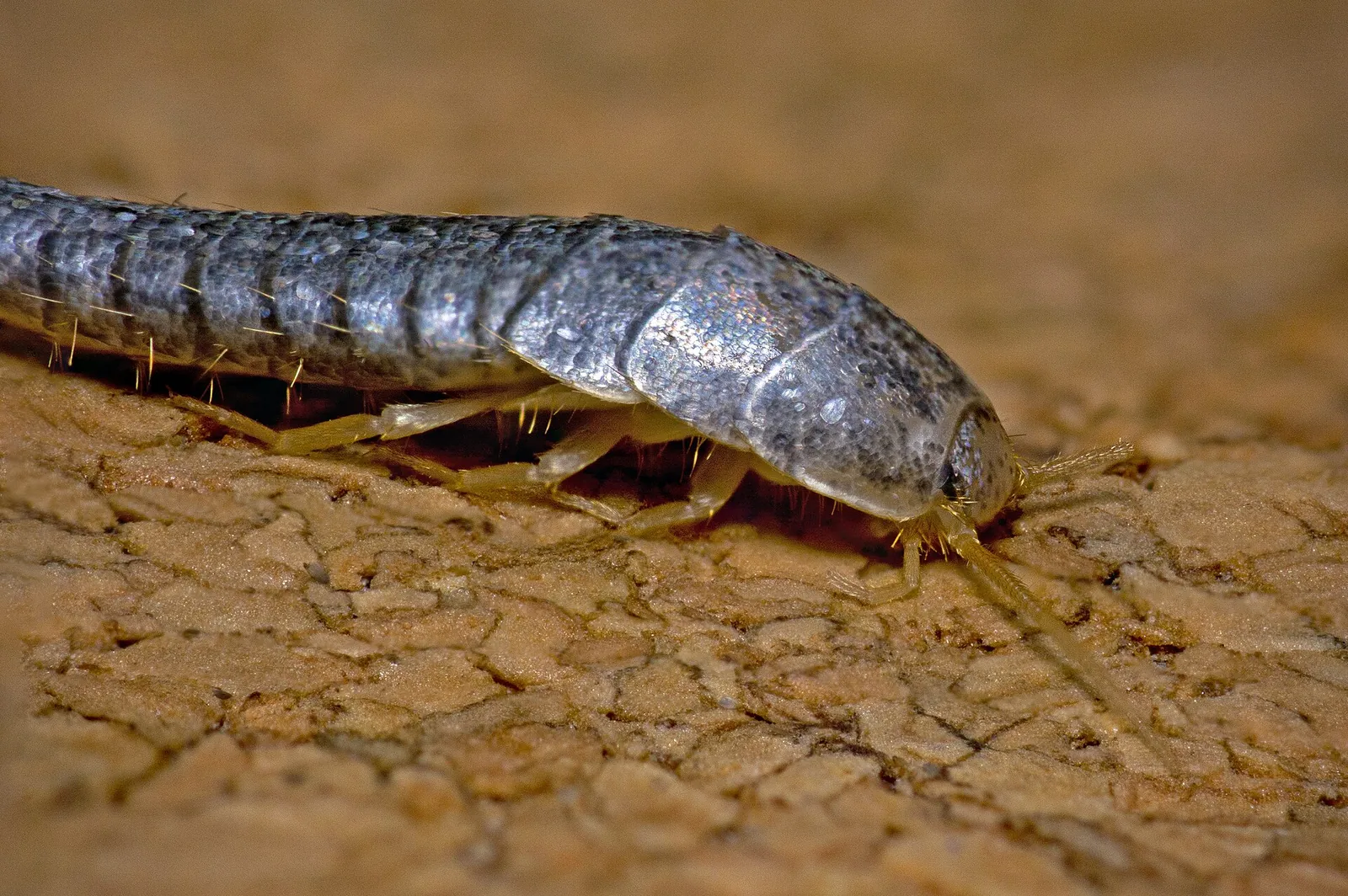
Round holes through pages mean beetle larvae; ragged surface patches mean silverfish. Here is how to tell, and how to protect your books.
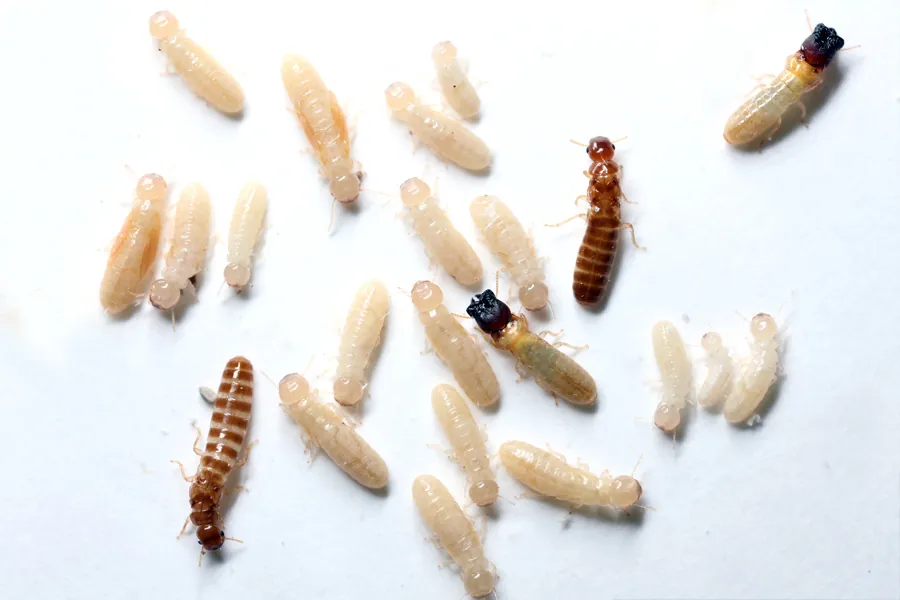
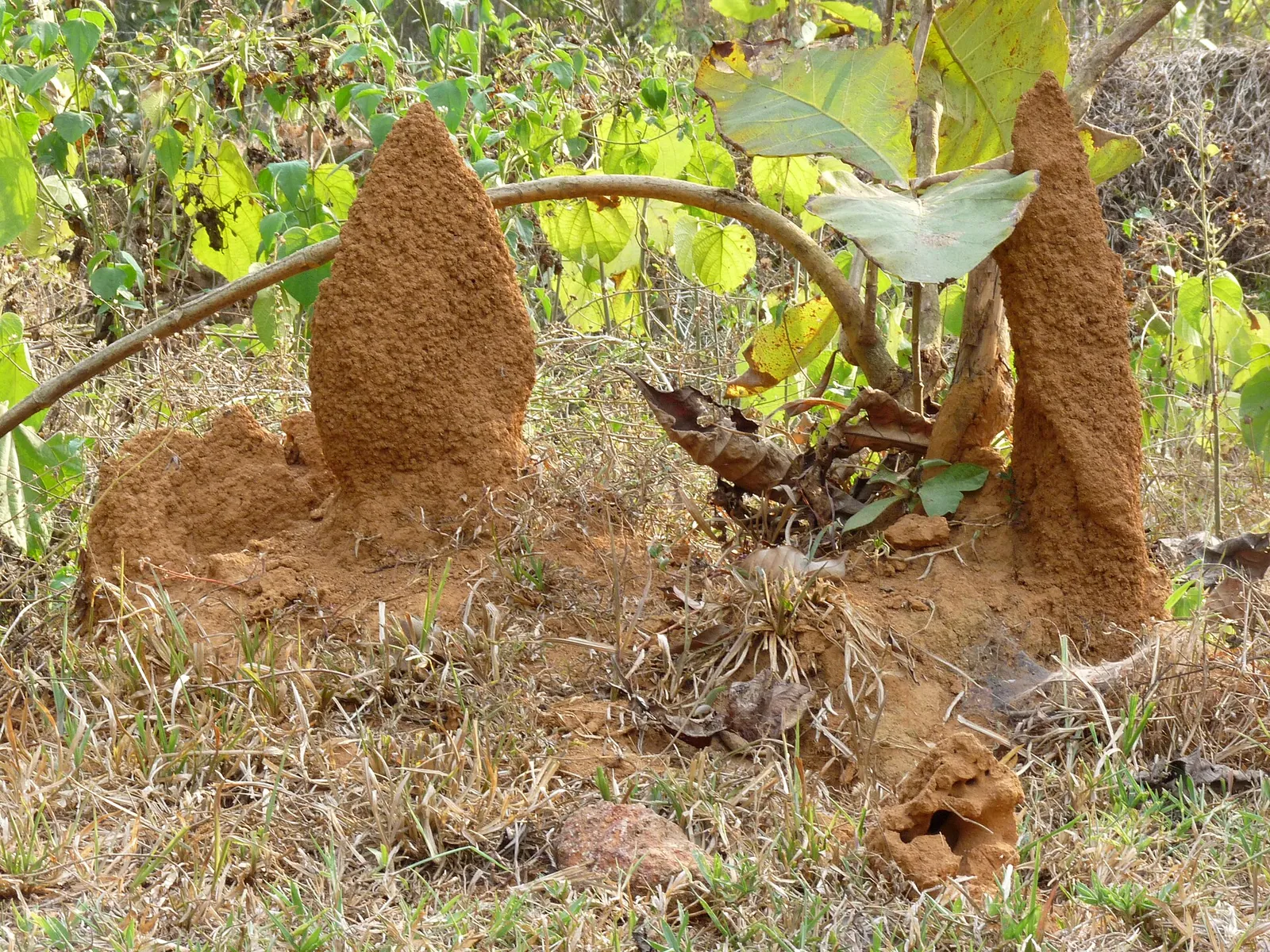
White ants are termites, not true ants. Here is how to tell them apart, their names in Indian languages, and what treatment costs.
Three realistic startup budgets for a pest control business in India, from a solo operator to a commercial-ready firm, with the cost most owners forget.
Pest control is usually an indirect revenue expense. Here is which ledger to use by business type, when to capitalise it, and how GST input credit and TDS apply.
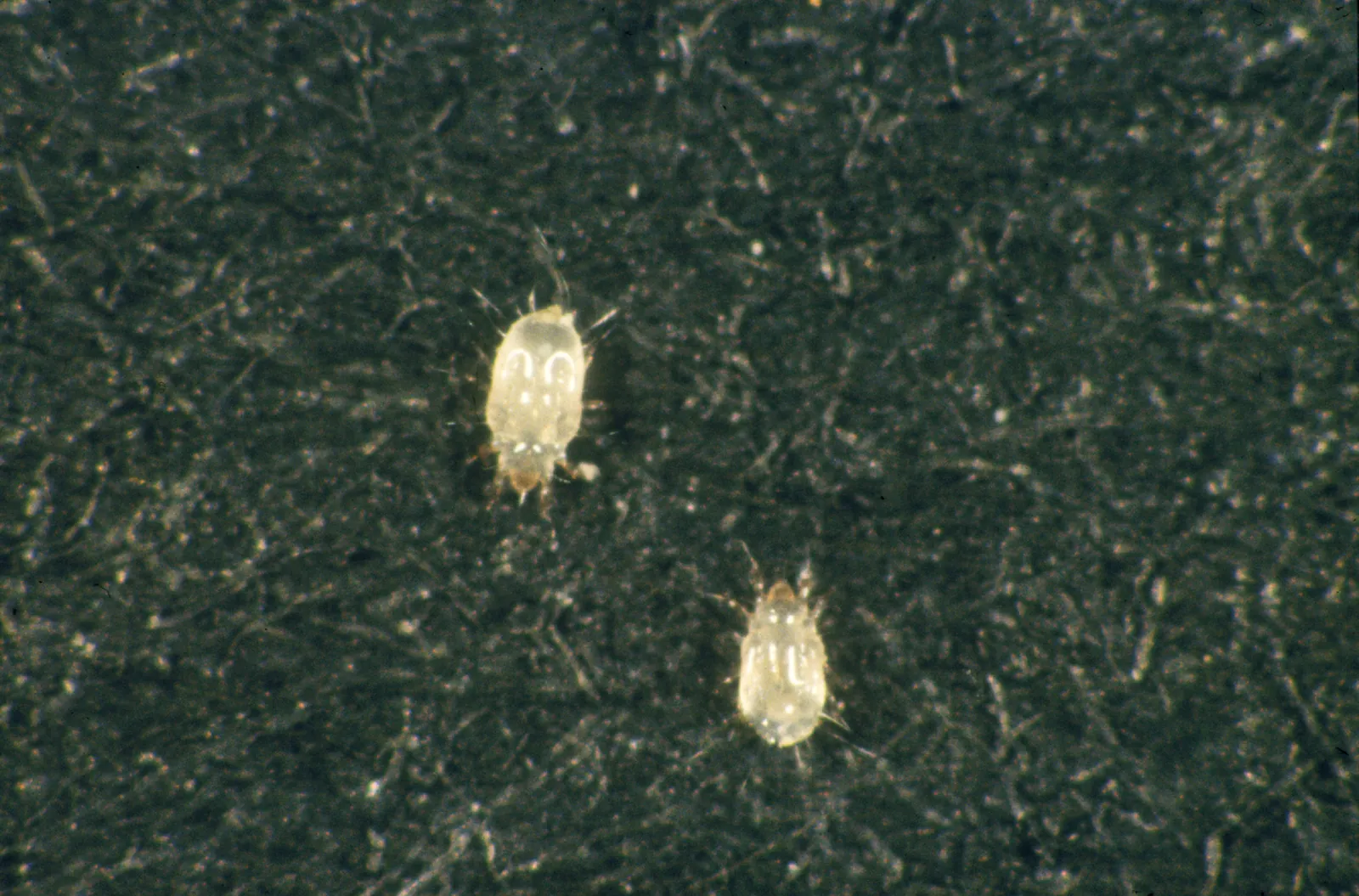
Booklice feed on the invisible mould on damp walls and paper. Dry the air and the surface and they die out, usually within a few weeks.